


India’s aspiration of becoming a five‑trillion‑dollar economy and a global manufacturing hub is inseparable from its energy transition and mineral security. Clean energy, digital infrastructure and advanced manufacturing all rest on a quiet but decisive foundation: a reliable supply of critical minerals. Lithium, cobalt, nickel, copper, rare earth elements and allied materials now play for green technologies the role that coal and oil played for the fossil‑fuel era. At the same time, rapid advances in automation, artificial intelligence (AI) and industrial Internet of Things (IoT) are transforming how these minerals are discovered, extracted and processed. For India, the convergence of ‘smart mining’, critical minerals and green energy presents not only a technological opportunity, but a strategic necessity under the vision of Atmanirbhar Bharat.
EXPECTATIONS FROM THE MINING SECTOR
The adoption of the United Nations’ 2030 agenda and its 17 sustainable development goals (SDGs) have sharpened expectations of the mining sector. Mining influences a broad constellation of SDGs, from poverty reduction, decent work, and infrastructure (SDGs 1, 8, 9) to clean water, climate action and life on land (SDGs 6, 13, 15), as well as peace, justice and strong institutions (SDG 16). The sector provides critical materials for renewable energy, electric mobility and digital connectivity, expanding its potential to drive the global energy transition and industrial modernization. At the same time, failure to manage environmental degradation, displacement, or inequitable benefits distribution can derail progress towards these very goals. Recent analyses underscore that mining influences a broad constellation of SDGs, from poverty reduction, decent work, and infrastructure (SDGs 1, 8, 9) to clean water, climate action and life on land (SDGs 6, 13, 15), as well as peace, justice and strong institutions (SDG 16). The sector provides critical materials for renewable energy, electric mobility and digital connectivity, expanding its potential to drive the global energy transition and industrial modernization. At the same time, failure to manage environmental degradation, displacement, or inequitable benefits distribution can derail progress towards these very goals. Recent analyses underscore that mining companies will be called upon to extract responsibly, waste less, use safe processes, and embed sustainable technologies if the SDGs are to be achieved.
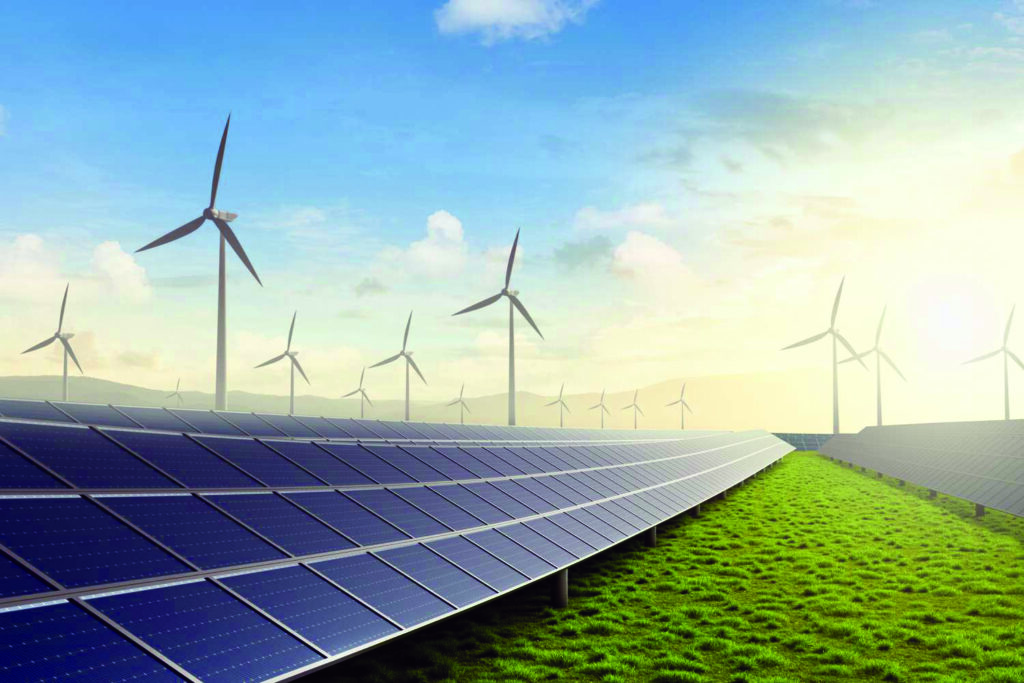
The global clean energy transition is dramatically reshaping mineral demand. Analyses drawing on International Energy Agency projections indicate that demand for critical transition minerals— lithium, cobalt, nickel, copper and rare earths—could rise by 40–90 percent or more over the next two decades under ambitious climate scenarios. These minerals are embedded in long‑lived technologies such as solar panels, wind turbines, battery storage systems, electric vehicles (EVs), smart grids and hydrogen fuel cells, making the energy transition permanently more mineral‑intensive. Yet production and processing are highly concentrated in a small number of countries, creating strategic vulnerabilities. The Democratic Republic of Congo dominates cobalt mining, while China controls a very large share of global refining for lithium, cobalt and rare earths. Any disruption in these supply chains can delay energy transition timelines and expose countries to new forms of resource insecurity.
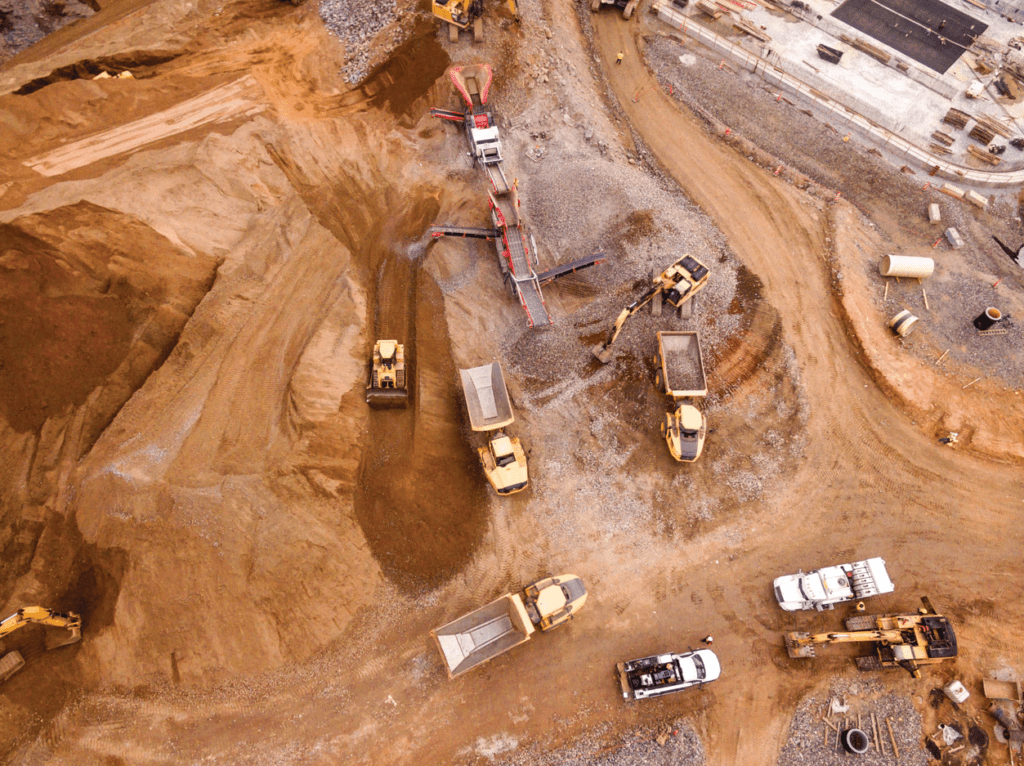
Image Courtesy: Unsplash
For India, this vulnerability is more than theoretical. Ambitious targets such as achieving 500 GW of renewable energy capacity by 2030 and rapid scaling of EVs and grid infrastructure will sharply increase domestic demand for copper, lithium, cobalt, rare earths and allied materials. At present, however, India is heavily import‑dependent for most of these critical minerals and their processed forms, much as it has historically depended on imported fossil fuels. In an era marked by geopolitical competition, export restrictions and resource nationalism, such dependence is incompatible with the vision of a resilient, self‑reliant, technology‑driven India.
INDIA AND CRITICAL MINERALS, SMART MINING
Recognising this, the Government of India has made critical minerals a central pillar of its Atmanirbhar Bharat agenda. The identification of 30 minerals as “critical” for national priorities—including clean energy, high‑tech industries and defence—signals a strategic shift in mineral policy. The launch of the National Critical Mineral Mission (NCMM), backed by substantial public expenditure and additional PSU investment, aims to secure these inputs through accelerated exploration, streamlined regulation, and targeted incentives for the entire value chain. Complementary schemes to boost recycling of critical minerals such as lithium, cobalt, nickel and rare earths further reflect a systemic approach to mineral security that combines primary extraction with secondary recovery. In effect, India is moving from a reactive, commodity‑driven mining paradigm to a proactive, strategic minerals policy aligned with long‑term national goals.
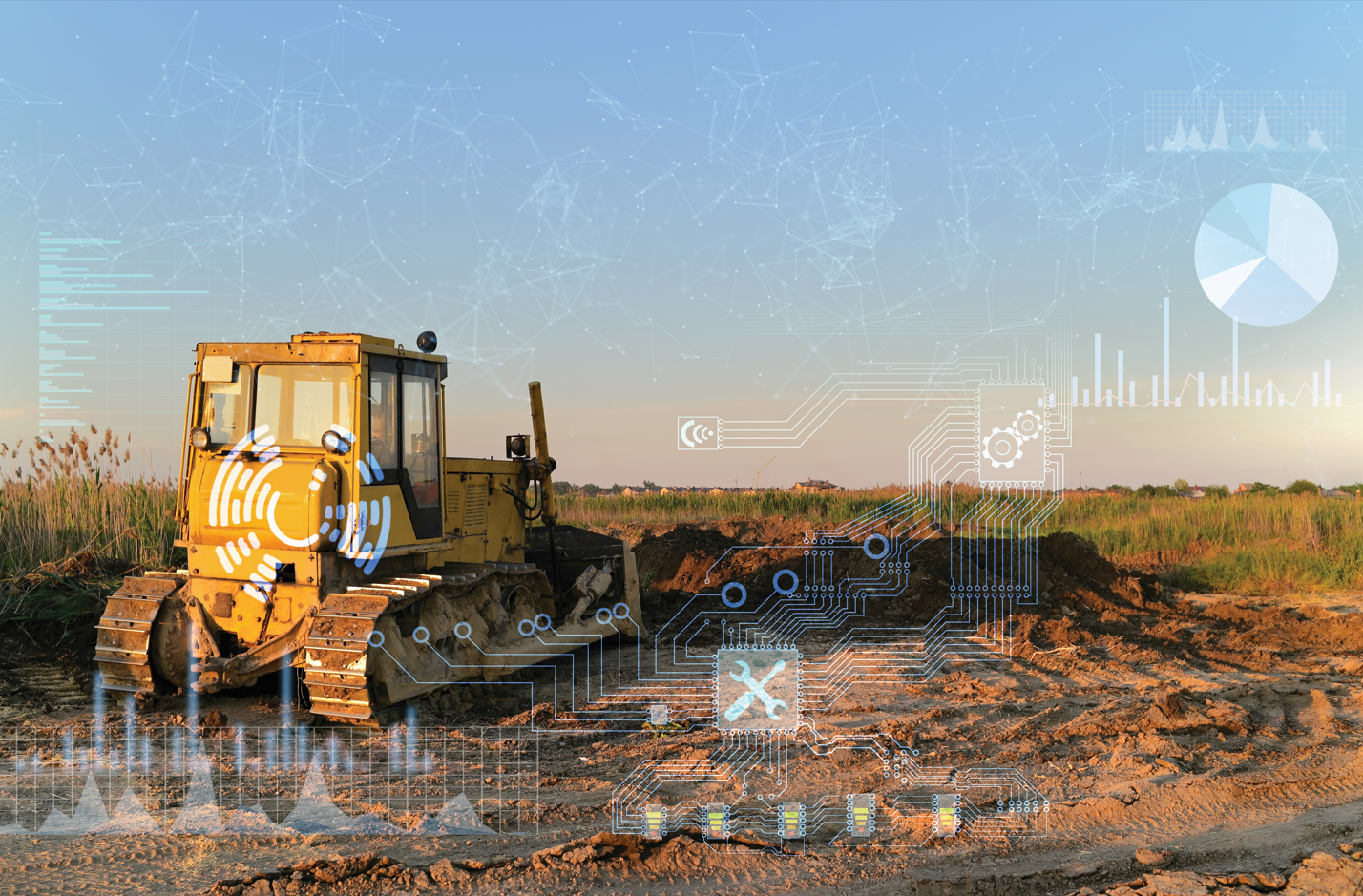
Smart mining is the technological backbone that can make this strategic shift both feasible and sustainable. Across India’s mines, digital transformation is moving from pilots to core operations, with IoT‑enabled sensors, real‑time production monitoring and AI‑driven analytics improving output, reducing downtime and enhancing safety. Automation—ranging from autonomous haulage and drilling systems to remotely operated equipment—reduces human exposure to hazardous environments and raises productivity. Advanced data platforms allow operators to monitor equipment health, ore quality and energy use remotely, a critical capability as India scales up mining for both bulk commodities and high‑value critical minerals. In combination, these technologies define “smart mining”: a data‑rich, connected, and increasingly autonomous mining ecosystem.
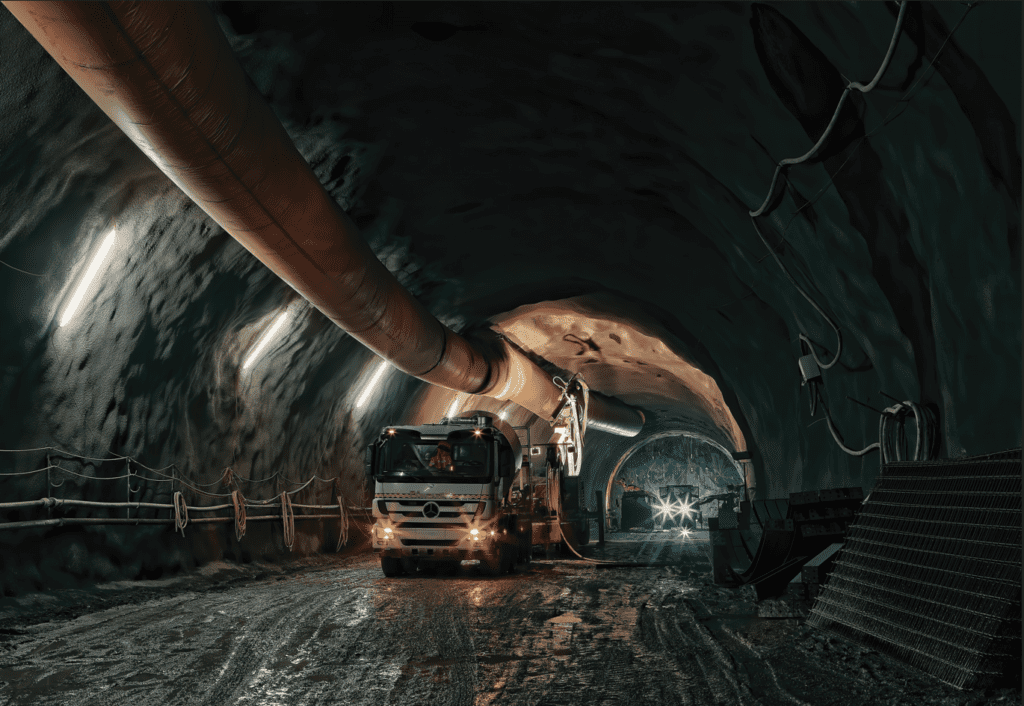
Image Courtesy: Unsplash
The relevance of smart mining becomes even sharper in the context of critical minerals, which tend to occur in complex ore bodies and demand stringent environmental and social performance. Precision exploration using remote sensing, geospatial analytics and AI can reduce the ecological footprint of prospecting and improve discovery rates. Within operating mines, real‑time monitoring of geotechnical stability, water use, tailings integrity and emissions supports better regulatory compliance and transparent reporting—important when global investors, downstream manufacturers and civil society are scrutinising ESG performance along the entire value chain. Digital twins of mines and processing plants allow scenario‑based planning for energy efficiency and resource optimisation, aligning operations with India’s net‑zero and green growth commitments. In this sense, smart mining is not merely about efficiency; it is about embedding sustainability, safety and accountability into the DNA of mining.
RESOURCE DIPLOMACY
India’s recent policy measures underscore how technology, critical minerals and green energy are being woven together. The Geological Survey of India has intensified exploration, with hundreds of projects now focused on critical mineral‑rich belts and plans to identify up to 1,200 critical mineral deposits by 2030. Over 100 critical mineral blocks are expected to be auctioned in the coming years, reflecting a systematic effort to convert geological potential into investible assets. At the same time, there is growing recognition that exporting raw ore would be a strategic mistake. Policy analyses emphasise the need to build domestic processing and refining capacity for minerals such as lithium, cobalt and rare earths so that India can move up the value chain into battery manufacturing, electronics, advanced materials and clean energy technologies. Done well, this would mirror India’s earlier successes in pharmaceuticals and IT services—this time in the domain of critical minerals and green technologies.
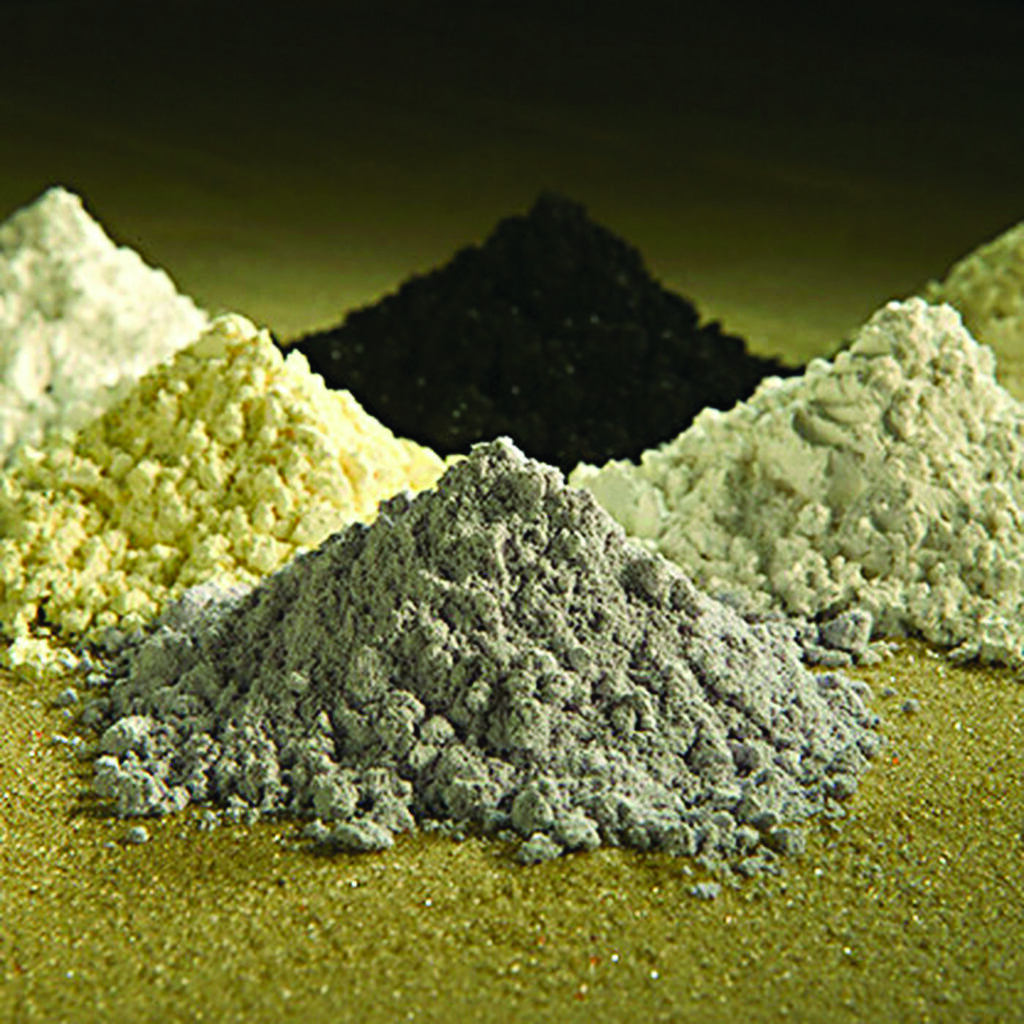
Image Courtesy: Wikimedia Commons
A domestic‑only approach, however, would be insufficient given the long lead times and geological uncertainties inherent in mining. Consequently, India’s critical minerals strategy has adopted a two‑pronged approach: boosting domestic exploration and extraction while simultaneously pursuing international partnerships and overseas asset acquisitions. Initiatives such as joint ventures in mineral‑rich countries (for example, in parts of Latin America and Australia) and the role of entities like KABIL (Khanij Bidesh India Limited) aim to diversify supply chains and reduce over‑reliance on any single dominant supplier. This “resource diplomacy”, if combined with robust environmental and social safeguards, can position India as a responsible partner in global mineral networks while securing the inputs necessary for its own Atmanirbhar Bharat and net‑zero 2070 goals.
The circular economy is another critical lever for reducing import dependence and environmental pressure. Policy initiatives to encourage recycling of batteries, electronics and industrial waste streams are beginning to treat end‑of‑life products as “urban mines” for critical minerals. Effective collection, sorting and high‑tech recycling can recover lithium, cobalt, nickel and rare earths, lowering primary extraction needs and reducing the burden on land and water resources. Integrating circular economy principles into smart mining architectures—through traceability systems, product passports and design‑for‑recyclability—would help close material loops and embed responsible consumption and production (SDG 12) into India’s green industrialisation pathway.
Urban mining is not just an environmental initiative; it is a tool of resource resilience and industrial logic. It aligns perfectly with Sustainable Development Goal 12 (SDG 12), which focuses on responsible consumption and production. The “So What?” for Indian industry is that a mature recycling ecosystem acts as a strategic buffer. If a significant percentage of India’s mineral needs can be met through domestic recycling, the pressure to navigate difficult international markets or find new primary deposits is greatly diminished. In the long term, the most secure mineral supply is the one that is already within your borders and can be cycled indefinitely. This circular approach ensures that India’s green industrialisation is both sustainable and self-sustaining.
BEYOND TECHNOLOGY AND POLICY
Yet, technology and policy alone do not guarantee a just and sustainable mining transition. Global experience shows that poorly regulated extraction of critical minerals can replicate the environmental degradation, social conflict and governance failures of the fossil‑fuel era. Smart mining, if driven only by efficiency, could displace workers without adequate reskilling, deepen existing regional inequalities, or marginalise local communities from decision‑making. Addressing these risks demands strong institutional capacity, transparent and predictable regulation, credible environmental and social impact assessment, and independent oversight. It also requires deliberate investments in human capital—training a new generation of geoscientists, data scientists, mining engineers and technicians who can operate and innovate within digitally enabled, sustainability‑oriented mines.
For India, the deeper question is not whether smart mining and critical minerals will be part of the green energy future—they will—but what kind of future they will help create. A narrow focus on extraction volumes and export earnings would be at odds with the foundational ethos of Atmanirbhar Bharat, which emphasises resilience, inclusivity and dignity of labour. A more holistic approach would align critical minerals policy with regional development strategies, prioritise value addition within India, ensure fair benefit‑sharing with mineral‑bearing communities, and insist on world‑class environmental standards. Smart mining technologies can support such an approach by enhancing transparency—through open data portals, community‑accessible monitoring dashboards and participatory oversight mechanisms.
In conclusion, smart mining, critical minerals and green energy are not three separate agendas, but three faces of the same strategic challenge: how India can secure the material foundations of its development while safeguarding sovereignty, sustainability and social justice. By leveraging digital technologies for safer and more efficient mines, by building a diversified and resilient critical minerals ecosystem, and by anchoring all efforts within the broader vision of Atmanirbhar Bharat, India has the opportunity to redefine what a mineral‑rich, climate‑conscious, technologically advanced developing economy can look like. The choices made in the current decade—by policymakers, industry, researchers and civil society—will determine whether the coming mining boom becomes a source of vulnerability or a cornerstone of a self‑reliant, green and globally respected Bharat.
*The writer is Former Chairman/Member (Technical), Commission for Air Quality Management in NCR and adjoining areas (CAQM), Govt of India, New Delhi.