



Image Courtesy: Shutterstock
On an ordinary Indian street, a heated argument breaks out. Voices rise, a scuffle begins, and a small crowd gathers. In the past, the resolution of such a conflict would depend entirely on who shouted the loudest or which eyewitness the police chose to believe. Today, the scene is different. Someone in the crowd hesitates, then raises a mobile phone and starts recording. By the next day, the street looks unchanged. But what happened there is no longer a matter of competing memories or biased testimonies. It has been fixed into data—frames, timestamps, audio, and context. This is increasingly how justice begins in modern India. It does not start with dramatic discoveries in distant, high-tech laboratories, but with ordinary acts of documentation. A video recorded by chance, a voice note preserved, a bloodstain left unwashed, or a packet sealed correctly and transported on time. Modern forensic science thrives not on spectacle, but on restraint. It depends on what people choose not to disturb, not to clean, and not to erase. Forensic science exists to transform such fragile traces into reliable evidence, letting science speak where human accounts fall short.
At its core, forensic science is science serving justice. The word forensic derives from the Latin forum, the public place where disputes were examined and resolved. In modern societies, that forum is the courtroom, and forensic science supplies it with methods drawn from biology, chemistry, physics, medicine, and now, digital intelligence. As India transitions into a new era of criminal justice, the focus is shifting from the fallibility of human memory to the precision of the molecular and the digital.
THE MOLECULAR REVOLUTION: THE DNA ERA
The foundation of Indian forensic biology was laid by the late Dr Lalji Singh, the Father of DNA Fingerprinting in India. Working at the Centre for Cellular and Molecular Biology (CCMB) in Hyderabad, Dr Singh realised that for a science like DNA to work in India, it had to be indigenous. He developed the first set of Indian DNA probes, ensuring that this technology was accessible and tailored for our genetically diverse population. Theoretically, DNA profiling can distinguish one individual from another among trillions of people, making it one of the most powerful identification tools ever developed.
This ability, combined with sensitivity to minute traces that are often invisible to the naked eye, has made DNA fingerprinting almost synonymous with forensic science in the public imagination. But its impact goes deeper. DNA-based methods are now gradually phasing out many traditional serology and microscopy-based methods used for decades to identify body fluids, plant material, microbes, diatoms, insects, and animal parts. Where an expert once spent days under a microscope looking for the specific structure of a pollen grain or a blood cell, molecular biology now provides a definitive, genetic signature that carries the weight of mathematical certainty.
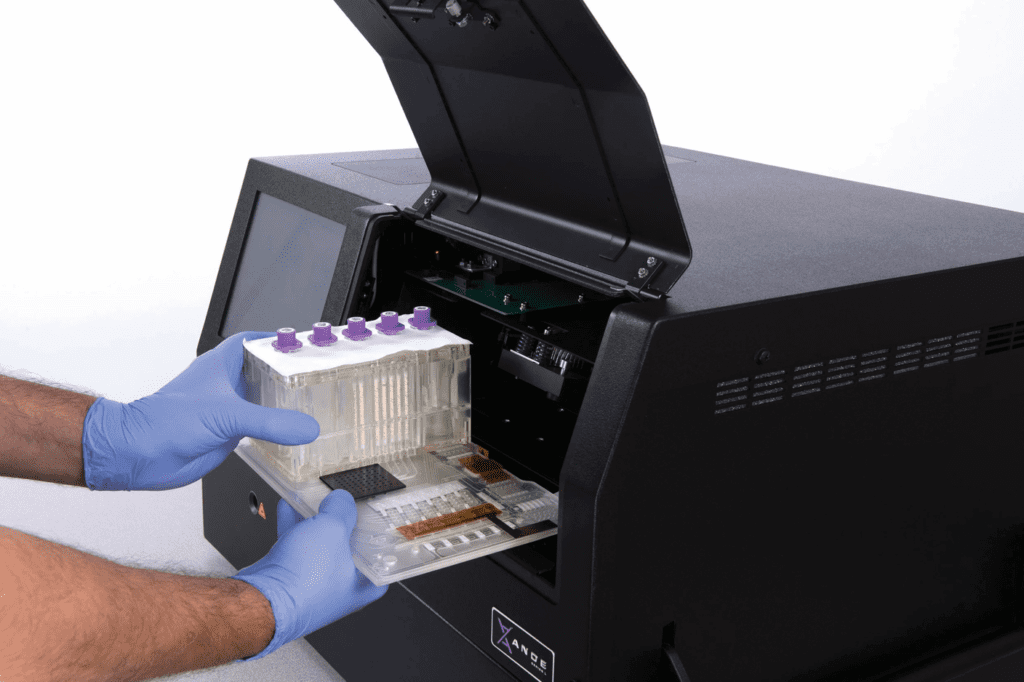
Image Courtesy: Ande.com
While traditional DNA testing is a centralised process—often requiring samples to be sent to large state laboratories—the future of Indian forensics lies in miniaturisation and speed. Emerging technologies like MiDAS (Mobile Integrated DNA Analysis System) and Next-Generation Sequencing (NGS) represent a paradigm shift toward ‘Rapid DNA’ profiling. Imagine a portable device, no larger than a standard office printer, kept at a local police station or taken directly to a crime scene in a mobile forensic van. Such systems can automate the complex steps of DNA extraction and analysis, potentially generating genetic leads in hours rather than weeks.
While these automated, portable units are still in their early implementation phases in the Indian context, they point toward a future where the genetic ‘ID card’ of a crime can be generated almost in real-time. Alongside this, forensic metagenomics is opening new doors. If a suspect denies being at a specific location, the soil on their shoes can be analysed for a unique microbial signature. Every patch of earth in India, from the desert sands of Rajasthan to the forest floors of the Western Ghats, has a unique community of microbes. By analysing this ‘bacterial fingerprint’, scientists can link a person to a place with startling accuracy, even when no human DNA is left behind.
THE DIGITAL SENTINEL AND THE AI ADVANTAGE
While biology ‘remembers’ the person, digital technology ‘remembers’ the act. India’s urban landscape is now saturated with cameras—CCTV systems in residential colonies, dashcams in private vehicles, and the ubiquitous mobile phone in every pocket. This ‘visual revolution’ has turned every bystander into a potential witness. However, a video is only credible evidence if its metadata remains intact. Metadata is the ‘digital DNA’ of a file, a hidden diary that records the exact time, GPS coordinates, and device details of a recording.
In this digital age, many Indian citizens hesitate to assist the law, fearing a breach of their private lives. It is a valid concern in a world where our phones contain our most intimate information. It is important for every citizen to know that they have a right to their privacy even while performing their civic duty. If a person decides to hand over a mobile phone as evidence of a crime they witnessed, they can—and should—take steps to protect their own privacy. One can delete unrelated personal photos, private family videos, or unrelated messages before handing the device over. This act of selective deletion for privacy does not constitute evidence tampering or ‘destruction of evidence’, provided the specific, crucial video relevant to the incident remains untouched and the original metadata of that file is preserved.
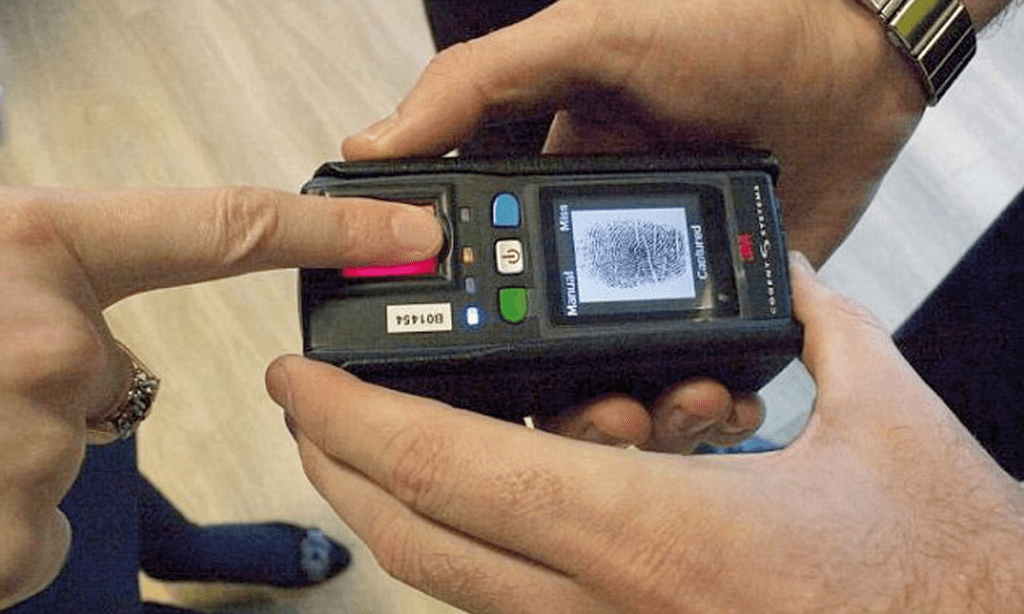
Image Courtesy: Pexels
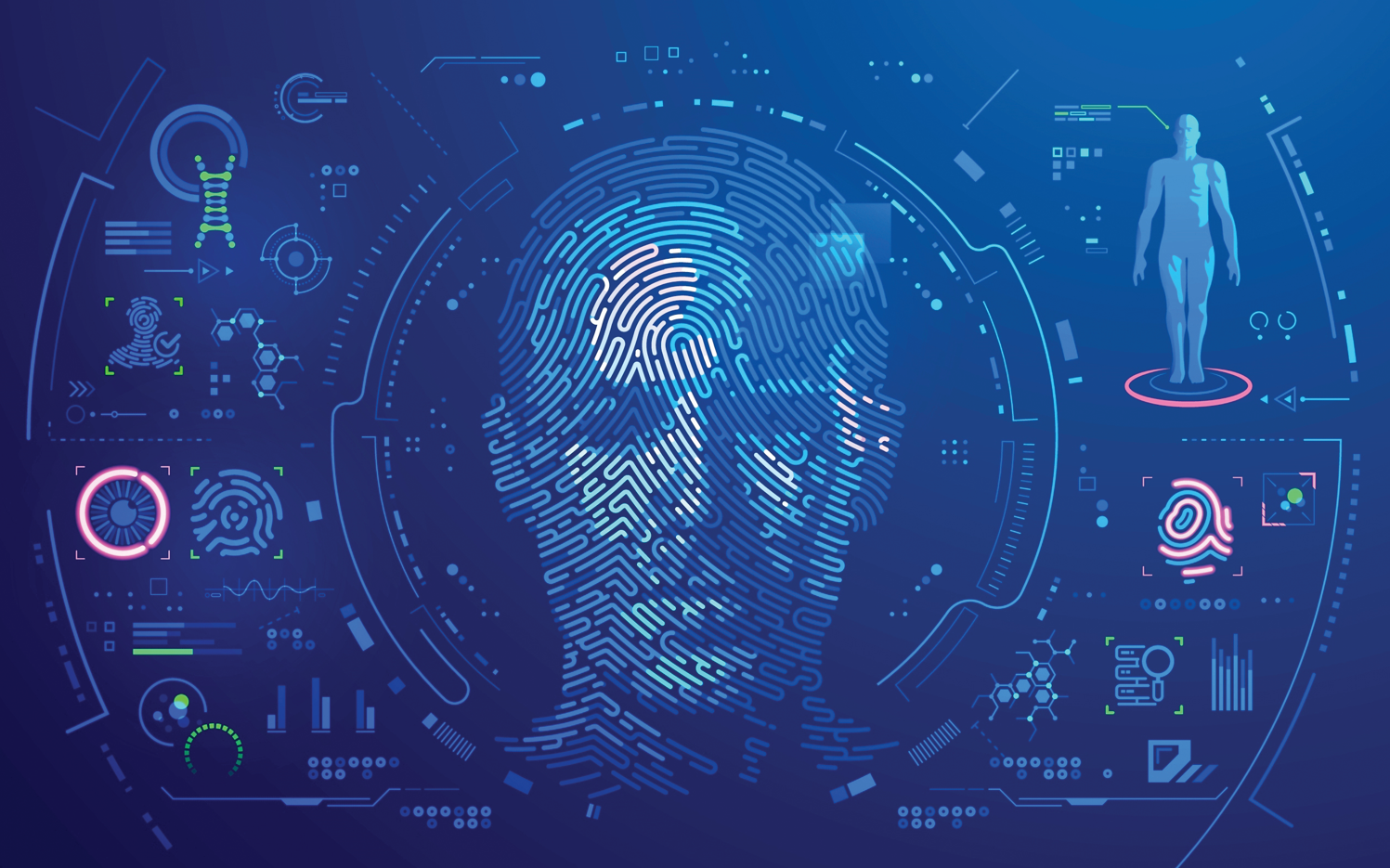
Individually, digital records such as mobile tower location data, internet logs, and app histories may appear insignificant. Together, they reveal timelines, movement patterns, and behavioral changes. To manage the sheer volume of this data, India is increasingly turning to Artificial Intelligence (AI) as a vital ‘force multiplier’. Consider the National Automated Fingerprint Identification System (NAFIS). Manually matching a single fingerprint against millions of records would take weeks for human experts. AI algorithms can scan these millions in mere seconds, flagging potential matches for an expert to verify. Similarly, in digital forensics, AI helps investigators sift through terabytes of data, automatically flagging relevant keywords or detecting “Deepfakes”—AI-generated videos meant to mislead. By automating the “searching” phase, human scientists can focus on interpreting the complex results, making the criminal justice system far more efficient. Voice forensics has also gained prominence; acoustic analysis assesses whether recordings are consistent with a known speaker. While such evidence is probabilistic rather than absolute, it provides a powerful corroboration of other digital trails.
BEYOND DNA: THE FOUNDATIONS OF FORENSICS
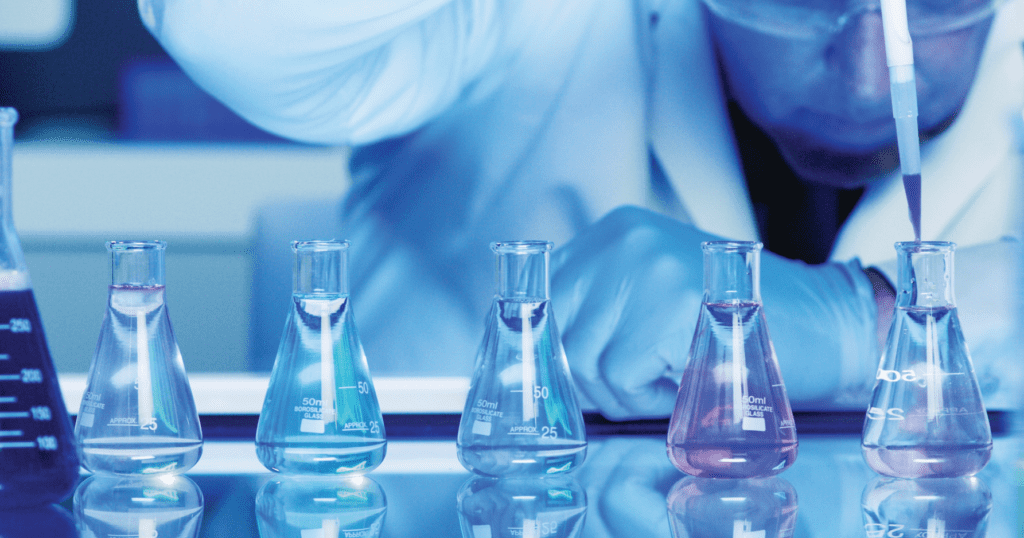
While DNA and digital tools often grab the headlines, the broader field of forensic science encompasses a variety of essential subfields that remain central to Indian investigations. Forensic toxicology, for example, is foundational in cases involving poisoning, suicide, domestic violence, accidental exposure, and agricultural chemicals. Toxicology examines biological samples to detect the presence of drugs and toxins. However, the interpretation of these findings is critical: the mere presence of a substance does not establish a cause of death without considering the dose, metabolism, timing, and interactions within the body.
For initial screening at the scene of a crime, Indian investigators often rely on antibody-based rapid identification kits. These portable kits are widely used to screen for blood, semen, saliva, narcotics, explosive residues, and selected poisons. While these tests do not provide final, absolute proof in a court of law, their true value lies in ‘triage’. They help investigators decide which samples to prioritise, how to preserve them, and which detailed confirmatory analyses to request from the central laboratories. Their portability makes them a staple of mobile forensic labs that can reach remote villages and urban centers alike.
Equally foundational are the physical sciences of fingerprints, toolmarks, and ballistics. Latent fingerprints often provide the fastest leads in an investigation, while microscopic marks left on bullets, cartridge cases, or damaged surfaces can link a specific weapon or tool to a crime. This is why the ‘Science of Restraint’ is so important for the ordinary citizen. In cases of theft or burglary, homeowners must resist the urge to touch door handles, broken locks, cupboards, switches, or scattered objects. Touching these surfaces can erase delicate fingerprints and trace evidence. Even cleaning a scene— out of distress, grief, or a misplaced sense of order—often removes hair, fibres, or toolmarks that could have linked a suspect to the act.
THE ACCOUNTABILITY OF JUSTICE: BSA 2023
This technological and scientific progress is being codified into India’s new legal framework, the Bharatiya Sakshya Adhiniyam, 2023 (BSA). Replacing the colonial-era Evidence Act, the BSA represents a paradigm shift that mandates the videography of crime scenes for serious offenses, ensuring that the ‘first look’ at a scene is digitally preserved for eternity. This move reduces the chances of evidence being tampered with and brings transparency to the very first steps of an investigation.
However, science is only as good as the ‘Chain of Custody’—the documented history of who handled the evidence. A landmark 2025 judgment by the Supreme Court of India has brought a new level of accountability to this process. The Court ruled that for forensic evidence to be admissible, its journey must be flawless. Crucially, the Court clarified that the Investigating Officer (IO) is personally answerable for the chain of custody. If a sample is not tracked, secured, and documented from the moment of collection at the crime scene to the moment it reaches the laboratory, science fails in the eyes of the law. This ensures that the integrity of Indian science is matched by the accountability and professional conduct of Indian policing.
A SHARED FORENSIC FUTURE
India stands at a pivotal moment, merging the legacy of pioneers like Dr Lalji Singh with the future of AI, rapid molecular biology, and rigorous legal standards. Forensic science is not function in isolation. Its effectiveness depends on how evidence is treated in the earliest moments after an incident—often by ordinary citizens. Every preserved garment, untouched surface, original recording, and timely report strengthens the chain of justice.
Justice rarely announces itself loudly. More often, it emerges quietly—from fingerprints, skin cells, toxins, timestamps, and unedited videos. Forensic science gives these silent traces a voice. By building more mobile labs, training our first responders in the ‘Science of Restraint’, and holding our officers accountable for the chain of evidence, we are building a more efficient and transparent justice system. Through the quiet, diligent work of fingerprints, pixels, and DNA, justice in India is becoming more certain, more scientific, and more Indian than ever before. It is a journey from the visible to the invisible, ensuring that no crime is truly hidden and no truth is truly lost.
*The writer is Associate Professor, Department of Forensic Science, Panjab University, Chandigarh. He can be reached at jagdishrai@pu.ac.in