





Since my childhood, whenever I got hurt, Dadi maa would always give me milk fortified with turmeric and cow ghee (clarified butter from cow milk) and say, ‘haldi wala garam doodh pi le subah tak tu thik ho jayegi’ (take turmeric infused milk, you will get better by morning). With poor digestion and bad eating habits just like every second child my age, I suffered a lot with unbearable stomachache which evanesced with jadui churan, ‘made by rubbing jeera, ajwain seeds, baking soda and salt with a drop of desi ghee. Faster than the pain killer, Pudin Hara used to settle down my stomachache. At that time, I thought these were just some of the magical things from my grandma’s pitara. But today, science is finally catching up with grandma’s wisdom. In a world dominated by pills and prescriptions, a quiet revolution is happening where we discover the presence of a medical store right in our kitchens. Welcome to the world of functional foods and nutraceuticals, where ingredients of food emphasise their significance as therapeutic wonders for your health.
FOSHU, FUNCTIONAL FOODS & NUTRACEUTICALS
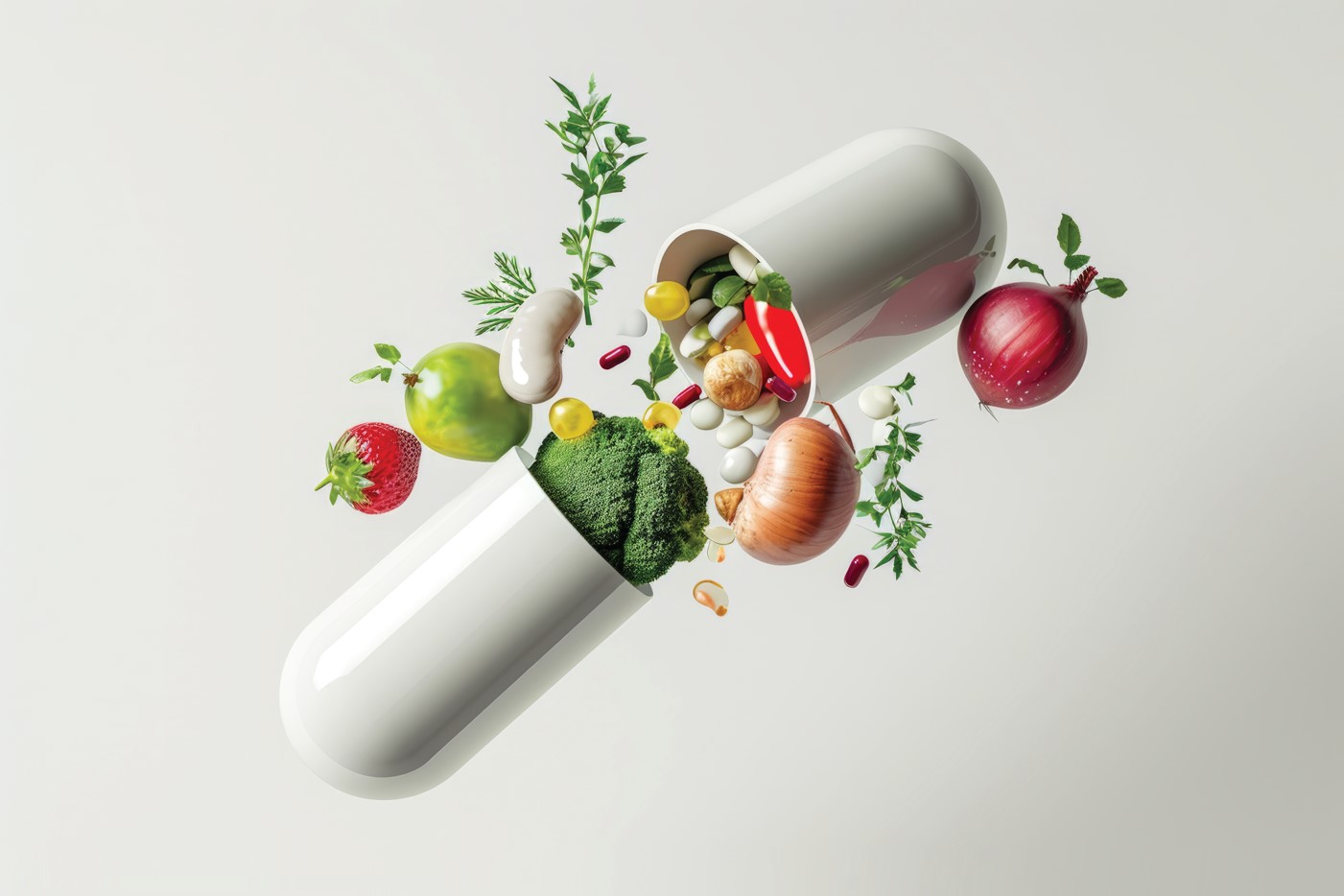
First, let us discuss what are ‘Functional Foods and Nutraceuticals’? Imagine biting into a juicy pomegranate not just for its taste but also for its ability to fight inflammation, enhance hemoglobin level and improve your heart health. That’s a functional food, something you eat as part of your daily diet that gives you health benefits beyond basic nutrition. Functional foods are whole or fortified foods that help reduce disease risk.
Now picture that same pomegranate turned into a concentrated capsule, standardised for its antioxidant content. That’s a nutraceutical or a supplement derived from food that works more like medicine. Nutraceuticals are food extracts or compounds taken in pill or powder form to treat or prevent illnesses.
The term ‘functional foods’ originated in Japan in the 1980s as ‘Foods for Specified Health Use’ (FOSHU), and since then has become a global concept. And the food is considered not just for nourishment only but tools of preventive healthcare.
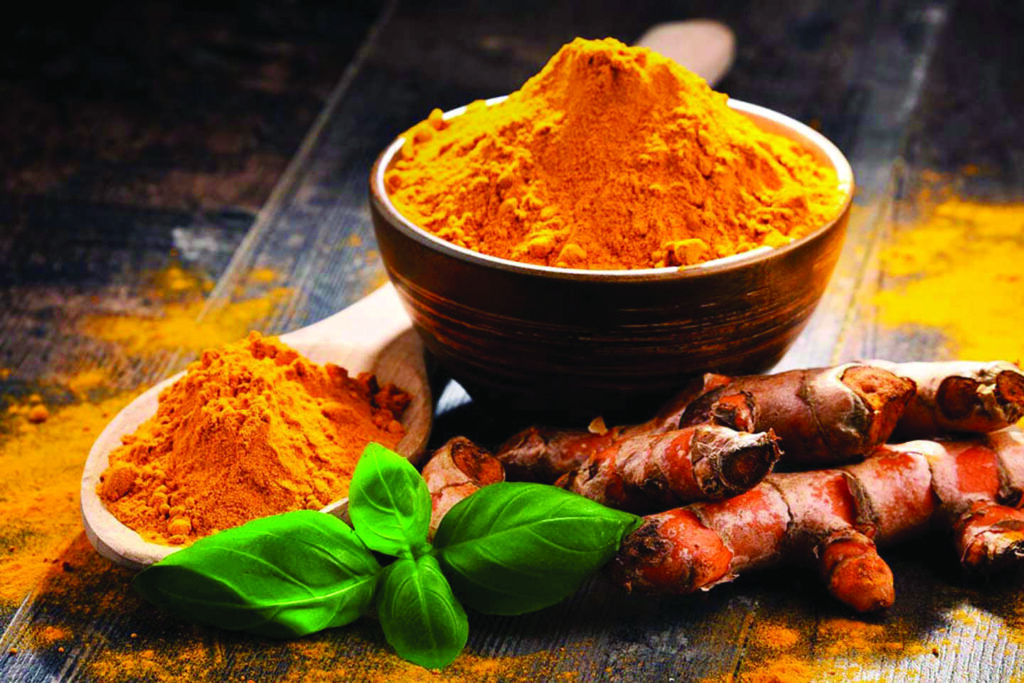
Image Courtesy: Pixabay
The relationship between food and health has long been a subject of human interest. Be it the mention in Kashyap Samhita or by Hippocrates (for example). We all want to be healthy because, ‘aarogyam paramam bhagyam svasthyam sarvarthasadhanam’ (Health is the supreme fortune, health is the means of all purposes).
Historically speaking, functional foods have existed since ages. Primitive knowledge transferred through generations is now being validated in labs, thereby finding ‘science in every bite and sip in our meals’. Long before scientific journals, people turned to food for healing, which they forgot in the race of modernisation. In Kashyap Samhita (KS Khi 5.9) it is mentioned that ‘health is based on what we eat and how we prepare the meal’.
aarogyam bhojanadhitam bhojyam vidhimvegyate ( KS Khi 5.9)
Similarly in the modern medicinal system too, Hippocrates, the father of modern medical science mentioned: ‘Let food be thy medicine’. In this age of lifestyle-related disorders such as obesity, diabetes, cardiovascular diseases, and cancers, functional foods hold promise as dietary interventions for better public health outcomes.
With time, we forgot the essence of ancient remedies like garlic, honey, and various herbs, the original functional foods. Fast forward to today: Scientists are validating these age-old practices with modern research. What once was folklore has become the front-page news in medical journals. According to the International Food Information Council (IFIC), functional foods provide health benefits beyond basic nutrition when consumed as part of a regular diet, due to the presence of therapeutically active components like immune boosters, antioxidants, probiotics, prebiotics, polyphenols, fiber, and omega-3 fatty acids. Functional foods are classified as natural, fortified, enriched and modified.
Now let us meet the therapeutic wonders in our pantry, which received significant attention during COVID-19, when home remedies with immunity boosting and anti-infective properties (lavang, honey, ginger, chayavanprash, turmeric milk) were prescribed. The multiple therapeutic benefits of turmeric are well recognised in various scientific studies. It is gold for health. Don’t you believe this? Just not kidding, ‘pratyaksham kim pramanan’. Please type ‘Indian Solid Gold’ in Google, really give it a try, and see what you find. After the images of gold jewellery, scientific reports on ‘Curcumin: The Indian Solid Gold’ are displayed. Yes, it is ‘gold for health’.
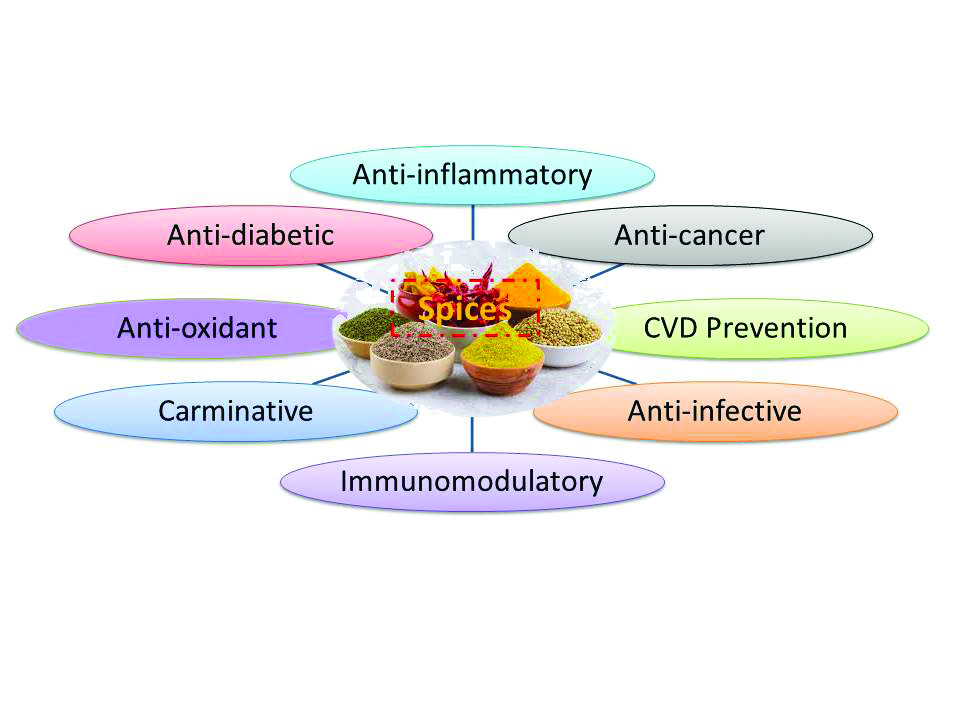
Curcumin, an active ingredient of turmeric, possesses anti-inflammatory, anti-cancer, anti-infective, anti-periodontitis, anti-gingivitis and other medicinal properties. Because of its versatile pharmacological activities, turmeric is an important ingredient in toothpaste, cosmetics (soaps, face creams), etc. Golden milk is marketed in tetra packs. Ginger has shown profound anti-nausea effects on patients after surgery as that of ondansetron (an allopathic medicine). Black pepper is described as ‘Black Gold’. It enhances the effect of curcumin by synergistic action. Similar reports on honey, green tea, ginger, lavang, garlic, coriander, mint, cumin, asafoetida, fenugreek, carom, cinnamon and numerous others can’t be ignored.
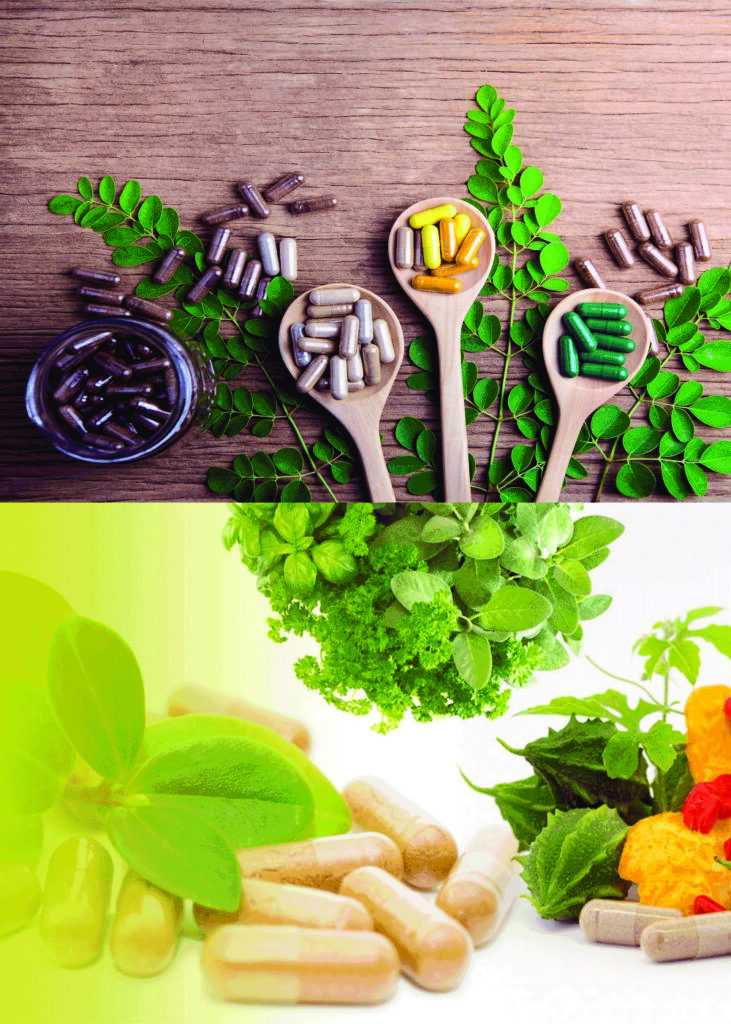
Formulations also play an important role. The same turmeric acting as anti-infections agent is active in different formulations than as an anti-inflammatory. For cosmetic purposes, the formulation is different. To have its benefits as an anti-periodontitis agent or anti-gingivitis agent the formulation has to be done accordingly. Adding turmeric to milk is fortification, whereas curcumin capsules become nutraceuticals.
Not restricting discussion to the world of spices; grains, pulses, vegetables, fruits (fresh and dry), probiotics, in the kitchen all have magical therapeutic power and are functional foods. They contain chemical compounds called the dravyas which act as warriors and fight against oxidation, inflammation, cancer, cardiovascular disease, diabetes and infection etc.
Considering ‘nasti mulamanaushadham’ (vegetable without medicinal benefit), it is difficult to discuss every eatable. So, the discussion is restrained to one or two examples in each category to have an idea of functional food for various manageable diseases.
The beans, in addition to nutritional benefits, are great sources of B-complex, potassium, and fiber, which promote digestive health and relieve constipation; contain saponins reported to protect the human body against cancers, lower cholesterol, and lower blood glucose responses. Similarly, soy’s phytoestrogens class isoflavones (daidzein and genistein), play a role in prevention of prostate cancer and improve bone health.
The berries, one of the nation’s most wanted superfoods, because of commercials and influence of the West, are loaded with phytochemicals (vitamin C, ellagic acid and quercetin, for example) that have oxygen radical absorptive capacity along with potassium and fibre. Most berries such as blueberries, strawberries, raspberries, blackberries, cranberries, mulberries and gooseberries have the potential to reduce cancer rates (block the initiation of carcinogenesis, suppress progression and proliferation of tumors), lower one’s risk of heart disease and inhibit inflammatory enzymes. However, one must remain aware about the sugar content used in the preservation of berries. Please select the fresh ones over preserved ones.
Citrus fruits contain phytochemicals called flavonoids like hesperidin, an anti-inflammatory agent that blocks an enzyme involved in an inflammatory reaction for the release of histamine. Research has shown that citrus flavonoids and their metabolites are potent antioxidants. It is believed that they are able to suppress many of the events of cancer and inflammation which involve reactive oxygen species. Some of the flavonoids found in tangerines and oranges are the most potent cancer fighting compounds, particularly against lung and prostate cancer cells.
Among the vegetables, for example carrot and spinach possess beta carotene and haem porphyrin, which are good for eyes and haemoglobin respectively. Cabbage and broccoli possess glucosinolates along with potassium, folic acid, and fiber, which are good to reduce the risk of cancer of the lung, stomach, colon, and rectum.
The scientific literature on fibre rich diets indicates the prevention of colon cancer. Lowering of cholesterol with flex, almonds and pumpkin seeds with rich sources of the omega-3 fatty acid and alpha-linolenic acid along with various minerals is reported along with anti-osteoporotic and anti-arthritic properties of sesame and walnut. There is strong evidence of alpha-linolenic acid in the prevention of cardiovascular disease. Whether to eat dry fruits after roasting or soaking is another issue.
Curd, chaach, lassi like probiotics rich in calcium, magnesium, vitamin B complex etc. have a commercial medicinal substitute as Yakult. Probiotics in yogurt balance gut bacteria, improving digestion, immunity, and mental clarity.
THE SCIENCE OF THERAPEUTIC EFFECTS AND INCLUSIVITY IN TREATMENTS
Science is now catching up with thousands of studies that are validating the health benefits of functional foods and nutraceuticals, which are packed with antioxidants, anti-inflammatory anti-infectious ingredients. However, while some benefits are well-established, others require further investigation. The variability in bioavailability, dosage, and long-term effects necessitates cautious optimisation.
Hospitals and clinics are beginning to embrace food as part of therapy. Dietitians are working alongside doctors to recommend functional foods for conditions like diabetes, high cholesterol, and arthritis. In countries like Japan, ‘Foods for Specified Health Uses’ are regulated just like medicines. Scientists are also developing next-gen nutraceuticals using nanotechnology to make them more absorbable and effective. Functional foods and nutraceuticals have made their way fromKitchen to Clinic leading to a ‘Changing Healthcare Landscape’.
Even global food giants are creating fortified foods—think of breakfast cereals with added vitamins, or energy bars with plant protein as per commercials.
Those interested in Scientific Evidence and Efficacy can further opt to read meta-analysis published in The American Journal of Clinical Nutrition which confirmed that soluble fibers reduce total and LDL cholesterol levels. Research in The Lancet linked probiotic intake with reduced incidence of antibiotic-associated diarrhea. Clinical trials indicate that soy protein reduces serum cholesterol and may protect against breast and prostate cancers… much more scientific literature is available.
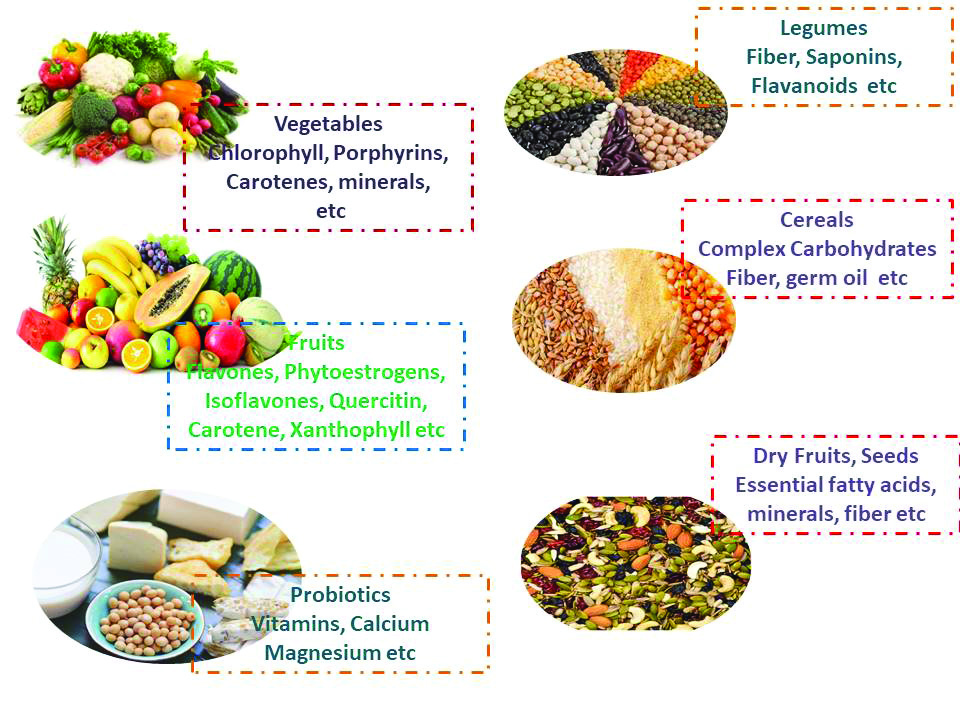
Cardiovascular diseases are manageable with foods rich in omega-3, fibre, and antioxidants which improve lipid profiles and reduce inflammation, thus lowering the risk of heart attacks and strokes, whereas for Diabetes Mellitus, complex carbohydrates like whole grains, legumes, and fenugreek help regulate blood sugar and improve insulin sensitivity. The relation of oxidative stress with cancer lays emphasis on the increased intake of Phytochemicals such as sulforaphane, lycopene, beta carotene, and polyphenols which show promising anti-carcinogenic properties. Spices are good to control inflammation and mild infection. For gut health, probiotic and prebiotic foods are considered to strengthen immunity by improving nutrient absorption, immune modulation, and mental health through the gut-brain axis.
Your kitchen is a medicine chest and a key to good health. By embracing functional foods and nutraceuticals, you’re not just eating, instead you’re healing. Whether it is a bowl of probiotic-rich yogurt, a cup of turmeric milk, green tea, or a handful of berries, fresh fruits, vegetables and salad, each bite is a step toward better health. It’s time we saw food not just as fuel, but as one of the most powerful tools for lifelong wellness.
Grandma’s nuskhe were right all along, now science validates and FDA approves.
Have a healthy life!!!
*The writer is a Professor in the Department of Chemistry, Kurukshetra University, Kurukshetra, and believes in the holistic way of teaching and has a strong inclination towards Indian Traditional Knowledge.