

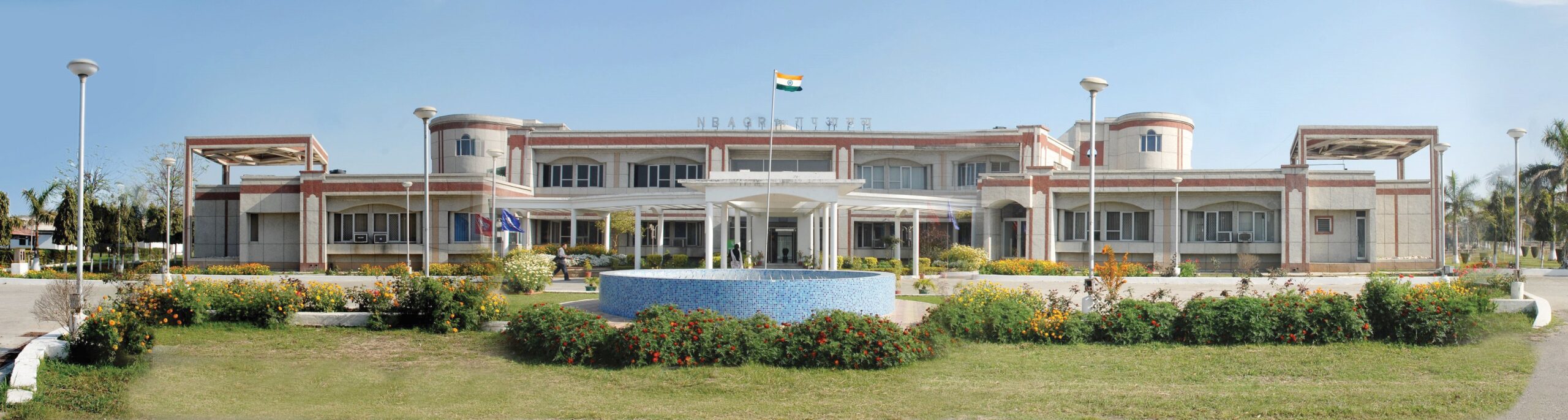
IN FOCUS: ICAR-NBAGR, KARNAL
From its humble beginnings, the ICAR-NBAGR (Indian Council of Agricultural Research-National Bureau of AnimalGenetic Resources) has emerged as a leader in the management of animal genetic resources, identifying unique genetic characteristics of indigenous animals for their sustainable conservation and utilisation for generations to come.
India possesses a vast Animal Genetic Resource (AnGR) diversity distributed over a large range of geographical, ecological and climatic regions with 536.8 million livestock and 851.8 million poultry. Diverse animal species like zebu cattle, riverine buffalo, swamp buffalo, sheep, goat, pig, horse, donkey, camel, yak, mithun, chicken, duck and geese have natively inhabited the region for centuries. ICAR-NBAGR, under the auspices of Indian Council of Agricultural Research, an autonomous body under the Department of Agricultural Research, Ministry of Agriculture and Farmers Welfare, Government of India, is the nodal agency for managing Animal Genetic Resources in India with a mission to protect and conserve indigenous Farm Animal Genetic Resources for sustainable utilisation and livelihood security. The vision of the bureau is ‘Striving for excellence in innovative research to identify genetic potential of indigenous livestock for improvement and conservation’ and is the designated agency for registration of animal germplasm in the country.
HISTORICAL BACKGROUND AND EVOLUTION
Realising the unique significance of tropical animal and poultry genetic resources and their potential utilisation at global level, a need was felt for an organisation which could undertake the responsibility of evaluating, certifying and conserving the rich and varied germplasm resources available in the country. ICAR-NBAGR initially comprised National Bureau ofAnimal Genetic Resources and the Institute of Animal Genetics and was established on 21 September 1984. Subsequently, in 1995, the National Bureau of Animal Genetic Resources and National Institute of Animal Genetics were merged to be known as the National Bureau of Animal Genetic Resources. Presently, the institute has three divisions, namely Animal Genetic Resources, Animal Genetics and Animal Biotechnology with defined research work allocation. Additionally, ICAR-NBAGR has National Gene Bank for cryopreservation of germplasm of native breeds, functional groups for conducting surveys in various states and regions and Breed Registration Cell for registering the breeds and other germplasm in the country.
MANDATE AND FOCUS
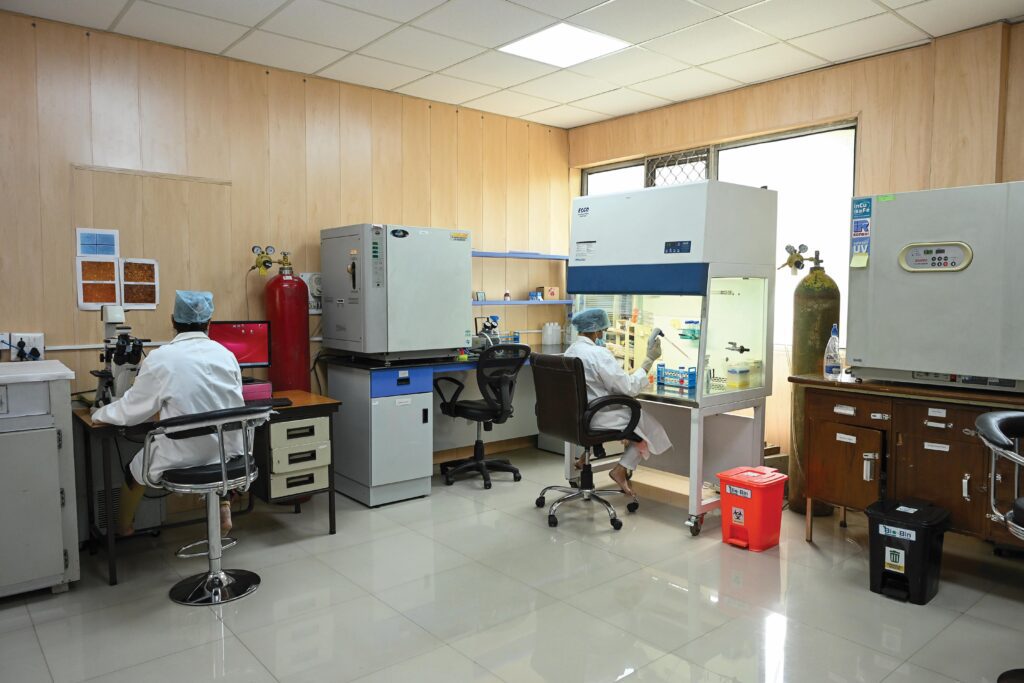
The ICAR-NBAGR functions with the mandate of: 1. Identification, evaluation, characterisation, conservation and utilisation of livestock and poultry genetic resources of the country; and 2. Coordination and capacity building in animal genetic resources management and policy issues.
The bureau undertakes a number of activities including conducting surveys to explore and characterise new potential populations, document and register qualifying populations; prioritise and conserve indigenous breeds, identify unique traits, evaluate and promote sustainable utilisation. The bureau collaborates with various central and state government departments, universities, national and international organisations, National Biodiversity Authority, livestock keepers, farmers, NGOs, livestock breeder organisations, and networks with students from schools, colleges and general public for promoting conservation and management of AnGR.
CHARACTERISATION AND REGISTRATION OF INDIGENOUS AnGR
The institute is involved in the characterisation and documentation of indigenous Animal Genetic Resources (AnGR) and further registering new breeds in the country. Initially, 129 known breeds of livestock and poultry were registered as extant breeds in 2008, and simultaneously, the process for registration of new breeds was initiated.
Later, 100 new indigenous breeds were added and the number stands at 229 as on date, which includes 53 cattle, 21 buffalo, 41 goat, 46 sheep, 8 horses & ponies, 9 camel, 15 pig, 4 donkey, 5 dog, 2 yak, 20 chicken, 4 duck, and 1 geese. The registered breeds are notified through Official Gazette published by the Government of India, providing statutory recognition, protection and sovereign rights over the native germplasm specific to the country.
Presently, all the 229 registered breeds have been notified and recognised for purposes of animal husbandry, production, breeding, conservation, utilisation, consumption and trade in India. The registration of breeds provides due recognition and benefits livestock keepers and diverse communities rearing animals across the country. Similarly, one synthetic cattle breed and 2 chicken lines were also registered by the Bureau and notified through the gazette.
Registration of new breeds paved the way for planning of breeding policy and programmes for their development by the central and state governments. Through registration, almost 50 percent livestock has come now under descript category and has led to the inclusion of 219 indigenous breeds of livestock and poultry in 21st Livestock Census (2024) conducted by the DAHD (Department of Animal Husbandry and Dairying), Government of India.
India’s AnGR management framework is the largest in the world with one of the highest numbers of indigenous livestock breeds in the world. India remains the country with the highest number of new of indigenous breeds explored and recognised. The animal Breed Registration System and Gazette notification are unique and represent a sui generis system. ICAR-NBAGR is the Nodal Point for the FAO and involved in preparation of Country Reports on AnGR.
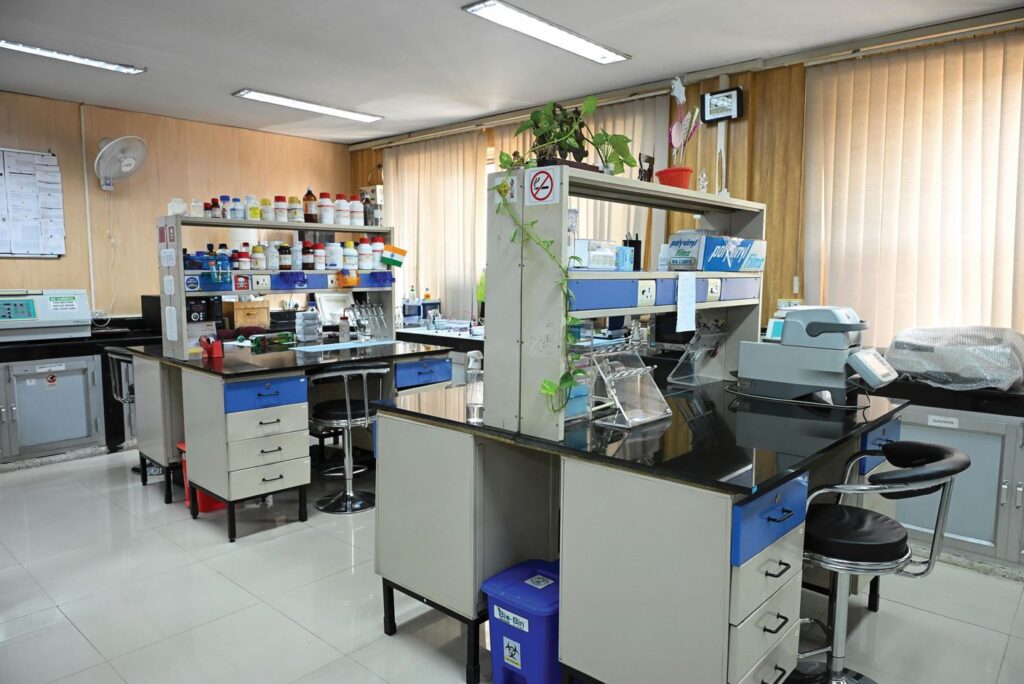
In 2021, ICAR-NBAGR initiated a mission towards Zero Non-Descript AnGR of India for mapping and describing entire animal genetic resource of the country.
The mission engages various stakeholders including Animal Husbandry Departments, State Agricultural/Veterinary Universities, Livestock Development Boards/Biodiversity Boards/ NGOs of the states to sensitise them for documentation of AnGR in the respective states.
Identification of around 60 potential populations and documentation of indigenous AnGR diversity, production system, and traditional knowledge of ethno-veterinary practices across the country are currently being undertaken in the mission.
CONSERVATION OF INDIGENOUS GERMPLASM
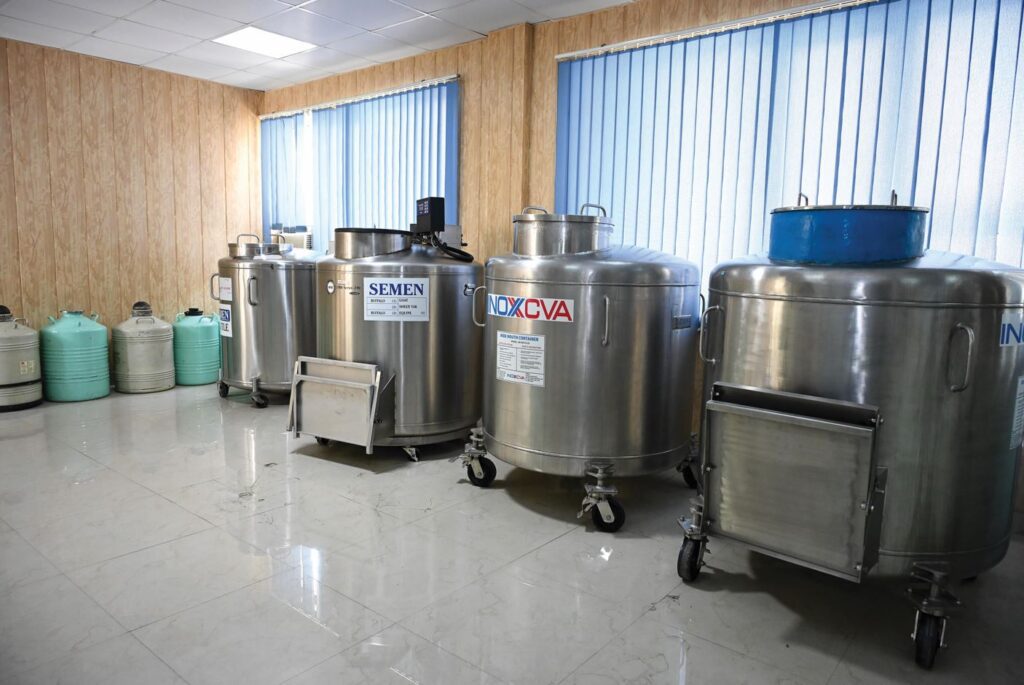
ICAR-NBAGR has prepared a breed watch list based on livestock census and FAO guidelines to identify the status of endangerment of each registered breed. As part of its efforts for ex situ conservation, the bureau has cryopreserved the indigenous germplasm in the form of semen and somatic cells at the National Gene Bank. Till date, about 3.2 lakh semen doses from 63 breeds and somatic cell vials of 136 breeds/populations have been cryopreserved. Cryopreservation of indigenous AnGR germplasm for medium- and long-term conservation contributes to fulfilling the SDG National Indicator 2.5.1 of the country. Identification of 38 indigenous breeds at risk fulfils the SDG National Indicator 2.5.2 and further conservation of 33 breeds, including in situ conservation of critical breeds. The bureau has also conserved 17 indigenous breeds, in their native tracts by involving livestock keepers and stakeholders under the Network Program on AnGR spread across 33 centres in the country. The bureau encourages AnGR conservation efforts of the farmers and pastoralists by bestowing them with various conservation awards. Bureau also works in the formulation of policy planning for AnGR development, helps various central and state-line departments and organisations in this task and is the nodal point for FAO’s Domestic Animal Diversity-Information System (DAD-IS).
ANALYSING GENETIC DIVERSITY OF NATIVE AnGR
The bureau is assessing genetic diversity in native AnGR and identifying unique traits of native AnGR. Omics-based trait characterisation for climatic adaptation, heat/ cold tolerance in native cattle, buffalo, goat, and sheep breeds and identification of unique characteristics in animal products are important research initiatives undertaken by the ICAR-NBAGR.
Trait characterisation for milk (Sahiwal), colostrum (cattle and yak of Ladakh), curd (Chilika buffalo), Meat (Mandya sheep and Kadaknath chicken) and heat/cold tolerance (Sahiwal, Ladakhi cattle, Murrah buffalo) has also contributed to filing applications for possible recognition of specific products from indigenous germplasm as geographical indication. Studies on indigenous cattle breeds from alpine regions have identified distinct transcriptome signatures unique for high altitude adaptation, specifically to hypoxia.
ICAR-NBAGR supports policy and programmes for AnGR development for Central and State Animal Husbandry Departments. DAHD, Government of India, has established the National Bovine Genomic Centre for Indigenous Breeds (NBGC-IB) for genomic selection in indigenous cattle and buffalo breeds. The Bureau has collaborated with other organisations for development of unified SNP chip of indigenous cattle (Gau chip) and buffalo (Mahish chip) intended for genomic selection, which were released by the Prime Minister Narendra Modi in 2024.
CAPACITY BUILDING ON AnGR AND GENETIC TESTING SERVICES
The bureau conducts training and capacity building programmes for officers of state animal husbandry departments/SAUs/SVUs for AnGR management in the country. ICAR-NBAGR trained around 800 state /district nodal officers of 36 states/UTs and supported DAHD for conducting breed-wise livestock census in the country in 2024. The bureau is actively involved in creating awareness about indigenous livestock, their upkeep and conservation through interactions with farmers during visits to the breeding tracts. Recently, the bureau has initiated a specialised Post-graduate Diploma course in Animal Genetic Resource Management in collaboration with ICAR-Indian Veterinary Research Institute, Bareilly (UP).
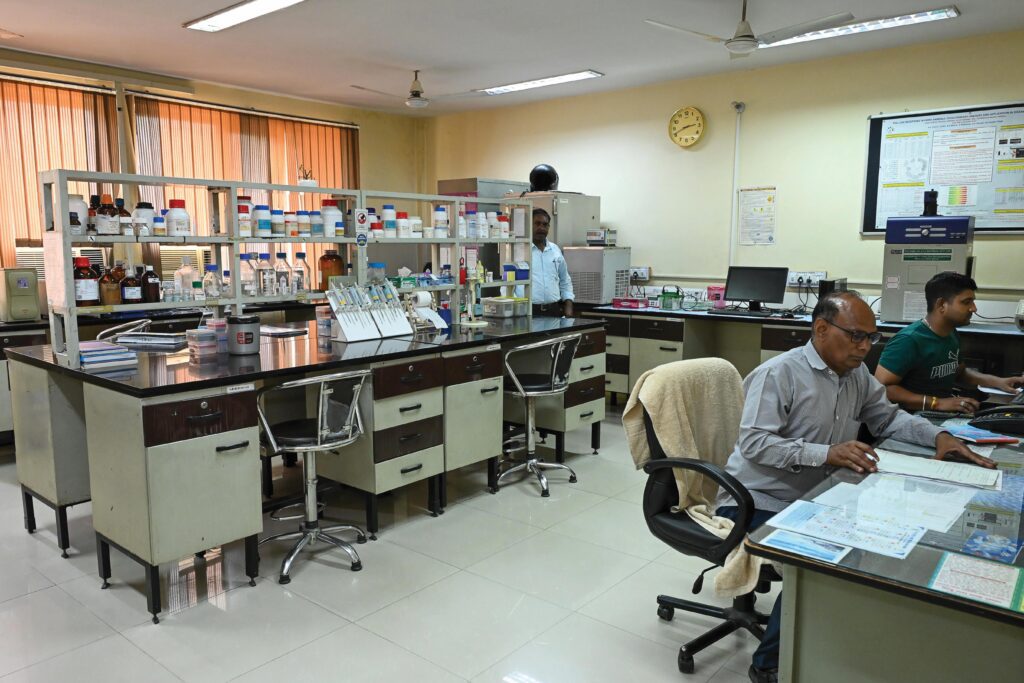
The bureau offers services for genetic testing of A1/A2 milk and genetic diseases in breeding bulls through an NABL accredited laboratory to the central/ state agencies; about 2500 breeding bulls intended for semen production were screened for genetic diseases.
CHALLENGES AND THE WAY FORWARD
In spite of the efforts, the present proportion of total population and the number of breeds seems to be skewed, as the country reflects only around 4 percent of total breeds against 10 percent of total livestock in the world. Around 54 percent of the country’s livestock population is yet to be identified in the form of breeds. Registration of new breeds during the last decade has put more than 25 million livestock and poultry into the descript category in the country. There are large proportions of mixed populations that do not conform to any breed due to non-homogeneity in population, and/or cross breeding and other demographic factors.
Despite large genetic diversity and possessing climate resilience traits, low productivity, utilization of few breeds for improving the production, fading utility of many minor species like horse, donkey, camel and some draught breeds of cattle are areas of concern. With changing social, agricultural and economic scenarios, some of the important breeds and even species are losing their utility, thus directly affecting their population size and structure.
Several new populations of native livestock and poultry have been identified that are being characterised in their respective breeding tracts across the country.
ICAR-NBAGR will persist with the genetic characterisation of important traits of indigenous breeds, thermotolerance and adaptability, identification of important biomolecules, genome studies, integration of molecular genetic markers with conventional strategies for conserving the rich biodiversity, utilisation of data for genomic selection for animal improvement and application of Artificial Intelligence and Machine Learning based tools for breed identification and better AnGR management.
Animal identification and traceability have become important for the origin of animal based products, especially for export of animal products. Besides, it is important to keep a watch on animal movement during sale, migration, pastoralism, and animal trafficking to check biopiracy. The ICAR-NBAGR will continue its journey towards further excellence and contribute towards management of AnGR in the country for the conservation and sustainable utilisation of livestock wealth for mankind and generations to come.
For more information and details on AnGR management, research and the services offered, please visit the website, www.nbagr.res.in.
*Dr NH Mohan is the Director, ICAR-NBAGR, and Dr Saket Kumar Niranjan is a Principal Scientist (AG&B) in the Animal Genetics Division of ICAR-NBAGR.