

HERB HERITAGE: SHILAJATU (SHILAJIT)
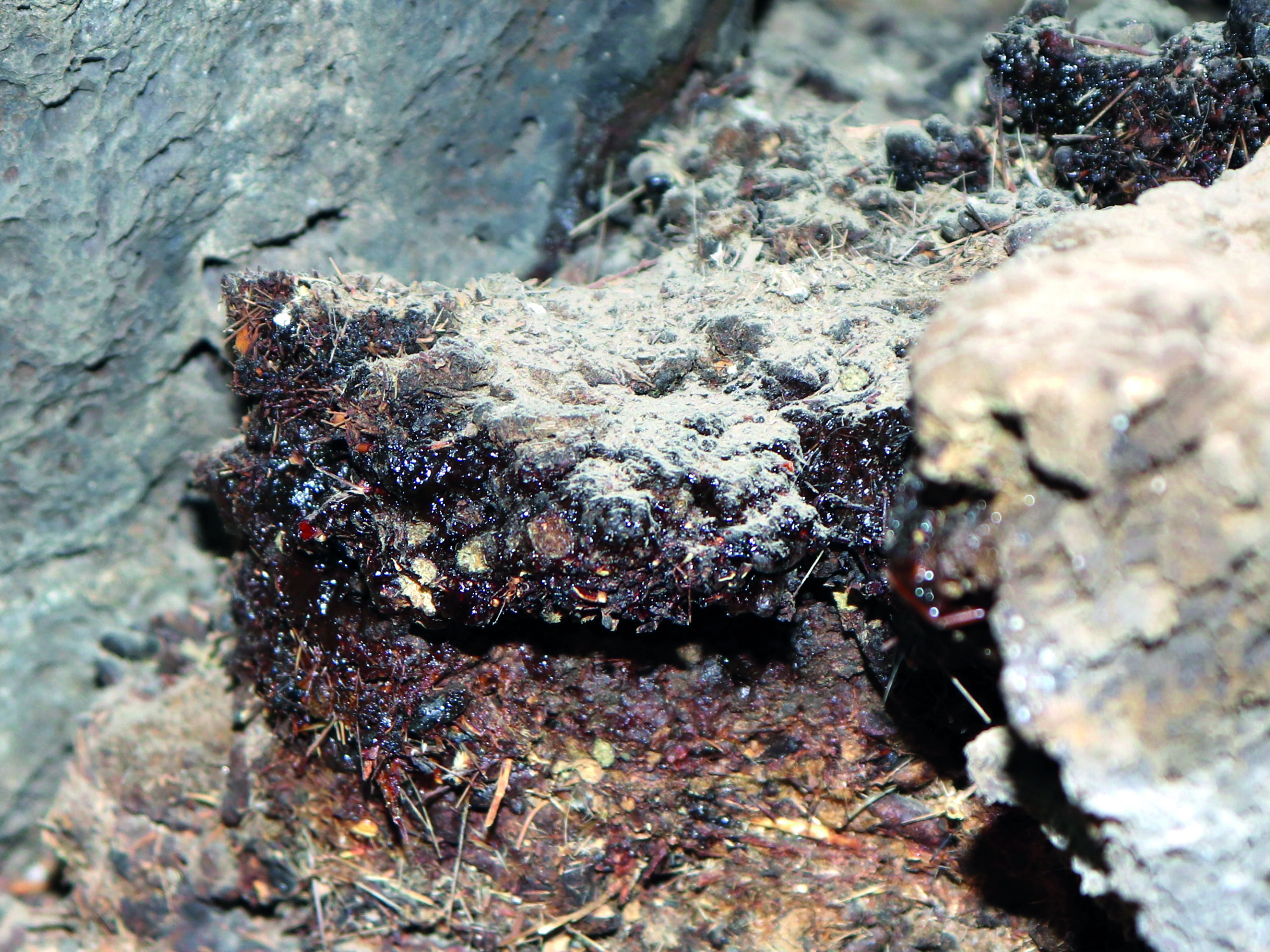
Among the many remarkable substances described in Ayurveda, Shilajatu—popularly known today as Shilajit—occupies a place of exceptional reverence. Classified as a Rasayana dravya (rejuvenative substance), Shilajatu is neither a simple herb nor a mineral in isolation. It is a complex, naturally occurring bioactive exudate that emerges from rock crevices of high mountain ranges, especially the Himalayas, during the warmer months.
In classical Ayurvedic texts, Shilajatu is celebrated as “destroyer of weakness and disease” and “promoter of longevity, intellect, and strength.” Modern interest in Shilajit has surged globally, often framed around testosterone, stamina, or fitness. However, Ayurveda offers a far deeper, holistic understanding—one rooted in dhatu nourishment, agni regulation and systemic rejuvenation.
The classical texts describe Shilajatu as a yogavahi—a substance that enhances the efficacy of other medicines by carrying them deep into tissues without losing its own potency. This property alone distinguishes it from most herbal drugs.
According to Charaka Samhita,
Shilajatu possesses:
- Rasa (Taste): Tikta (bitter), Katu (pungent)
- Guna (Qualities): Laghu (light), Ruksa (dry)
- Virya (Potency): Ushna (hot)
- Vipaka: Katu
- Dosha Karma: Tridoshahara (especially pacifies Vata and Kapha)
Charaka states:
“Shilajatum yogavahi, sarva-vyadhi-vinashanam |
Vayah sthapanam medhyam balyam pushtikaram param ||” (Charaka Samhita, Chikitsasthana 1)
Translation:
“Shilajatu is a yogavahi that destroys diseases, stabilizes age, enhances intellect, strength, and nourishment.”
This single verse encapsulates its role as a Rasayana—not merely symptomatic relief, but restoration of vitality and resilience.
ORIGINS AND NATURE: A SUBSTANCE BORN OF TIME
Ayurvedic scholars recognised Shilajatu as a product of long-term geological and biological transformation. It is described as the essence of plant matter compressed and transformed over centuries within mountain rocks—symbolically representing time, pressure and natural alchemy.
This aligns remarkably with modern findings, which identify Shilajit as rich in fulvic acid, humic substances, trace minerals and bioactive compounds. Ayurveda, however, understood this complexity intuitively—recognising Shilajatu as a samyoga dravya (compound substance) rather than a single entity.
IMPORTANCE OF PURIFICATION AND AUTHENTICITY
A critical aspect emphasised in classical texts is shodhana (purification). Raw or improperly processed Shilajatu is considered unsuitable for therapeutic use. This caution is especially relevant today, given widespread commercial availability.
HOW TO ASSESS THE PURITY OF SHILAJATU (PUBLIC AWARENESS)
While laboratory analysis remains the gold standard, Ayurveda and traditional knowledge systems describe certain observational indicators that may help identify authenticity:
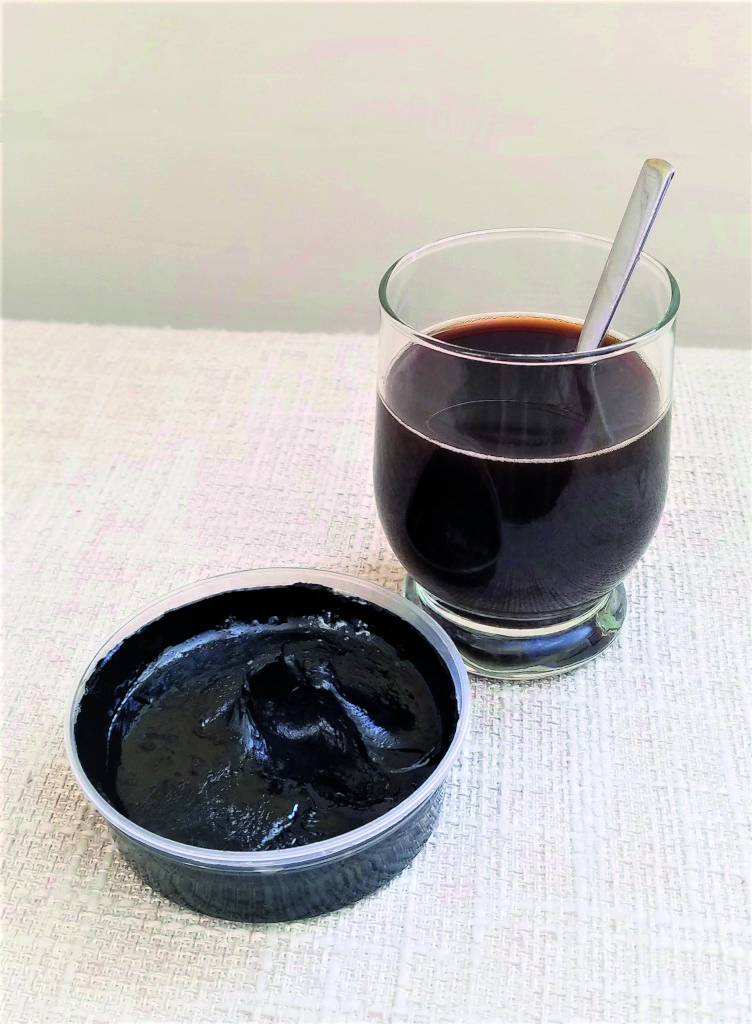
- Solubility test: Pure Shilajatu dissolves completely in warm water, imparting a brownish-golden hue without leaving gritty residue.
- Heat response: When gently warmed, it softens and becomes pliable rather than burning or producing fumes.
- Taste and smell: It has a bitter, slightly pungent taste and an earthy odour—not sweet or perfumed.
- Residue check: Ash content after combustion should be minimal, indicating low contamination with soil or fillers.
These indicators are not substitutes for quality control testing but serve as preliminary checks for consumers and practitioners.
ROLE IN DHATU POSHANA (TISSUE NOURISHMENT)
Shilajatu’s therapeutic brilliance lies in its ability to nourish all seven dhatus, particularly:
- Rasa & Rakta: Improves nutrient assimilation and circulation
- Mamsa & Meda: Supports muscle tone and metabolic balance
- Asthi & Majja: Strengthens bones and nervous tissue
- Shukra: Enhances reproductive vitality and ojas
This makes Shilajatu invaluable in conditions of chronic fatigue, premature ageing, infertility, osteoporosis and neurodegenerative states—conditions Ayurveda attributes to dhatu ksaya rather than isolated pathology.
SHILAJATU IN RASAYANA THERAPY
In Rasayana chikitsa, Shilajatu is recommended both as a standalone rejuvenative and as an anupana (adjuvant) with herbs like Ashvagandha, Gokshura, or Amrita.
Sushruta mentions:
“Na rogo jayate tasya, na jara na ca klamah”
“One who consumes properly purified Shilajatu does not succumb easily to disease, ageing, or exhaustion.”
Importantly, the texts emphasize shodhana (purification). Unpurified Shilajatu is considered toxic and unsuitable for consumption—an often-overlooked warning in today’s supplement-driven marketplace.
INDICATIONS IN CLASSICAL AYURVEDA
Ayurveda prescribes Shilajatu in a wide spectrum of conditions:
- Prameha (metabolic disorders, including diabetes)
- Kshaya and Daurbalya (emaciation and weakness)
- Vata-vyadhi (neuromuscular disorders)
- Mutrakrcchra (urinary disorders)
- Medha-kshaya (cognitive decline)
Notably, Charaka places Shilajatu among the foremost drugs for Prameha, indicating its role in improving dhatu agni rather than merely reducing blood/ urine sugar levels.
SHILAJATU AND DHATU-LEVEL ACTION
Unlike agents that act superficially, Shilajatu is believed to act at multiple tissue levels. Classical texts note its supportive role in strengthening rasa, rakta, mamsa, asthi, majja, and shukra dhatus. This multi-layered action explains its traditional use in chronic fatigue, metabolic disorders (prameha), neuromuscular weakness, and age-related degeneration.
Importantly, Ayurveda emphasises that Shilajatu works by improving dhatvagni—the metabolic mechanism of each tissue—rather than forcing physiological outcomes.
RELEVANCE IN MALE AND FEMALE HEALTH
While Shilajit is frequently marketed for male vitality, Ayurvedic literature does not restrict its benefits by gender. Its Rasayana action supports fundamental physiological processes relevant to both men and women.
In male health, Shilajatu is traditionally used to support shukra dhatu, contributing to reproductive vitality, physical endurance and recovery from debility.
In female health, its role is subtler but equally significant. By improving rasa and rakta dhatu, Shilajatu supports nutritional status, energy levels and resilience—particularly in states of chronic fatigue, post-illness weakness and age-related decline. Classical physicians also used it cautiously in conditions involving metabolic imbalance and bone health, recognizing its action on asthi and majja dhatus.
Ayurveda, however, strongly advises individualised prescription, especially in women with predominant pitta prakriti or inflammatory conditions.
RELEVANCE IN CONTEMPORARY TIMES
In an era marked by chronic stress, metabolic disease and premature ageing, Shilajatu offers an Ayurvedic lens to resilience—not as a stimulant, but as a systemic restorer. Its growing popularity should invite responsible integration, rooted in classical wisdom rather than commercial exaggeration.
Shilajatu reminds us that Ayurveda’s strength lies not in quick fixes, but in deep nourishment, balance and longevity. When understood in its true Ayurvedic context, it stands as a testament to how ancient sciences anticipated modern integrative health paradigms—quietly, comprehensively and sustainably.
A WORD OF CAUTION: CONTEXT MATTERS
Ayurveda never advocates indiscriminate use. Shilajatu is contraindicated in:
- Acute pitta disorders
- During high fever or active inflammation
- Without proper purification or medical supervision
Dose, anupana and patient constitution (prakriti) are crucial determinants of benefit.
Shilajatu stands as a reminder of Ayurveda’s sophisticated understanding of health—where longevity is not pursued through force but through balance, nourishment, and metabolic harmony. When interpreted through its classical framework and applied judiciously, it continues to offer insights relevant to modern health challenges.
Rather than viewing Shilajatu as a supplement trend, Ayurveda invites us to see it as a symbol of how traditional medical systems approached vitality—holistically, patiently, and with deep respect for nature’s processes.
*The writer is an Ayurveda physician, DST Woman Scientist A, AIIMS New Delhi, and founder of Pratha Ayurveda.