



HERB HERITAGE: ASHWAGANDHA
In an era marked by chronic psychosocial stress, metabolic dysregulation, declining cognitive resilience, and accelerated biological ageing, the search for interventions that restore systemic balance has intensified. Traditional medical systems, once viewed as largely empirical, are now being revisited through rigorous scientific inquiry. Among the most extensively studied medicinal plants from Ayurveda is Ashwagandha (Withania somnifera Dunal)—a classical Rasayana that is increasingly interpreted as an adaptogenic, neuroprotective, and immunomodulatory agent in modern biomedical terms.
Ashwagandha’s contemporary relevance lies not in replacing conventional therapeutics, but in offering a translational framework—where Ayurvedic principles of tissue nourishment, stress adaptation, and longevity intersect meaningfully with modern physiology, pharmacology, and systems biology.
BOTANICAL IDENTITY AND TRADITIONAL NOMENCLATURE
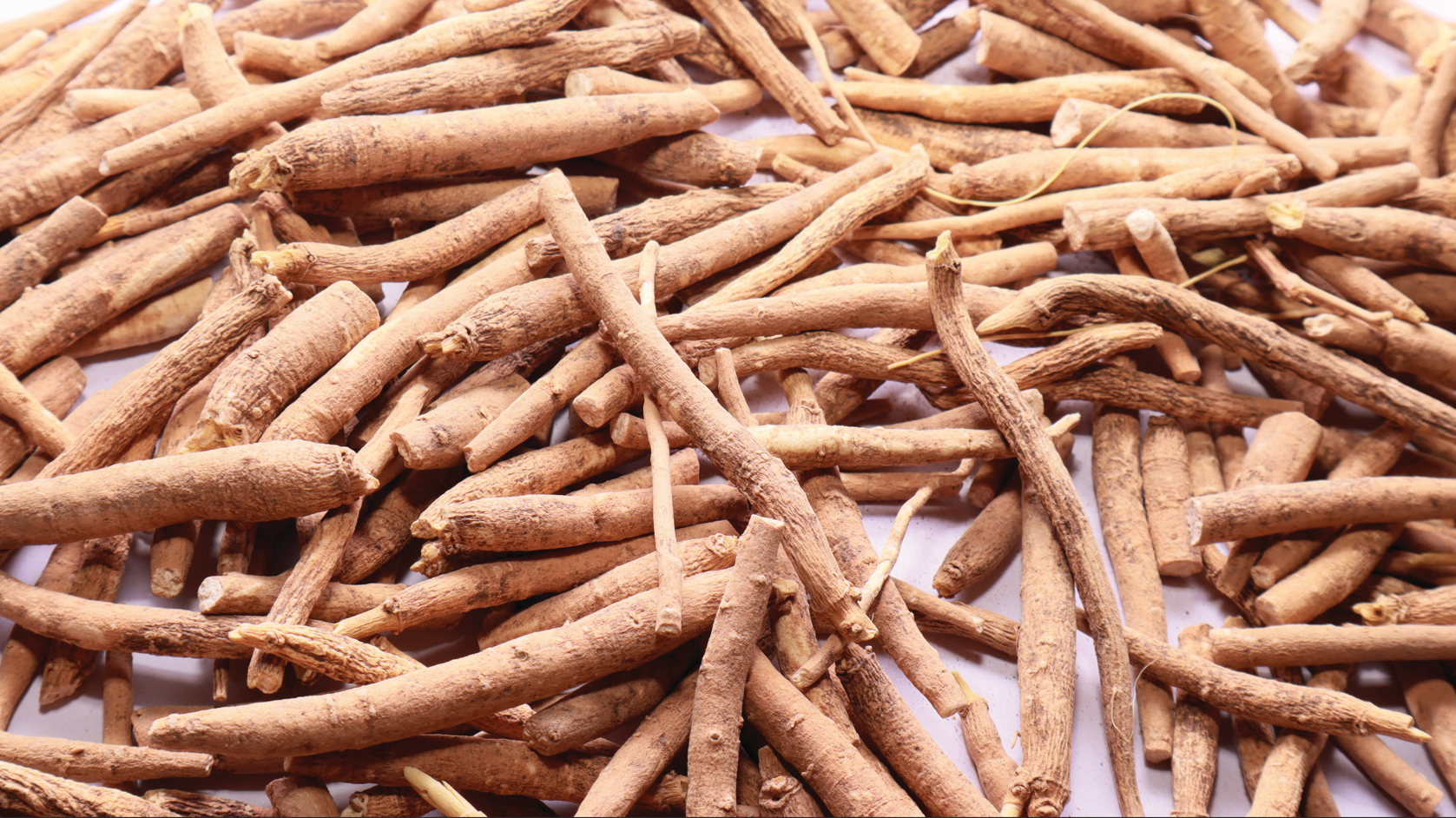
Ashwagandha belongs to the family Solanaceae. The Sanskrit name derives from ashwa (horse) and gandha (smell), referring both to the odour of the fresh root and the traditional belief that it imparts equine strength and vitality. Classical synonyms such as Balya, Vajigandha, and Varahakarni found in Ayurvedic nighantus reflect its actions on strength, reproductive health, and tissue nourishment.

Botanically, it is a small perennial shrub with tomentose leaves, greenish-yellow flowers, and bright red berries enclosed in a persistent calyx. The root is the principal medicinal part, though leaves and seeds are described for specific applications.
CLASSICAL AYURVEDIC POSITIONING: A RASAYANA DRAVYA
In Ayurvedic literature, Ashwagandha is consistently classified under Rasayana and Balya dravyas. Descriptions in the Charaka Samhita, Sushruta Samhita, and Ashtanga Hridaya emphasise its use in kshaya (tissue depletion), daurbalya (general debility), shosha (wasting), and vata-vyadhi. Interpreted through a contemporary lens, these indications correspond to chronic fatigue, neurodegeneration, sarcopenia, and stress-related disorders.
ITS CLASSICAL DRAVYA GUNA PROFILE IS DESCRIBED AS:
- Rasa: Tikta, Kashaya
- Guna: Laghu, Snigdha
- Virya: Ushna
- Vipaka: Madhura
- Dosha karma: Vata–Kapha shamana
This combination indicates a substance that is light yet nourishing, thermogenic yet stabilising—capable of restoring depleted tissues while calming dysregulated neuroendocrine function, a hallmark of aggravated Vata.
RASAYANA AND SYSTEMS BIOLOGY: A CONCEPTUAL CONVERGENCE
The concept of Rasayana is inherently systemic. Rather than targeting isolated symptoms or single molecular pathways, Rasayana therapy aims to enhance ojas—the integrative substrate of immunity, vitality, and mental stability. From a translational perspective, this aligns with contemporary ideas of homeostasis, stress resilience, and biological reserve.
In modern populations exposed to sustained cognitive load, circadian disruption, and inflammatory lifestyles, Ashwagandha’s Rasayana action becomes particularly relevant. Unlike stimulant-based interventions, it supports adaptive capacity without overriding physiological feedback mechanisms.
PHYTOCHEMISTRY AND PHARMACOLOGICAL INSIGHTS
Phytochemical investigations have identified withanolides, withaferin A, sitoindosides, and other steroidal lactones as key bioactive constituents. These compounds exhibit antioxidant, anti-inflammatory, neuroprotective, and immunomodulatory activities.
From a translational standpoint, Ashwagandha is widely described as an adaptogen—a class of agents that modulate the hypothalamic–pituitary–adrenal (HPA) axis. Experimental and clinical studies demonstrate its potential to reduce cortisol levels, improve sleep quality, enhance stress tolerance, and support cognitive performance. These findings offer mechanistic validation of Ayurvedic descriptions such as manasika balya and nidrajanana.
NEUROCOGNITION, MENTAL HEALTH,
AND ACADEMIC STRESS
Classical texts recommend Ashwagandha in nidranasha (insomnia), chittodvega (anxiety), and memory-related disorders. Contemporary neuroscience research supports these indications, reporting anxiolytic and antidepressant effects along with benefits in mild cognitive impairment.
For students, researchers, and professionals operating in high-performance academic environments, Ashwagandha offers a non-sedative, non-habit-forming means of enhancing focus, emotional stability, and cognitive endurance. This positions it as a relevant adjunct in addressing academic stress and burnout—now recognised as significant public health concerns.
METABOLIC HEALTH, IMMUNITY, AND HEALTHY AGEING
Ashwagandha’s actions extend beyond the nervous system. Its traditional role in nourishing mamsa and shukra dhatu translates into observed benefits on muscle strength, reproductive vitality, and immune competence. Emerging evidence suggests supportive roles in metabolic health, inflammatory regulation, and endocrine balance.
In the context of ageing, Ashwagandha has long been prescribed to counteract jara. Modern geroscience, which emphasises preservation of function rather than mere lifespan extension, finds resonance with Rasayana herbs that promote multi-system resilience.
SAFETY, STANDARDIZATION, AND INTEGRATIVE APPLICATION
Ayurveda emphasises yukti—rational, individualised application based on constitution, disease stage, and digestive strength. While Ashwagandha is generally regarded as safe, classical texts caution against its use in conditions of acute infection or high ama without appropriate preparatory measures.
In contemporary practice, standardised extracts, powders (churna), and classical formulations such as Ashwagandhadi Lehyam are widely used. Quality control, phytochemical standardisation, and evidence-informed dosing are essential for successful integration into modern healthcare frameworks.
From Text to Table: Applying Ashwagandha Safely
A quick-reference snapshot linking classical wisdom with everyday relevance.
- Stress & mental fatigue: ½ tsp root powder with warm milk at night; supports stress adaptation and calm.
- Sleep support: Low-dose, regular intake with milk or ghee; promotes restorative sleep without dependency.
- Weakness & recovery: Powder with warm milk (optionally jaggery or honey); aids strength and tissue nourishment.
- Joint & muscle stiffness: Internal use plus gentle massage with Ashwagandha oil; useful in Vata-dominant states.
- Academic endurance: Consistent low-dose use preferred; supports focus and resilience.
Safety note: Avoid during acute infections or severe indigestion; seek guidance during pregnancy or chronic illness.
READER TAKEAWAYS: PRACTICAL AND SAFER USE
For readers interested in translating knowledge into practice, Ayurveda recommends conservative, context-sensitive use. Ashwagandha is traditionally administered over weeks rather than days, emphasising consistency over immediacy. Classical texts caution against indiscriminate use during acute disease states or when digestion is impaired (ama).
Used judiciously, Ashwagandha exemplifies how a Rasayana can support long-term resilience—strengthening adaptive capacity rather than offering short-term stimulation.
FROM CLASSICAL RASAYANA TO TRANSLATIONAL RELEVANCE
Ashwagandha’s enduring significance lies in its ability to address fundamental mechanisms of imbalance—stress dysregulation, tissue depletion, and declining adaptability. For the present generation, shaped by digital saturation and lifestyle-induced stress, it represents a scientifically plausible and culturally rooted strategy for sustainable health.
For the scientific community, Ashwagandha serves as a compelling case study in translational medicine—demonstrating how Ayurvedic concepts, when interpreted through modern research paradigms, can contribute meaningfully to contemporary discourse on stress biology, mental health, and healthy ageing.
Ashwagandha illustrates Ayurveda’s capacity to evolve through scientific engagement while remaining anchored in its core principles.
*The writer is an Ayurveda physician, DST Woman Scientist A, AIIMS New Delhi, and founder of Pratha Ayurveda.