



COVER STORY
Atmospheric aerosols are tiny solid or liquid-covered particles suspended in the air. Aerosols (particulate matter) play a very crucial role in the dynamics of the atmosphere. Almost every weather event in the troposphere is mediated by aerosols, either directly or indirectly. Aerosols serve as nuclei for cloud condensation and precipitation, and also control the tropospheric temperature by absorbing or scattering solar radiation.
However, these life-supporting aerosols can become harmful when their natural equilibrium in the environment is disturbed. One such problematic aerosol is Black Carbon (BC). BC refers to carbonaceous, polycyclic organic aerosols found in the atmosphere and is commonly referred to as ‘soot’. BC is produced through incomplete combustion and consists primarily of polycyclic carbon structures with high molecular diversity. Although the terms ‘soot’ and ‘BC’ are often used interchangeably, soot is a general term. It refers to a complex mixture of particles and gases that are unwanted by-products of incomplete combustion, with BC being one of the key components
The Serbian physicist Tihomir Novakov first used the term ‘BC’ in the 1970s when he discovered that aerosols contained fine particulate matter.
In contrast to other greenhouse gases present in our environment, BC is complex in nature and it is not a single molecule or gas. The term BC usually indicates a group of chemicals that substantially absorb the solar radiation on earth. BC also includes light-absorbing organic carbon as well as elemental carbon. Although these aerosols have a relatively shorter lifetime in our atmosphere, they significantly impact climate directly as well as indirectly.
BLACK CARBON: CHARACTERISTICS AND SOURCES
BC exhibits significant variability in particle size, structure, and morphology. BC aerosols are often spherical, and their dynamic shape factors suggest that their particle morphology evolves during atmospheric ageing. Typically, BC aerosols have aerodynamic diameters ranging from 200 500 nm, with particles consisting either predominantly of BC or BC internally mixed with aerosol components. However, to understand the optical properties and radiative forcing due to BC aerosols, one need to measure the effective density and mass size distribution of BC in view of its dynamic behaviour. It is noteworthy that the freshly emitted BC aerosols are mainly hydrophobic in nature. However, the acquisition of soluble coating materials during atmospheric aging increases their hygroscopicity, thereby influencing their ability to act as cloud condensation nuclei affecting their atmospheric longevity. BC has complex optical properties as well as complex morphology. Fresh BC typically aggregates as small spherical monomers, while the atmospheric aging can lead to further particle restructuring, resulting in more compact and uniform morphologies. As a result, BC particles show substantial variability in homogeneity and refractive indices.
Typically, BC is released into the atmosphere through incomplete combustion of biomass and fossil fuels and is fundamentally anthropogenic in origin. A wide range of activities contribute to global emissions, such as open burning of biomass (forest fire) (42%), burning of domestic biomass (18%), diesel engines used in transport (14%), industrial diesel engines (10%), industrial activities and energy production, typically from low-capacity boilers (10%), and residential coal burned (6%), among others.
Further, the relative contributions of BC sources vary from region to region. For instance, in Western Europe, traffic-related emissions appear to be the primary contributor, as elevated BC concentrations are frequently observed in areas with intense motorised traffic and major roadways, but in South Asia, a majority of soot emission is caused by the biomass combustion for cooking purposes, and in East Asia, the combustion of coal for residential and industrial purposes seems to contribute more. Whereas the United States contributes more from industrial and vehicular emissions. There are many countries located in high-emitting zones that neither have proper measurements nor have stringent regulations regarding emissions. Many developing countries primarily lean on open uncontrolled biomass burning and the continued use of conventional energy sources (such as wood, coal, and kerosene) for normal day-to-day activities such as cooking, heating, and lighting.
ROLE OF BC IN GLOBAL WARMING AND CLIMATE CHANGE
An important characteristic of atmospheric BC aerosols is their strong ability to absorb terrestrial solar radiation across the entire wavelength spectrum and re-emit it as low-frequency radiation, thereby warming the atmosphere.
In particular, in areas with high BC concentrations, the warming of both the atmosphere and the Earth’s surface is intensified which results in disrupted weather patterns and natural ecological cycles. In addition, BC is often released alongside other hazardous air pollutants including organic carbon (OC), carbon monoxide (CO), volatile organic compounds (VOCs), and other toxic organic carbon (OC) which all together significantly contribute to the degradation of air quality.
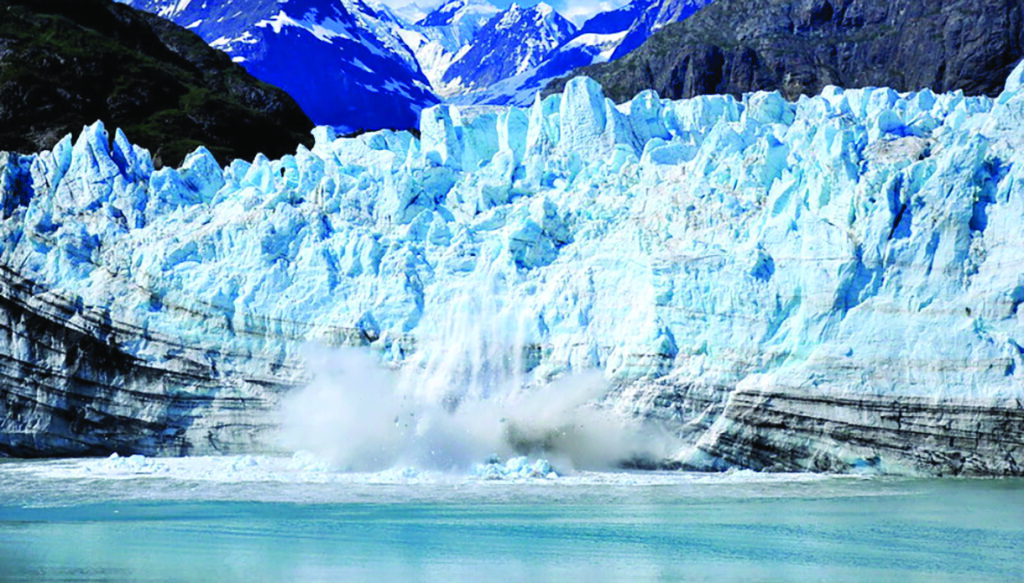
Image Courtesy: Kimberly Vardeman/Flickr
BC particles significantly alter the regional meteorology and normal weather patterns that are vital for agriculture and human well-being or health. With the blocking of the sunlight by BC and thus dimming of the Earth’s surface, the evaporation rates get lower which ultimately disrupt cloud formation. Further, when these particles settle on plant leaves, they cause the surface to heat up which can damage the cells, thus limiting the plant’s ability to absorb carbon dioxide through photosynthesis.
The present research studies on direct global radiative forcing of BC asserts that after the carbon dioxide and methane gases, BC is either the second or third most prominent anthropogenic greenhouse factor. Though these studies on radiative forcing present a comprehensive understanding of the effects of climate change due to enhancing BC concentration in our environment, it is difficult to represent the strong and localised impacts of BC aerosols in view of its highly uncertain or dynamic behaviour.
Owing to its short atmospheric lifetime, BC exerts highly concentrated warming effects in specific areas, creating localised climate ‘hot spots’. To accurately assess the warming effects of BC, it is important to focus on its regional impacts, rather than relying on uncertain global estimates. The overall impact of BC on the regional climate is quite a difficult and complex problem to understand since it depends on several factors. These factors mainly include the source of emission and the life period of BC in the atmosphere along with its interaction with other pollutants and clouds.
BLACK CARBON IN THE CRYOSPHERE
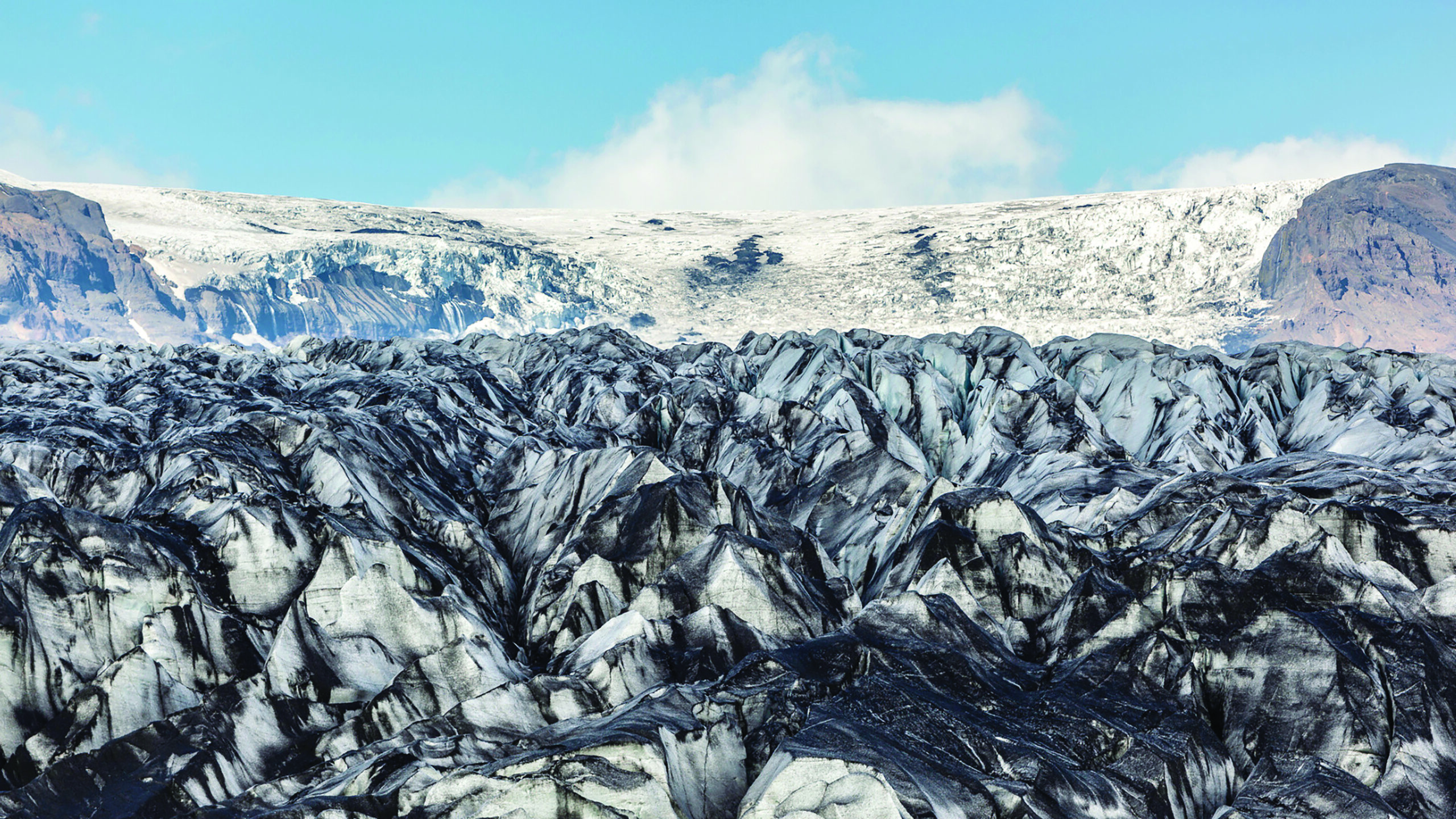
The Himalayan range, referred to as the water tower of Asia as well as the Third Pole, directly or indirectly feeds the majority of the world’s population. Due to the present scenario of climate change, it is a well-known fact that Himalayan glaciers are shrinking. Extreme weather events in these regions are increasing. Air pollution is one of the major contributing factors for disturbing the fragile Himalayan ecosystem. The presence of BC in the fragile Himalayan cryosphere is an alarming concern. By darkening the surface of the snow and ice, BC contributes to accelerating their melting rates and disturbs the energy equilibrium of the cryosphere. Research indicates that the BC concentrations in snow and ice are significantly higher in mid-latitude locations relative to polar areas. The BC accounts for around 20% of the drop in albedo during the glacier melt season.
As a result, the melting of glaciers has accelerated with diminished snow cover ultimately affecting available water resources and disturbing climate stability.
ENVIRONMENT AND HEALTH HAZARDS
Owing to nanoscale size of BC aerosol particles, they can infiltrate deep into lungs and enter the bloodstream, spreading toxic compounds, causing inflammation and oxidative stress throughout the body, which can worsen the pre-existing respiratory and cardiovascular problems.
Chronic exposure to BC is associated with numerous health problems including lung cancer, heart diseases, and respiratory infections. Infants are particularly vulnerable since extended exposure to air pollutants, including BC, can severely impair lung development. Pregnant women also face increased risk of low birth weight and preterm birth. Chronic exposure, especially to BC, has also been linked to neurological effects, such as reduced cognitive function.
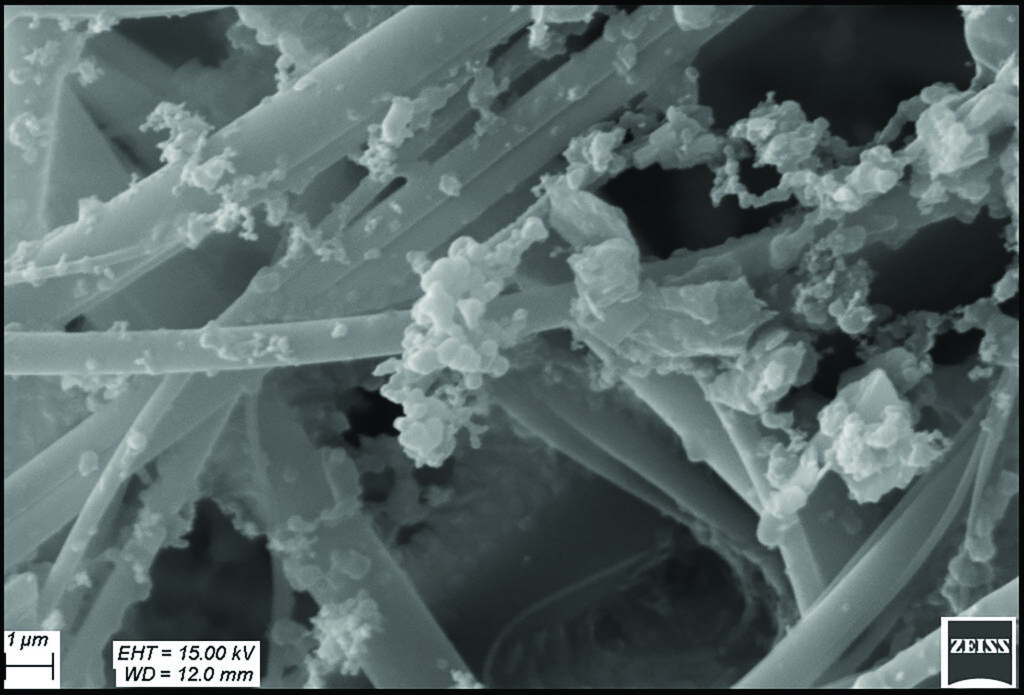
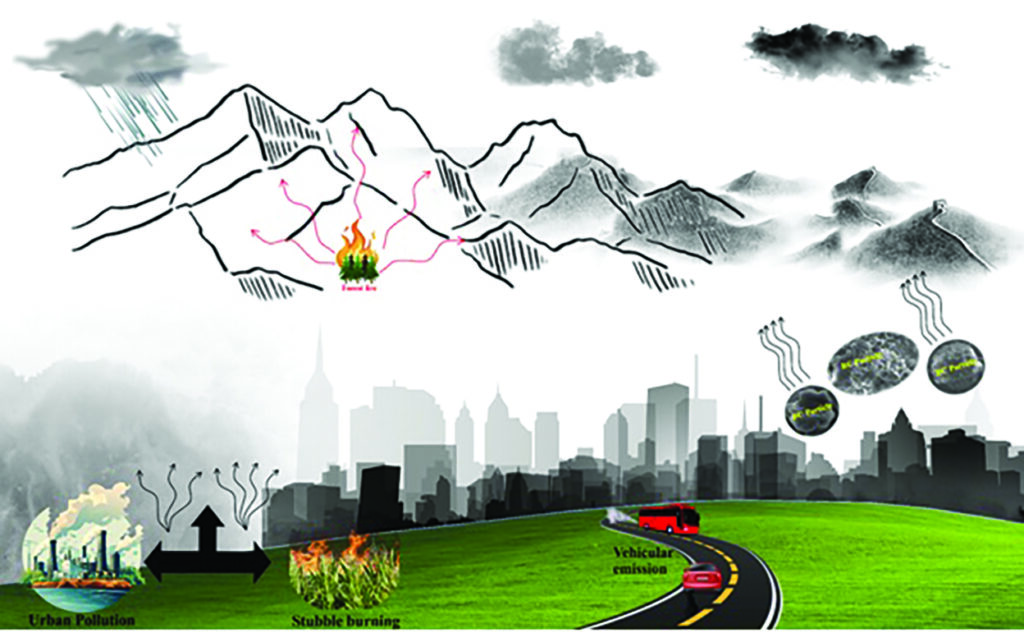
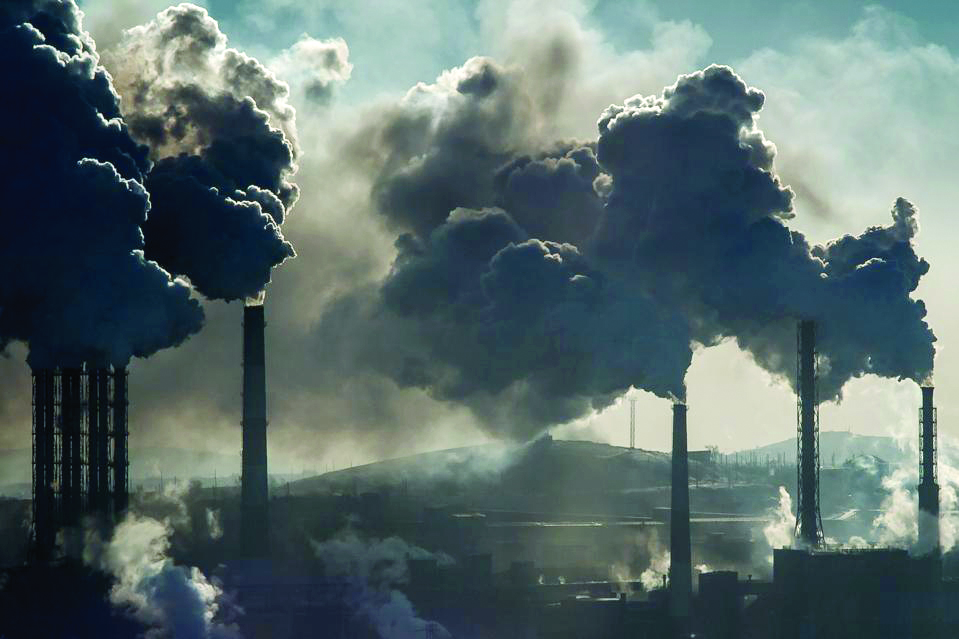
Images Courtesy: fightclimatechange.earth
Over 15% of deaths in Delhi-NCR were attributed to air pollution and the situation is more alarming today as Delhi is currently grappling with extremely poor air quality with Air Quality Index (AQI) frequently in severe range. To safeguard public health particularly for children, the elderly and those with pre-existing health disorders, the lowering of toxic air pollutants is vital.
MITIGATION STRATEGIES
Due to the challenges in quantifying the warming impact of BC precisely, it still remains underrepresented in international climate policy. As of 2025, only nine nations have included explicit targets for reducing BC emissions in their Nationally Determined Contributions (NDCs) in order to fulfil their commitments, set forth in the Paris Agreement. Seven other nations have included BC in their overall climate goals.
Addressing the BC pollution can only begin with a clear understanding of its behaviour after release into the atmosphere. Preventing those emissions at their first source is the important next step. It is necessary to have a comprehensive understanding of the numerous sources that contribute to the production of BC, as well as the numerous strategies that can be utilised to reduce these emissions. Further, localised efforts to reduce BC emissions will provide the greatest benefits in terms of reducing regional warming and improving public health outcomes.
Urban air quality plans need to be developed to regulate city-specific pollution sources, including road and soil dust, vehicular emissions, domestic fuel, community-generated waste combustion, building materials, and industrial operations. These initiatives establish time-bound targets and are supported by annually updated implementation strategies with detailed micro-level planning for effective implementation of city plans.
Transitioning brick kilns to zig-zag technology aims to mitigate pollution levels and the transition of industrial units to piped natural gas for reduced emissions is further recommended.

Image Courtesy: iStockphoto.com/PytyCzech
Implementing initiatives that inform the public about the detrimental impacts of BC is a necessity for mitigating emissions. It is important to engage communities in discussions and projects that promote the use of low-emission cooking fuels and technologies. Disseminating information on BC and its effects on health and the environment, using various media platforms, can play a vital role. Building partnerships between public and private entities, including enterprises and diverse organisations, should be undertaken to curb BC emissions. We must also encourage policies that support the use of cleaner technology, while also reducing reliance on traditional biomass for heating and cooking purposes. Applying these strategies can considerably raise public awareness, which in turn will encourage more people to work towards lowering BC emissions and improving air quality.
INDIAN INITIATIVES FOR BC MONITORING AND MITIGATION
The government of India has implemented various measures to regulate BC emissions, including the flagship programme, the Pradhan Mantri Ujjwala Yojana by Prime Minister Narendra Modi, which promotes the use of clean cooking fuels in households. The metro rail network for public transport has been expanded to include additional cities, introduction of cleaner and alternative fuels, such as gaseous fuels (CNG, LPG, etc.), has led to the launch of a new initiative titled ‘Sustainable Alternative towards Affordable Transportation (SATAT)’. This initiative aims to establish 5,000 Compressed Bio-Gas (CBG) production plants and facilitate the availability of CBG in the market for utilisation.
The Central Sector Scheme for the Promotion of Agricultural Mechanization for in situ Management of Crop Residue in Uttar Pradesh, Haryana, Punjab, and NCR Delhi provides a 50% incentive for individual farmers on agricultural machines, and equipment for in situ crop residue management, and an 80% incentive for setting up Custom Hiring Centres. The Union Government is executing the National Clean Air Programme as a long-term, time-bound strategy at the national level to address air pollution comprehensively, aiming for a 40% decrease in particulate matter concentrations by 2025-26.
The Central Pollution Control Board (CPCB) has identified 131 cities that exceed quality standards based on ambient air quality levels and population size of over one million. The ‘Clean Air Action Plans’ tailored to specific cities have been developed and are now in the process of implementation. Achieving the goal of a healthy and clean environment requires strict adherence to the enacted regulations.
CONCLUSION
BC, which is a transient air pollutant, degrades air quality and thus significantly contributes to global warming and climate change on earth. The BC particles present in the air can be inhaled with deep penetration into the human body leading to serious health risks. BC is therefore at the intersection of climate change, environmental impact, and public health. The accumulation of BC particles on Himalayan glaciers substantially accelerates the melting of snow, thereby changing regional climatic conditions. This in turn affects the fragile Himalayan ecology in diverse ways and water availability for populations residing downstream. The targeted monitoring of BC concentrations along with the implementation of well-designed mitigation strategies is important to minimise its harmful effects. Initiatives to reduce BC emissions and the use of cleaner combustion technologies can not only function as a proactive measure to protect our environment and public health but also effectively lessen the adverse effects of climate change.
*Dr Chhavi Pant Pandey is Scientist D at Wadia Institute of Himalayan Geology, Dehradun. She can be reached at chhavi@wihg.res.in.