



Image Courtesy: Shutterstock
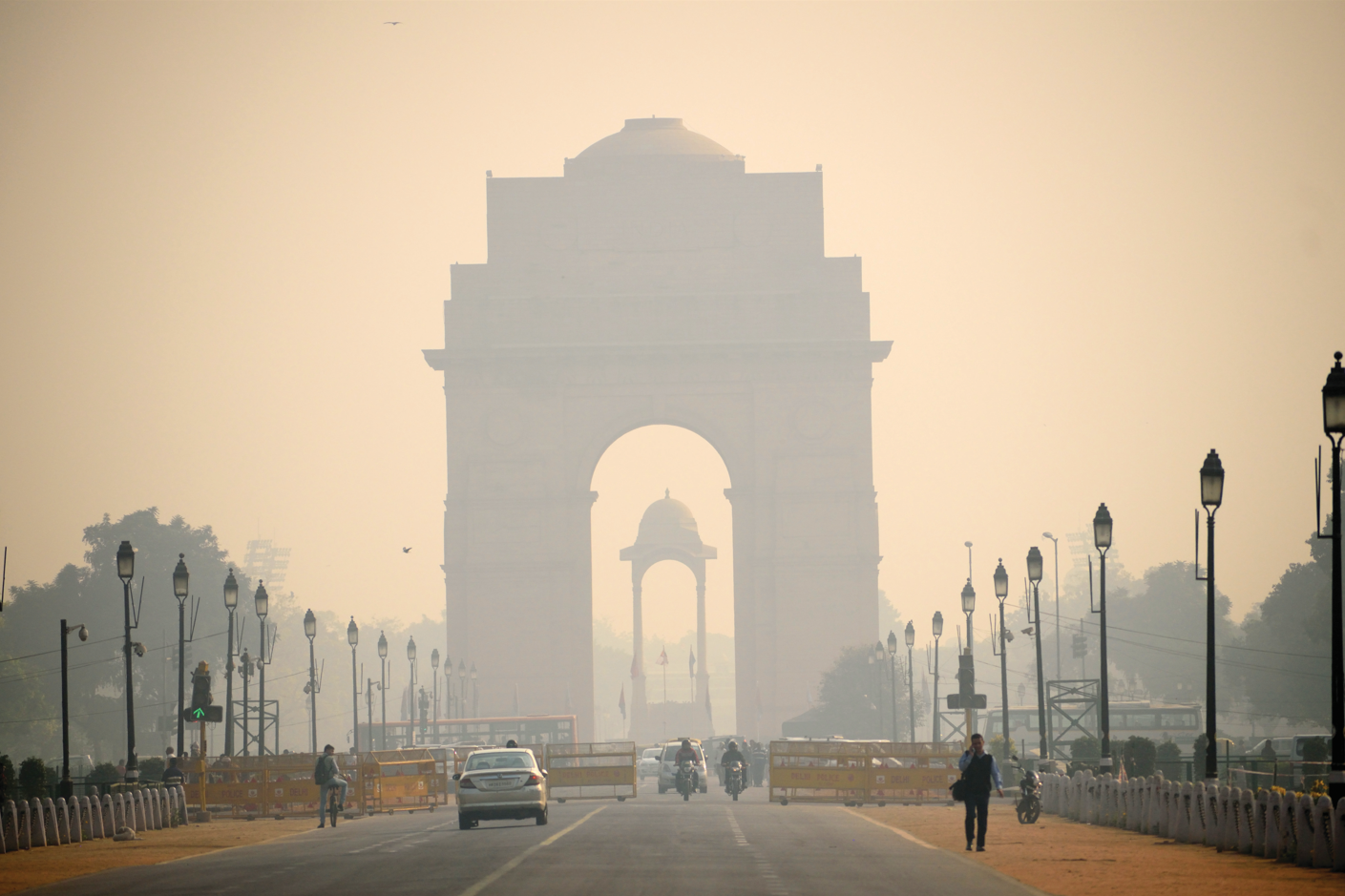
For many living in or regularly visiting Delhi—one of the world’s largest urban agglomerations—breathing is no longer a passive act. The city’s air has become a toxic mixture of microscopic, suspended particles, reactive gases, and chemical compounds that together constitute one of the world’s most severe urban pollution crises. Every winter (and now almost year-round), the dense haze that blankets the capital isn’t just smog—it’s a complex cocktail of pollutants that harms lungs, hearts, brains, and entire ecosystems. What was once an episodic haze has evolved into a chronic atmospheric emergency, one that silently but relentlessly erodes public health, shortens life expectancy, and burdens future generations with irreversible biological damage.
In late 2025, Delhi’s air quality has regularly crossed the ‘very poor’ to ‘severe’ category on the Air Quality Index (AQI = 301-400 to 401-500)—meaning pollution levels were not only unhealthy but acutely hazardous for all residents. Often, spikes reached values far above safe thresholds, prompting the government to exercise Stage IV of Graded Response Action Plan (GRAP), which means restrictions on traffic, construction activities, and school hours. This choking pollution that is engulfing Delhi and the National Capital Region (NCR) is not merely an environmental inconvenience or a seasonal nuisance; it is a complex physicochemical phenomenon driven by anthropogenic emissions, geographical constraints, and meteorological conditions that together create one of the most toxic urban airsheds on Earth impacting human health.
WHAT IS PM2.5?
At the centre of this crisis lies particulate matter (PM), particularly fine particles with aerodynamic diameters less than 2.5 μm, known as PM2.5. These particles are approximately thirty times smaller than the width of a human hair, and unlike larger particles that are filtered by nose or upper airways, PM2.5 penetrates deep into the alveolar regions of the lungs, where gas exchange occurs. From there, these particles can cross the alveolar–capillary barrier into epithelial tissues and enter systemic circulation affecting acute and chronic cardiovascular and pulmonary outcomes and virtually every organ system.
The chemical composition of PM2.5 in Delhi is especially dangerous. These particles are not inert dust; they are often coated with heavy metals such as lead (Pb), nickel (Ni), chromium (Cr), and cadmium (Cd), as well as polycyclic aromatic hydrocarbons (PAH), sulphates (SO42-), nitrates (NO3-), ammonium compounds, and black carbon. Each of these components has its own toxicological profile, but together they create a synergistic assault on human physiology. Fine particles entering the bloodstream can alter endothelial function, promote thrombosis, and destabilise atherosclerotic plaques, thereby increasing the risk of heart attacks and strokes. Chronic exposure to such particulate pollution has been strongly linked to chronic obstructive pulmonary disease, lung cancer, stroke, metabolic disorders, and adverse pregnancy outcomes. Epidemiological studies consistently show that for every incremental increase of 10 mgm/cum in annual PM2.5 concentration, the risk of all-cause mortality rises significantly, with cardiovascular deaths accounting for the largest share. Longitudinal studies estimate that residents of Delhi may lose between six to eight years of life expectancy solely due to prolonged exposure to such polluted air. This loss is not evenly distributed; children, the elderly, and those with pre-existing respiratory or cardiovascular conditions bear a disproportionate burden of disease.
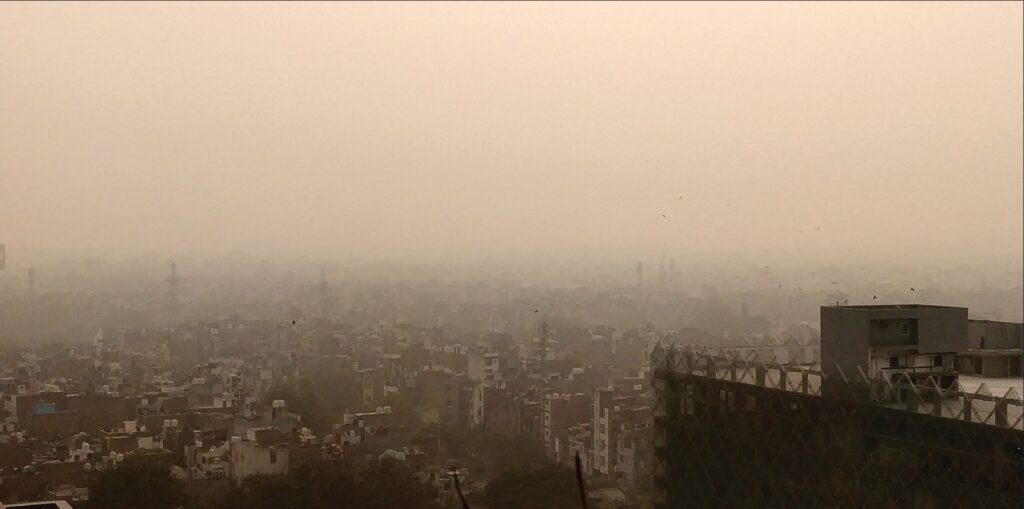
Image Courtesy: Wikimedia Commons
CHOKING VEHICULAR EXHAUST
Vehicular emissions represent one of the most persistent and technically complex contributors to air pollution. The city hosts around 150 million vehicles, many of which operate under conditions of chronic congestion, low average speeds, frequent idling, and stop-and-go traffic patterns that are known to exacerbate emission rates. Particularly diesel engines emit a mixture of sulphur oxide (SOx), nitrogen oxides (NOx), carbon monoxide (CO), volatile organic compounds (VOCs), and fine PM. These particles are especially toxic due to their high black carbon content and surface-adsorbed organic compounds, many of which are mutagenic and carcinogenic.
Beyond tailpipe emissions, vehicular activity also contributes to non-exhaust particulate pollution. Brake wear, tire abrasion, and road surface erosion generate substantial amounts of both PM2.5 and PM10. These mechanically generated particles often contain metals such as copper (Cu), zinc (Zn), and iron (Fe), which can catalyse oxidative reactions within lung tissue. In high density traffic locations, non-exhaust emissions now constitute a growing fraction of total PM pollution, undermining gains made through cleaner fuel standards alone.
Industrial emissions, both within Delhi and in surrounding regions, further compound the problem. Biomass, biofuel and coal-based power plants, brick kilns, small-scale manufacturing units, and industrial boilers emit a combination of these pollutants. SOx is a potent respiratory irritant that contributes to bronchoconstriction and aggravates asthma. In the atmosphere, it undergoes oxidation to form sulphate aerosols, which are a major component of PM2.5. NOx, a key component of vehicular exhaust, is itself a respiratory irritant that damages airway epithelium and increases susceptibility to infections, while also acting as a precursor to secondary particulate formation and ground-level ozone (O3).
OTHER TOXINS EXPLAINED
CO, another by-product of incomplete combustion, binds to haemoglobin in red blood cells forming carboxyhaemoglobin (COHb) with an affinity far greater than oxygen. Although acute CO poisoning is rare in open environments, chronic low-level exposure increases cardiovascular stress, particularly in individuals with ischemic heart disease. VOCs emitted from fuel evaporation and exhaust systems further complicate by participating in photochemical reactions that generate secondary pollutants such as oxygenated VOCs (formic acid, formaldehyde, acetone, ethanol, etc.), O3 and secondary organic aerosols (SOA). Benzene, ethylbenzene, toluene, xylene, collectively known as BTEX, a set of well-documented human carcinogens commonly detected in urban air, is of particular concern due to their association with leukaemia and bone marrow suppression. Though some of the common impacts include respiratory (lung tissue damage, decreased lung function, inflammation, and asthma), cardiovascular (arrhythmias, heart failure, and myocardial infarction), digestive, urinary, hematologic, hematopoietic, hepatic and genetic toxicity, immune dysfunction, reproductive effects, and nervous systems (alterations in brain structure, neurotransmitter levels, cognitive function, anxiety, impulsivity, and depression).
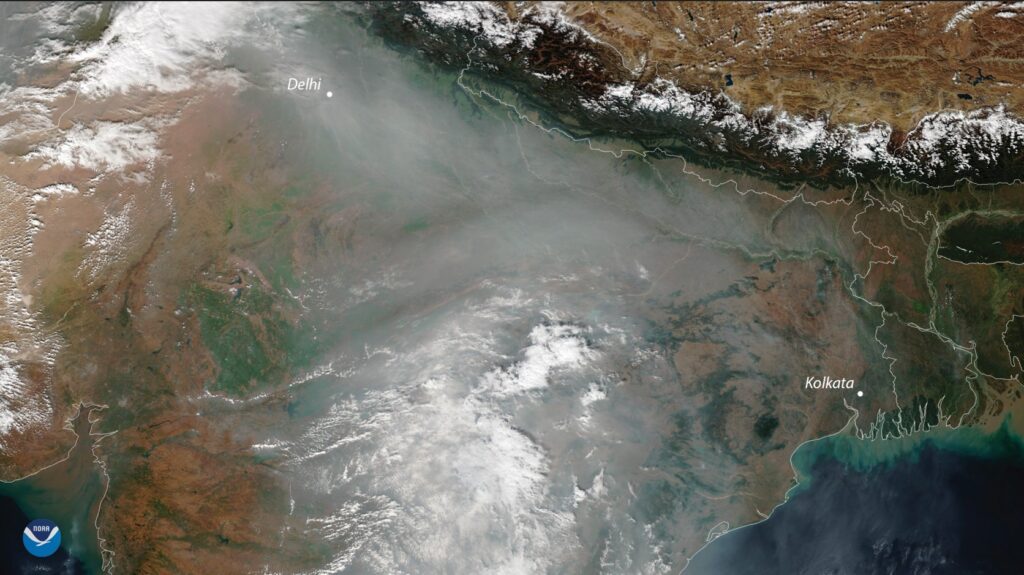
Image Courtesy: Wikimedia Commons
Dust represents another major but often misunderstood component of Delhi’s pollution. The city’s rapid urban expansion, continuous construction activity, unpaved or poorly maintained roads and road construction mechanism, and sparse green and blue cover create ideal conditions for dust generation and resuspension. Importantly, these dust particles are rarely pure soil; they are frequently coated with vehicular exhaust residues, industrial emissions, and biological material, effectively transforming them into toxic carriers rather than benign mineral particles. Construction dust is particularly problematic because it is generated continuously and often in close proximity to residential areas. The mechanical crushing of concrete, bricks, and stone releases silica-rich particles, which when inhaled over long periods can contribute to silicosis and chronic lung inflammation. Workers exposed occupationally face high risks, but ambient populations are also affected due to widespread dispersion. Road dust resuspension by moving vehicles further amplifies exposure, creating a feedback loop in which traffic generates as well as redistributes particulate pollution.
STUBBLE BURNING AND METEOROLOGY
Seasonal agricultural residue burning in neighbouring states adds another dimension to Delhi’s pollution burden. During the post-monsoon months, large-scale burning of rice stubble releases enormous quantities of smoke containing PM2.5, CO, NOx, and organic aerosols. While the contribution of stubble burning to Delhi’s annual pollution load is lower than that of local sources, its impact during specific weeks can be dramatic, triggering acute pollution episodes that push air quality into the ‘severe’ category. The health implications of such short-term spikes are significant.
Meteorology plays a critical role in transforming emissions into a public health crisis. Delhi’s geographical location in the Indo-Gangetic Plain, combined with its distance from the coast, limits natural ventilation. During winter, temperature inversion layers frequently form, trapping cold, dense air near the ground beneath the warmer air aloft. This inversion effectively seals pollutants within the breathing zone, preventing vertical dispersion. Low wind speeds and high humidity further enhance pollutant accumulation and promote secondary aerosol formation. As a result, even moderate emission rates can lead to extreme pollution concentrations under unfavourable meteorological conditions.
THE TRUE SCALE OF HEALTH CRISIS
The health consequences of this polluted atmosphere extend far beyond coughing and eye irritation which is generally reported by adults. At the cellular level, inhaled pollutants generate reactive oxygen species that overwhelm the body’s antioxidant defences, leading to oxidative stress and inflammation. Children represent one of the most vulnerable populations in this pollution landscape. Their lungs are still developing, they breathe more air per unit body weight than adults, and they often spend more time outdoors. Exposure during critical developmental windows can permanently impair lung growth, reducing maximal lung function in adulthood and increasing susceptibility to chronic respiratory disease. Evidence also suggests associations between prenatal pollution exposure and low birth weight, preterm birth, and impaired immune development. Neurological studies increasingly suggest links between air pollution exposure and cognitive decline, dementia, and adverse neurodevelopmental outcomes in children.
The mortality burden attributable to air pollution in Delhi is staggering. A significant fraction of all deaths in the city each year can be linked to long-term exposure to fine PM2.5. These deaths are not immediately visible as pollution-related fatalities; they manifest as heart attacks, strokes, lung cancer, and respiratory infections, masking the true scale of the crisis. This invisibility makes polluted air a particularly insidious killer, as its victims often succumb years after exposure, far removed from the smog-filled days that initiated the disease process. Though the government has no conclusive data establishing a direct correlation between higher AQI levels and health disorders, it acknowledges that air pollution is one of the triggering factors for respiratory ailments and associated diseases. Accordingly, comprehensive and targeted training modules on air pollution have been institutionalised, empowering programme managers, medical officers, nurses, nodal officers, sentinel sites, frontline workers such as ASHAs, as well as vulnerable populations—including women and children—and occupationally exposed groups such as traffic police and municipal workers.
AN INEXCUSABLE LAPSE
The choking pollution of Delhi is the result of a convergence of high emission intensity, toxic pollutant composition, unfavourable geography, and climatic conditions that together create an environment hostile to human health. It is driven by vehicles, dust, industrial activity, biomass burning, and urban infrastructure deficits, but sustained by atmospheric chemistry and meteorology. Scientifically, there is little ambiguity about the danger it poses, and evidence linking air pollution to disease, disability, and premature death seems irresistible. Addressing this crisis requires not only technological interventions and regulatory enforcement but a recognition that clean air is fundamental to public health, economic productivity, and human dignity. Without decisive, sustained action, the city risks normalising an atmosphere that quietly steals years of life from its people, one breath at a time. In an age defined by information and artificial intelligence, the failure to safeguard and manage a city’s environmental assets stands as one of humanity’s gravest moral and civic failures—it is inexcusable!
*The writer is Professor with the School of Environmental Sciences, Jawaharlal Nehru University (JNU), New Delhi. The comments here are personal.