




Economic progress of countries is usually reflected in the average health of the people of that country. History has shown that as countries become more affluent, life expectancy of people in those countries typically goes up. A critical factor in increased life expectancy in the past has been containing exposure of the population to multiple infectious diseases, and avoiding perishing to some of the deadlier ones, thereby affecting life expectancy significantly. It is therefore no surprise that with economic progress, the burden of communicable (infectious) diseases also reduces.
In high-income countries, diseases such as plague, tuberculosis, smallpox and influenza, which used to be the cause of a large number of deaths until the turn of the 20th century, no longer cause as much devastation as they used to prior to the 20th century. These countries have managed to achieve such spectacular progress to reduce the burden by improving sanitation and hygiene. Thus, the relation between economic affluence and reduction in communicable diseases has transformed healthcare across the world.
THE BURDEN OF DISEASE IN INDIA
The burden of diseases in India has also witnessed a noticeable trend with improved economic status. In 1947, this burden was characterised by a large number of people living in multidimensional poverty, high childhood mortality rates, deaths due to hunger, and frequent outbreaks of deadly infectious diseases such as cholera and smallpox. But then, India witnessed remarkable and steady progress in its economy from the time of Independence. Its GDP has risen steadily from ~INR 2.7 lakh crore in 1947 to ~INR 350 lakh crore in recent times. Concomitantly, indicators of average health have also improved significantly.
Developments in many areas, such as agriculture, have led to the elimination of problems such as shortage of food during drought periods, thereby almost eliminating deaths due to hunger. Similarly, industrial development has ensured timely distribution of food and essential medicines. India also carried out a highly successful smallpox vaccination campaign in the 1960s and 1970s, and in recent times, the polio vaccination campaign has led to the elimination of smallpox and polio. There have therefore been steady developments in Indian healthcare since Independence.
The average life expectancy of people in India in 1947 was about 30 years, which is now closer to approximately 70 years. Moreover, many serious indices, such as child mortality rates, have shown significant improvement. The profile of communicable versus non-communicable diseases has also witnessed a considerable shift in these years. While more people were dying from communicable diseases, such as malaria, tuberculosis, and smallpox at the time of Independence, those numbers have now reduced substantially. Reduction in numbers of affected people by communicable diseases naturally relates to relative increase in those due to non- communicable diseases. Thus, the share of non-communicable diseases in India has shown notable enhancement. Many people appear to be affected by lifestyle disorders, such as hypertension, diabetes, etc.
WESTERN DATA FOR INDIA’S HEALTH
The lifestyle disorders are typically measured by metabolic parameters in an individual. Whether a person is affected by a particular non-communicable disorder or not is judged by comparison with standard metabolic signatures derived from the average in a population, and prior information on the disorder in that population. Imbalance in any of these parameters is suggestive of a disorder. For example, whether a person is affected by diabetes or not is assessed by measuring fasting glucose level in the blood of that person, and further the levels of glycosylated haemoglobin are also measured. These are then compared with known levels of these parameters from apparently healthy persons. Elevated levels of fasting blood sugar, or glycated haemoglobin compared to those from apparently healthy individuals are then taken as an indication of diabetes signature. Base-level metabolic parameters therefore play a crucial role in assessing the health of an individual. Currently, all these base-level parameters have been derived from public health data obtained from countries of Western Europe, or those in the North Americas. Almost no such data are available at a population level from countries of the global South. It is therefore difficult to compare data on public health from low, and low-and-middle income countries. Consequently, management of all non-communicable diseases depends on base-level data from high income countries.
There has long been a desire to collect health data from the Indian population. Various metabolic parameters collected from urban/ rural settings, and prior knowledge on their health would go a long way in deriving basal-level understanding of the burden of metabolic disorders in India. The Council of Scientific and Industrial Research (CSIR) Phenome Project was conceived in this direction in 2021. CSIR has its presence in more than 50 cities (both urban and semi-urban settings), and has a large employee number. The data was therefore intended to be collected from current and former employees of CSIR, and their spouses, on a voluntary basis. The programme was conceived in consultation with many public health experts in the country, and was formally launched in 2022. In the programme design, a variety of samples such as blood, urine would be collected with the consent of CSIR members, and then analysed for various metabolic parameters. The sample collection would be carried out periodically over the next few years, marking this as a longitudinal study. Participants include CSIR working employees, pensioners and their spouses, reflecting India’s diversity in geography and ethnicity.
An important aspect of the health of an individual is the close relation between the health and the individual’s genetic make-up, and his/ her environmental surroundings. It is known that different individuals respond differently to changes in metabolic conditions, or even to external pathogens. Although this aspect has been well known in the traditional Indian practice of medicines, in the modern context it has come to be known as ‘personalised medicine’. Availability of metabolic data on the Indian population will also therefore add significant value towards understanding personalised health of the individuals.
Apart from collecting these data, a National Biobank was also sought to be established. Recently, the Phenome India National Biobank was launched under the Phenome India-CSIR Health Cohort Knowledgebase (PI-CHeCK) project. This indeed is a pioneering initiative by the CSIR which aims at advancing personalised healthcare and genomic research in India.
KEY DETAILS: NATIONAL BIOBANK AND PHENOME INDIA PROJECT
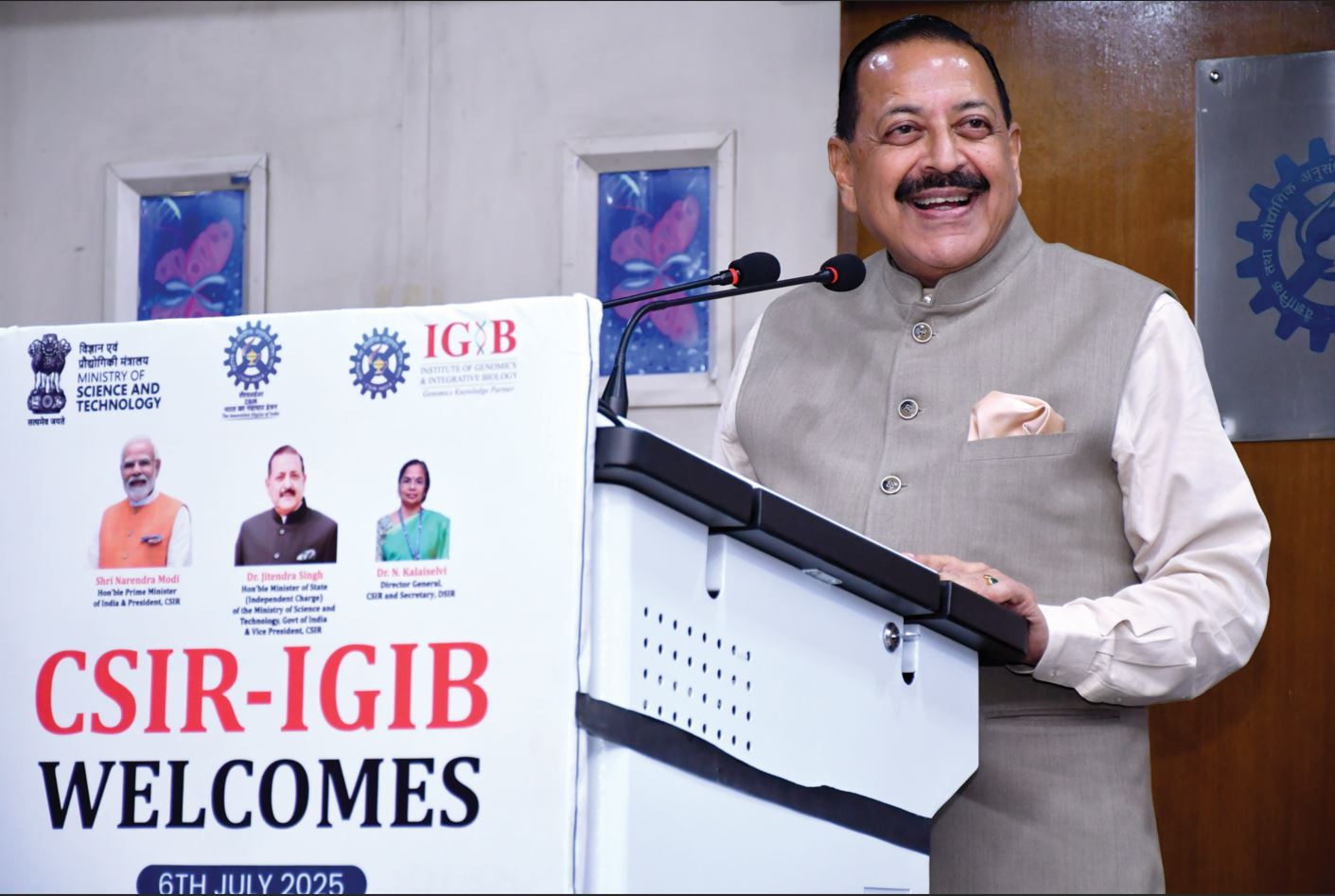
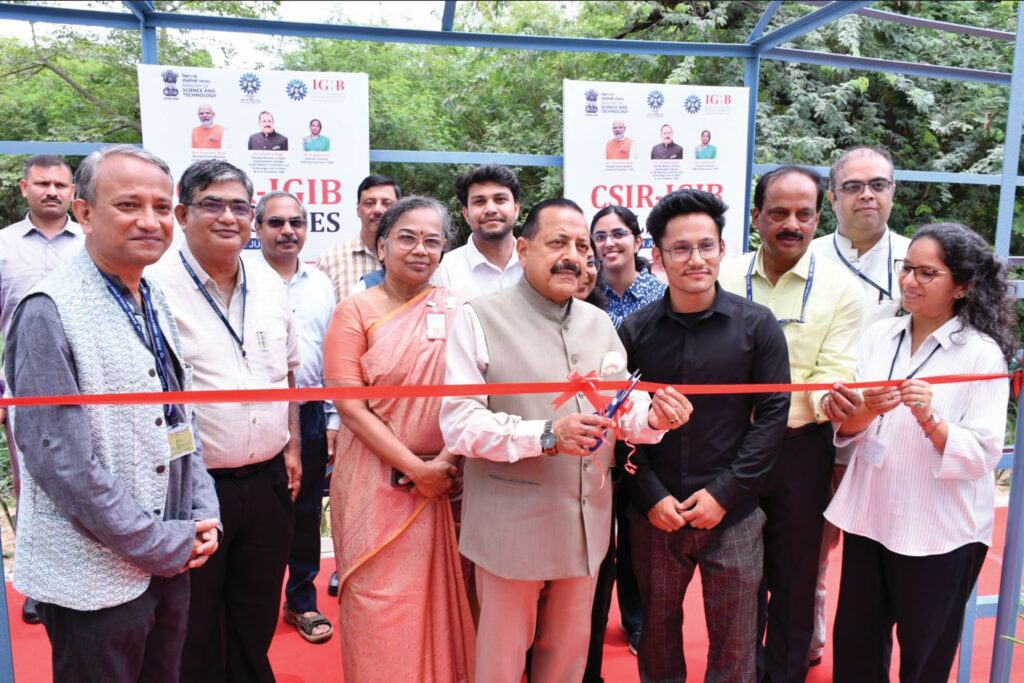
The National Biobank was inaugurated on 6 July 2025, by Dr Jitendra Singh, Union Minister of State (I/c) for Science & Technology, at the CSIR-Institute of Genomics and Integrative Biology (IGIB) in New Delhi. The overall objective has been to develop India-specific risk prediction models for cardio-metabolic diseases such as diabetes and liver diseases like fatty liver disease. It aims to understand disease patterns and associations and phenotypic environment interactions.
The Biobank will form an important part and contribute to a nationwide longitudinal cohort study collecting comprehensive lifestyle and clinical data from 10,000 individuals across multiple states in India at three time points, and is presently in the second phase of data and sample collection. The first phase of sample collection was completed in June 2024. Already, the results of the first phase are showing significant health-trends, which need to be assessed from a public health perspective.
The project gathers important parameters such as: (1) Questionnaires, anthropometric measurements, imaging, and scanning data such as liver transient elastography, lung function tests, ECG, body composition, etc., (2) Dietary habits, exercise, smoking and drinking habits, (3) Biochemical and molecular data obtained from bodily samples.
One of the major objectives of the Phenome India project has been to work towards Personalized Medicine in the Indian context. The pan-India data collection and analysis initiative will hopefully be a step towards precision medicine by enabling outcomes tailored to an individual’s genetic makeup, lifestyle, and environment, and assessing India-specific health challenges. Moreover, the disease focus has been on metabolic diseases, which are now assuming a serious proportion in Indian healthcare. The Phenome India project therefore targets complex diseases such as diabetes and liver disease, mainly fatty liver disease, aiming to improve early diagnosis, therapeutic targeting, and public health.
The Phenome India project stores a variety of biological samples to support its longitudinal study of 10,000 participants for personalised healthcare. Based on available information and standard biobanking practices for such initiatives, the types of samples stored or planned to be stored include:
BLOOD SAMPLES
- Whole Blood: Used for genomic DNA extraction and other biochemical assays.
- Plasma and Serum: For analysing biomarkers, proteins, and metabolites related to cardio-metabolic diseases like diabetes and heart conditions.
- Stool Samples: For gut microbiome sequencing
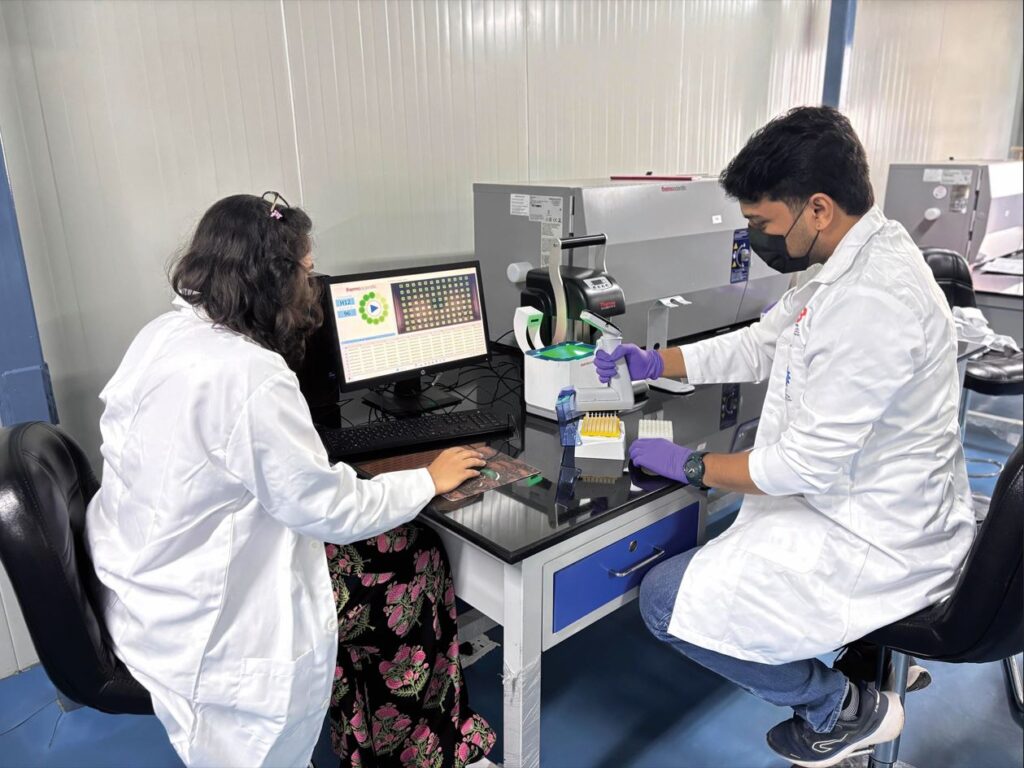
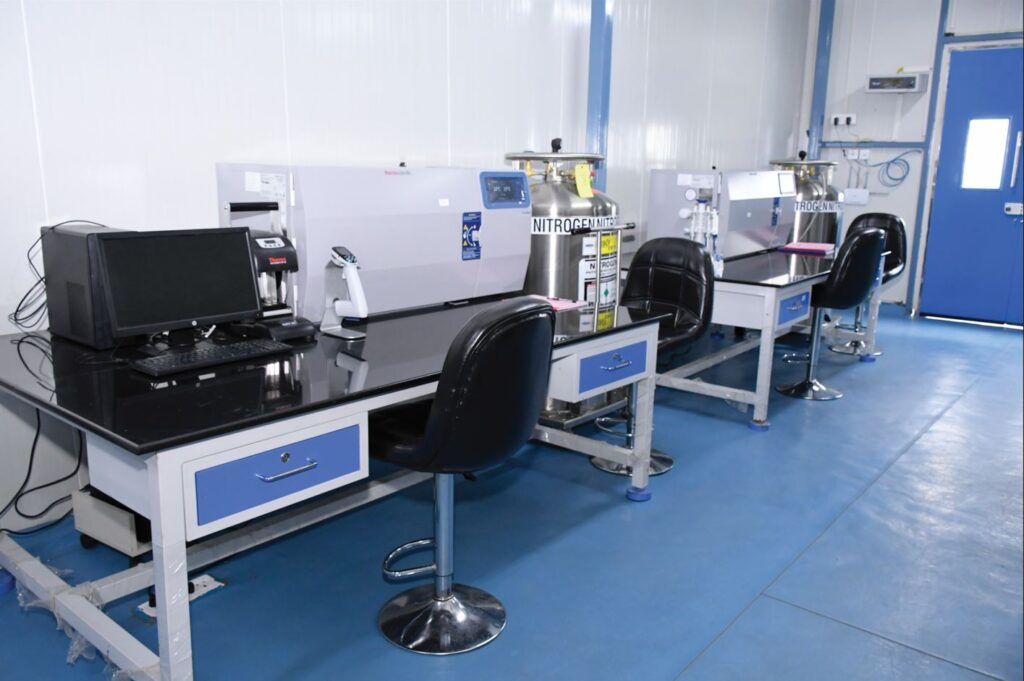
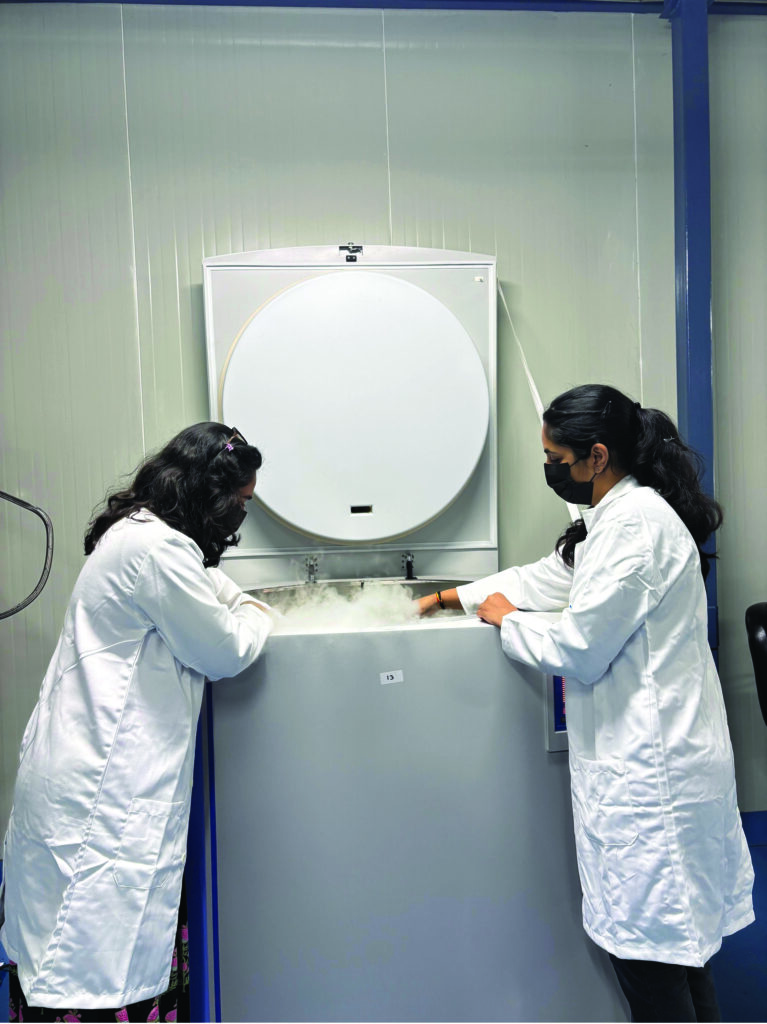
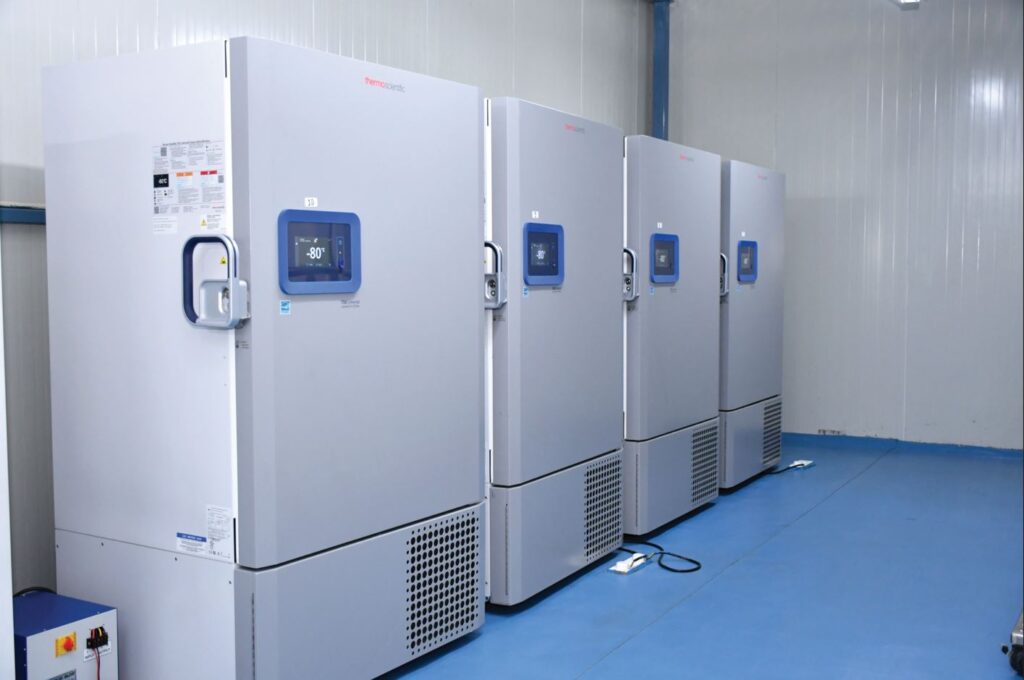
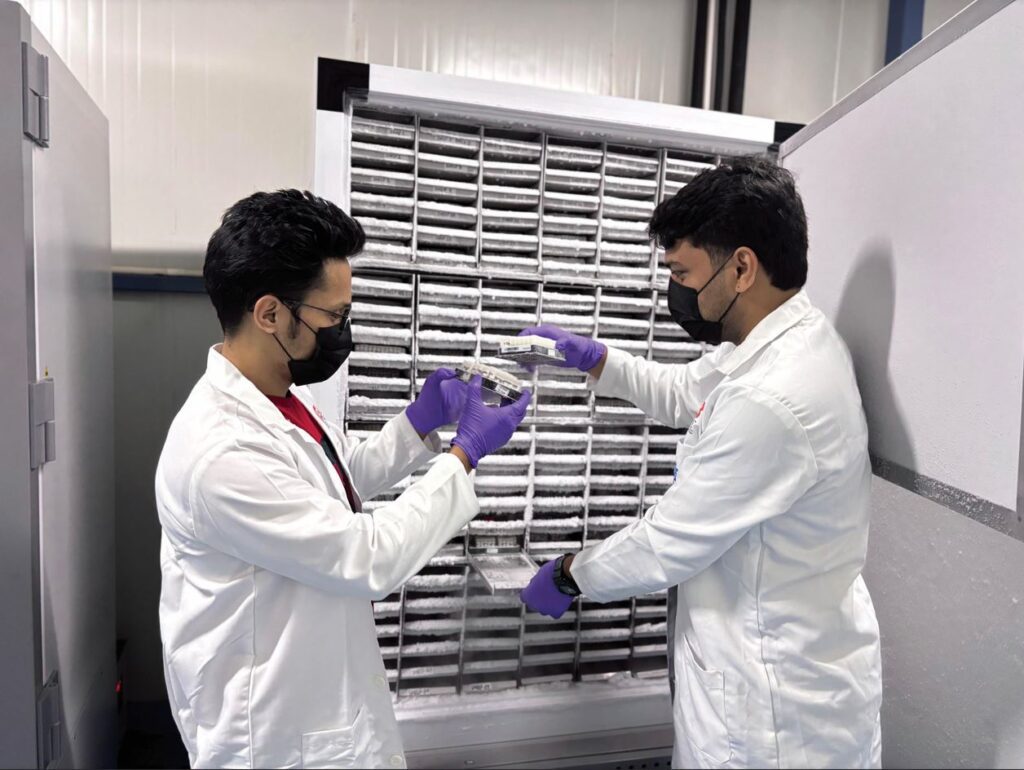
The Biobank stores samples in various forms, such as fresh-frozen, cryopreserved, or processed derivatives (e.g., extracted DNA/RNA, cell lines). The Biobank adheres to global biobanking best practices, ensuring ethical sample collection, informed consent and secure long term storage. Samples are stored in ultra-low temperature freezers (-80°C) with liquid nitrogen backup under monitored and access control to maintain integrity and security for long-term research. With this facility of storage of samples, it is hoped that parameters affecting health for an average Indian would be understood better, especially with the focus on cardio-metabolic diseases (diabetes, liver, cardiac).
From initial data of 10267 participants, it was observed that 56.9% were males and 43.1% females, with a median age of 51 yrs and 49 years respectively. Of these, 25.8% were diabetic as per self-declared history or diagnostic criteria from the ADA. While 16.2 percent of the participants, where the height and weight were recorded, had a normal Body Mass Index (BMI), as many as 82% of the participants were categorised as overweight or obese (BMI ≥ 23 kg/ m²), reflecting a population at risk for metabolic-associated liver conditions. Thus, the initial analysis is revealing interesting parameters, which will need to be considered seriously for India’s health policy.
The initial analysis also showed that there are many individuals, who typically do not test themselves periodically, and possibly already have developed health conditions which need clinical interventions. The reluctance to do periodic check-ups occurs widely in India, and has been one of the important lessons from the Phenome India project. The deeper lesson, and well known in the healthcare providers, is that periodic check-ups are essential after a particular age of an individual. That is when different metabolic imbalances start showing up. Thus, if any of the parameters start appearing out of range of normal limits, it is critical to begin correcting that individual’s condition. A large public engagement campaign, similar to that happened during the elimination of polio, might address this important issue.
All health data collected under the Phenome India project are stored in accordance with international biobanking standards. The data are fully de-identified to ensure participant confidentiality and are managed in compliance with national and international ethical guidelines, including informed consent and secure data handling protocols. As a long-term strategy, it will be important to keep collecting such data periodically from the cohort of ~10,000 individuals for many years so that a deep understanding of what affects the health of an average Indian will be gained.
The Phenome India project of CSIR and the related National Biobank is therefore a landmark step in understanding parameters that affect the health of an individual in India. The climate, environment, food habits and lifestyle conditions of every individual being recorded, and then correlated with the metabolic signatures will allow public health researchers and policy makers alike in defining the health of Indian citizens in the coming times.
ACKNOWLEDGEMENTS
I acknowledge the summary of the project received from Dr Souvik Maiti, Dr Shantanu Sengupta, Dr Viren Sardana and Dr Kumardeep Choudhury of the CSIR-Institute of Genomics and Integrative Biology, New Delhi. I also acknowledge Dr Anurag Agarwal in formulating the project in consultation with a large number of public health experts in India and for many discussions during that period. Financial support from a generous philanthropic donation by Dr Anand Deshpande to the Savitribai Phule Pune University, and the Department of Science and Technology, Ministry of Science and Technology, Government of India is gratefully acknowledged.
*The writer is a Distinguished Professor, Bioinformatics Centre, Savitribai Phule Pune University and JC Bose Fellow, BRIC- National Centre for Cell Science, Pune. He is the former Director General, CSIR and Secretary, DSIR, Govt of India. Currently, he serves as the chairman of the board of Biotechnology Consortium of India, Ltd, a technology transfer company, and is an Independent Director on the board of Tata Steel Ltd.