





IN FOCUS: NATIONAL INSTITUTE OF BIOLOGICALS, NOIDA
A mother walks into a government hospital with her child for vaccination. A doctor orders a blood test to confirm an infection. A diabetic patient injects insulin before breakfast. Somewhere else, a couple undergoing infertility treatment relies on fertility hormones. A cardiac patient receives heparin to prevent clotting, or streptokinase in an emergency to dissolve a life-threatening clot. A cancer patient undergoes treatment with a monoclonal antibody therapy. A child with a bleeding disorder depends on a plasma-derived medicine to prevent dangerous haemorrhage. None of them has heard of the National Institute of Biologicals. Yet, quietly and consistently, their safety depends on it.
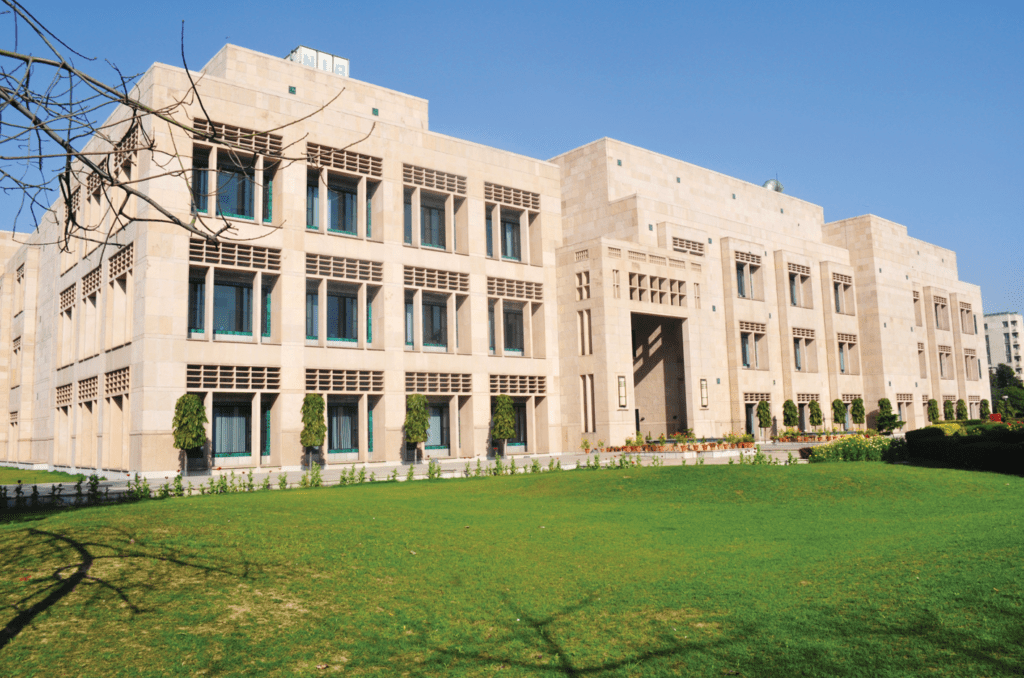
Tucked away in Noida, the National Institute of Biologicals (NIB) works behind the scenes so that the biological products used across India are safe, effective, and of assured quality. It does not manufacture biological products—neither vaccines nor diagnostic kits. It does not run hospitals. It performs a responsibility that is less visible but deeply critical: it checks.
WHAT EXACTLY DOES NIB DO?
Biologicals are products derived from living systems which are complex and sensitive. Biologic drugs are a sensitive class of medicines—highly effective, life-saving, often expensive, and precisely targeted in the field of rheumatology, oncology, diabetes management etc. This class of drugs has emerged as a therapy of choice where traditional chemical drugs fail to serve the purpose. They include biologicals such as vaccines, blood products, insulin, monoclonal antibodies, and diagnostic kits like HIV or hepatitis test kits. They require specialised bioassays, cell-based testing, and functional evaluation—methods that demand high technical expertise and strict environmental control.
NIB is a scientific autonomous institute under the Ministry of Health & Family Welfare that independently tests biological products—whether manufactured in India or imported—sent by regulatory authorities and government medical procurement agencies. It is notified as a Central Drugs Laboratory and Central Medical Device Testing Laboratory under Indian law. NIB is the designated central laboratory for quality testing of a wide range of biologicals before market release, ensuring public health safety through evidence-based testing and data-driven decision-making.
NIB weeds out “Not of Standard Quality” biological products from reaching into the market. NIB acts as a scientific checkpoint preventing the release of substandard products in Indian market.
This need for rigorous scientific scrutiny is particularly important for diagnostic kits, as their results directly influence clinical decisions and patient management.
NIB helps the regulators take the regulatory decision based on the Performance Evaluation (PE) reports received from NIB. The first three batches of biologicals are tested at NIB, referred to as PE, to ensure accuracy, reliability, and consistency in results before being introduced into healthcare settings. By assessing sensitivity, specificity, precision, and overall clinical performance, the evaluation minimises the risk of false positive and false negative results that could lead to inappropriate treatment or missed diagnoses. It also ensures compliance with regulatory standards set by national and international authorities, thereby protecting patient safety and maintaining quality in laboratory testing, diagnostic systems and supports effective disease management as well as informed public health decision-making.
In practical terms, it serves as a critical checkpoint, ensuring that only safe, effective, and properly evaluated biological products reach hospitals and patients, thereby strengthening public health protection.
GROWING WITH INDIA’S HEALTHCARE NEEDS
Over the past decade, India’s biopharmaceutical sector has expanded rapidly in vaccines, diagnostic kits, and advanced therapies. NIB has simultaneously enhanced in matching the expansion to cover more biologicals under the portfolio for Quality Control testing. This expansion reflects not just institutional growth, but the changing landscape of biologicals with medicinal applications including recombinant proteins, monoclonal antibodies, advanced diagnostic panels, and emerging pathogen kits.
As India’s health system becomes more sophisticated, NIB strengthens the quality control backbone.
During the COVID-19 pandemic, while continuing its routine statutory quality control testing of biologicals to ensure there was no disruption in the supply of quality-assured medicines, NIB also took on additional national responsibilities. The institute established and operated 24×7 one of the country’s first high-throughput laboratories for testing COVID-19 suspected clinical samples, functioning with stringent biosafety protocols and without a single laboratory-acquired infection. Simultaneously, it independently evaluated and batch-tested COVID-19 diagnostic kits before they reached millions of citizens. At a time of urgency and uncertainty, this scientific validation ensured that speed did not compromise safety or quality.
QUALITY ABOUT QUALITY
NIB has been accredited to ISO/IEC 17025 since 2011. This is an internationally recognised standard that certifies the competence of testing laboratories, which means that NIB’s methods, equipment, staff training, documentation, and results meet globally accepted norms.
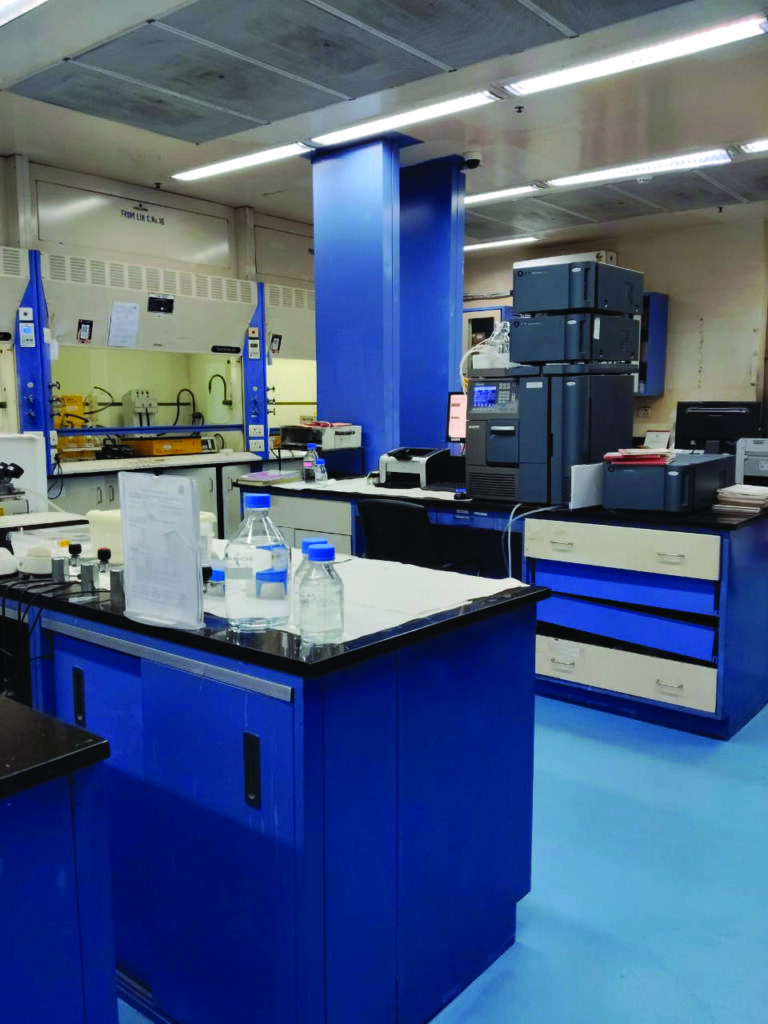
Its laboratories regularly participate in international proficiency testing programmes conducted by agencies such as the European Directorate for the Quality of Medicines (EDQM), WHO, and reference laboratories in Australia and India. These exercises are like exams for laboratories—blind samples are tested, and results are compared internationally. Consistent performance builds confidence that Indian testing standards are on par with the world.
THE SCIENCE OF REFERENCE STANDARDS
Behind every accurate test lies a benchmark. For biological products, that benchmark is called a reference standard.
NIB is the sole repository in India for national reference standards for Human Insulin and Insulin Lispro and for the performance panels used in HIV, Hepatitis B, Hepatitis C, and Syphilis testing. These reference materials act like gold standard. Laboratories and manufacturers compare their products against these to ensure accuracy and consistency.
NIB also advanced strategies for developing reference standards for various biologicals such as monoclonal antibodies, recombinant proteins, and infectious biomarkers to name a few. Such work is technical, meticulous, and foundational for the future of biologics in India.
This places the institute within a global scientific network, contributing not just nationally but internationally.
BEYOND TESTING: KNOWLEDGE AND RESEARCH
Though its primary role is statutory testing, NIB is not merely a testing house. It also serves as a vibrant centre of scientific research, innovation, and academic engagement that strengthens the scientific foundation of biological quality assurance in India.
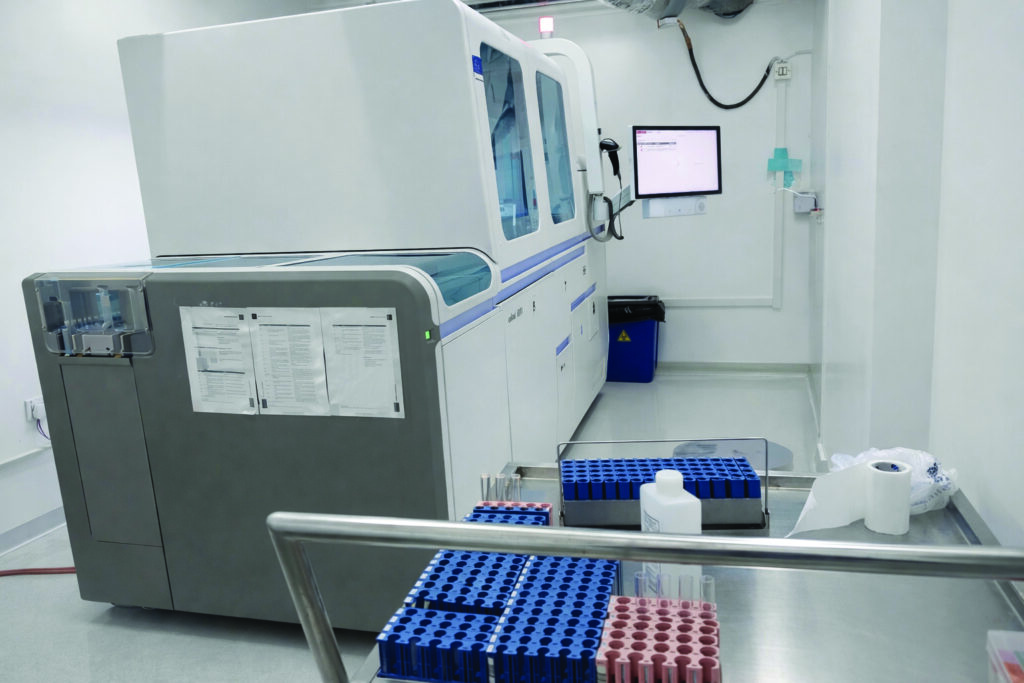
Scientists undertake extramural research projects funded by funding agencies as well as intramural research projects aligned with evolving public health priorities. Their work contributes to peer-reviewed publications, patents, and scholarly books addressing quality control, standardisation, and regulatory aspects of biologicals. This integration of research with regulatory science ensures that testing methodologies remain contemporary, evidence-based, and responsive to emerging health challenges.
Few of the significant innovations developed under the leadership of the scientists include patents on the detection of dengue virus serotypes and primer-probe sets for the rapid and accurate diagnosis and differentiation of Omicron and Delta variants of SARS-CoV-2. The dengue serotyping system enables accurate identification of circulating serotypes, which is critical for clinical management, epidemiological mapping, and outbreak control. The allele-specific primer-probe sets facilitate rapid and precise differentiation of SARS-CoV-2 variants, strengthening molecular diagnostics and enabling timely public health responses during pandemic situations. These contributions highlight the institute’s role not only in quality assurance but also in advancing diagnostic innovation of national importance.
Through MoU with AcSIR, NIB runs a PhD programme that extends beyond regulatory quality testing. While scholars gain exposure to biological standardisation, bioassays, and regulatory science, research areas also encompass broader biomedical domains, including cancer-related research and other emerging areas in molecular biology, immunology and recombinant technology. This multidisciplinary approach ensures that doctoral research contributes both to regulatory strengthening and to advancing fundamental and translational biomedical science.
In addition, the institute has initiated postdoctoral fellowships to build advanced expertise. For young scientists, NIB provides a rare and meaningful platform where high-quality research, innovation, and regulatory science converge, ensuring that scientific rigour directly contributes to safeguarding public health.
TRAINING THE ECOSYSTEM
NIB regularly conducts structured training programmes for students, industry professionals, regulators, clinicians, and laboratory personnel. Postgraduate students from several states undergo two weeks of hands-on training in quality control of biologicals. In addition, many professionals and summer trainees are trained in specific testing techniques and validation methods.
Internal training is also emphasised. Lectures, workshops, and knowledge-sharing sessions ensure that staff remain updated with evolving technologies and regulations.
During the National Learning Week (Karmayogi Saptah), the institute actively participated in the Government of India’s capacity-building initiative under Mission Karmayogi. Employees across scientific, technical, administrative, and support cadres undertook structured online learning through the iGOT Karmayogi platform.
The leadership encouraged participation, monitored progress, and integrated the spirit of learning into regular institutional functioning.
In recognition of this high level of participation and timely completion, the institute was acknowledged by the Ministry of Health & Family Welfare as one of the best performing organisations during the National Learning Week. This recognition underscored NIB’s commitment not only to technical excellence in laboratory science but also to building a skilled, future-ready public service workforce.
WATCHING OVER BLOOD SAFETY
One of NIB’s significant responsibilities is coordinating the Haemovigilance Programme of India (HvPI). Haemovigilance is the science of monitoring adverse events related to blood transfusion. It aims to make blood transfusion safer by tracking and analysing reactions.

Over the past years, NIB has organised multiple workshops and conferences across the country, training participants, including doctors, nurses, blood bank staff, and postgraduate students. National-level events, collaborative CMEs, and awareness programmes marked World Blood Donor Day and other milestones.
For a patient receiving blood in a distant district hospital, the systems and awareness built through such programmes may never be visible. Yet they form a protective web.
SUPPORTING REGULATION ON THE GROUND
NIB’s expertise extends beyond laboratory walls. Its scientists contribute to joint inspections of manufacturing facilities in coordination with CDSCO, animal facility assessments under CCSEA and AAALAC, and even serve as NABL assessors.
They also provide expert inputs to organisations such as IPC, CDSCO, ICMR, DBT, NABL, and others. This cross-institutional engagement ensures that regulatory frameworks are scientifically grounded.
THE HUMAN SIDE
It is easy to view NIB as a cluster of laboratories and regulations. But at its heart are scientists, analysts, technicians, trainees, administrators—people committed to precision.
Testing biologicals is not glamorous work. It is repetitive, methodical, and often urgent. Samples arrive from across the country. Reports must be accurate and issued on time. Equipment must be calibrated. Documentation must be flawless. A single overlooked parameter could have public health implications.
The culture, therefore, is one of quiet discipline.
WHY IT MATTERS
India’s vision of “quality health and wellness for all” depends on multiple pillars: Doctors, hospitals, medicines, vaccines, public health programmes. But beneath these lies a foundational layer, which is of trust.
When a vaccine is administered, the public must trust that it is safe. When a diagnostic kit shows a positive or negative result, that result must be reliable. When insulin is injected daily, its potency must be consistent.
NIB SAFEGUARDS THAT TRUST
Each tested batch, each reference standard developed, each training session conducted strengthens the invisible architecture of public health.
A QUIET BACKBONE
Most citizens will never visit NIB. They may never hear its name. But in a way, they encounter its work every time a biological product performs as expected.
From routine batch testing to advanced reference standard development. From local workshops to international collaborations. The journey reflects both growth and responsibility.
In an age when science often makes news through breakthroughs and innovations, institutions like NIB remind us of another kind of scientific service—the steady, methodical assurance that what reaches the public is safe and of standard quality.
It is the work of a silent guardian.
And in public health, silence—when everything works as it should—is often the best outcome.
*Dr Neelima Mishra is Director, the National Institute of Biologicals (Ministry of Health & Family Welfare), NOIDA, where Dr Gauri Misra is Scientist Grade-I & Head, Molecular Diagnostics, COVID-19 Kit Testing Lab and Sample Receipt Report Dispatch Unit, and Shalini Tewari is Scientist Grade-III, Head, Quality Management Unit.