



In 1993, Steven Spielberg’s film Jurassic Park captivated audiences worldwide with its intriguing idea, the potential of resurrecting extinct species through advancements in genetic engineering. While entirely fictional, the film sparked curiosity and inspired scientific investigation into reviving ancient creatures like the woolly mammoth or passenger pigeon. Thirty years later, researchers are exploring what was once considered science fiction. Techniques like cloning, genetic engineering, and selective breeding are becoming part of fundamental conservation strategies.
Several companies and institutions are at the forefront of these de-extinction efforts. Colossal Biosciences, a US-based biotech company, has gained wide attention for its ambitious projects to bring back the woolly mammoth and the thylacine (Tasmanian tiger) using preserved DNA and advanced gene-editing techniques like CRISPR. Although reviving dinosaurs remains improbable, progress in cryopreservation and biobanking is crucial to these efforts.
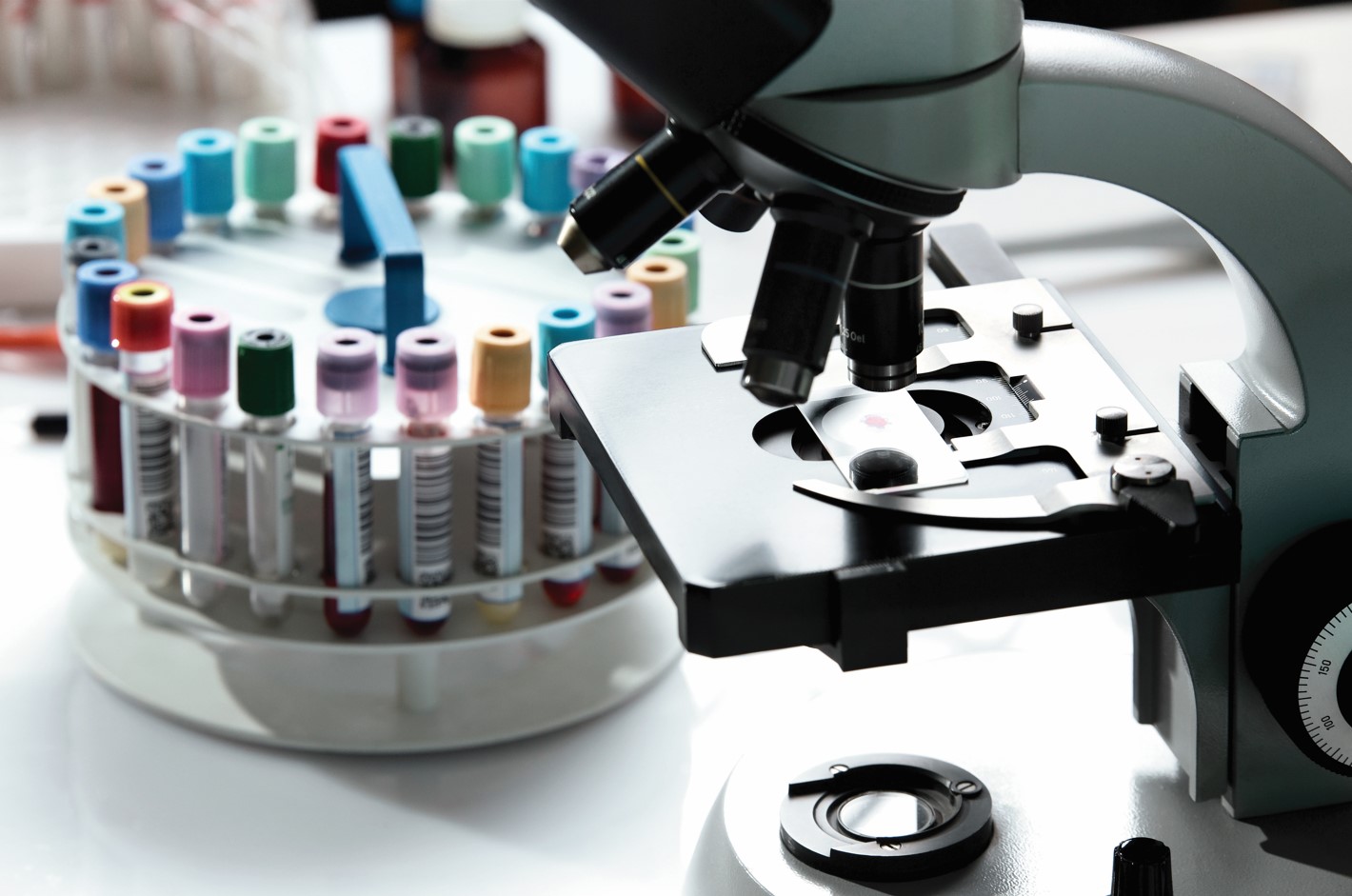
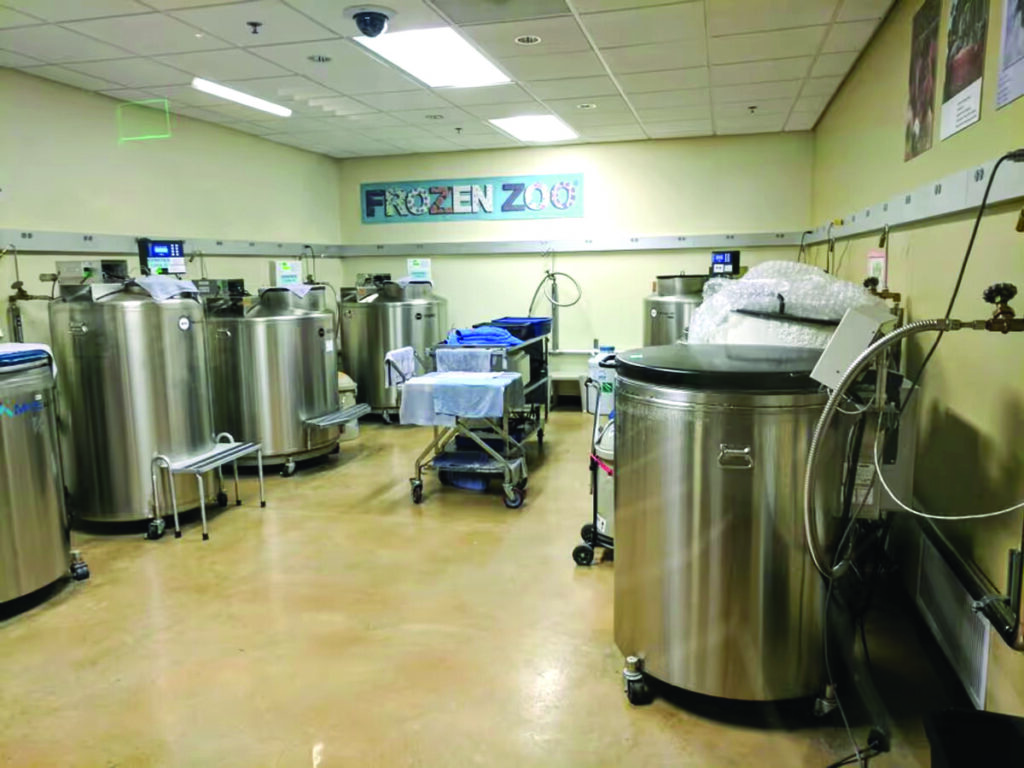
Biobanks are specialised facilities that preserve the genetic material of living organisms at low temperatures, serving as modern havens for biodiversity. They serve a dual purpose: Supporting the study and conservation of existing species and enabling the potential re-creation of species lost to extinction. In Darjeeling, India, the Padmaja Naidu Himalayan Zoological Park has pioneered this effort by establishing a comprehensive biobank. This initiative offers hope for endangered Himalayan species and contributes to global genetic conservation efforts to revive at-risk species.
THE GENESIS OF MODERN CONSERVATION BANKING
The concept of biobanking in wildlife conservation has emerged as a vital response to the limitations of traditional conservation methods, especially in light of rising extinction rates. With habitat destruction, climate change, and human activities posing significant threats to biodiversity at an alarming pace, researchers recognise the urgent need for innovative strategies to protect genetic diversity. Cryopreservation, which involves storing biological materials such as sperm, eggs, embryos, and tissue samples at ultra-low temperatures (typically -196°C (-321°F) using liquid nitrogen), has become a powerful tool, effectively creating a ‘genetic safety net’ for endangered or extinct species. The pioneering efforts of organisations like the San Diego Zoo’s Frozen Zoo, established in 1975, demonstrated the extensive potential of this approach, amassing the largest collection of living cell cultures worldwide from over 1,200 species. Today, this model has inspired a global network of biobanks, each tailored to meet local conservation goals, ranging from India’s initiatives to safeguard Himalayan species to European projects to preserve critically endangered wildlife. These frozen repositories provide several crucial functions: Acting as a safeguard against extinction, supplying genetic material to support captive breeding programmes, and holding the promise of resurrecting extinct species through advanced biotechnology. While biobanking cannot replace the vital need for habitat preservation and ecosystem restoration, it offers an essential safety measure that conserves the core genetic resources of life as species disappear from their natural habitats.
DARJEELING’S FROZEN ZOO: A HIMALAYAN INNOVATION
Nestled in the Eastern Himalayas, the Padmaja Naidu Himalayan Zoological Park has launched India’s first comprehensive wildlife biobank, a cutting-edge ‘frozen zoo’ poised to revolutionise conservation efforts locally. This facility currently conserves genetic samples from 60 animals across 23 endangered species. Cryogenic preservation at -196°C in liquid nitrogen halts biological activity, keeping cells, tissues, and reproductive materials viable for 40-45 years or longer. Beyond traditional zoos, this biobank protects living animals and their genetic legacy by collecting samples from present and past specimens to boost genetic diversity. Iconic species like the snow leopard and red panda exemplify how preserved DNA can ensure species survival even if they vanish from their natural habitats, enabling future restoration through cloning, assisted reproduction, or biotech innovations. Amid threats like habitat destruction and climate change, this frozen vault acts as a silent guardian, a biodiversity reserve that may reshape the prospects for endangered species.
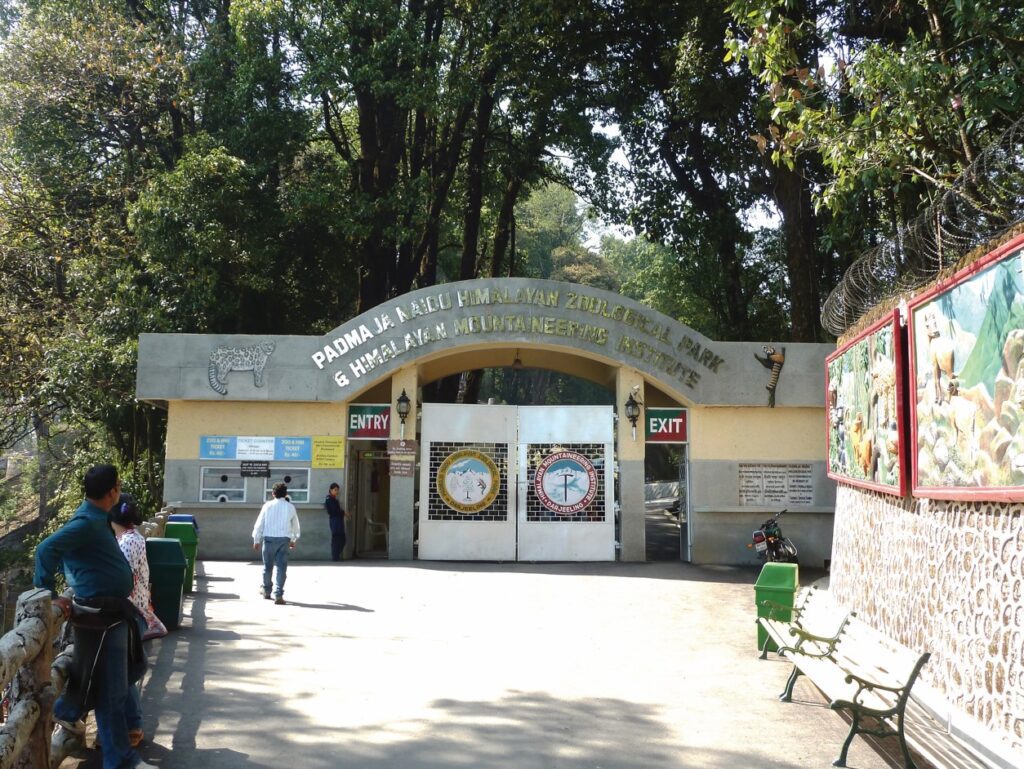
Image Courtesy: Wikimedia Commons
THE SCIENTIFIC FOUNDATION OF BIOBANKING
At its core, biobanking is based on a pioneering idea: Life can be paused in a deep freeze and revived when needed. This detailed process occurs in four carefully managed stages: Collection, preparation, cryoprotection, and storage, which are crucial for preserving biological materials. Researchers start by meticulously collecting samples such as skin, reproductive cells, and whole tissues treated with specialised cryoprotectant substances. These substances act as a protective barrier, preventing the formation of damaging ice crystals during freezing. The samples are gradually cooled to -196°C in liquid nitrogen tanks, entering a suspended animation state that could last centuries. The incredible potential of these frozen time capsules is extraordinary: Preserved sperm and eggs could help bring back extinct species through assisted reproduction, tissue samples open new doors for ground-breaking genetic research, and advanced cell lines may even enable the cloning of entire organisms.
HIMALAYAN SPECIES: A CONSERVATION PRIORITY
The Padmaja Naidu Himalayan Zoological Park biobank is a vital resource for some of the world’s most endangered mountain species, facing serious threats from climate change and habitat destruction. Among its most iconic inhabitants are the elusive snow leopard, known for its specialised alpine adaptations that make it particularly sensitive to environmental shifts, and the charming red panda, whose conservation programme has recently gained international recognition as a finalist for the esteemed 2024 WAZA Conservation Award. The facility plays a key role in preserving genetic material from Siberian tigers, agile gorals, and mountain goats, crucial indicators of ecosystem health and various endangered bird species, thereby creating a comprehensive genetic repository of Himalayan biodiversity. For species such as the red panda, which has experienced a 50% population decline in recent decades, and the snow leopard, with fewer than 7,000 individuals remaining worldwide, this frozen repository offers more than hope— it serves as a vital scientific resource for future conservation efforts. In an area experiencing rise in temperatures at a rate three times that of the global average, this icy refuge could be a crucial safeguard for the unique wildlife of the Himalayas.
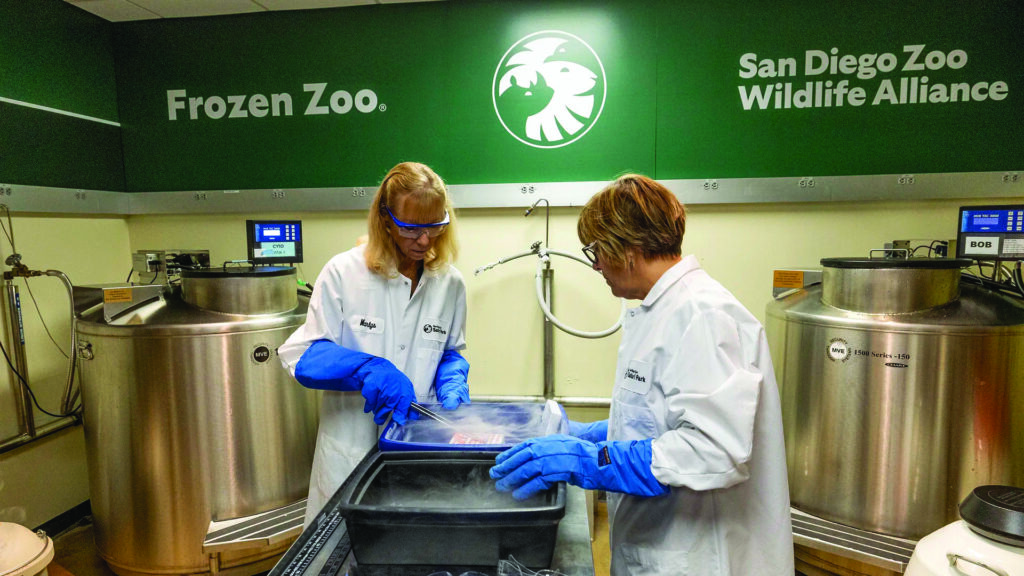
Images Courtesy: San Diego Zoo Wildlife Alliance
THE BROADER CONTEXT OF WILDLIFE BIOBANKING
Wildlife biobanks have become vital tools in 21st-century conservation, functioning as advanced genetic repositories beyond mere preservation. These modern facilities offer three key benefits: Enabling innovative research, supporting improved breeding efforts, and safeguarding against extinction. By storing frozen genetic samples, scientists can explore evolutionary questions and assess genetic diversity without disturbing vulnerable wild populations, information that informs better conservation decisions. Biobanks serve as genetic archives for breeding, providing DNA from long-deceased specimens to help sustain captive populations and reduce inbreeding risks. Most importantly, amid rising biodiversity loss, these frozen collections act as a last-resort safety net, a biological backup ensuring that species are not lost forever. As climate change accelerates and habitats diminish, biobanks help preserve genetic material for potential revival via future reproductive or de-extinction techniques. From the Himalayas to the Amazon, this global network of genetic reserves transforms conservation, making what once seemed a permanent loss potentially reversible.
CHALLENGES AND TECHNOLOGICAL CONSIDERATIONS
While biobanking holds transformative promise for conservation efforts, it faces significant challenges. The costs are substantial; establishing a biobank requires six-figure investments in cryogenic storage, backup power, and high-precision monitoring systems, making comprehensive facilities inaccessible for many conservation initiatives. Scientific difficulties are also considerable: Creating species-specific freezing protocols involves meticulous trial-and-error, as techniques effective for snow leopard sperm may not work for red panda cells. Even with optimal protocols, outcomes can be unpredictable; some samples lose viability over time despite ideal conditions. Additionally, biobanking depends on rare expertise, such as cryobiologists skilled in safely freezing and reviving living specimens. Ensuring quality adds further complexity, requiring routine viability testing and careful record-keeping of each sample’s lifecycle. These obstacles explain why fewer than 50 major wildlife biobanks exist globally, yet for critically endangered species with limited options, solving these frozen puzzles could be key to their survival.
FUTURE PROSPECTS AND EMERGING TECHNOLOGIES
The future of biobanking is being revolutionised by innovative technologies that aim to transform conservation efforts. Advances in cryopreservation, including improved cryoprotectants and precise cooling techniques, are leading to higher success rates in preserving sensitive biological materials. Even more transformative is stem cell technology, which allows ordinary skin cells to be reprogrammed into pluripotent stem cells capable of turning into any cell type, such as eggs and sperm, potentially addressing the challenge of obtaining reproductive materials from endangered species. Additionally, CRISPR gene editing offers possibilities to correct genetic flaws in stored samples or even rebuild lost genomes. AI is also emerging as a key tool, enhancing preservation methods through machine learning algorithms that analyse numerous variables to forecast sample viability. These technologies drive biobanking beyond basic storage into active species restoration, where synthetic biology could someday turn frozen cells into living animals. Despite challenges, these innovations point to a future where biobanks store genetic information and participate actively in species resurrection, turning science fiction into conservation reality.
CONCLUSION: FROM IMAGINATION TO PRESERVATION
Thirty years after Jurassic Park ignited our imagination, modern conservationists are turning genetic resurrection from Hollywood fantasy into scientific reality, though with more ethics and fewer dinosaurs. Facilities like the Padmaja Naidu Himalayan Zoological Park’s biobank exemplify a new era of ‘frozen conservation’, where liquid nitrogen replaces amber as nature’s preservative. Just as the biblical Noah’s Ark aimed to save life in the face of annihilation, biobanks act as lifeboats for endangered species, ensuring that their genetic legacy endures even if the living populations perish. These genetic arks serve two purposes: Acting as an emergency brake on extinction today while safeguarding options for species recovery in future. Biobanks are not just tools for Earth-bound conservation—they’re essential infrastructure for sustainable life beyond Earth. By preserving life’s genetic blueprints, they empower future space settlers to rebuild ecosystems, treat disease, reproduce safely, and ensure life’s continuity across the cosmos.
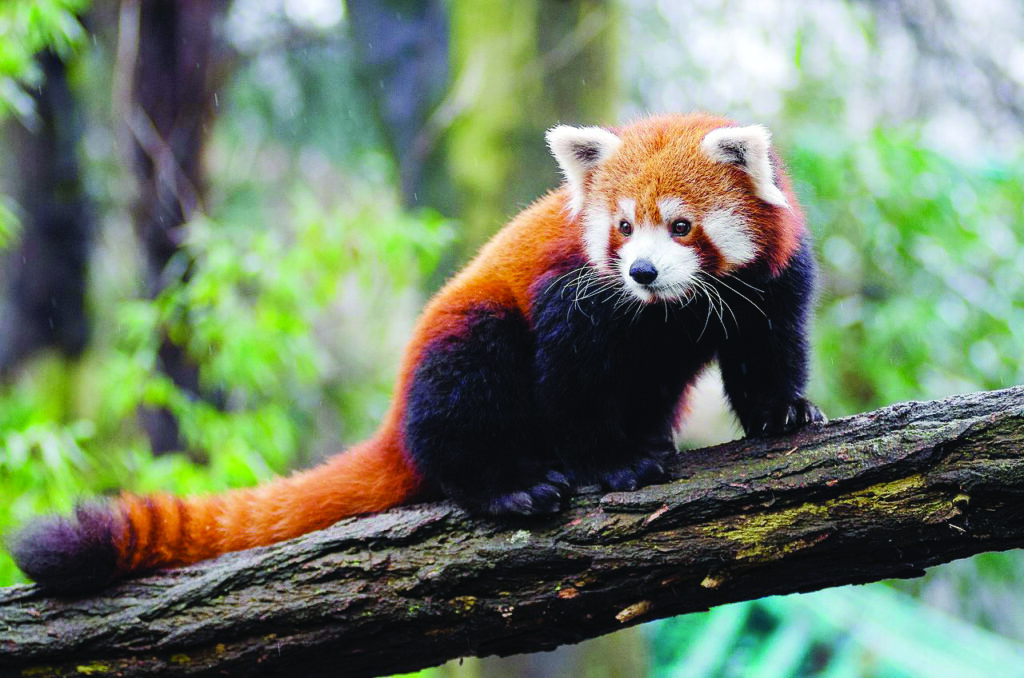
50% decline in population in recent decades
Image Courtesy: Wikimedia Commons
As climate change speeds up biodiversity loss at unprecedented rates, biobanks shift from backup plans to frontline defences—protecting individual species and entire genetic lineages that might otherwise vanish forever. Yet, the true power of this technology lies in its preventive potential; by maintaining living genetic diversity, we may prevent the need for de-extinction science altogether. The challenge is moving from technical feasibility to global responsibility, requiring international cooperation, ethical frameworks, and public engagement that match our scientific capabilities. In conserving the building blocks of life today, we bestow future generations with more than memories of lost species—we provide them with the tools to preserve the Earth’s incredible biodiversity. The frozen vials in Darjeeling and other biobanks worldwide contain not just cells, those are reserves for maintaining life and resurrection of life on this planet or elsewhere, where we hope to expand human species in future.
*Dr Dharmapalan is the Dean-Academic Affairs, Garden City University, Bangalore, and an adjunct faculty at the National Institute of Advanced Studies, Bangalore. He can be reached at bijudharmapalan@gmail.com. Dr Sasi is a professor at Garden City University, Bangalore. He can be reached at jyothishmadambi@gmail.com.