


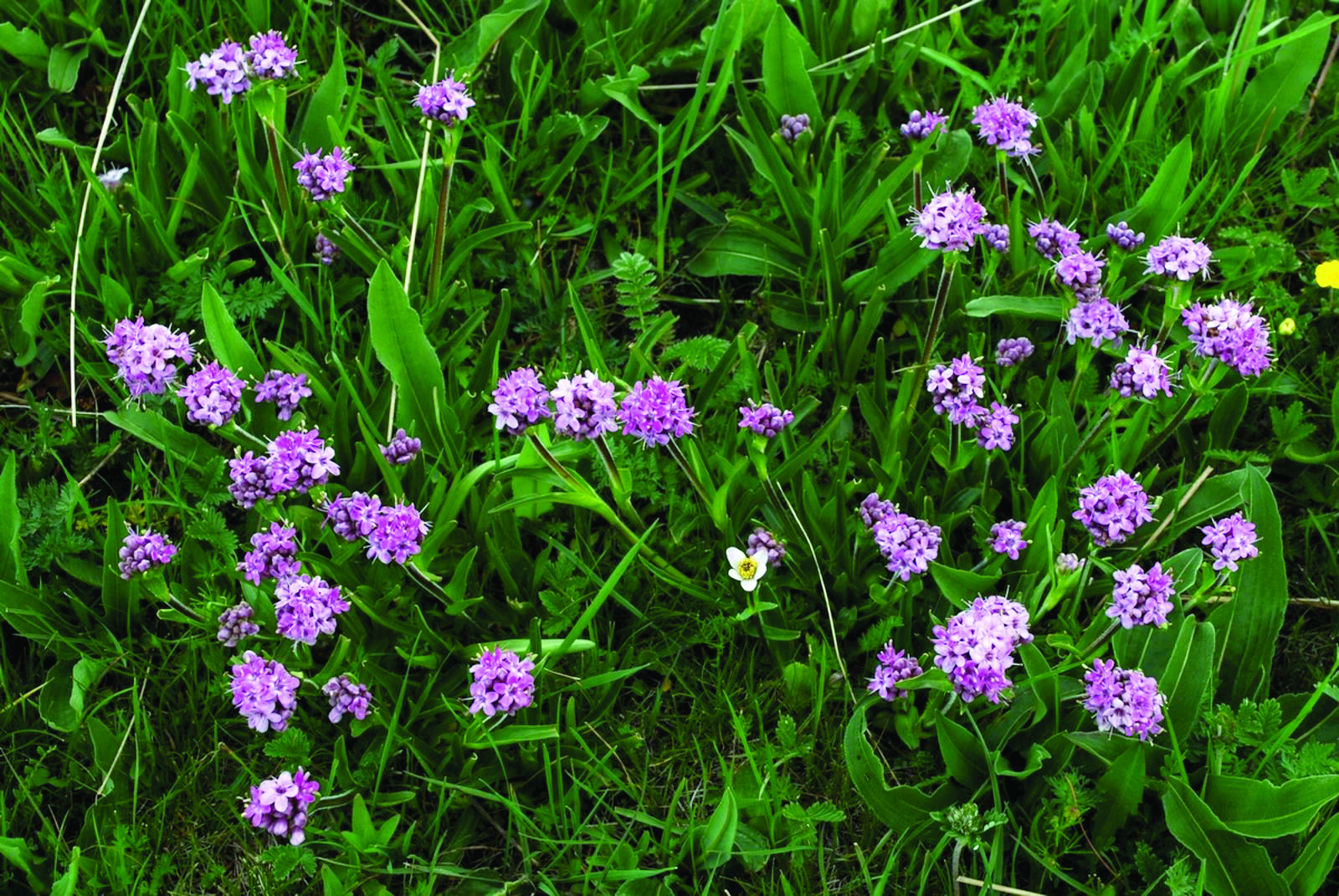
HERB HERITAGE: JATAMANSI
In an age defined by constant connectivity, the human nervous system is under unprecedented strain. Notifications, prolonged screen exposure, and the cognitive demands of multitasking have created a state where the mind rarely switches off. Sleep is delayed, attention is fragmented and restfulness—once natural—has become elusive.
Modern science describes this as chronic sympathetic activation and cognitive overload. Ayurveda, centuries earlier, described a similar state as Vata prakopa affecting the Manovaha srotas, leading to conditions such as Nidranasha (insomnia), Chittodvega (anxiety) and Manas vikara.
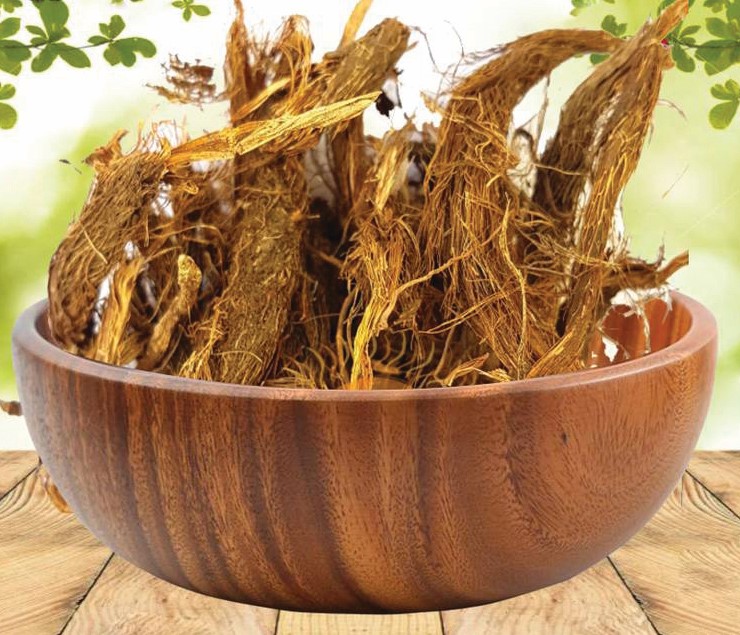
Within this framework, Nardostachys jatamansi—known as Jatamansi—emerges as an herb of remarkable relevance. Traditionally used for calming the mind and stabilising mental function, Jatamansi offers a pathway to restore balance in an overstimulated nervous system.
CLASSICAL IDENTITY AND SAMHITA CONTEXT
Jatamansi is described in classical Ayurvedic literature including the Charaka Samhita, Sushruta Samhita and Ashtanga Hridaya, particularly in the context of Manas roga and neurological disturbances.
It is indicated in conditions such as:
- Unmada (psychiatric disorders)
- Apasmara (epileptic conditions)
- Nidranasha (insomnia)
Later texts like the Bhavaprakasha Nighantu further elaborate its properties as Medhya, Manas shamak and Nidrajanana.
Its pharmacodynamic profile includes:
- Rasa: Tikta, Kashaya
- Guna: Laghu, Snigdha
- Virya: Shita
- Vipaka: Katu
- Dosha karma: Tridosha balancing with emphasis on Vata-Pitta pacification
This combination reflects an herb that soothes without excessively dulling and stabilises without suppressing.
THE DIGITAL MIND AND VATA AGGRAVATION
The modern digital environment continuously stimulates the senses—visual input from screens, auditory alerts and cognitive engagement with rapid information streams.
From an Ayurvedic perspective, this leads to:
- Vata aggravation: Due to excessive sensory input and irregular routines
- Rajas predominance: Mental restlessness and overactivity
- Disturbance of Manovaha srotas
SYMPTOMS MANIFEST AS:
- Difficulty in initiating sleep
- Racing thoughts
- Reduced attention span
- Emotional fatigue
Unlike physical exertion, this form of fatigue does not resolve with rest alone as the mind remains active. Jatamansi addresses this imbalance not by inducing forced sedation, but by modulating the underlying neural rhythm.
A NEURO-REGULATOR, NOT JUST A SEDATIVE
Jatamansi is often simplistically described as a ‘sleep-inducing herb’. However, its classical indications and emerging research suggest a more nuanced role.
It functions as a neuro-regulator, helping to:
- Reduce excessive neural excitation
- Stabilise mood and emotional responses
- Support natural sleep cycles
Modern studies on Nardostachys jatamansi have demonstrated:
- Anxiolytic and sedative effects
- Neuroprotective activity against stress-induced damage
- Modulation of neurotransmitter systems, including GABAergic pathways
- Potential MAO inhibitory activity, relevant in mood regulation
These findings align with its traditional use in calming the mind and restoring balance in Manas.
JATAMANSI AND SLEEP IN THE TECH ERA
Sleep disruption is one of the most visible consequences of technology-driven lifestyles. Blue light exposure delays melatonin release, while cognitive stimulation prolongs sleep latency.
Ayurveda conceptualises sleep (Nidra) as a natural state arising from balance between body and mind. When Vata is aggravated, this balance is disturbed.
Jatamansi supports sleep by:
- Calming sensory overactivity
- Reducing mental agitation
- Supporting the transition into natural sleep
Unlike strong sedatives, it does not impose sleep but facilitates its onset.
DISTINGUISHING JATAMANSI FROM OTHER MEDHYA HERBS
Ayurveda offers multiple herbs for mental health, but their actions differ. In the digital context, this distinction is crucial. While some individuals require enhanced focus, others require deceleration of excessive mental activity.
Jatamansi addresses the latter—making it particularly relevant in conditions of overstimulation rather than cognitive deficiency.
BEYOND THE MIND: BROADER AYURVEDIC ACTIONS
While Jatamansi is widely recognised for its effects on the mind, classical usage extends beyond neurological indications.
1. Manas and Medhya Action
Jatamansi is described as Medhya, supporting clarity, emotional balance and cognitive steadiness—not by stimulation, but by calming excessive mental activity.
2. Hridya (Cardiac Support)
Ayurvedic practice associates Jatamansi with calming the heart-mind axis, particularly in stress-induced palpitations and emotional disturbances.
3. Kushtaghna (Skin Health)
It has been used in certain skin conditions, especially those linked with stress, inflammation or Pitta imbalance, reflecting the mind–skin connection described in Ayurveda.
4. Jvaraghna (Support in Fever)
In classical formulations, Jatamansi appears in fever management, particularly where restlessness and delirium are present.
5. Varnya and Twachya (Complexion and Skin)
Its inclusion in oils and formulations indicates its role in improving skin health and complexion, especially in stress-related skin disturbances.
6. Vedanasthapana (Pain Modulation)
Through Vata pacification, it may contribute to relief in certain pain conditions associated with nervous system imbalance. These diverse actions highlight that Jatamansi is not merely a sedative, but a multi-system regulator, particularly where mind-body interactions are involved.
JATAMANSI AT HOME: SIMPLE AND SAFE USES
For readers navigating digital fatigue and sleep disturbances, Jatamansi can be incorporated in gentle ways:
1. For Sleep Support
A small quantity of Jatamansi powder taken with warm milk at night may help reduce sleep latency and calm the mind.
2. For Mental Restlessness
A mild infusion can be used occasionally to ease periods of heightened mental activity.
3. For Digital Burnout
Taken with a small amount of ghee, Jatamansi may help pacify aggravated Vata and support nervous system recovery.
4. For Evening Wind-Down
Incorporating it into a night time routine may help signal the body toward rest, especially in individuals with irregular sleep patterns.
Safety note: These uses are mild and generally safe. However, excessive or prolonged use without guidance may lead to undue sedation or dullness. Individuals on psychiatric medication should consult an Ayurveda practitioner before use.
FROM TEXT TO TABLE: JATAMANSI AT A GLANCE
- Primary action: Nervous system calming and regulation
- Classical indications: Unmada, Apasmara, Nidranasha
- Additional uses: Skin health, cardiac calmness, fever support
- Modern relevance: Sleep disturbance, anxiety, digital overstimulation
- Pharmacological insights: Anxiolytic, neuroprotective
- Functional role: Reduces overload, restores balance
- Best use: Evening or guided therapeutic use
INTEGRATING CLASSICAL WISDOM WITH MODERN NEUROSCIENCE
Jatamansi exemplifies how Ayurvedic concepts can be translated into modern physiological language. The idea of Vata-induced mental disturbance finds parallels in heightened neural excitability and dysregulated stress responses.
Contemporary research into stress pathways, neurotransmitters and circadian biology offers a scientific framework that complements classical insights.
However, Ayurveda’s strength lies in its holistic perspective—recognising that mental health is not merely biochemical but deeply connected to lifestyle, sensory input and internal balance.
A BROADER PERSPECTIVE
Technology has expanded human capability, but it has also challenged the nervous system in ways evolution did not anticipate. The inability to disengage from constant stimulation is emerging as a defining health concern of our time.
Jatamansi offers a counterbalance. It does not oppose technology, rather, it supports the human system in adapting to it. By restoring neural rhythm, it enables a more sustainable interaction with the digital world. Jatamansi represents a bridge between ancient wisdom and modern necessity. Its relevance lies in reminding us that the capacity to rest is as important as the ability to perform.
*The writer is an Ayurveda physician, DST Woman Scientist A, AIIMS New Delhi, and founder of Pratha Ayurveda.