



HERB HERITAGE: DARUHARIDRA
Modern lifestyles have transformed the landscape of disease. Sedentary routines, processed diets, environmental stress, and chronic metabolic overload have contributed to a steady rise in inflammatory disorders—ranging from metabolic dysfunction and fatty liver disease to acne, gut disturbances, and insulin resistance.
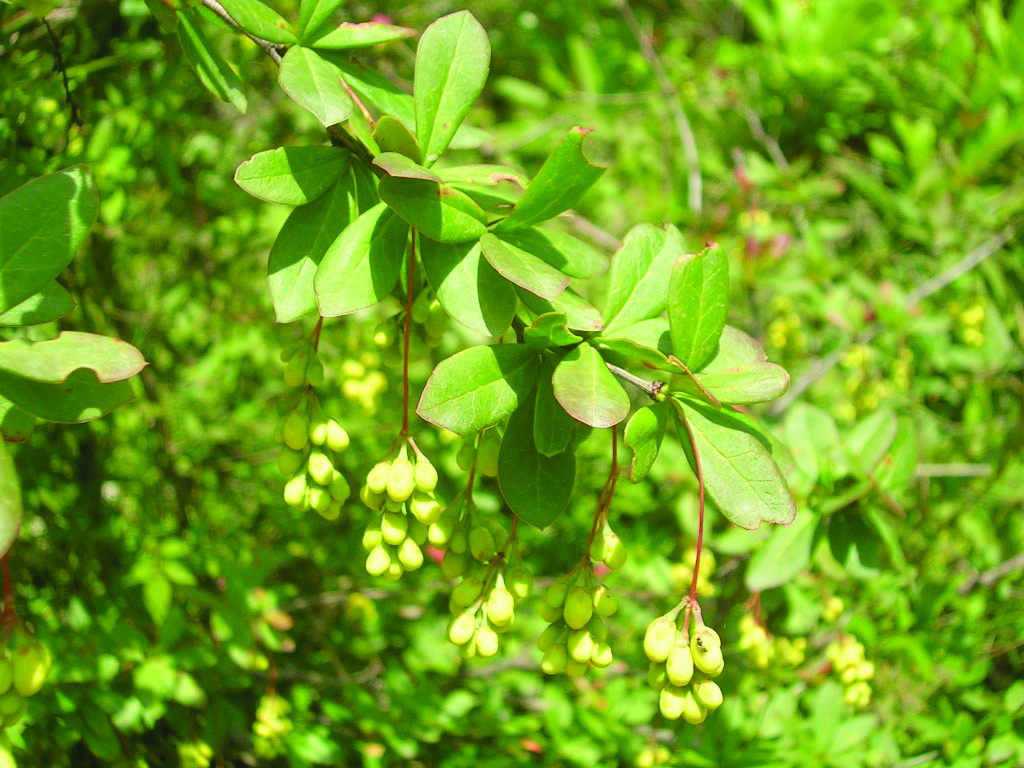
Long before the language of “chronic inflammation” emerged, Ayurveda described similar pathological states through concepts such as Pitta dushti, Rakta dushti, Ama accumulation, and impaired Agni. Among the herbs repeatedly employed to address these conditions is Berberis aristata, traditionally known as Daruharidra or Daruhaldi.
Though often overshadowed by Haridra (turmeric), Daruharidra occupies a distinct place in Ayurveda as a bitter, detoxifying and Rakta-pacifying herb with broad applications in skin, metabolic, hepatic, and ocular disorders. Today, with growing scientific interest in berberine-containing plants, Daruharidra is once again entering conversations around integrative medicine and nutraceutical science.
Daruharidra finds mention in classical texts including the Charaka Samhita, Sushruta Samhita, and Bhavaprakasha Nighantu.
In the Charaka Samhita, it is included in formulations addressing:
- Kushta (skin disorders)
- Prameha (metabolic disorders including diabetes spectrum)
- Netra roga (eye disorders)
The Sushruta Samhita particularly emphasizes its role in wound care and inflammatory conditions, while later Nighantus describe it as Kandughna (anti-pruritic), Kushtaghna, and Raktashodhaka.
Its pharmacodynamic profile includes:
- Rasa: Tikta, Kashaya
- Guna: Laghu, Ruksha
- Virya: Ushna
- Vipaka: Katu
- Dosha karma: Kapha–Pitta shamana
This combination reflects an herb that dries excess moisture, clears inflammatory accumulation, and restores metabolic balance.
WHY ‘DARU’ HARIDRA?
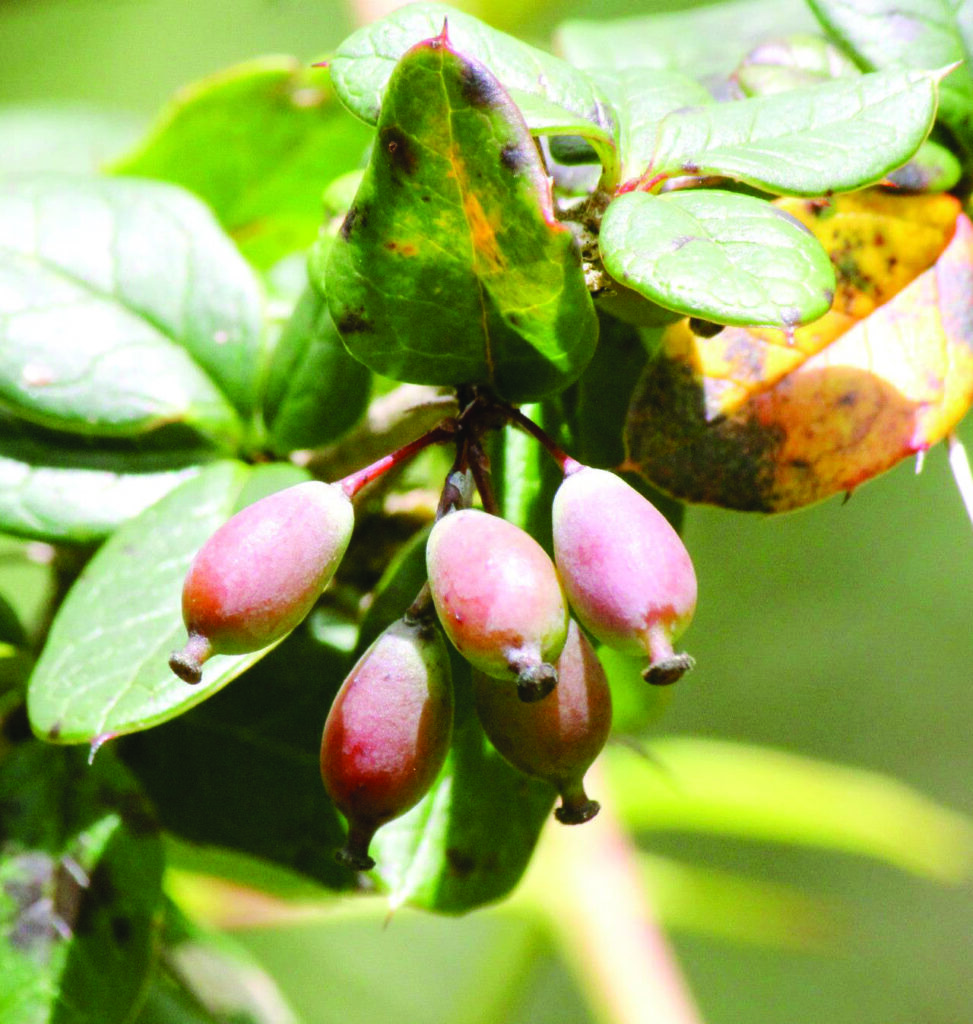
The name Daruharidra literally means ‘woody turmeric’. Although unrelated botanically to turmeric, the stem and roots possess a characteristic yellow coloration due to alkaloids such as berberine.
Traditional physicians differentiated Haridra and Daruharidra carefully:
- Haridra was more commonly associated with respiratory, allergic, and wound-healing applications.
- Daruharidra was preferred in deeper inflammatory and metabolic disturbances, especially involving Rakta and liver function.
This distinction reflects Ayurveda’s remarkable specificity in botanical therapeutics.
One of Daruharidra’s most important classical actions is Raktaprasadana—supporting the purity and balance of Rakta dhatu.
In Ayurvedic pathology, disturbed Rakta and Pitta frequently manifest as:
- Acne and inflammatory skin disorders
- Burning sensation
- Itching and redness
- Eye irritation
- Metabolic inflammatory states
Daruharidra’s Tikta-Kashaya profile helps counter these processes through drying, cleansing, and Pitta-pacifying action.
Modern research increasingly validates these classical observations. Berberine-rich extracts from Berberis aristata have demonstrated:
- Anti-inflammatory activity
- Antioxidant effects
- Antimicrobial properties
- Potential support in glucose and lipid metabolism
Studies have also explored berberine’s influence on insulin sensitivity, gut microbiota modulation, and hepatic metabolism—areas highly relevant in today’s metabolic health crisis.
Daruharidra offers an important reminder that cleansing and balance are central to health.
It is an herb that:
- Reduces excess without depletion
- Cleanses without harshness
- Corrects without overstimulation
Its value today lies not merely in berberine content, but in the sophisticated therapeutic context Ayurveda built around it centuries ago.
UNDERSTANDING DARUHARIDRA THROUGH AN AYURVEDIC SYSTEMS LENS
One of Ayurveda’s most sophisticated contributions lies in its ability to interpret disease as a network disturbance rather than an isolated organ pathology. Daruharidra exemplifies this systems-based approach.
Classically, conditions such as Kushta (skin disorders), Prameha (metabolic disorders), inflammatory eye diseases and chronic itching were not viewed as unrelated entities. Ayurveda connected them through shared disturbances involving:
- Agni (metabolic transformation)
- Ama (improperly processed metabolic residue)
- Pitta and Rakta dushti (inflammatory and circulatory imbalance)
- Impaired srotas function (microchannel dysfunction)
In modern biomedical language, these concepts may loosely parallel:
- chronic low-grade inflammation,
- oxidative stress,
- altered metabolism,
- microbiome imbalance,
- and inflammatory signaling pathways.
Daruharidra’s Tikta-Kashaya profile and Lekhana action help reduce excess accumulation while restoring metabolic clarity. Ayurveda therefore did not use the herb merely to ‘treat symptoms’, but to regulate. This becomes particularly relevant today, where inflammatory skin disorders, insulin resistance, fatty liver disease and gut dysfunction frequently coexist.
Ayurveda would interpret such overlap not as coincidence, but as evidence of a shared disturbance in internal balance.
Daruharidra’s repeated use across seemingly diverse conditions reflects this integrative understanding. Its action on Rakta, Pitta, Agni and Ama positions is as a regulator of inflammatory metabolism rather than a single-target intervention. This distinction is important when modern nutraceutical discourse reduces the herb only to berberine content or blood sugar effects. Ayurveda recognised the plant as acting upon an interconnected physiological network centuries before systems biology became a scientific discipline.
BEYOND BLOOD SUGAR: REFRAMING DARUHARIDRA
With the rise of nutraceutical formulations, Daruharidra is increasingly marketed through the lens of blood sugar management because of berberine research.
Many supplement brands today incorporate Daruharidra extracts into formulations targeting:
- Metabolic health
- Weight management
- Liver support
- Glycemic balance
However, reducing Daruharidra to a ‘natural berberine source’ overlooks its broader Ayurvedic identity. Ayurveda does not isolate one biochemical target. Daruharidra’s actions extend across:
- Rakta shodhana
- Kushtaghna karma
- Kandughna karma
- Lekhana (scraping excess accumulation)
- Krimighna (anti-microbial action)
Thus, its role is systemic—not singular.
DARUHARIDRA IN SKIN HEALTH
Among its most enduring classical applications is in skin disorders.
Texts repeatedly reference Daruharidra in:
- Kushta
- Kandu (itching)
- Vrana (wounds)
- Pidika (eruptive lesions)
Its bitter and drying properties help reduce inflammatory secretions and excessive oiliness, making it relevant even today in acne-prone skin patterns associated with Pitta-Kapha imbalance.
In traditional Ayurvedic practice, Daruharidra was incorporated into:
- Herbal pastes
- Washes
- Medicated oils
- Eye cleansing preparations
DARUHARIDRA AND GUT–LIVER AXIS
Ayurveda frequently connects skin disorders with disturbances in digestion and liver-associated metabolism.
Daruharidra’s role in improving Agni while reducing inflammatory burden makes it particularly important in conditions associated with:
- Ama accumulation
- Sluggish metabolism
- Pitta aggravation
- Hepatic stress
DARUHARIDRA AT HOME: SIMPLE AND SAFE USES
1. For Mild Skin Irritation
A paste prepared with Daruharidra powder and rose water may help soothe localised inflammatory skin discomfort.
2. For Acne-Prone Skin
Used in simple face packs with sandalwood or multani mitti, it may support oil balance and reduce Pitta-Kapha aggravation.
3. For Oral Hygiene
Traditional practice sometimes include mild decoctions for cleansing the oral cavity.
4. For Digestive Sluggishness
Small quantities in compound formulations may support digestion and metabolic balance under guidance.
Safety note: Excessive use may aggravate dryness or Vata. Concentrated extracts and supplements should not be self-administered long term without professional advice.
INTEGRATING CLASSICAL WISDOM WITH MODERN RESEARCH
Daruharidra exemplifies how Ayurvedic understanding often anticipated systems biology. Conditions now grouped under inflammation, metabolic syndrome, microbiome imbalance and oxidative stress were approached in Ayurveda through interconnected concepts of Agni, Ama, Pitta and Rakta.
*The writer is an Ayurveda physician, DST Woman Scientist A, AIIMS New Delhi, and founder of Pratha Ayurveda.