





Image Courtesy: Twitter
It was an April morning in Varanasi, my hometown. I was working from home for a few days and, like many people returning to familiar places, found myself drifting into childhood memories of the narrow lanes, the crowded markets, and the calm rhythm of the ghats along the mighty Ganga. Hoping to relive some of that old comfort, I decided to go for a morning walk around 7 a.m.
But something felt different.
The heat was already intense. Even in the early hours, the air felt heavy and exhausting. After walking for a short while, I had to stop, sit down, and buy a bottle of water to cool myself down. Curious and slightly disturbed, I searched for the temperature on my phone. A warning flashed on the screen saying “Extreme Heat.”
I was shocked. Summers in north India have always been harsh, but this felt unusual even for Varanasi. Perhaps such temperatures existed earlier too, but they certainly did not feel this relentless in my childhood memories. Across India, many people now share this same unsettling feeling that a is no longer just a seasonal discomfort, but something harsher, longer, and more dangerous.
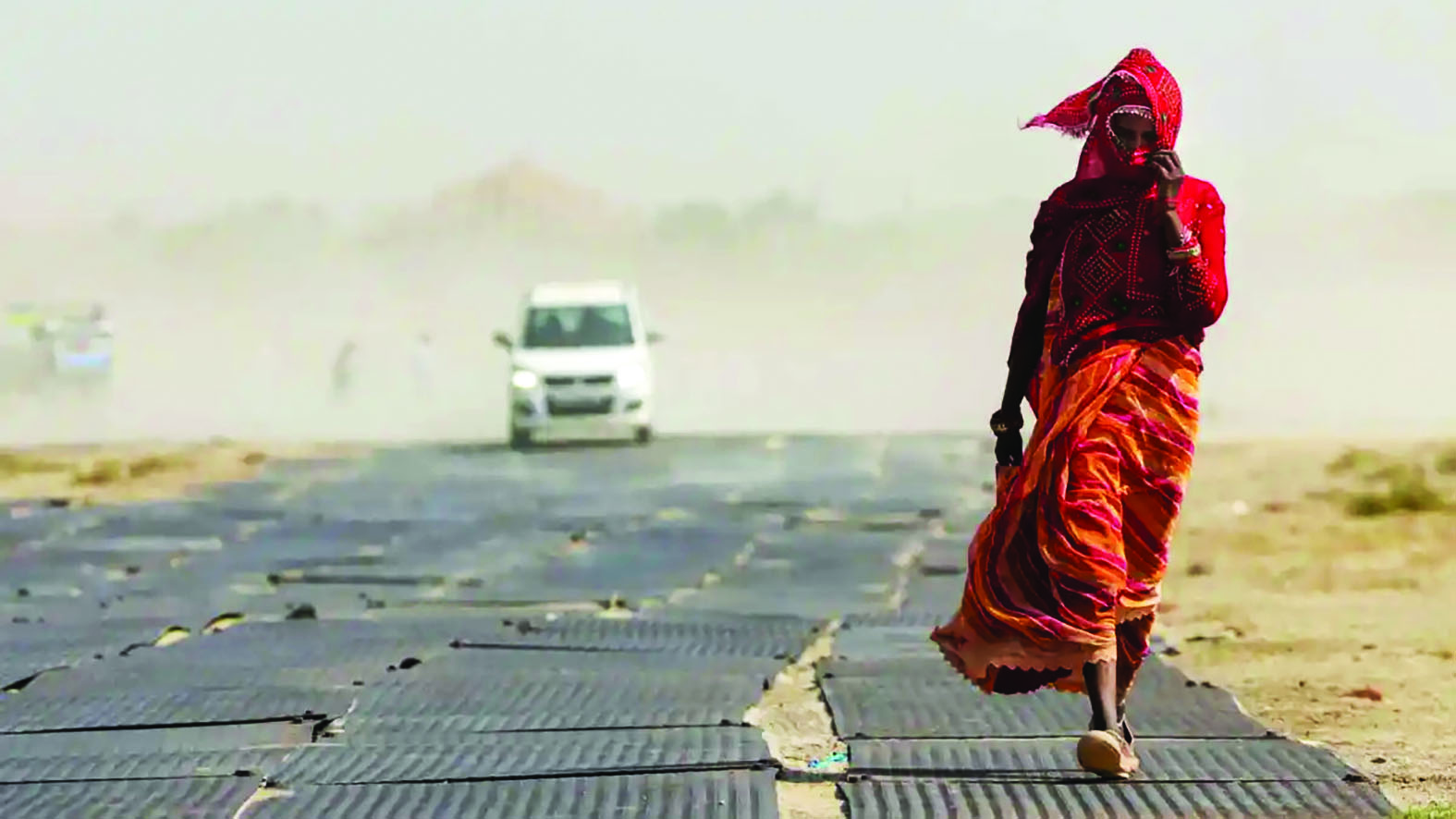
This year’s summer has reinforced this reality. From mid-April through May, large parts of India recorded temperatures above 46 degrees Celsius, with several regions experiencing temperatures 5 to 8 degrees above seasonal averages. Balangir in Odisha touched nearly 48 degrees Celsius. In many cities, roads emptied during the afternoon hours, hospitals reported rising cases of dehydration and heatstroke, and electricity demand surged as millions relied on cooling appliances for relief.
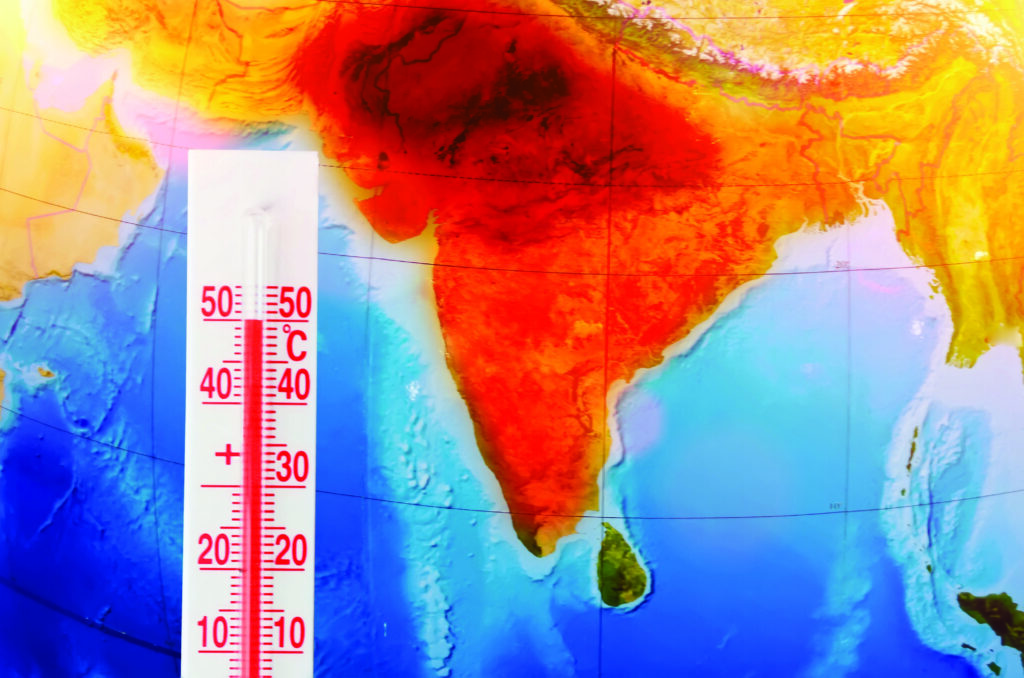
The scale of the crisis became even more alarming when reports suggested that nearly 95 of the world’s 100 hottest cities were located in India during parts of the summer season. Newspapers and television channels were flooded with reports of heat wave related deaths, water shortages, crop stress, fire incidents, and harsh outdoor work conditions.
India has always experienced heat waves. What is changing now is their frequency, intensity, duration, and geographical spread. Heat waves are arriving earlier, lasting longer, and affecting regions that were once considered relatively safe from extreme heat. Scientists increasingly warn that climate change, rapid urbanisation, deforestation, and changing weather patterns are combining to create a dangerous new normal of extreme heat across the country.
WHAT IS A HEAT WAVE?
In simple terms, a heat wave refers to a period of unusually high temperatures that can become dangerous for the human body when exposure is prolonged. However, heat waves are not defined only by how “hot” the weather feels. Meteorologists use scientific measurements to identify such events. These are usually based on actual temperature levels or how far temperatures rise above the normal average of a region.
In some countries, heat waves are also assessed using the “heat index,” which combines temperature and humidity to measure how hot conditions actually feel to the human body. Others rely on statistical measures that compare present temperatures with historical climate patterns. As climate change intensifies, understanding these definitions has become increasingly important because extreme heat is no longer an occasional weather event but a growing public health concern.
IMD CRITERIA OF HEAT WAVE
The India Meteorological Department (IMD) does not declare a heat wave simply because the weather feels very hot. It follows certain scientific standards to identify extreme heat conditions. In the plains, temperatures must reach at least 40 degrees Celsius, while in the hilly areas they must cross 30 degrees Celsius. A heat wave is declared when temperatures remain much higher than the normal average for that region. If the temperatures rise even further above normal levels, the situation is classified as a severe heat wave.
The IMD also uses fixed temperature limits. Any place recording 45 degrees Celsius or more is considered to be under heat wave conditions, while temperatures above 47 degrees Celsius are treated as severe heat waves. Coastal areas are assessed differently because humidity makes the heat feel more intense and dangerous. There, even temperatures around 37 degrees Celsius can become risky if they remain significantly above normal. To ensure that temporary spikes are not mistaken for extreme events, such conditions must continue for at least two days across multiple weather stations before the IMD officially declares a heat wave.
Causes of increasing extreme heat
Several factors are contributing to the growing intensity of heat waves in India. One important reason is the formation of a ‘heat dome’, a weather phenomenon in which a strong high pressure system traps hot air over a region for many days, much like a lid covering a boiling pot. As the trapped air continues to heat up, temperatures rise sharply and remain unusually high for prolonged periods.
Rapid urbanisation is also making cities hotter through what scientists call the ‘urban heat island effect’. Concrete buildings, roads, flyovers and other structures absorb and retain heat far more than trees, water bodies and open land. As a result, cities often remain much warmer than nearby rural areas, especially during the night. The steady loss of green cover and increasing use of vehicles and air conditioners further add to rising urban temperatures.
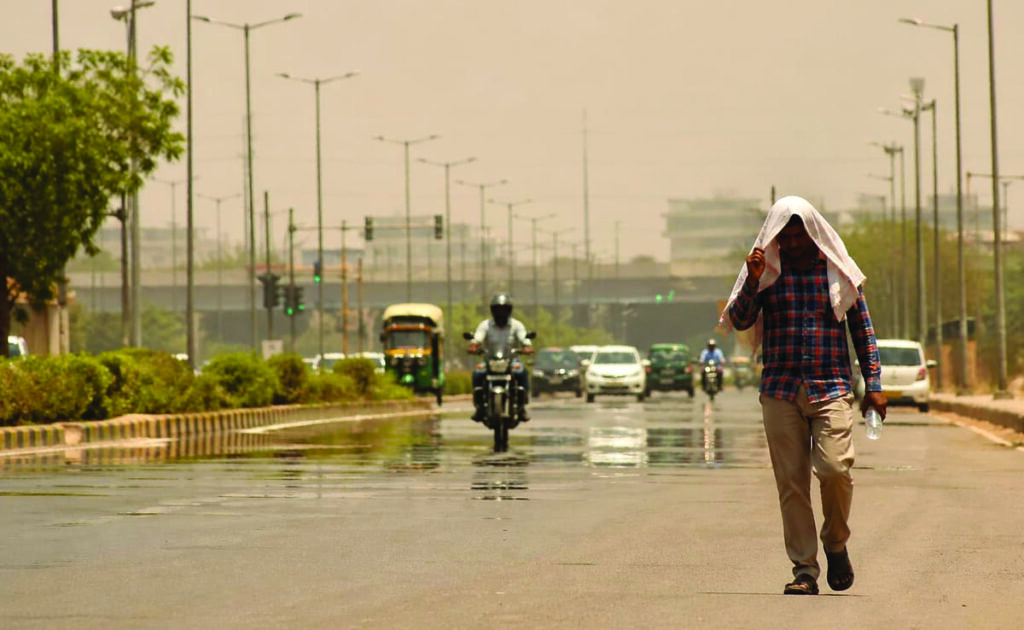
Image Courtesy: Internet
At a broader level, global warming caused by greenhouse gas emissions is increasing average temperatures across the planet, making extreme heat events more frequent and intense. Deforestation, shrinking water bodies and changing land-use patterns are reducing nature’s ability to cool the environment. Climate patterns such as El Nino also play an important role. According to the World Meteorological Organization (WMO), El Nino conditions usually raise global temperatures and contribute to more extreme weather events, including severe heat waves in many parts of the world.
IMPACT OF HEAT WAVES
The impact of heat waves extends far beyond temporary discomfort. Extreme heat affects human health, the environment, agriculture, labour productivity and even patterns of migration. For millions of people, especially outdoor workers, the elderly, children and the poor, heat waves are becoming a serious threat to survival.
One of the most immediate effects is on human health. Prolonged exposure to high temperatures can lead to dehydration, heat cramps, swelling, fainting and severe exhaustion. In extreme cases, the body loses its ability to regulate temperature, leading to heatstroke, where body temperatures may rise above 104 degrees Fahrenheit. Such conditions can cause confusion, seizures, unconsciousness and even death if medical help is not available on time. Hospitals across India often witness a sharp rise in heat related illnesses during prolonged heat wave periods.
Extreme heat also places enormous stress on the environment. Electricity demand rises sharply as people increasingly depend on fans, coolers and air conditioners for relief. Heat waves dry up soil moisture rapidly, damaging soil quality and affecting plant growth. In many regions, prolonged dry conditions increase the risk of droughts and wildfires. Heat can also worsen air pollution, especially when combined with dust storms and smoke from forest fires, making breathing difficult for vulnerable populations.
The economic and social impacts are equally severe. Outdoor labourers, construction workers, street vendors and delivery workers often find it difficult or dangerous to work during peak afternoon hours, leading to a decline in productivity and income. According to a study by the United Nations Economic and Social Commission for Asia and the Pacific (UNESCAP), India could lose nearly 5.8 percent of daily working hours by 2030 due to rising temperatures. Heat stress also affects agriculture by reducing crop yields and harming livestock, thereby increasing pressure on food security. In some cases, repeated heat stress and water shortages force vulnerable communities to migrate in search of safer living and working conditions.
INITIATIVES TAKEN TO MITIGATE HEAT WAVES
As heat waves become more frequent and intense, governments and institutions in India have started taking steps to reduce their impact. One important initiative is the National Guidelines on Heat Wave Management prepared by the National Disaster Management Authority (NDMA). These guidelines help states and local authorities prepare strategies for dealing with extreme heat conditions and protecting vulnerable populations.
The India Meteorological Department (IMD) has also strengthened its early warning systems. It regularly issues heat wave forecasts and colour-coded alerts to warn people about the severity of rising temperatures. These warnings are shared with disaster management agencies, health departments and state administrations so that precautionary measures can be taken in advance. Timely alerts have become especially important in helping hospitals, local authorities and citizens prepare for dangerous heat conditions.
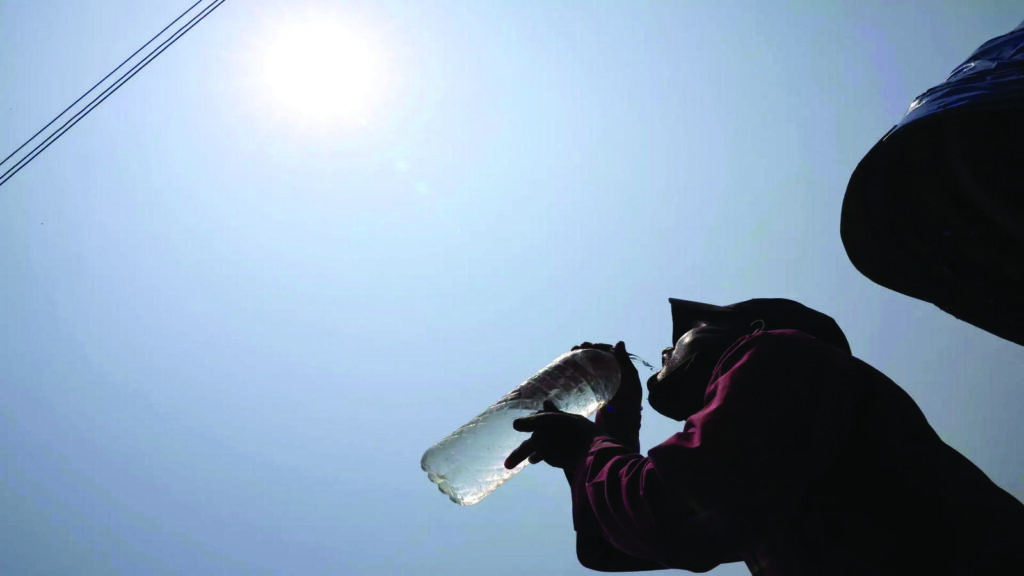
Image Courtesy: Pixabay
Several heat prone states have introduced Heat Action Plans in collaboration with the IMD, NDMA and local health departments. These plans focus on spreading awareness, improving emergency response systems, ensuring water availability and protecting high risk groups such as outdoor workers, elderly people and children. Cities like Ahmedabad have often been cited as early examples of organised heat wave preparedness in India.
The central government has also advised states to reschedule working hours for labourers and outdoor workers during extreme heat periods. In many places, construction work and other physically demanding activities are being shifted away from peak afternoon hours to reduce the risk of heat-related illnesses and deaths.
WAY FORWARD
Addressing the growing heat wave crisis will require both immediate protective measures and long-term climate action. At the global level, reducing greenhouse gas emissions remains essential to slowing global warming. International efforts such as the recent United Nations Secretary General’s call for reducing methane emissions have gained importance because methane is a highly potent greenhouse gas that contributes significantly to rising temperatures.
India also needs stronger local adaptation strategies to protect people from extreme heat. Public cooling shelters, similar to disaster relief centres used during cyclones and floods, can provide temporary relief for vulnerable populations during severe heat wave periods. Such centres could become especially important in densely populated urban areas where many people lack access to adequate cooling facilities.
Cities and buildings must also become more heat resilient. Better ventilation systems, improved insulation, shaded public spaces and large-scale tree plantation can help reduce urban temperatures. The use of reflective roofing materials, passive cooling technologies and district cooling systems can further lower heat stress in rapidly growing cities. Urban planning that preserves water bodies and green spaces will also play a crucial role in reducing the urban heat island effect.
Protecting workers from extreme heat should become a major policy priority. Mandatory minimum cooling standards for indoor workplaces such as factories, warehouses and call centres can help reduce heat related health risks. Outdoor workers also require access to drinking water, shaded rest areas and safer working schedules during peak heat hours.
Recognising the seriousness of the crisis, the 16th Finance Commission has recommended that heat waves be considered a national disaster so that states can access greater central funding for relief and preparedness measures. As heat waves become a recurring reality, India will need a combination of scientific planning, climate sensitive urban development and public awareness to adapt to this emerging challenge.
*The writer is a Research Associate at VisionIAS and holds a Master of Technology degree from Malaviya National Institute of Technology, Jaipur. He takes interest in issues related to climate change, environment, and science communication.