



Bharat has a young demographic that has the potential to contribute significantly to achieving the goal of Viksit Bharat(developed India) by 2047. India has one of the world’s largest youth populations, with approximately 27% of its population under the age of 35 and around 371 million people between the ages of 15 and 29. We see this happening as youth are powering the pursuit. Undoubtedly, if all youth are involved in productive work, utilize and create opportunities, then the nation can move faster on the growth path, and rapid progress can be achieved. However, the large youth population of today will translate to an equally large elderly population by 2050, which may pose a challenge. This problem is likely to be further compounded by the declining fertility rate. In this scenario, we need to become a developed nation quickly and make ourselves ready for the demographic shift in the coming decades.
CHALLENGES OF THE GERIATRIC POPULATION
The aging population has a multifaceted influence on a country’s socioeconomics. Older adults have pronouncedly higher chronic suffering with complex and multi-system illnesses. These require long-term and high-cost care. India’s health infrastructure, particularly in rural and semi-urban areas, is currently under-equipped for geriatric care. Without systemic strengthening, the care gap may widen catastrophically.
A rising share of the elderly reduces the ratio of workers to dependents. The economy must produce more with fewer contributors. Simultaneously, public spending on pensions, healthcare, and elder welfare must rise, potentially crowding out investment in growth sectors. The pressure on taxation, borrowing, and fiscal sustainability intensifies. Younger generations may face higher tax burdens or reduced public goods (education, infrastructure) as the state shifts to social protection priorities. The psychological sense of burden can alter investment, consumption, and saving patterns, as well as societal harmony.
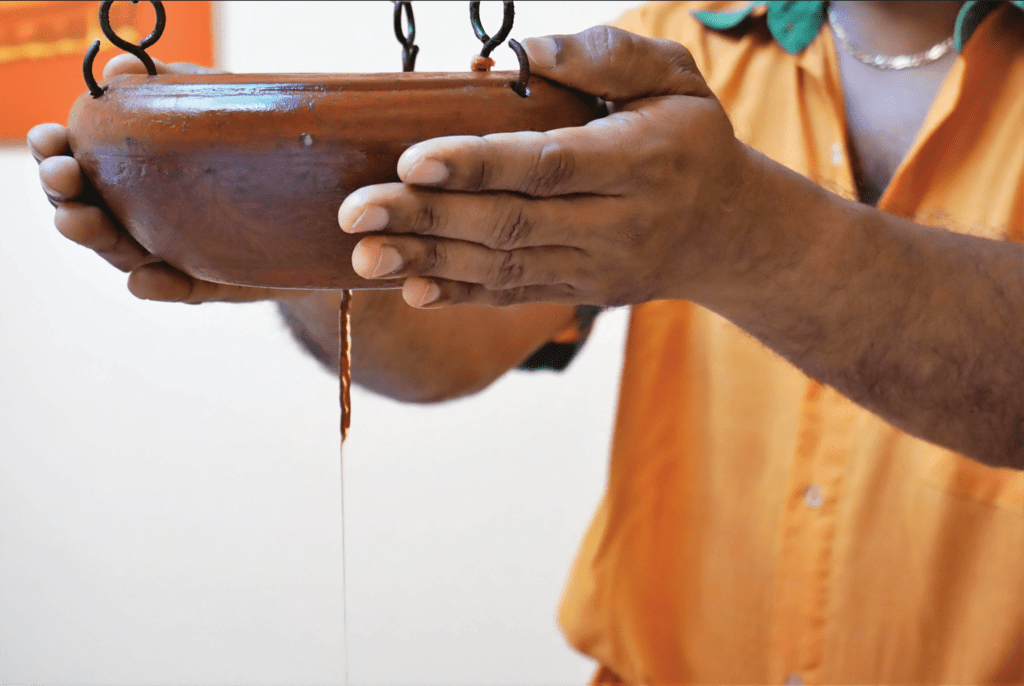
Image Courtesy: Shutterstock
Traditional joint-family systems are loosening due to urbanisation and migration. Many elderly people may lack family caregivers nearby. Public social support, community systems, and elder care institutions must scale up, at high cost. Emotional well-being, mental health, social isolation, elder neglect, or abuse become serious concerns. India’s elderly population exceeds 173 million, with the geriatric care market valued at approximately $12 billion to $15 billion. While the Ayushman Bharat expansion offers 100% health coverage to those aged 70 and above, only about 20% of the broader senior population holds private insurance, making them financially dependent on their children or relatives for daily maintenance and healthcare.
TYPES OF HUMAN AGING
Before discussing the solution, it is essential to understand the aging process. Aging can be classified into two distinct classes, namely chronological aging and biological aging. In chronological aging, the simplest measure, where the years a person has lived since birth are counted. In comparison, biological aging (physical aging) refers to the physiological and cellular changes that occur in the body over time, leading to functional impairment. Biological aging is a progressive decline in physiological functions due to cellular damage, genetic factors, oxidative stress, mitochondrial dysfunction, hormonal imbalances, and environmental influences. One well-known example is the theory of telomere shortening, where the protective caps of DNA degrade over time, leading to cellular senescence. External factors such as pollution, poor diet, stress, and lack of sleep further accelerate this process.
According to chronological aging, Bharat can face geriatric problems in the next couple of decades. However, if the biological age is somehow checked and remains on the lower side, then geriatric issues may not have as pronounced an effect. There are two examples, one is from recent times, and the other is from the times of the Mahabharata. Yoga Guru Swami Shivanand Ji lived 128 years, and he practiced Yoga and Asana regularly till his death (3 May 2025).
THE STORY OF REVATI
An intriguing story from the Dwapara Yuga illustrates the relativity of time and its effect on aging. Revati, the daughter of King Reva, was extraordinarily tall, making it difficult to find a suitable groom. Seeking divine guidance, she and her father approached Lord Brahma. As Brahma was engrossed in celestial dance, they waited for a few minutes. When they finally spoke, Brahma revealed that time flows differently in different realms; his one day equals 1,000 years on the earth. He advised them to seek Balarama as a groom, even though Reva was certain that no suitable match existed in her time. This story metaphorically emphasizes how environmental and cosmic influences play a role in aging—a concept that modern science is now exploring in space research, where astronauts experience slower aging in microgravity.

Image Courtesy: Shutterstock
AYURVEDIC PERSPECTIVE ON AGING
Ayurveda is built on the profound understanding that health is not merely the absence of disease, but a state of complete physical, mental, and spiritual equilibrium. By synchronising our internal rhythms with the cycles of nature, Ayurveda empowers us to achieve longevity and lasting vitality. In Ayurveda, aging is referred to as Jara, a term derived from the concept of the body gradually “wearing out” over time (jiryati iti jara). It is also referred to as Vardhakya, meaning advancing age. Classical Ayurvedic texts divide human life into distinct stages: childhood (up to 16 years); youth and middle age (16 to 60 years according to Charaka, or up to 70 years according to Sushruta); and old age thereafter. This middle phase encompasses periods of growth (16–20 years), youth (20–30 years), full maturity (30–40 years), and gradual decline (parihani), which begins after the age of 40. Beyond 60–70 years, the body’s tissues, sense organs, strength, and resilience begin to steadily deteriorate.
Ayurveda explains aging not only in physical terms but also through the balance of subtle life energies—praṇa, ojas, and tejas. Praṇa represents the vital life force responsible for breathing, circulation, and overall vitality. It governs ojas and tejas, two essential biological essences. Ojas, the refined essence of the body’s seven tissues (dhatus), supports immunity, mental clarity, and longevity. When ojas is depleted, degenerative and vata-related disorders arise, while its imbalance can lead to kapha-related conditions. Tejas, the subtle metabolic fire, regulates digestion, enzymatic activity, and cellular transformation through agni, the body’s central metabolic energy. Excess tejas can burn away ojas, weakening immunity, while insufficient tejas leads to poor metabolism and accumulation of unhealthy tissues.
Healthy aging, according to Ayurveda, depends on maintaining harmony among these forces, just as balance among the three doshas—vata (movement), pitta (metabolism), and kapha (structure)—is essential for health. At the cellular level, kaphasupports stability and longevity, pitta ensures proper nutrition and metabolism, and vata governs all life processes through its connection with praṇa. Ayurveda emphasizes that a balanced diet, regular physical activity, and mindful lifestyle practices help sustain this delicate equilibrium, thereby promoting longevity and a graceful aging process.
AYURVEDA – A TIMELESS SOLUTION TO MITIGATE AGING
Rejuvenation is an approach to address the issue of aging. Today, the rejuvenation therapy market is a multi-billion-dollar industry attracting investments from major players worldwide. Various medical systems offer different approaches to rejuvenation, yet the ultimate, most effective method remains undiscovered. Among these, Ayurveda stands out with its deeply researched and time-tested therapies, developed by ancient sages and documented in classical texts. It offers a solution to tackle the geriatric problem by reducing or controlling biological aging.
REJUVENATION THERAPY IN AYURVEDA
Ayurveda offers several approaches to slow down the aging process and promote long-term health. One of the most well-known is Panchakarma, a structured system of detoxification and rejuvenation therapies designed to restore balance in the body. Panchakarma is carried out in three stages. The preparatory phase (Purva Karma) includes snehana (therapeutic oil application) and swedana (induced sweating), which help loosen toxins and prepare the body for deeper cleansing. The main treatment phase (Pradhana Karma) involves specific therapies such as vamana (therapeutic emesis), virechana (purgation), nasya (nasal medication), and basti (medicated enema). Some Ayurvedic traditions, following Sushruta, also include raktamokshana (controlled bloodletting) as part of the Panchakarma process. The final phase (Paschat Karma) focuses on recovery and rebuilding through appropriate diet (ahara), lifestyle practices (vihara), and the use of rejuvenative medicines known as rasayana.
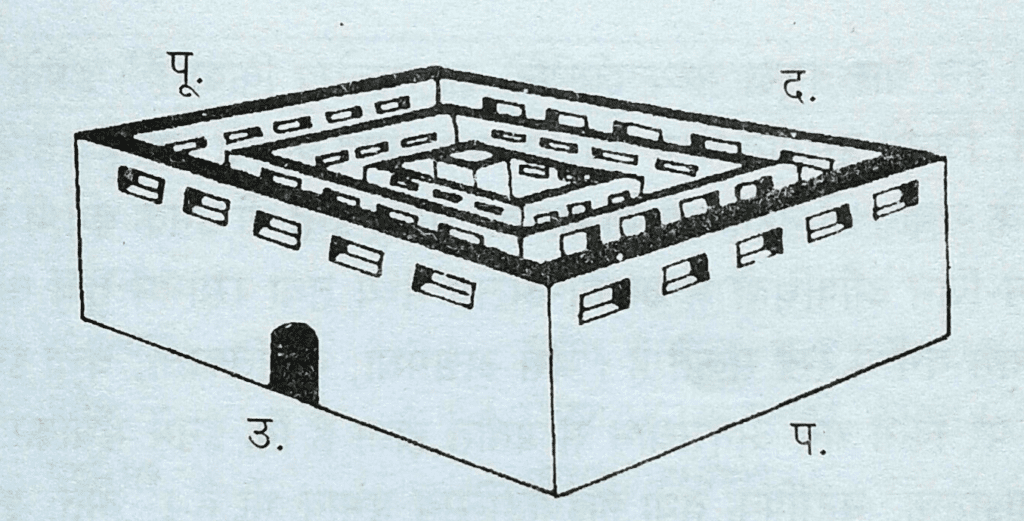
Image Courtesy: Wikimedia Commons
Emerging studies suggest that Panchakarma may offer measurable physiological benefits, including improvements in metabolism, digestion, and stress regulation. Beyond detoxification, Ayurveda emphasizes Rasayana therapy, a specialised category of herbal and dietary formulations believed to nourish body tissues, strengthen the immune system, delay degeneration, and promote healthy aging.
The classical text Charaka Samhita describes two modes of rejuvenation. The more intensive kutipraveshika (intramural) method involves a carefully controlled environment and strict lifestyle discipline and is traditionally recommended for healthy and highly motivated individuals. The less intensive vatatapika (extramural) method is more practical for daily life and relies mainly on herbal formulations and supportive routines. In addition to these therapies, Ayurveda strongly advocates the regular practice of Yoga as a natural preventive strategy to maintain physical health, mental balance, and vitality throughout life.
KUTI PRAVESHIKA RASAYANA
Kuti Praveshika Rasayana is one of the most powerful therapies in Ayurveda. This therapy involves isolating an individual in a specially designed chamber known as Trikuta Praveshika Kutir for an extended period, typically 90 to 365 days. The individual undergoes detoxification, consumes specially formulated Rasayanas, and follows a strict regimen of diet, meditation, and controlled exposure to light. The results are remarkable—enhanced longevity, cellular regeneration, improved cognitive function, and reversal of biological age.
TURNING THE CHALLENGE INTO AN OPPORTUNITY
Bharat has a narrow window of demographic advantage—a large and vibrant youth population. At the same time, it faces a future in which ageing will dominate social, economic, health, and policy landscapes. The key is not to fear aging per se, but to shape it in a way that occurs gracefully, healthily, and productively.
Rather than passively accepting geriatric burden, India can become a pioneer in the global aging challenge: by combining its cultural heritage (Ayurveda, Rasayana) with rigorous modern science, creating institutions of rejuvenation, and embedding preventive longevity thinking into public health. From the earliest documented times, Indian sages meticulously documented and practised rejuvenation therapies. Today, as modern science explores anti-ageing solutions, it is time to integrate these well-established Ayurvedic principles with contemporary research. With proper documentation and scientific validation, Bharat can once again become the Vishwaguru (global teacher) in the field of rejuvenation therapy. By blending ancient wisdom with modern advancements, Ayurveda has the potential to revolutionise the way the world perceives ageing and longevity.
It is the need of the hour for Bharat to invest wisely now, in health span, infrastructure, research, and social systems. This may not just survive its demographic shift but thrive through it: a nation where people age with dignity, vitality, and purpose.
*Akash Shetty is the State Organizing Secretary, Indraprastha Vigyan Bharati, New Delhi, while Prof Neel Sarovar Bhavesh is Group Leader, International Centre for Genetic Engineering and Biotechnology (ICGEB), New Delhi and Adjunct Professor at Jawaharlal Nehru University (New Delhi) and IISER (Bhopal).