




In recent years, the term ‘Net Zero’ has become central to discussions about climate change, energy security, and sustainable development. Governments, industries, scientists, and environmental organisations across the world are working toward reducing greenhouse gas emissions and building a cleaner future, but achieving Net Zero is not an easy task. It requires revolutionary technologies capable of transforming the way we produce energy, manufacture goods, manage waste, and protect the environment.
The Earth’s average temperature is rising due to increasing greenhouse gases such as carbon dioxide (CO₂), methane, and nitrous oxide. Fossil fuel combustion, industrial processes, transportation, agriculture, and waste disposal are major contributors to global emissions. Net Zero means balancing emissions produced with emissions removed from the atmosphere. To achieve this goal, we must reduce dependence on fossil fuels, produce clean energy, capture and recycle carbon dioxide, improve industrial efficiency, minimise waste generation, develop sustainable agriculture, and promote circular economies. Traditional technologies alone may not be sufficient to meet these goals. This is where plasma technology offers exciting possibilities.
Often called the fourth state of matter, plasma may appear to belong only to advanced physics laboratories or space science, but today it is rapidly emerging as a practical tool for solving some of the greatest environmental challenges. From clean hydrogen production and waste management to carbon capture and sustainable agriculture, plasma technology is opening new pathways toward a low carbon future.
Plasma is not rare in the universe. In fact, more than 99% of the visible universe exists in the plasma state. The Sun, stars, lightning, auroras, and even fluorescent lamps contain plasma. What makes plasma scientifically important is its extraordinary energy and chemical activity. Plasma contains energetic electrons, ions, radicals, and excited particles capable of driving reactions that are difficult or inefficient under ordinary conditions.
GREEN HYDROGEN
Hydrogen, as a clean, sustainable, and versatile energy carrier, has gained considerable interest as a potential fuel for the future. However, the traditional methods of hydrogen production like methane steam, autothermal, natural gas/ hydrocarbon, and coal gasification, reforming are associated with carbon emissions and other environmental concerns. Plasma based technologies (PbTs) offer a promising avenue for sustainable hydrogen production due to their unique opportunities as an efficient and eco-friendly fuel in the conversion of various feedstocks (natural gas, biomass, and wastewater) into hydrogen.
In plasma water splitting, energetic electrons break water molecules into hydrogen and oxygen. Unlike conventional systems that often require very high temperatures, plasma can initiate these reactions more efficiently under controlled conditions.
Methane, the primary component of natural gas, can also be converted into hydrogen using plasma reactors. Plasma assisted reforming can reduce unwanted emissions while increasing reaction efficiency.
The key advantages include faster reaction rates, lower operational temperatures, better energy control, and compatibility with renewable electricity. If powered by solar or wind energy, plasma hydrogen systems could support a truly green hydrogen economy. Hydrogen produced through plasma technologies may eventually fuel vehicles, industries, aircraft, and even future space missions.
WASTE INTO ENERGY
The age of urbanisation has brought exponential growth in population and development along with the huge amount of waste generation. The waste generated is a mix type of waste which is difficult to manage using conventional methods and is ever increasing and changing in nature, blocking essential space that has become an expensive commodity in today’s world. Techniques such as combustion, land filling incineration, gasification have been the conventionally preferred methods of waste management.
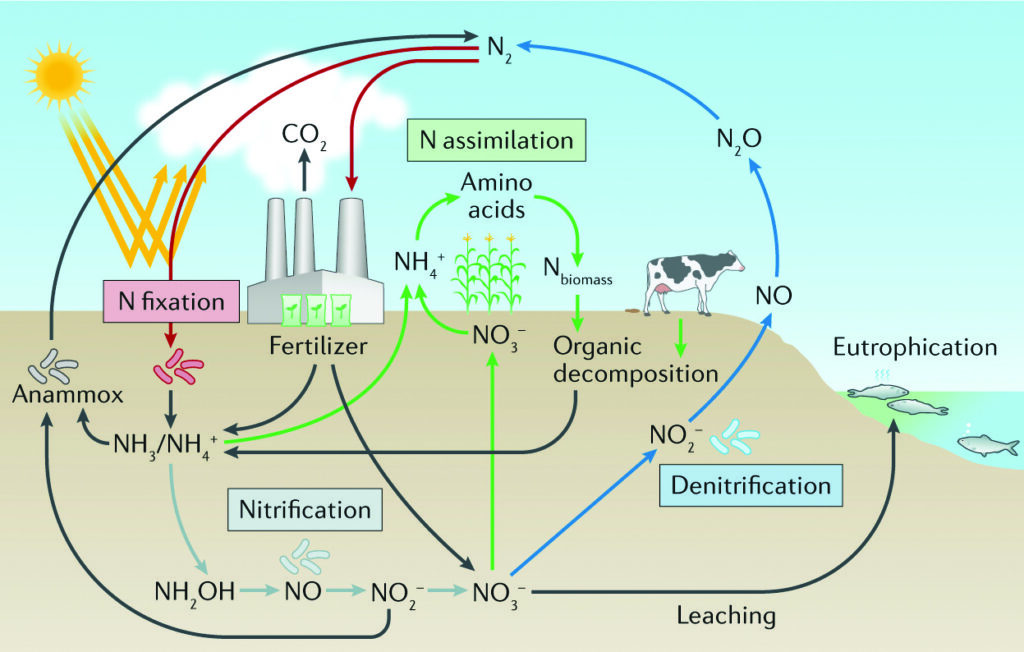
Image Courtesy: Research Gate
The compost and waste to energy facilities are facing problems simply because of poor quality of segregation and therefore, poor quality of end product that has no market demand. Various traditional methods like combustion, biodegradation have a need for recycle, in utilising all natural ways of handling the waste in a nature or eco-friendly manner. Open dumping has been considered the most accepted practice of solid waste disposal. On an average, 5–6% of the wastes are disposed of by using various composting methods. Another possibility is to incinerate waste, and energy can be produced by using it as a fuel but incinerators are deeply unpopular with local communities because of the air pollution they can produce. A new type of waste treatment technology called plasma arc recycling, or sometimes referred to as plasma recycling, plasma gasification, gas plasma waste treatment, plasma waste recycling, etc. aims to change all this. The waste is heated at high temperatures to produce gas that can be burnt for energy and rocky solid waste that can be used for various purposes. It is an environment friendly technology for waste treatment.
CARBON DIOXIDE CONVERSION
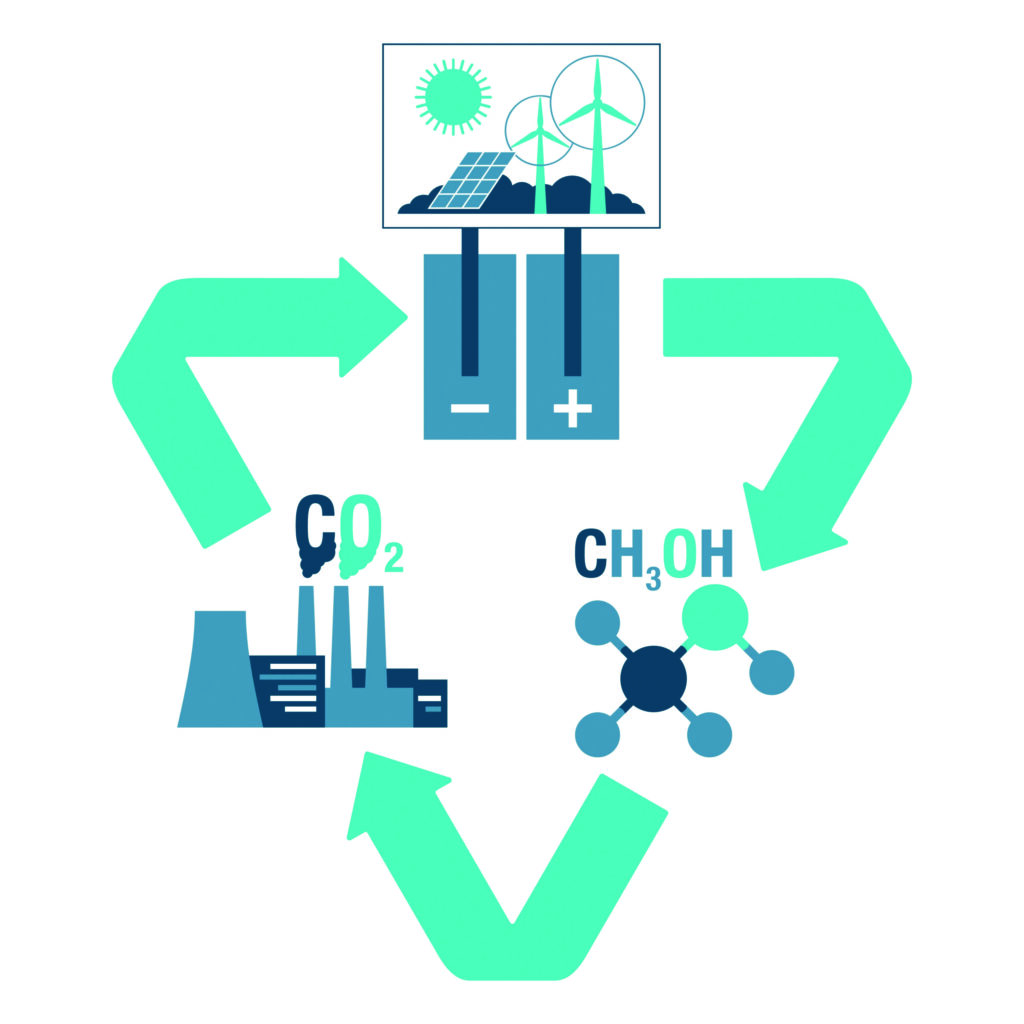
Fossil fuels in particular have contributed to a fast and unprecedented development in human society. Still, this comes with great cost, since burning fossil fuels leads to the emission of large amounts of the greenhouse gas such as CO2. The conversion of this main greenhouse gas into value added chemicals and liquid fuels is considered as one of the main challenges for the 21st century. Plasma technology is showing remarkable promise in this field.
Carbon dioxide molecules are extremely stable and difficult to break apart. Plasma contains energetic electrons capable of activating CO2 molecules without heating the entire gas to extreme temperatures. Using plasma reactors, carbon dioxide can be transformed into carbon monoxide, methanol, synthetic fuels, hydrocarbons, and valuable industrial chemicals. This approach is known as carbon utilisation, where waste carbon becomes a raw material for new products.
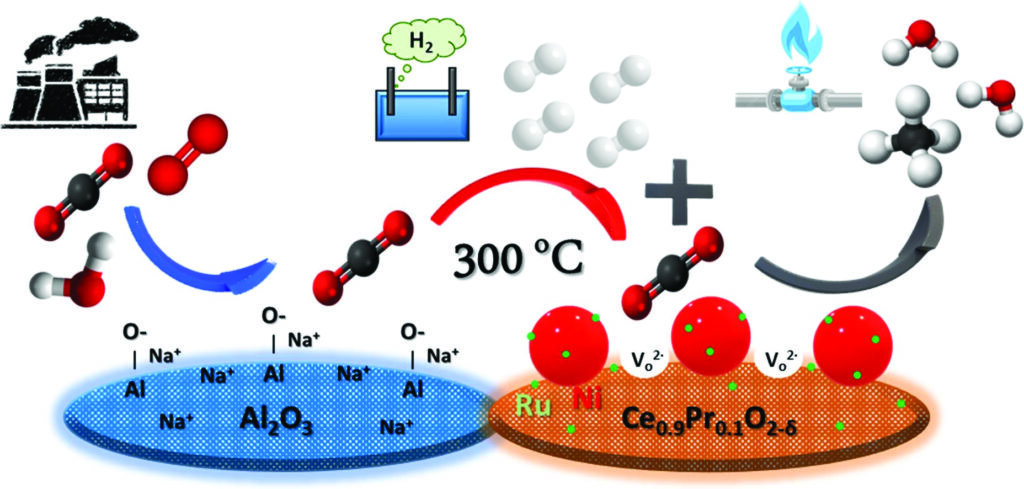
Image Courtesy: Science Direct
This results in the reduction in atmospheric CO2, recycling of industrial emissions, sustainable chemical manufacturing, and support for carbon neutral fuel systems. If combined with renewable energy, plasma assisted CO2 conversion could become a major climate solution.
SUSTAINABLE AGRICULTURE
Agriculture contributes significantly to greenhouse gas emissions through fertilizer use, pesticide application, and food wastage. Interestingly, plasma technology is now entering the agricultural sector. Plasma technologies, specifically non-thermal (cold) plasma, offer a sustainable, chemical free, and energy efficient solution to modernise agriculture. By producing reactive oxygen/ nitrogen species (RONS), these systems enhance seed germination, boost plant growth by up to 30%, improve stress tolerance, and decontaminate seeds and water without harmful chemical residues.
Cold plasma helps in seed germination and growth improvement by modifying seed surfaces, increasing wettability and water absorption, which speeds up germination and enhances root development.
By exposing water to plasma, it becomes enriched with Nitrogen Species (RNS) and Oxygen Species (ROS), acting as a clean fertilizer and a pesticide alternative. Plasma effectively eliminates phytopathogenic microorganisms like fungi and bacteria from seed surfaces, reducing the need for chemical fungicides. Plasma technology can decompose toxic agrochemical residues in soil and water into harmless substances, reducing environmental contamination.
Plasma treatments activate enzymatic activities and plant defence, bolstering resilience against abiotic stresses like drought and salinity. These technologies are highly versatile, often requiring only air, water, and electricity, making them a promising, sustainable alternative to conventional agricultural practices.
CLEANER COMBUSTION AND FUEL EFFICIENCY
Combustion processes in vehicles and industries produce pollutants such as carbon monoxide, nitrogen oxides, and soot particles. Plasma technology can improve fuel combustion efficiency by improving ignition, enhancing flame stability, reducing fuel consumption, and lowering harmful emissions.
These technologies found applications in aviation engines, diesel engines, industrial furnaces, and power generation systems. Even small improvements in combustion efficiency can significantly reduce global carbon emissions.
RENEWABLE ENERGY
Plasma processes are increasingly used in the manufacturing of renewable energy devices. Plasma enhanced chemical vapor deposition (PECVD) is widely used in solar panel fabrication. Plasma helps create thin films essential for photovoltaic devices. Plasma technologies are used in the synthesis of advanced battery materials and supercapacitors, improving energy storage systems needed for renewable energy integration.
Plasma surface treatment enhances the performance and durability of fuel cell components. Thus, plasma is not only helping generate clean energy, but also improving technologies required for a sustainable energy future.
NITROGEN FIXATION
Modern agriculture depends heavily on ammonia based fertilizers produced through the Haber-Bosch process, which consumes vast amounts of energy and contributes significantly to carbon emissions. Scientists are now exploring plasma assisted nitrogen fixation as a greener alternative. Plasma can activate nitrogen molecules from air and combine them with hydrogen or water to produce nitrogen compounds useful for fertilizers.
The key advantages include lower temperature operation, decentralized fertilizer production, reduced fossil fuel dependence, and compatibility with renewable electricity. Such systems could revolutionise sustainable agriculture in rural and developing regions.
POLLUTION CONTROL
Environmental pollution is one of the major global challenges. Plasma technology can help remove pollutants from gases, water, and surfaces. The plasma reactors can remove nitrogen oxides (NOx), sulphur compounds, volatile organic compounds (VOCs), industrial odours, etc.
Cold plasma generates reactive species capable of destroying harmful microorganisms and degrading toxic chemicals in water. Plasma sterilization systems are increasingly used in hospitals because they are efficient and environmentally friendly. Such applications contribute indirectly to Net Zero by reducing chemical usage and improving resource efficiency.
Despite its enormous potential, plasma technology still faces several challenges. The plasma systems can be expensive to design and install. As generating plasma requires electricity, if this electricity comes from fossil fuels, environmental benefits may be reduced. Many plasma technologies work successfully in laboratories, but require further development for large scale industrial deployment.
Plasma involves highly complex physical and chemical interactions, requiring interdisciplinary expertise in physics, chemistry, engineering, and materials science. However, rapid advances in renewable energy, artificial intelligence, and materials science are helping overcome these limitations.
India has strong potential to become a leader in plasma based sustainability technologies. Indian universities and research institutions are actively working in areas such as plasma agriculture, waste-to-energy systems, plasma medicine, surface engineering, fusion research, and environmental remediation. With its growing renewable energy infrastructure and commitment toward climate goals, India can integrate plasma technologies into national missions related to clean energy, agriculture, and sustainable development. Programmes such as Green Hydrogen Mission, Swachh Bharat Mission, Net Zero commitments, Atmanirbhar Bharat, etc., can benefit significantly from indigenous plasma innovations.
The future of plasma science is exciting and transformative. The researchers envision plasma powered hydrogen economies, carbon neutral synthetic fuels, plasma assisted smart agriculture, portable water purification systems, AI controlled plasma reactors, advanced fusion energy systems, and space based plasma applications. Some scientists even believe that plasma assisted fusion energy may one day provide nearly limitless clean power, fundamentally transforming human civilization.
The challenge of climate change requires bold scientific solutions, and plasma technology is emerging as one of the most versatile tools for building a sustainable future. From producing green hydrogen and converting waste into energy to capturing carbon dioxide and enabling sustainable agriculture, plasma technologies have the potential to revolutionise multiple sectors simultaneously.
What makes plasma especially important is its ability to drive powerful chemical reactions efficiently, cleanly, and often without harmful byproducts. Although significant technological and economic challenges remain, ongoing research and innovation are rapidly advancing the field.
As humanity moves toward the goal of Net Zero emissions, plasma science may become one of the defining technologies of the green industrial revolution. The same state of matter that powers the stars may now help power a cleaner and more sustainable Earth.
*The writer is a Professor in the Department of Physics, University of Lucknow.