





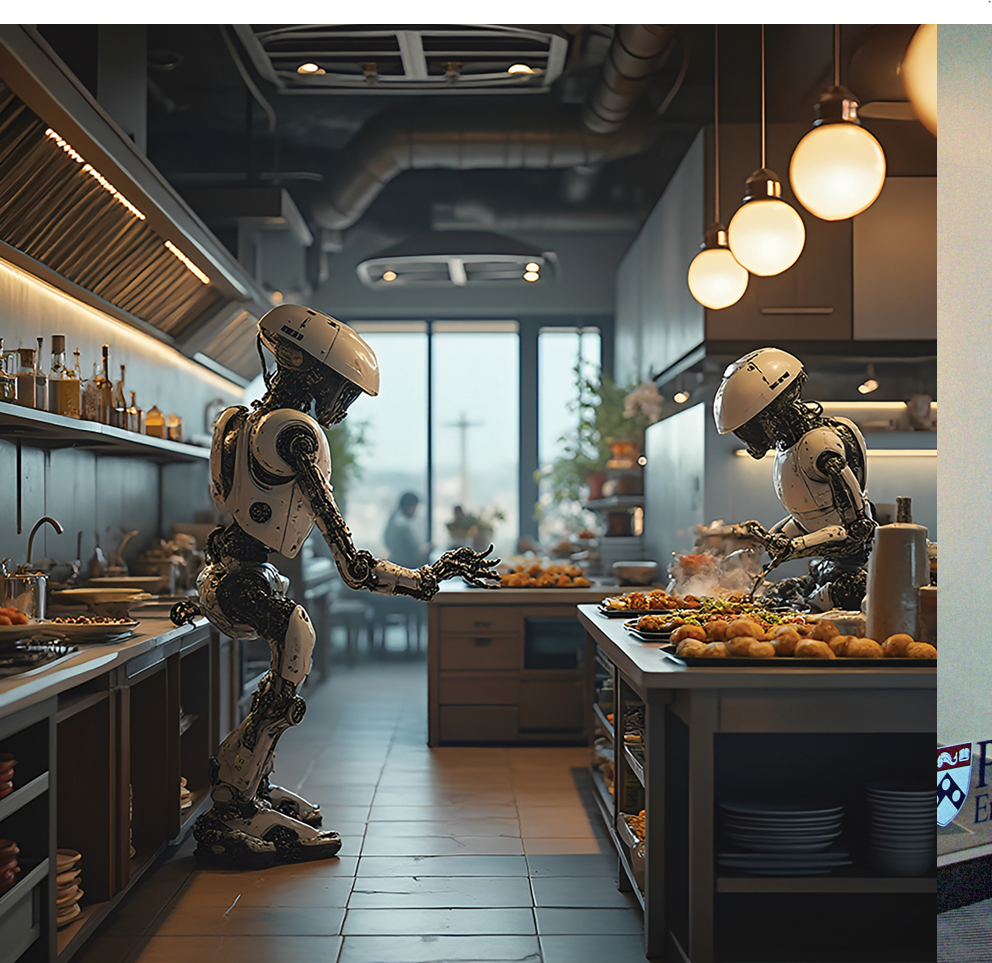
Food is fundamental to life—nourishing body and soul—so how it’s accessed, prepared, and consumed can fundamentally change societies. The way we eat is undergoing a radical transformation, driven by a perfect storm of technological innovation, environmental concerns, and changing consumer preferences. From the fields to our forks, technology is disrupting every aspect of the food industry, promising a future where our plates are more sustainable, nutritious, and personalised than ever before. As many of us are looking for ways to eat a little better and tread a little lighter on the planet, it’s worth watching how food production is changing. The rise of new technologies, ingredients, and culinary experimentation is offering exciting and sometimes surprising solutions. The previous revolutions in the food industry were based on preservation, mechanisation, and industrialisation, but the contemporary one is characterised by intelligence, automation, and integration. The convergence of robotics, artificial intelligence (AI), and smart systems is at the core of this change. Not only are these technologies redefining efficiency and scalability, but they are also impacting culinary creativity, nutritional personalisation and sustainability.
FOOD FROM AIR: A RADICAL BIOTECHNOLOGICAL BREAKTHROUGH
The most radical change in the food industry, perhaps, is the advent of technologies that generate food out of carbon dioxide that is present in the atmosphere. Microbes are being investigated by start-are being increasingly identified as scalable to sustainable protein production, particularly in the context of climate change, land shortages, and the rising global food demand. This technology effectively bypasses photosynthesis—the foundation of traditional food production—and replaces it with controlled biochemical processes. It represents a paradigm shift in how humanity may produce food in the future.
PRECISION FERMENTATION
One of the most revolutionary developments in contemporary food technology is precision fermentation, which offers a fundamentally new means of producing key ingredients without resorting to traditional agriculture or animal husbandry. This methodology essentially involves genetically modified microorganisms, such as yeast, bacteria, or fungi, serving as highly efficient so-called cell factories that can be programmed to express particular proteins, enzymes, fats, and other useful biomolecules. Incorporating highly chosen genes into these microbes, followed by fine-tuning their working mechanisms, allows scientists to have complete control over what the organism produces and in what amounts. Such control is achieved with the help of sophisticated synthetic biology tools, such as CRISPR-based genome editing, AI-aided sequence design, and high-throughput screening platforms, all of which facilitate the optimisation of microbial performance and stability.
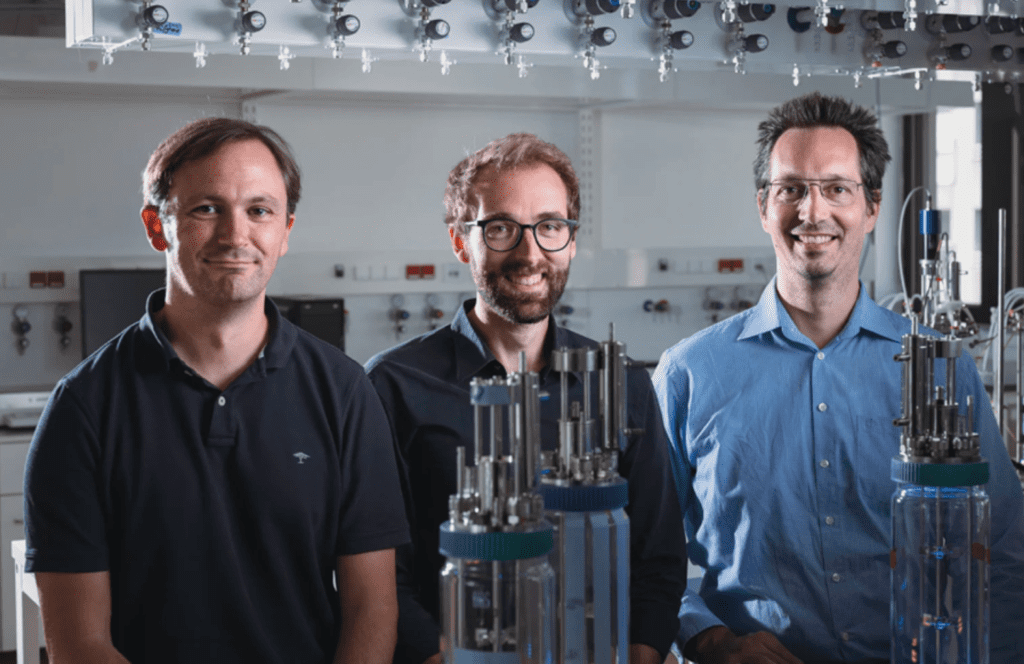
The interesting thing about precision fermentation is that it can create complex, high-value ingredients previously found in animals. As an example, it can synthesise milk proteins, including casein and whey, egg proteins, including ovalbumen, and even structural proteins, including collagen, without the need to use cows, chickens or other animals. These proteins are molecularly identical to or highly similar to their conventional counterparts, allowing them to mimic the taste, texture, and nutritional value of animal products. Furthermore, there are microbes that can serve a two-fold purpose: not only synthesising required compounds but also providing nutrient-rich biomass that can be used as protein and lipids in other foods. There are high efficiency advantages of precision fermentation. It is also cheaper to scale up the process and the yields of production can be surprisingly high, commonly even higher than conventional recombinant protein systems. It also ensures a consistent quality of products and minimises the risk of contamination usually associated with animal production, as it is carried out in controlled bioreactors. Moreover, it has an immense environmental footprint—the technology will result in a large reduction of greenhouse gases, land use, and water consumption, and could even be driven on renewable feedstocks or agricultural waste, which aligns well with the goals of a circular and sustainable bioeconomy.
LAB-GROWN MEAT
One of the most promising areas of modern food technology is cultivated meat, also known as lab-grown meat or cell-based meat, which provides a glimpse of a future in which meat can be produced without the need to rear or kill animals. This method, instead of depending on whole livestock systems, cultivates real animal muscle cells in controlled conditions, similar to brewing or fermentation. The concept is quite basic but a groundbreaker: make the same meat people like, but with much less environmental and moral impact. The escalating global meat demand has contributed to the production of more greenhouse gases, deforestation, increased water consumption, and the loss of biodiversity over the past few decades. Cultivated meat provides a means to separate meat production from these pressures. Since it is grown directly on cells, it can be produced with much less land and water, and has lower emissions—thereby forming an appealing solution to more sustainable food systems. It is worth noting, however, that the technology is still developing, and quantifying its total environmental impact is ongoing. Mass production statistics are scarce, and comparing them with conventional meat is complicated.
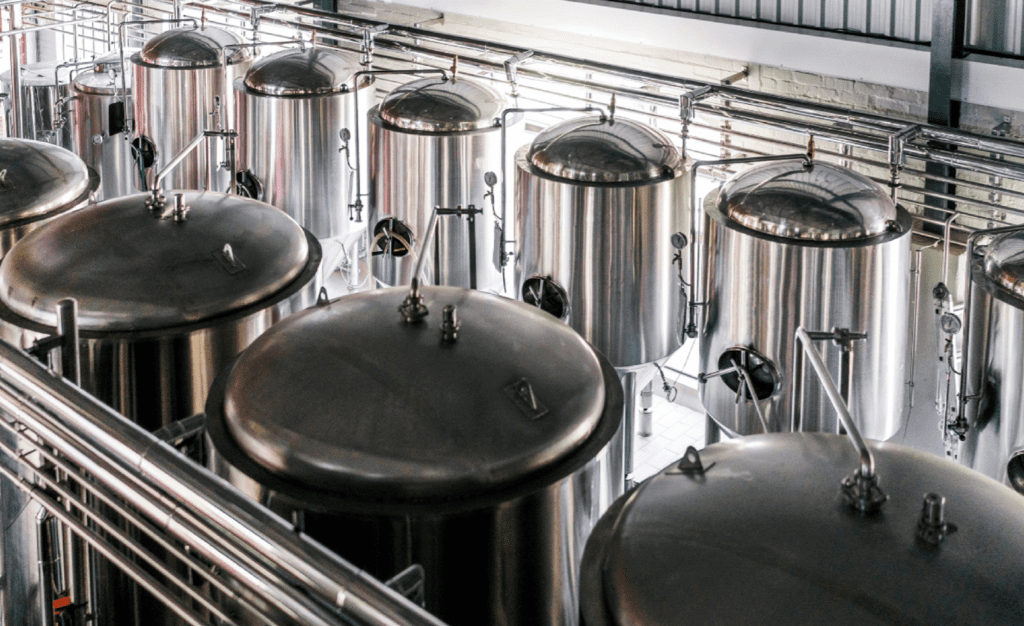
In addition to being sustainable, cultivated meat is a solution to one of the primary ethical issues: animal welfare. Conventional meat production involves raising and slaughtering billions of animals annually, a practice many consumers are increasingly questioning. Lab-grown meat avoids this completely because it requires only a small sample of animal cells to initiate the process.
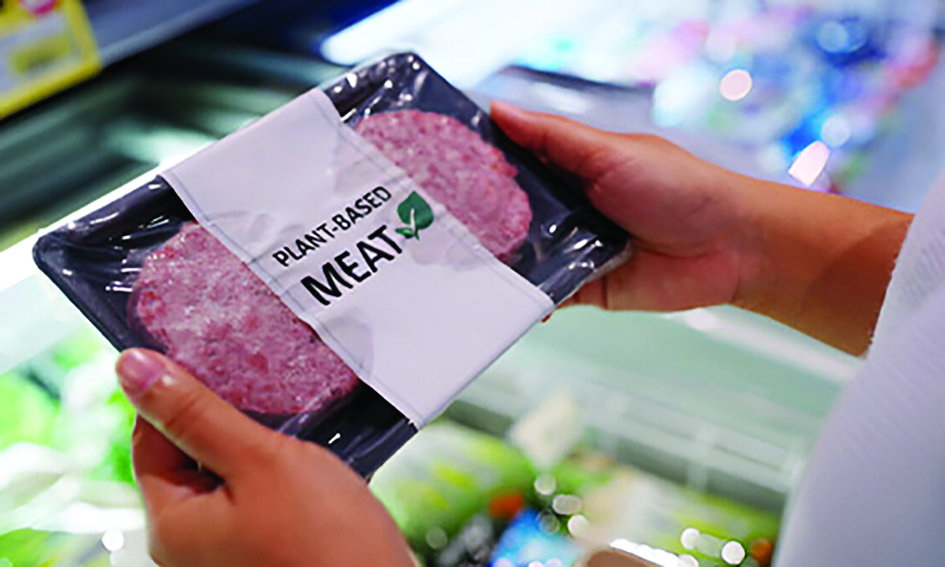
Similarly, plant-based meat from protein-rich plants is emerging as a substitute for animal-based meat. Globally, there are companies like Beyond Meat, Impossible Foods and many others using science to manufacture and produce plant-based alternatives that taste and function like real meat while reducing the impact on the environment. India has over 20 major plant-based meat brands, with the numbers steadily growing.
In the future, cultivated meat will be at the intersection of various scientific fields, such as biotechnology, food science, environmental science and ethics. It is also experiencing rapid development due to advances in fields such as artificial intelligence and digital agriculture, which can streamline production and resource utilisation. Meanwhile, there are more general questions concerning cost, access, and the integration of this technology into the current food systems. Essentially, cultivated meat means more than a new form of food production, it is an invitation to reconsider our connection to our food. It provides a bright hope of a more sustainable, humane and efficient meat production in the future.
THE RISE OF INTELLIGENT COOKING SYSTEMS & ALGORITHMIC GASTRONOMY
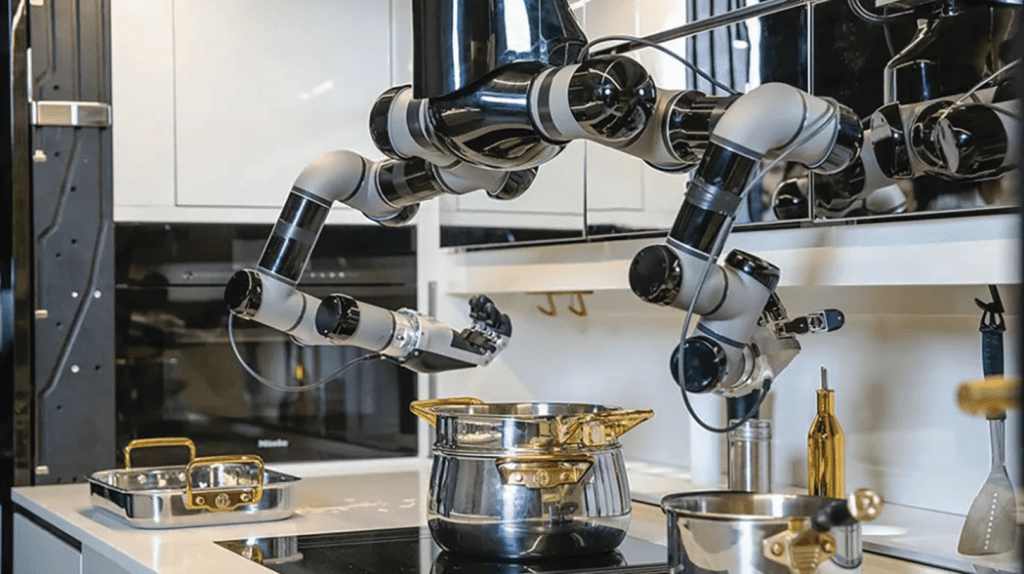
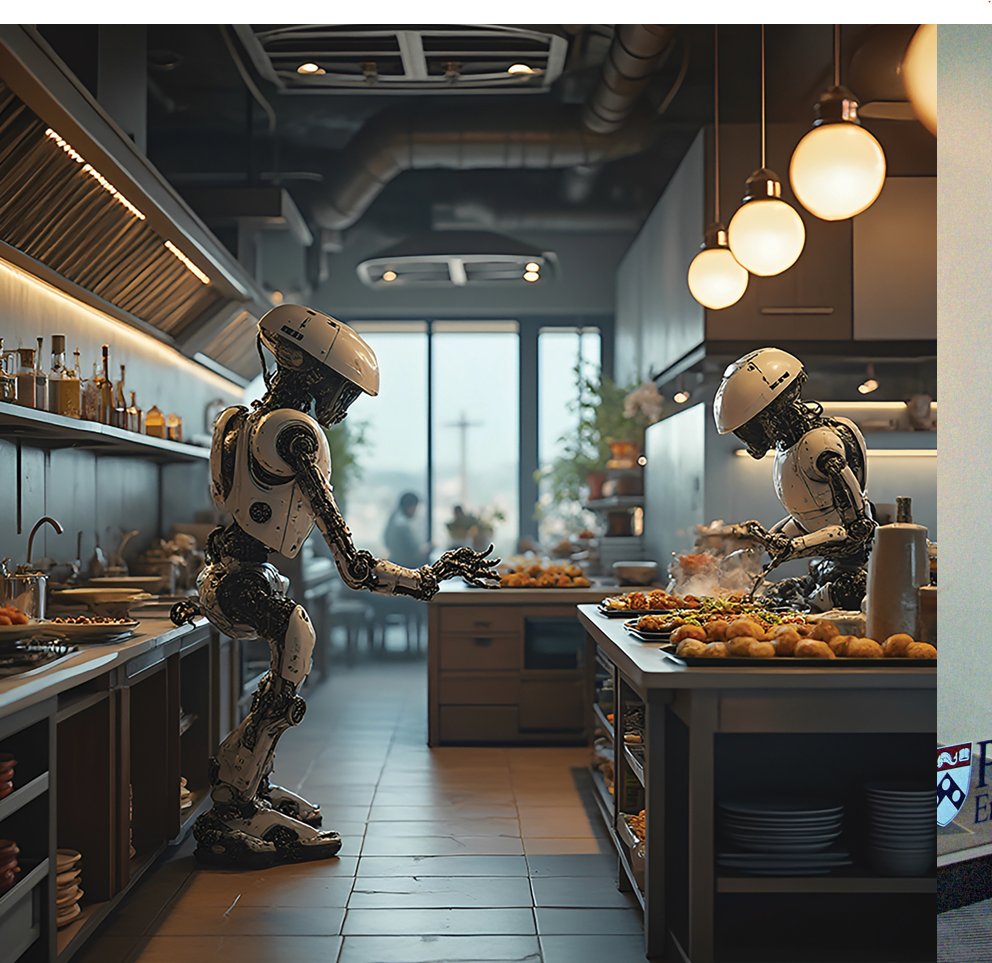
The process of cooking has always been regarded as an art-strongly cultural, emotional, and human. Among the most obvious examples of this change is the advent of smart cooking systems. These systems combine robotics, AI, and sophisticated sensors to process the complex culinary steps with impressive accuracy. UK-based Moley Robotics has invented a robot that can cook over 5,000 recipes and even clean up after itself when it’s done.
Artificial intelligence (AI)-powered recipe websites such as Yummly already offer personalised meal recommendations based on dietary restrictions, likes, and the ingredients on hand. Even in the future, AI might be able to come up with completely new recipes, fusing flavours and textures in unforeseen combinations.
In addition, AI is being applied to optimise food production and distribution. Using AI, crop yields can be predicted, food waste avoided, and supply chains streamlined by analysing large volumes of data. This may result in an efficient and resilient food system. These systems transform cooking into something that can be replicated and scaled by computerising recipes and recording human culinary trends. It is especially helpful in urban areas where time, labour, and consistency requirements are increasing. Robots are great in precision and consistency, but also open up new possibilities for experimentation. The combination of meals, methods, and cooking styles by programmable culinary systems can be new, and it may be referred to as algorithmic gastronomy. Nevertheless, this also brings the future of culinary identity into critical question. Will a machine-cooked dish have the same cultural and emotional value as a human-cooked dish?
CONCLUSION: INNOVATION AS THE MAIN INGREDIENT
A potent combination of robotics, AI, sustainability, and traditional knowledge is transforming the food sector. The challenge going forward will be to ensure that these innovations are inclusive, sustainable, and culturally meaningful. Food is not all about technology; ultimately, it is more about people, communities, and the experience of food together. The uniqueness of this revolution is that it will be able to focus not only on efficiency but also on equity, sustainability, and cultural preservation. The adoption of robotics and AI in food systems is not just a technological change; it is a redefinition of how humans feed themselves. In the future, it is not about taking over the human aspect of food, but rather about reinforcing it with innovation to achieve a future that is effective, inclusive, and more attuned to its cultural heritage.
Dr. Jyothish Madambikattil Sasi is an assistant professor (RIC) at Garden City University, Benagluru. He can be reached at jyothishmadambi@gmail. com. Dr. Biju Dharmapalan is the Dean-Academic Affairs, Garden City University, Bengaluru, and an adjunct faculty at the National Institute of Advanced Studies, Bengaluru. He can be reached at bijudharmapalan@ gmail.com.