

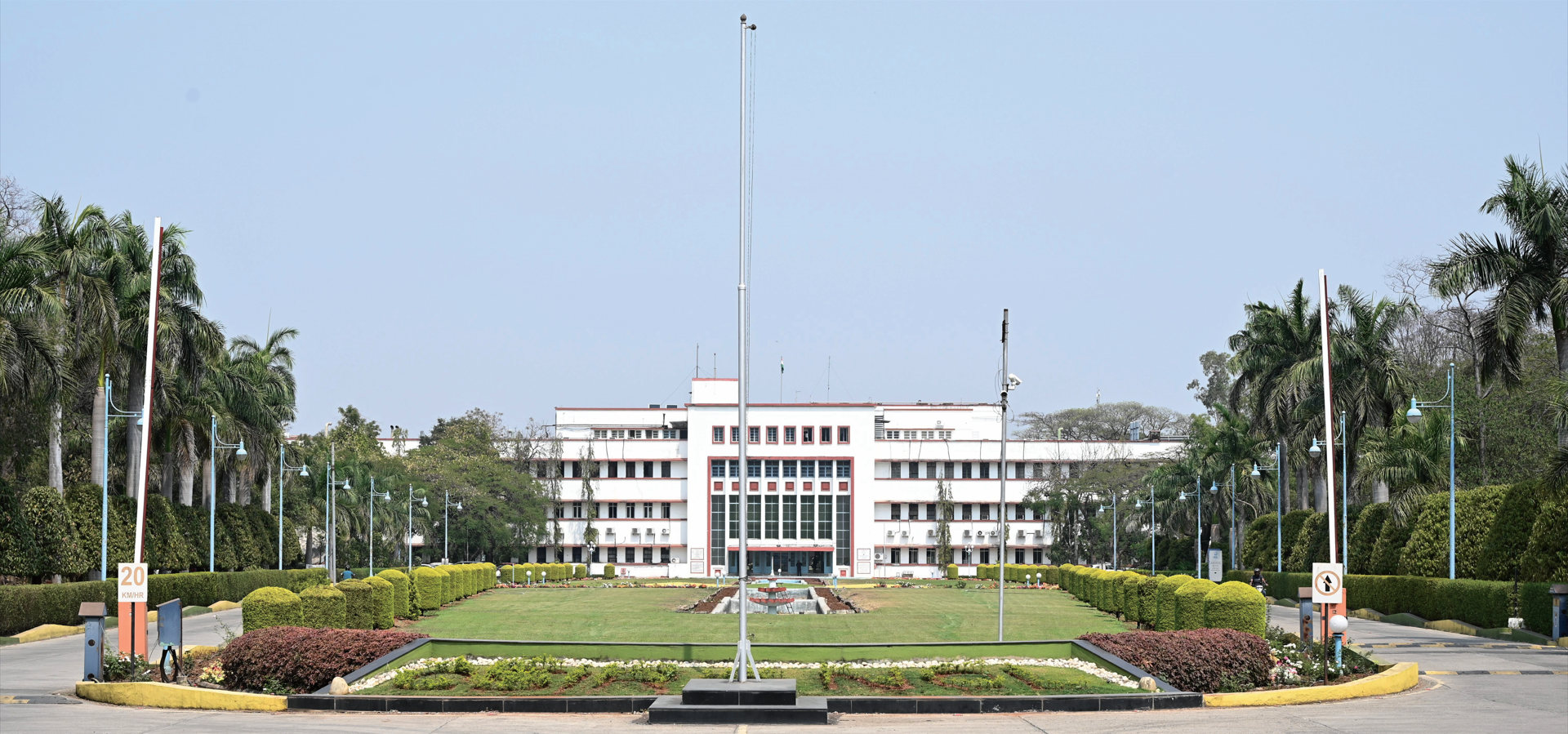
IN FOCUS: CSIR-NCL, PUNE
In the evolving landscape of Indian science and technology, CSIR-National Chemical Laboratory stands as one of the few institutions that reflect India’s transition from laboratory research to industrial and societal transformation. The laboratory was envisioned not merely as a centre for chemical research, but as a strategic institution for national development. Over the decades, it has evolved from a hub of industrial chemistry into a multidisciplinary deep-tech innovation ecosystem where scientific discoveries are translated into scalable technologies, industrial systems and public-good solutions.
Across pharmaceuticals, clean energy, sustainable manufacturing, agriculture, healthcare and advanced materials, the laboratory has consistently pursued a simple but powerful principle: science acquires meaning when it reaches society.
Its journey mirrors India’s own scientific evolution, from industrial self-reliance in the decades after independence to sustainability, climate resilience, deep-technology innovation and situating it within India’s broader ‘science-to-society’ journey.
BUILDING CHEMISTRY FOR A NEW NATION
When India became independent, the country faced a major industrial challenge. Much of its chemical and pharmaceutical sector depended heavily on imported raw materials, intermediates and technologies. Building indigenous capability in chemistry was therefore not merely a scientific aspiration, but an economic necessity.
It was in this context that CSIR-NCL was established in 1950 in Pune under the Council of Scientific and Industrial Research. Its early years focused on applied chemistry and process development to support domestic industry. Researchers worked on synthesising commercially important compounds including aniline, chlorobenzene, acetanilide, opium alkaloids, nitrile rubber intermediates and vitamin precursors.
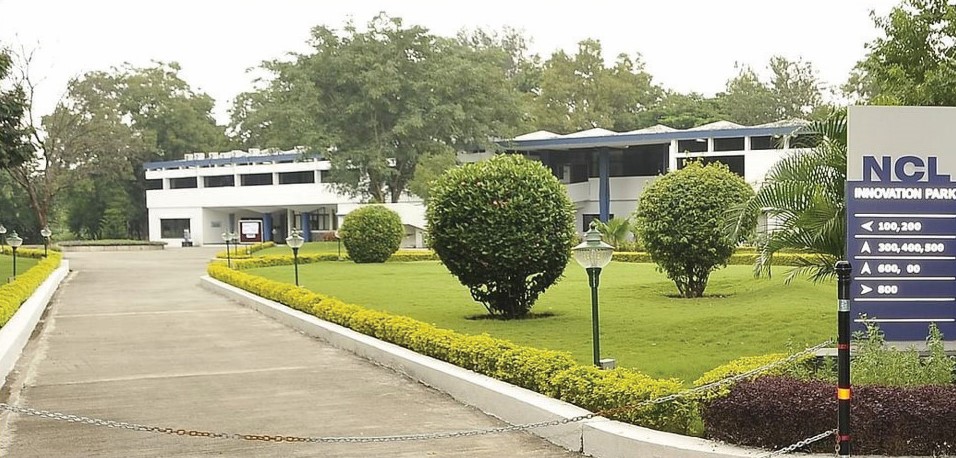
All Images Courtesy: CSIR-National Chemical Laboratory, Pune
What made the work significant was its emphasis on scale. Pilot plants on campus demonstrated India’s ability to design and operate chemical manufacturing processes indigenously, contributing to the growth of the chemical industry and public-sector enterprises such as Hindustan Organic Chemicals Limited. More importantly, these early decades established an institutional culture that continues to define NCL: research must move beyond publication into production and public utility.
Over time, the laboratory expanded beyond industrial chemistry into catalysis, polymer science, biochemical engineering, materials research and sustainability-oriented process engineering. Chemistry increasingly intersected with biology, environmental science and engineering, reflecting a broader shift in scientific thinking; from studying isolated reactions to designing integrated systems capable of addressing real-world challenges. Examples of large technology licensing successes from NCL include the ZSM-5 catalyst for xylene isomerization and ATBS, a versatile monomer for specialty polymers.
ARCHITECTURE OF MODERN RESEARCH
Today, CSIR-NCL operates through a research ecosystem integrating foundational science with application-driven innovation, anchored in its six core divisions; Physical and Materials Chemistry, Organic Chemistry, Chemical Engineering and Process Development, Polymer Science and Engineering, Biochemical Sciences and Catalysis.
Together, these enable a multidisciplinary framework spanning seven research themes: clean energy, C1 chemistry, circular economy, sustainable chemical industry, biotherapeutics, biomass and agritech. Rather than functioning as isolated domains, these converge into a systems approach where carbon, energy and biological resources are reimagined as interconnected value streams.
This structure reflects the laboratory’s roadmap, which emphasises sustainable industrial transformation, deep-tech innovation and strengthened linkages with industry and start-up ecosystems to accelerate science-to-society impact across chemicals, energy, agriculture and healthcare.
BEYOND THE LABORATORY
CSIR-NCL established a distinctive identity as a problem-solving partner for both industry and society, complementing its academic foundation with a strong applied orientation. Scientists worked closely with manufacturing units to improve chemical yields, redesign industrial processes and develop cost-effective technologies that could be implemented at scale. The laboratory also emerged as an important centre for continuous flow synthesis and continuous manufacturing technologies, enabling safer, more efficient and environmentally sustainable chemical production.
This translational approach proved particularly influential in pharmaceuticals. Researchers developed economical synthesis routes for active pharmaceutical ingredients and key intermediates, contributing to India’s rise as a global centre for affordable generic medicines.
An exemplar achievement was the development of India’s first continuous manufacturing process for paracetamol with zero liquid discharge. The system reduced waste generation while improving manufacturing efficiency and product consistency, demonstrating how green chemistry could transform industrial production.
SCIENCE IN SERVICE OF SOCIETY AND NATIONAL SECURITY
The COVID-19 pandemic further highlighted the importance of indigenous scientific capability. During a period marked by severe global supply-chain disruptions, NCL scientists developed nasopharyngeal swabs for testing and contributed to sewage-based epidemiological surveillance systems for early detection of viral spread. Researchers also worked on oxygen-enrichment technologies based on zeolites, materials with applications ranging from healthcare to aerospace systems.
Building on this public-health response, it addressed challenges in biomedical waste management by developing processes to recycle discarded PPE kits into reusable products such as garden materials and automotive components, advancing circular economy principles in healthcare systems.

The laboratory also addressed challenges in regulatory science and food safety. A notable innovation was the CHT-KIT (Chloral Hydrate Test Kit), designed for rapid detection of adulteration in toddy. Capable of providing field-level results within seconds, the technology reflects NCL’s continuing role in ensuring public safety through scientific tools.
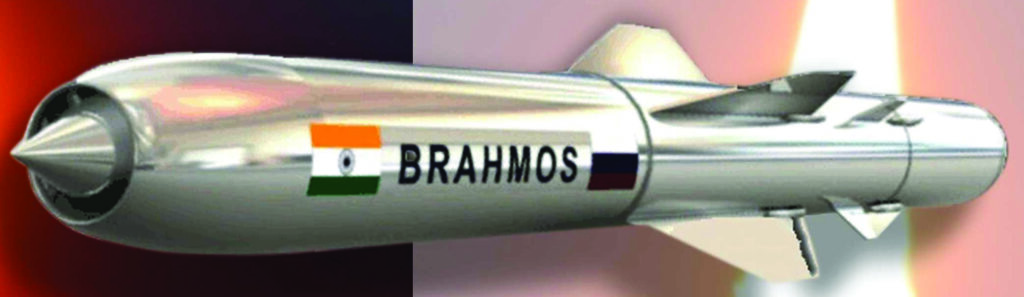
Beyond public health applications, the laboratory’s materials expertise has extended into defense and aerospace through technologies such as On-Board Oxygen Generation Systems (OBOGS) for aircraft including the MiG-29, where indigenous zeolite development improved oxygen enrichment under high-altitude conditions. This was further extended to the indigenous development of high-performance zeolites capable of achieving oxygen purity above 90 percent in experimental systems, supporting national security and aerospace autonomy. The laboratory also developed the critical high-temperature polymeric resins and polyimide materials which are used for the air frame and radome of the BrahMos Aerospace missile system.
CLEAN ENERGY, SUSTAINABLE INDUSTRY AND CIRCULAR ECONOMY
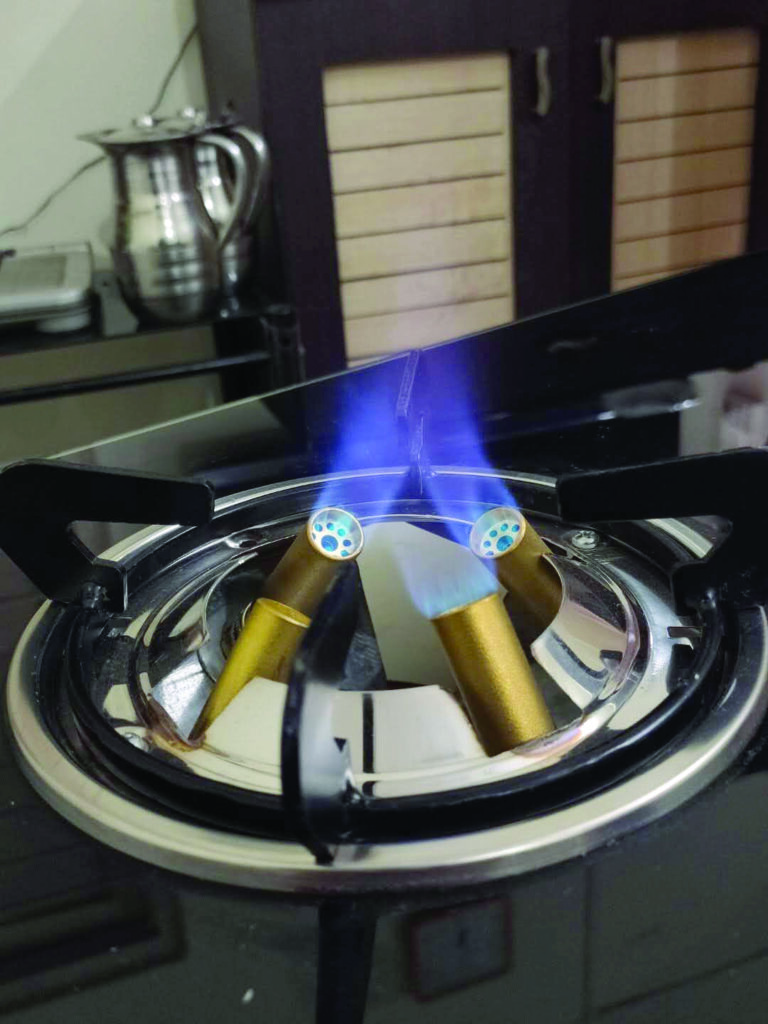
Extending its expertise in materials science and process engineering, CSIR-NCL is advancing India’s transition toward clean energy and sustainable industrial systems. A key development is Dimethyl Ether (DME), a cleaner LPG-compatible fuel. Researchers designed catalysts and continuous processes for methanol-to-DME conversion, demonstrated the same at pilot scale along with high efficiency domestic burner applications. A 2.5-ton-per-day demonstration plant is under development for scale-up. Parallel work has focused on hydrogen technologies, fuel cells, sodium-ion batteries and energy-storage systems aimed at supporting India’s long-term transition toward low-carbon mobility.
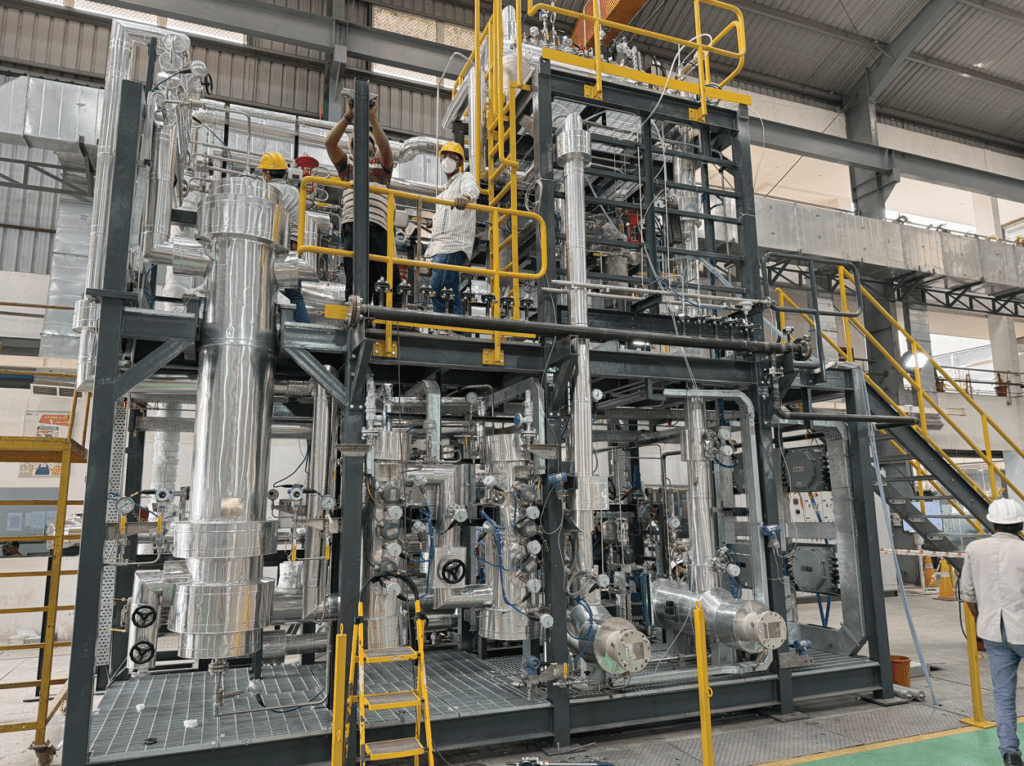
A landmark development in this domain is India’s indigenous hydrogen fuel cell passenger vessel, now in commercial operation on the Varanasi-Namo Ghat route. The 24-metre catamaran, built by Cochin Shipyard Limited under the Harit Nauka initiative, carries around 50 passengers and runs on a hydrogen fuel cell-battery hybrid system with zero emissions. The hydrogen fuel cell bus and car were also developed under the CSIR-NMITLI program and in collaboration with CSIR-CECRI and KPIT Technologies. Together these represent a successful transition of laboratory-scale fuel cell research into real-world transportation applications.
Researchers are also working on alkaline membrane electrolysers aimed at reducing the cost of green hydrogen production, a critical challenge in scaling future hydrogen economies. In parallel with energy transitions, CSIR-NCL is advancing sustainable industrial chemistry through circular economy approaches. Instead of treating waste as a disposal problem, NCL researchers are approaching it as a resource that can be chemically transformed into useful products.
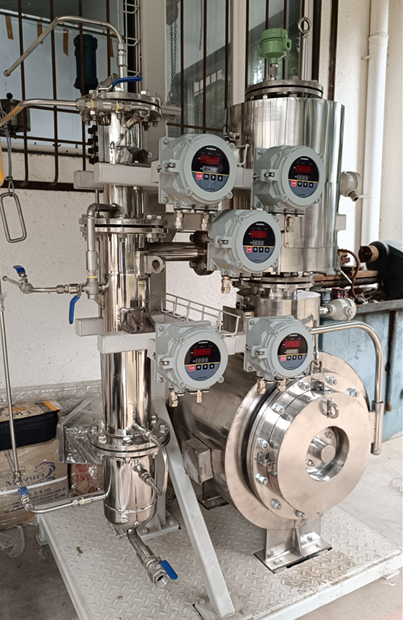
The laboratory has developed chemical recycling processes for segregation of multi-layer plastic films, textile waste and biodegradable polymer blends into monomers and other value-added products. Similarly, pyrolysis reactor systems capable of demonstrating scalable conversion of waste polyolefinic plastics into oil suitable for industrial applications such as foundries have been established. A novel electrochemical conversion of PVC and PVDC plastic waste into value added products has been demonstrated at lab scale.
SAFEGUARDING AGRICULTURE, FOOD AND HEALTH
NCL’s contributions also span agriculture, food systems, agrochemicals, water-retention materials and biological technologies that support rural livelihoods and agricultural sustainability. Researchers have developed super-absorbent polymeric materials capable of retaining water in drought-prone soils, technologies that could help farmers cope with increasing water stress and uncertain rainfall patterns.
The laboratory’s contributions to biological sciences have extended into plant tissue culture, animal genetics and disease diagnostics. Research related to bamboo biology achieved premature flowering in a species known for exceptionally long flowering cycles, while work in animal breeding contributed to the development of the NARI-Suwarna sheep breed aimed at improving reproductive efficiency and supporting rural economies.
Another key intervention has been in food authentication. India is one of the world’s largest producers of honey, yet adulteration remains a major challenge affecting consumers as well as export credibility. To address this, NCL collaborated with the Central Bee Research and Training Institute to develop an indigenous NMR-based honey authentication system using molecular fingerprinting and a reference database representing India’s floral diversity. The laboratory has also contributed to diagnostic technologies for livestock diseases such as Lumpy Skin Disease, integrating molecular diagnostics, environmental surveillance and genomic analysis.
The chemical engineering team is developing state-of-the-art distillation technology for the extraction of high value aromatic ingredients from essential oils of flowers cultivated under the CSIR Aroma Mission. The aim is to license the technology to progressive farmer’s cooperatives with the intention of setting up decentralized skid mounted plants located close to farms.
Together, these initiatives reflect a ‘One Health’ approach that integrates human, animal and environmental health into a unified scientific framework.
START-UPS AND THE DEEP-TECH ECOSYSTEM
One of the most significant transformations at CSIR-NCL in recent decades has been the growth of its innovation and entrepreneurship ecosystem. The establishment of the NCL Innovation Park and Venture Center created one of India’s earliest deep-tech incubation environments linked to a national laboratory, enabling collaboration in product development, pilot-scale manufacturing and technology commercialisation.

This environment has encouraged young researchers to think towards scalability, intellectual property and deployment. Start-ups such as Rechargion and Serigen have emerged from this ecosystem, working across clean energy, biotechnology and advanced materials, strengthening India’s broader deep-tech innovation landscape.
THE CONTINUING RELEVANCE OF TRANSLATIONAL SCIENCE
Spread across nearly 470 acres in Pune, the CSIR-NCL campus today houses advanced analytical facilities, pilot plants, process development laboratories, microbial repositories and collaborative research centres. Generations of scientists trained within its laboratories have gone on to contribute to academia, industry, entrepreneurship and public policy across India and abroad.
Yet perhaps the institution’s greatest contribution lies beyond any individual technology or patent. It is the scientific culture it helped shape, one that views science not as an isolated intellectual exercise, but as a tool for nation-building.
For most citizens, the influence of institutions like CSIR-NCL often remains invisible. Few people think about the chemistry behind cleaner fuels, affordable medicines, recycled plastics, oxygen systems in aircraft or authenticated honey. Yet such technologies quietly shape everyday life. That may ultimately be the true measure of a scientific institution: not merely the number of discoveries it produces, but the extent to which those discoveries improve society.
Over seven decades, CSIR-NCL has demonstrated that chemistry is not confined to textbooks or laboratories. It exists in agriculture, healthcare, energy systems, environmental sustainability, industrial manufacturing and national security. More importantly, it has shown that scientific knowledge becomes meaningful when it is translated into real human benefit.
As India enters an era increasingly defined by sustainability, advanced manufacturing and deep-technology innovation, institutions such as CSIR-NCL will remain central to shaping that future. Its story is not simply one of scientific excellence, but of transformation of knowledge into capability and molecules into meaningful change.
*Dr Nikhlesh Yadav leads the Publication and Science Communication Division at CSIR-National Chemical Laboratory and is the founding editor of the NCL’s quarterly magazine ‘Allotrope’. While, Dr Ashish Lele, a trained chemical engineer, is the Director of CSIR-National Chemical Laboratory. He is the recipient of several prestigious honours, including the Shanti Swarup Bhatnagar Prize and the Infosys Prize.