


The conversation in Indian agriculture is no longer limited to feeding crops with synthetic fertilisers but to understanding systems to build healthier soils. India, with a population of about 1.27 billion, requires healthier soils that remain productive to produce healthier crops for generations.
According to a Centre for Science and Environment report, Indian soils are severely deficient in essential nutrients such as nitrogen and organic carbon. Imbalanced use of fertilisers, limited integration of organic matter and inadequate micronutrient management can affect the nutritional quality. Soil health, crop health and human nutrition are inter-linked.
Healthy soils must have beneficial microorganisms that break down organic matter and cycle essential nutrients, a good soil structure that allows for optimal root penetration, water infiltration, and balanced macro and micro-nutrients. Soil Organic Carbon (SOC) is a critical indicator of soil health. It is derived from decaying plants, animals, and microbes and drives fertility, water retention, and carbon sequestration.
BIOCHAR IN INDIAN AGRICULTURE
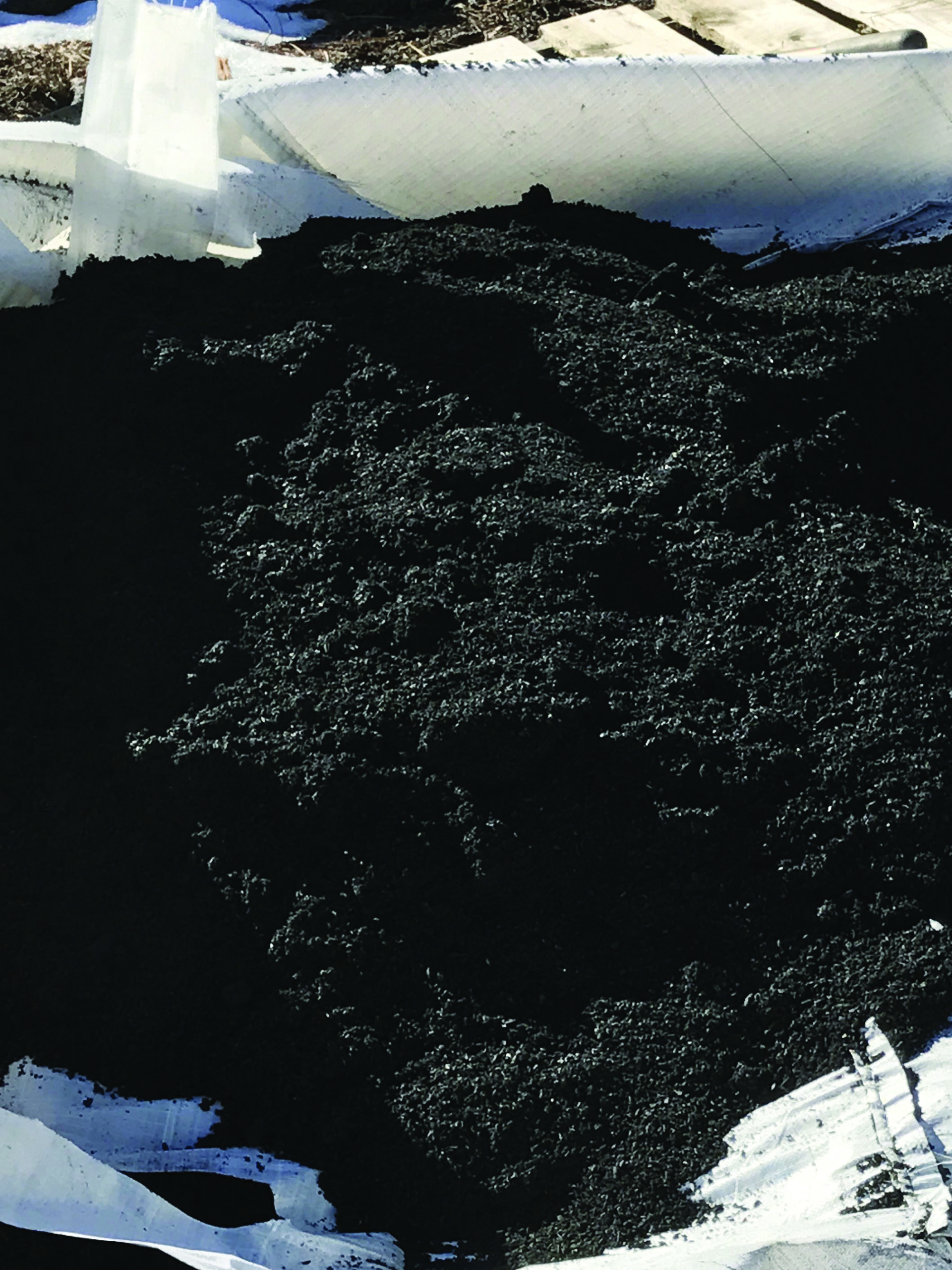
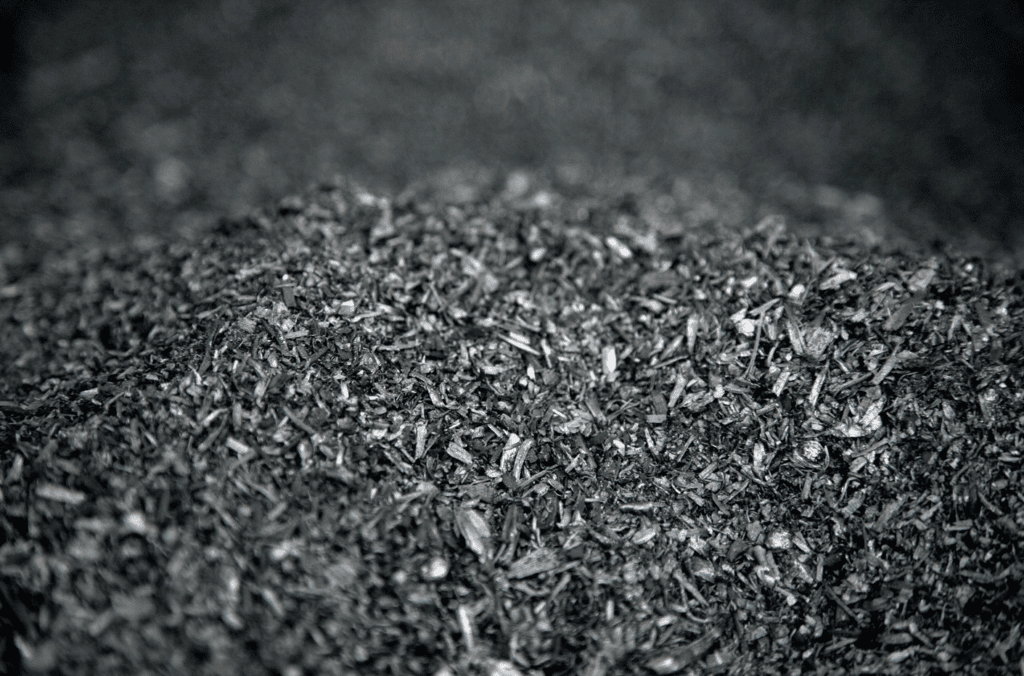
Biochar produced by slow pyrolysis of biomass is a stable form of carbon that can sequester atmospheric carbon dioxide. Biochar is one of the pathways to sustainable agriculture, contributing to the UN Sustainable Development Goals.
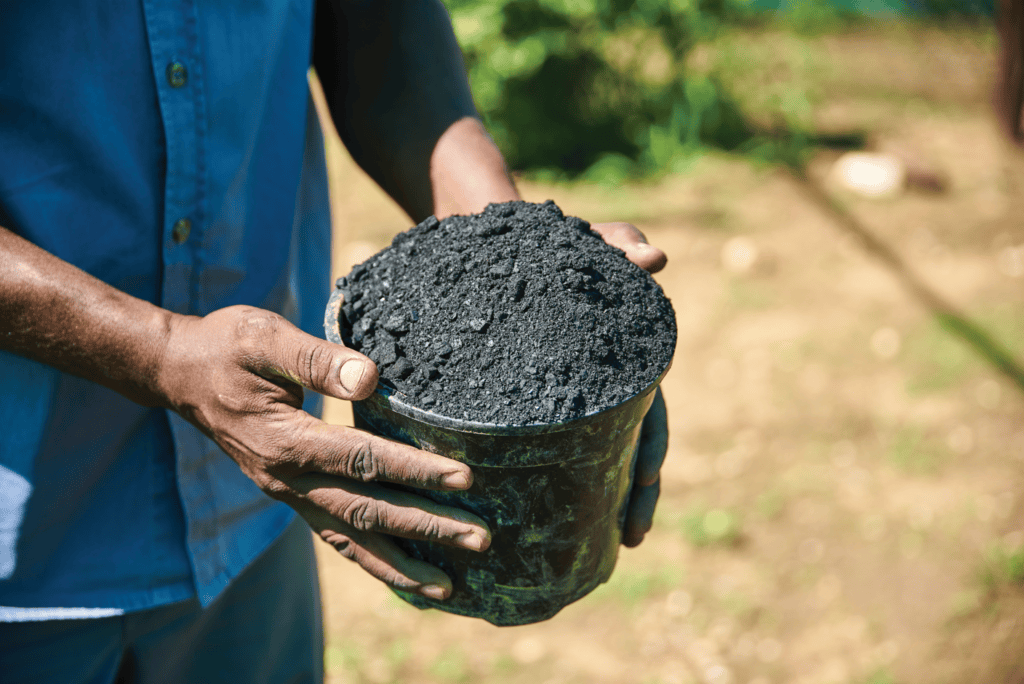
Biochar improves crucial SOC, water retention, limits leaching, improves nutrient availability, supports long-term carbon sequestration and enhances soil resilience under climate stress.
All Images Courtesy: Wikimedia Commons
The porous nature of biochar increases soil aeration and water retention. This property is highly beneficial in drought-prone areas. Biochar prevents soil compaction, which improves soil density, promotes root growth, and water infiltration. Biochar creates a conducive environment for beneficial soil microbes, enhancing microbial diversity. This leads to healthier soil ecosystems and improved nutrient cycling.
Biochar can raise the pH of acidic soils, creating a favourable environment for plant growth. Its porous nature leads to increased yields, better soil health, and reduced dependency on chemical fertilisers. Biochar should be applied near the roots for soil fertility and even deeper for carbon sequestration. For best impact on yields and soil health, biochar can be combined with compost or other inputs.
Residue Burning: India generates an estimated 500 to 600 million tonnes of agricultural residue annually. Every winter, open-field stubble burning triggers severe air pollution crises. The traditional crop-burning residues contribute to air pollution and greenhouse gas emissions. Methane, a GHG, is produced when organic waste decomposes anaerobically. But the pyrolysis process converts this organic matter into biochar, thereby reducing methane and nitrous oxide emissions. Waste in landfills can be reduced considerably if agricultural residues and other wastes are converted into biochar. Such a conversion contributes to a circular economy by turning waste into a resource.
CII-NITI Aayog: The report on Action Plan for Biomass Management in CII-NITI Aayog’s Cleaner Air Better Life Initiative has noted that the burning of crop-residues to prepare the field for the next sowing season has become a common practice across states. Farm burning practice is especially prevalent in the Wheat Rice Crop (WRC) system where the window for harvesting rice and sowing wheat crop is very small (15-20 days). Therefore, the report suggested rewards for village panchayats that report zero-burning of farm residues. The eligibility criteria for choosing a village will be a sound track record with no incidence of farm fires. The rewards can be seed funding for panchayats to implement decentralised management of crop residue at a village scale, which could include facilities such as a paddy straw-based biogas plant, briquetting plant, pyrolysis for biochar, composting, etc. The report stated the single-most cost-effective measure farmers could undertake is converting crop residue into biochar at the farm.
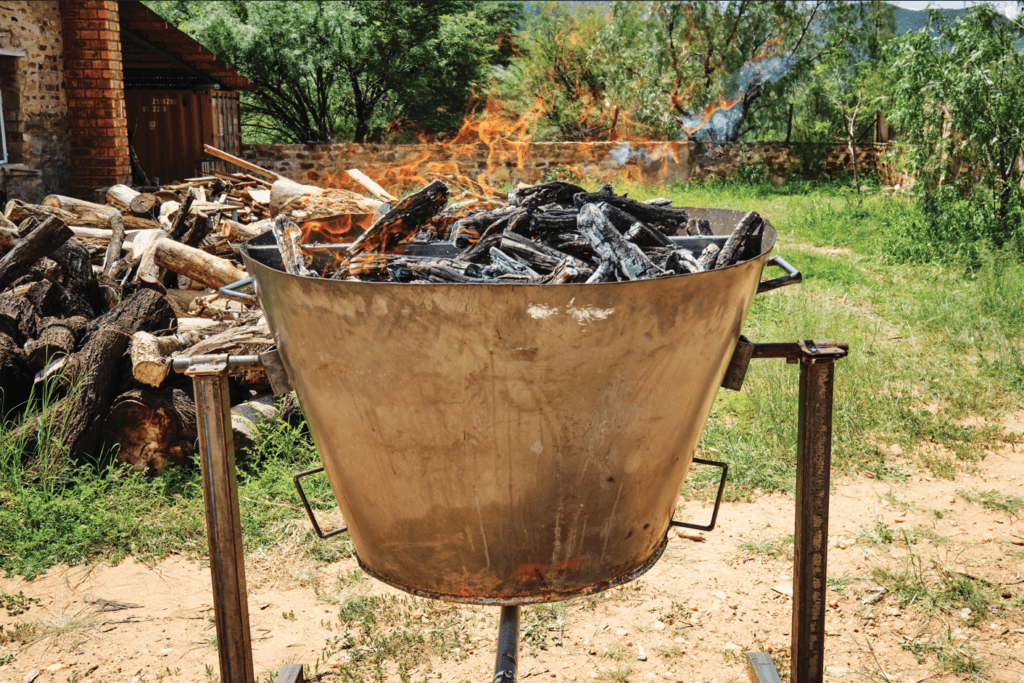
Elaborating further, the report stated there are kilns in various shapes depending on the need. These kilns can ideally take any dry biomass as feed. A Sheet metal kiln (portable) with an open bottom and a hole in the lid cover can take a batch of 6 kg straw and complete the charring in 15-20 mins. A bigger barrel oven, which can take 30-40 kg batches, takes 45 mins to operate. A brick and clay Prali kiln (non-portable), which is constructed on site, can take up to 1200 kg batch in a 10-12-hour operation.
Sustainability: Sagar Cements Limited recently entered into a partnership with climate technology firm Sow & Reap Chara to install biochar and gasification units at their Mattampally facility in Telangana state. Under the initiative, primary cotton waste from surrounding villages will be collected and processed to produce syngas and biochar. Sagar Cements plans to use syngas as a substitute for traditional fossil fuels. Biochar will be supplied to farmers for soil application, aiding long-term carbon storage and reducing open-field residue burning. Basically, it is a way forward in decarbonising cement production.
The Goenvi Technologies, India office in Maharashtra, developed a patented pyrolysis system that converts plastic, biomass, and hydrocarbon waste into clean fuel, chemicals, and biochar. Sustainable Options, a Bhopal-based organisation, is promoting bamboo-based technologies for sustainable development. They are using bamboo waste to produce biochar.
Methods: In India, slash and burn is an indigenous practice followed by many tribal communities. Here, the vegetation is burnt, and the nutrient-rich ash is used for farming. Depending on the region, this practise is known by different names such as Jhum, Pamlou, Dipa, Bewar, Koman, Podu, Kumara, Kuruva, Valre and Khil.
Another old technique practised is the heaping and charring process. In Tamil Nadu, Rajasthan, and regions near the foothills of the Himalayas, biomass is covered in mud paste and smouldered, creating charcoal, which is used to revive arid or sandy soil.
The Indian Institute of Technology, Kharagpur, started the KISAN kiln to help small farmers safely convert farm waste into high-quality biochar. This process today is recognised as a vital negative-emission technology.
Sri Sarada Math, Almora, Uttarakhand, developed the Holy Mother Biochar Kiln. It is a low-cost and small-scale kiln to help rural Himalayan communities safely upcycle invasive weeds, mountain pine needles, and agricultural waste into high-quality biochar.
The ICAR Modified Drum Kiln; Konti/Kon-Tiki Soil Pit Kiln; and the Ambi Venkatachalam Murugappa Chettiar Research Centre (MCRC) Coconut Shell Kiln are some more kilns used by farmers in various regions in the country. The Niti Frontier Tech Hub reported that Dr Priyadarshini Karve collaborated with the UK Biochar Research Centre to develop a portable structure called the Samuchit Transflasher Kiln.
In a very recent development, the University of Agricultural Sciences, Bengaluru, introduced low-cost kiln technology to the farmers in Karnataka. The initiative under the Rashtriya Krishi Vikas Yojana trains farmers to convert crop residues into biochar, thereby addressing soil organic carbon depletion.
Green Manufacturing: As a highly porous material, biochar can be used to limit carbon emissions produced by buildings and construction activities. Biochar is gaining traction in urban infrastructure and green manufacturing. India generates over 70 billion litres of wastewater. The absorption property of biochar can treat wastewater, trapping heavy metals and organic pollutants.
Researchers are considering biochar in cement and concrete composites. The porous structure can trap air and moisture that can improve insulation and durability of the materials. Also, the insulating properties can be leveraged to develop biodegradable packaging materials.
Carbon Credits: A few companies are partnering with Google and Microsoft to reduce open-field burning and create a secondary income for smallholder farmers. One such company is Varaha, which is empowering local communities to produce biochar while restoring their traditional grassland ecosystems. According to the company’s website, about 2,00,000 farms have been onboarded, covering 400,000 hectares, sequestering more than 2,000,000 tonnes of CO2.
Another Bengaluru-based company, RenewCred, is partnering with regional project developers such as Arka Carbon and Jeet Agrotech. Through tech integration and scientific accuracy, they sell carbon credits, providing smallholders a new stream of income.
KriSHE Carbon helps farmers turn agricultural waste into income through traceable biochar and verified carbon credits. According to information available on their website, more than 500 farmers are connected to the global carbon market.
The Biochar Centre of Excellence at Kanha Shanti Vanam (Heartfulness Institute, Hyderabad), in partnership with PayPal, launched a facility to train women and youth to operate biochar production units, enhancing soil health and unlocking carbon credits for farmers.
ProSoil, an Indo-German development cooperation project, is partnering with the International Council for Research in Agroforestry (ICRAF) and NGOs in the regions of Maharashtra and Madhya Pradesh to develop viable models for converting biomass into biochar. There are many more such initiatives taking root in the country.
Standards: Farmers and companies mostly rely on internationally recognised frameworks to guarantee safety, quality, and carbon sequestration. A few certification frameworks are: World Biochar Certificate (WBC) / IBI Standard; European Biochar Certificate (EBC); and Global Artisan C-Sink. Certifications in India are commonly inspected and processed by accredited agencies such as INDOCERT.
Research suggests that the final product should have a high carbon content (over 60%) and a hydrogen-to-carbon (H:C) molar ratio below 0.7. Adhering to these standards ensures effectiveness and safety of biochar.
The National Bank for Agriculture and Rural Development (NABARD) and several agricultural universities are actively rolling out protocols to standardise biochar production.
Finance: The Agriculture Infrastructure Fund (AIF) is the preferred source of finance for individual farmers, Farmer Producer Organisations (FPOs), and agri-startups to set up decentralised pyrolysis units. Also, the Capital Investment Subsidy Scheme (CISS) via Organic Farming Programs offers subsidies for Biofertilisers and Organic Waste Composting. The NABARD Agri-Startup Fund is for companies scaling up closed-loop, high-tech continuous pyrolysis setups. Also available are state-level MSME schemes.
Incentives: The CII-NITI Aayog suggested financial assistance to farmers can help in implementation of the units. Also, capital equipment for portable units can be made tax-free. As the window between harvesting and sowing is small, incentivise farmers for using tractor-mounted kilns.
Challenges: The CII-NITI Aayog report said scalability of kilns is a challenge. The production of biochar requires investment in pyrolysis technology that can limit its accessibility to small farmers. Also, the effectiveness of biochar depends on the raw materials used. Small and marginal farmers hesitate to adopt any change. Therefore, creating awareness about the benefits of biochar are essential for such farmers. R&D is required for designing better kilns, developing biochar applications and market development for biochar products. Biochar can be integrated into the national growth strategy for a Viksit Bharat.
Eventually, a strong intention is required to achieve a Viksit Bharat with net-zero carbon emissions and to promote sustainable and green growth across all sectors.
*The writer is a Consultant Editor & Freelance Science Communicator. She can be reached at adeshabhatla@gmail.com