




Author: Vaidya Preeti Bhosle

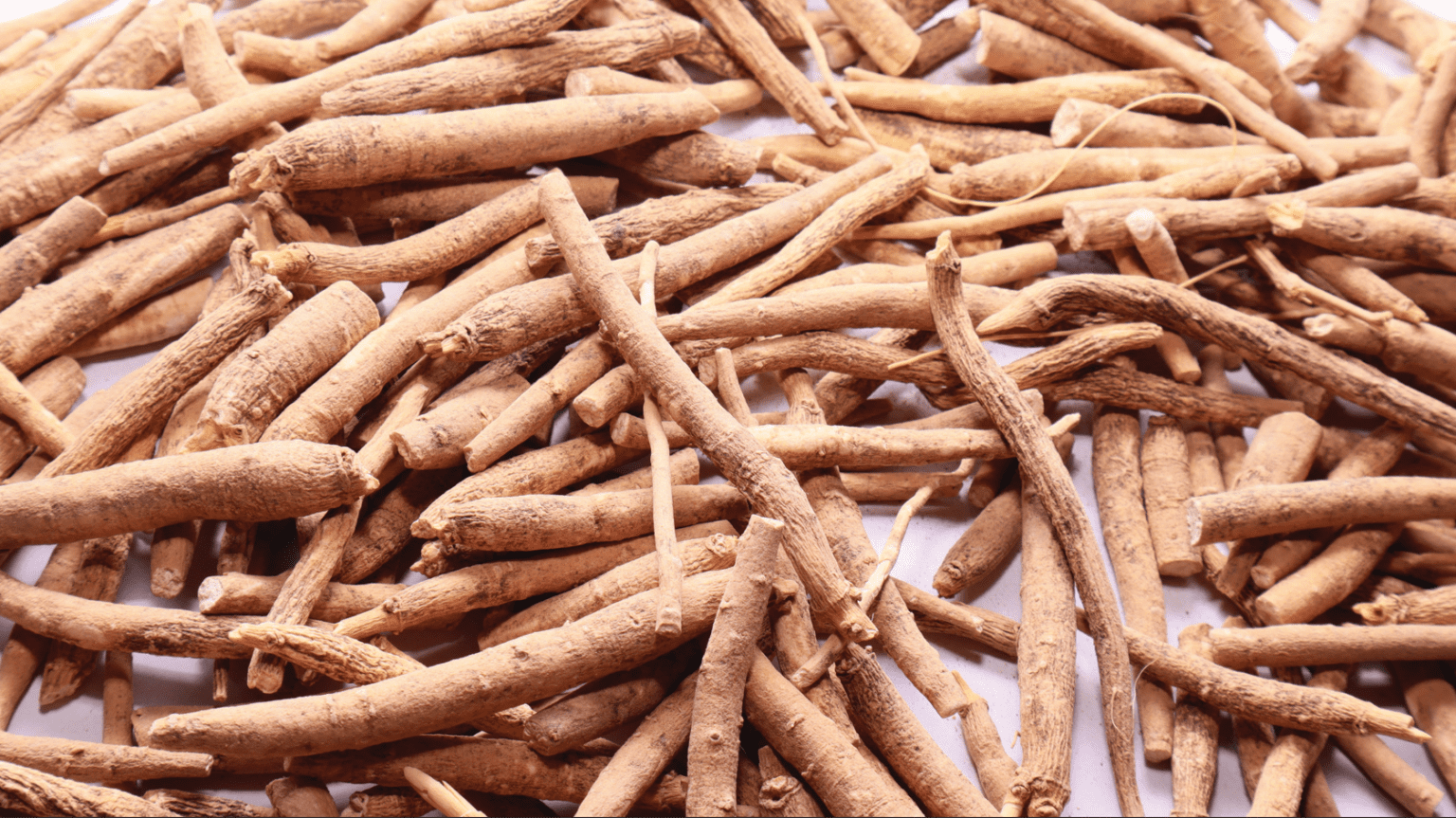
HERB HERITAGE: ASHWAGANDHA In an era marked by chronic psychosocial stress, metabolic dysregulation, declining cognitive resilience, and accelerated biological ageing, the search for interventions that restore systemic balance has intensified. Traditional medical systems, once viewed as largely empirical, are now being revisited through rigorous scientific inquiry. Among the most extensively studied medicinal plants from Ayurveda is Ashwagandha (Withania somnifera Dunal)—a classical Rasayana that is increasingly interpreted as an adaptogenic, neuroprotective, and immunomodulatory agent in modern biomedical terms. Ashwagandha’s contemporary relevance lies not in replacing conventional therapeutics, but in offering a translational framework—where Ayurvedic principles of tissue nourishment, stress adaptation, and…
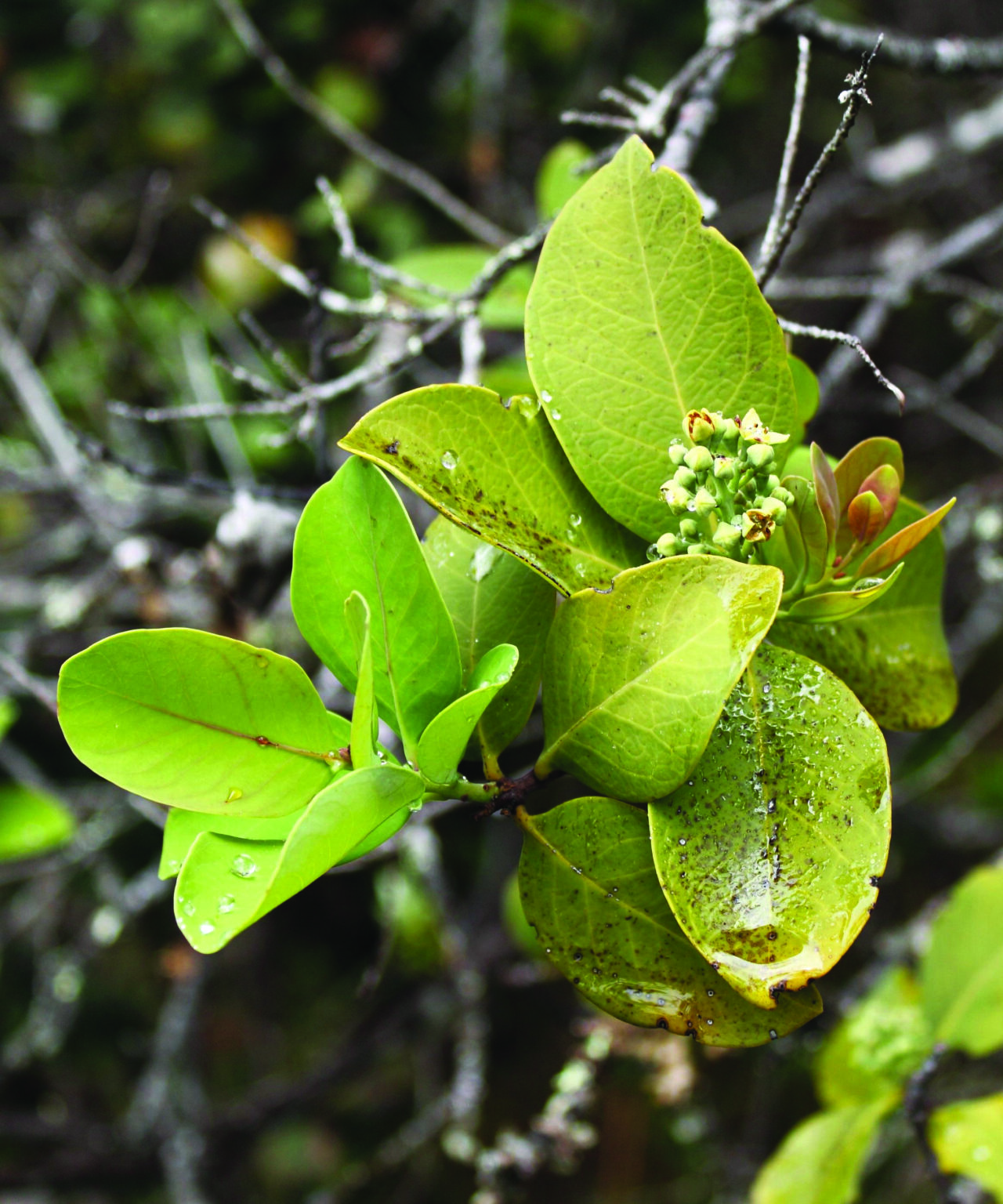
HERB HERITAGE: CHANDAN Chandan, the sacred sandalwood of India, is a quintessential example of how Ayurveda integrates spirituality, sensory experience, and pharmacological intelligence. Its cooling touch soothes the heat of inflammation, the fire of anger, and the burden of disease. From ancient yajnas to modern clinical skincare, Chandan continues to serve as a symbol of healing, sanctity, and serenity. In an era seeking natural, holistic solutions, rediscovering Chandan is a return to balance—of body, mind and spirit. The Indian sandalwood tree (Santalum album), revered as Chandan in Ayurveda, holds a deep-rooted significance in the cultural, spiritual, and medicinal heritage of…
Ayurveda, India’s timeless science of life, is experiencing a quiet yet powerful transformation. Once confined to palm-leaf manuscripts and the wisdom of village vaidyas, it is now finding new expression through smartphones, cloud platforms, and artificial intelligence. The digital revolution is not replacing Ayurveda—it is reviving it. As the world shifts from reactive to preventive and holistic healthcare, Ayurveda stands as a ready guide. The COVID-19 pandemic, global lifestyle disorders, and a renewed interest in immune resilience have made people question chemical dependence and rediscover natural healing systems. At the same time, digital technologies are reshaping how healthcare is delivered,…
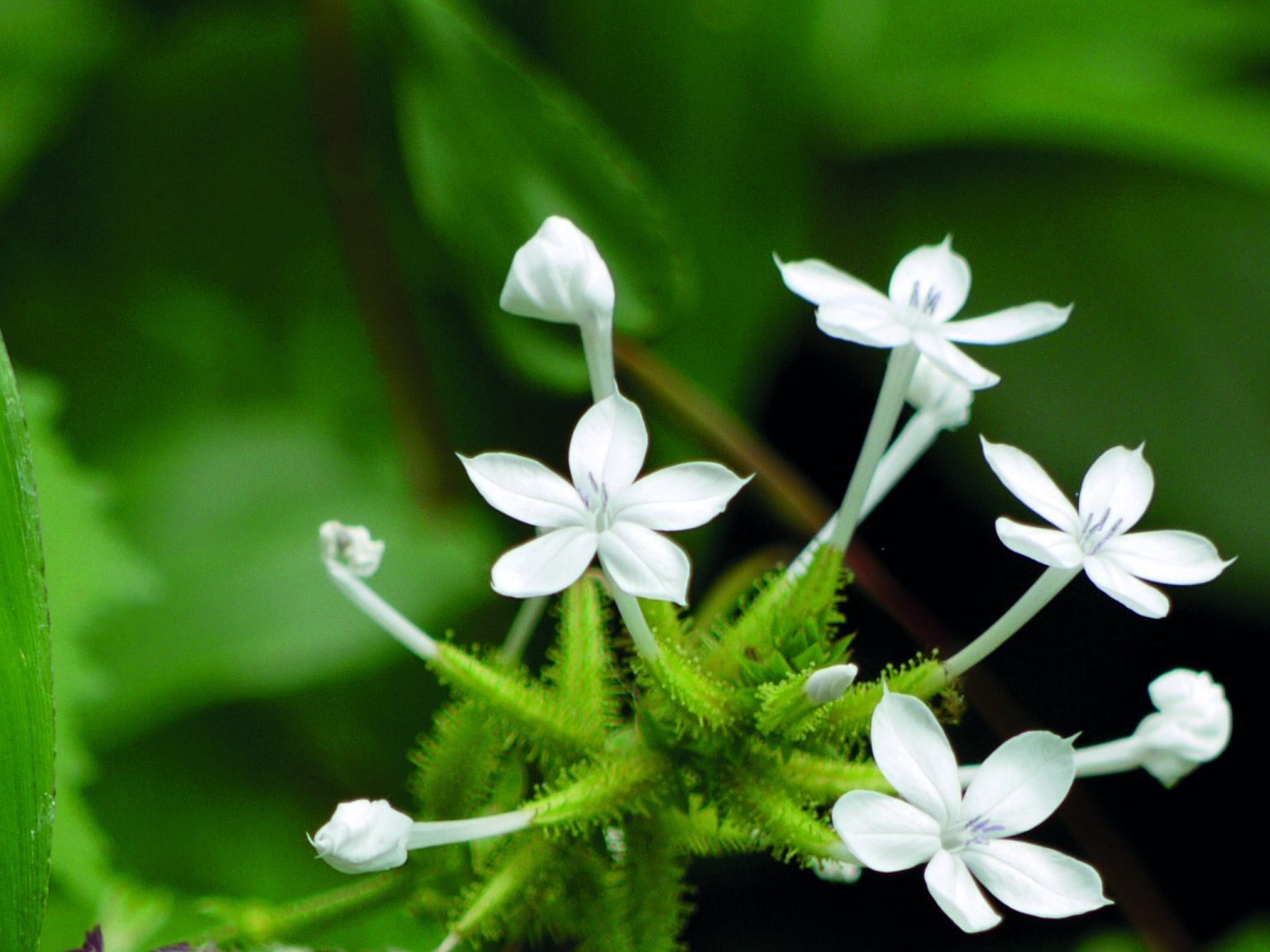
HERB HERITAGE: CHITRAKA Chitraka, with its rich history in Ayurveda and ancient Indian literature, continues to be a revered herb in the holistic health community. Its numerous therapeutic applications demonstrate its versatile nature and effectiveness as a natural remedy. With its deep roots in ancient Indian medical traditions and growing recognition in modern science, Chitraka remains an essential herb in the quest for balanced health and well-being. As Ayurveda evolves and integrates with modern wellness practices, Chitraka’s enduring legacy in healing continues to inspire and inform holistic health solutions. Chitraka is well-referenced in classical Ayurvedic texts, particularly the Charaka Samhita,…

HERB HERITAGE: CINNAMON Dalchini is not just a spice for enhancing flavour—it is a multifaceted medicinal plant with a long history of use in both traditional Indian medicine and folk remedies. From digestive health to cardiovascular support, its healing properties are vast and well-documented. Whether used for its therapeutic effects, its ability to promote overall well-being, or its importance in rituals and beauty treatments, it is commonly known as cinnamon and is a popular spice derived from the bark of Cinnamomum verum trees. Cinnamon continues to hold an essential place in Indian culture and medicine. It is native to Sri…

HERB HERITAGE: LONG PEPPER / PIPPALI Herbs are botanical remedies that offer a natural approach to treating illnesses with a superior safety profile and effectiveness. India boasts a rich history of traditional herbal medicine through Ayurveda, which includes a wide array of potent herbs. One such significant herb is Pippali, considered a gift of nature to humanity. When it comes to bracing yourself against the winter chill, warming Ayurvedic herbs play a vital role in keeping your body balanced and cozy during the colder months. Among these herbs, Pippali stands out as a powerhouse, known for its heating properties that…

Black pepper (Piper Nigrum), commonly known as Kali Mirch in India, holds a remarkable position in the historical annals of Ayurveda, the ancient Indian system of medicine renowned for its holistic approach to health. Its use as a medicinal plant dates back to centuries, manifesting its inclusion in the rich texts of Ayurveda like the Charaka Samhita and the Sushruta Samhita, which underscore its significance in healing practices. Ayurveda has long cherished black pepper for its ability to enhance digestive fire, or ‘Agni’, which is considered crucial for maintaining a balanced body and spirit. The vigorous nature of black pepper,…

HERB HERITAGE: SHUNTHI Ayurveda, a traditional system of medicine of India, emphasises the use of natural ingredients to promote holistic well-being. The masala box kept in your kitchen is a treasure trove of health benefits. Indian spices not only enhance the taste of your food items but also benefit your body in various ways. Among these ingredients, dry ginger holds a significant place in Ayurvedic remedies due to its various health benefits. In winters, embracing the power of the warming dry ginger or Sonth or Shunthi can be a game-changer for overall well-being. Its natural heat-producing properties help to stoke…

HERB HERITAGE : LOTUS Think about a flower that can thrive in the dirtiest of waters, but still come out clean and bright. A flower that can maintain its own warmth even in the most frigid of environments. A flower that has sparked innumerable myths, legends, art forms, and healing practices in various cultures and religions. A fragile flower that drifts on top of the water, with petals that glisten like gems under the sun. An aroma that brings a sense of tranquillity and sweetness to the atmosphere. A star-shaped figure with a concealed core containing a mystery. The lotus…
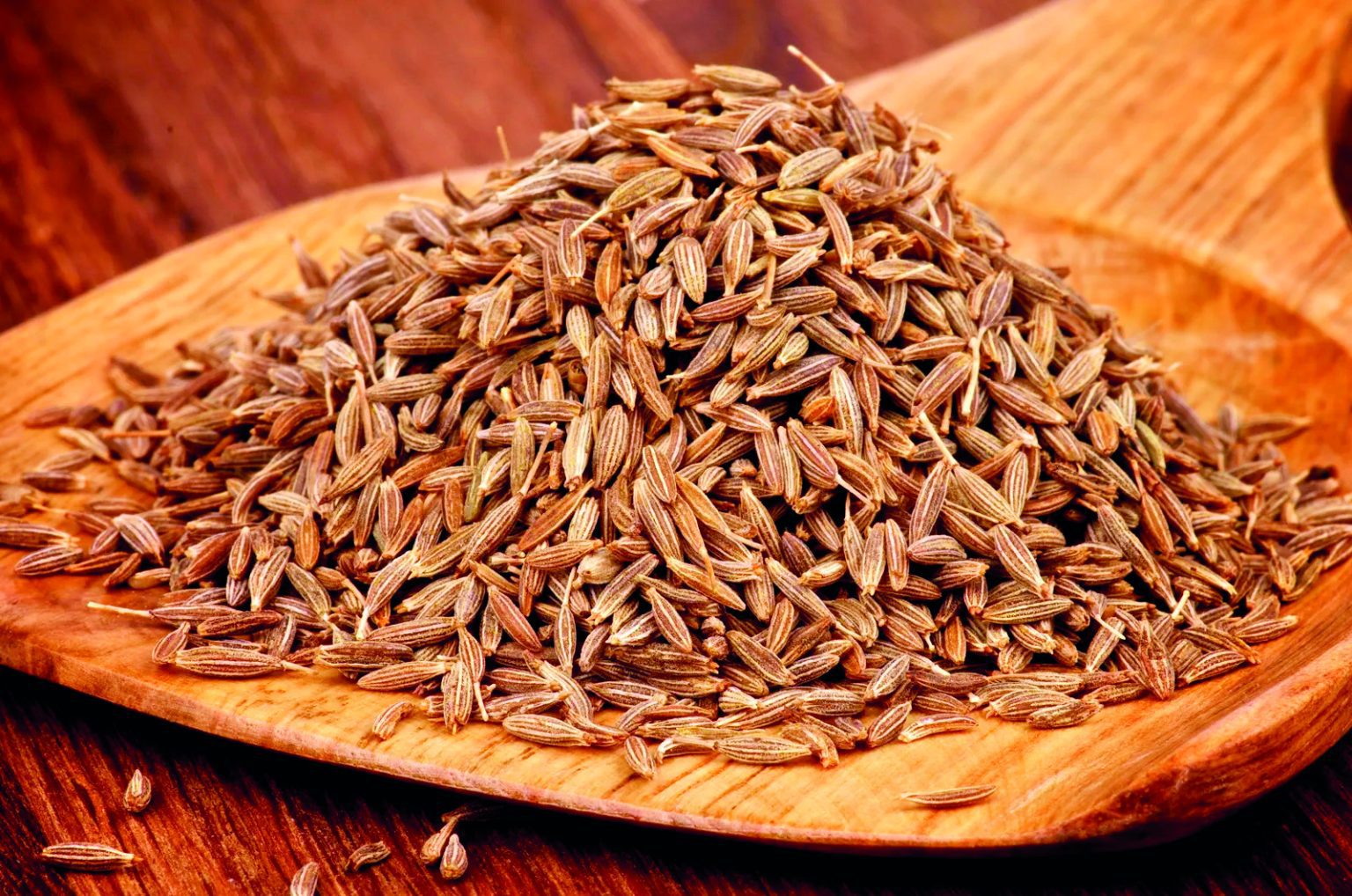
HERB HERITAGE: CUMIN Ayurveda focuses on various diets and daily routines to achieve optimal health for an individual. It revives metabolism, revitalises cells, enhances memory, maintains balance of physical and mental dosha, and overall fortifies the basis of health. Certain Ayurveda medications, known as Ahara Aushadhi, are also utilised as flavourings in cooking and combined into dishes which assist in restoring the body with essential nutrients. Jeera or cumin in English, a common spice used in everyday cooking since the Vedic era, is among the many spices used in different dishes. Jeeraka is a fragrant plant primarily utilised for enhancing…