






India has given the world two enduring traditions of health: Ayurveda and Yoga. Together, they offer far more than treatment after illness appears. They provide a way to understand life, preserve health, prevent disease, and restore balance when the body and mind drift away from their natural state.
This message is especially important today. Non-communicable diseases such as diabetes, hypertension, obesity, prediabetes, and dyslipidaemia are increasing rapidly in India and across the world. These conditions often grow silently over time through unhealthy food, irregular routine, poor sleep, chronic stress, lack of movement, and mental overload. Modern medicine remains essential for diagnosis, acute care, and complication control, but long-term health also depends on daily living, behaviour, and self-discipline.
TWO CLASSICAL FOUNDATIONS
Ayurveda is traditionally understood as the science of life. Its purpose is not only to treat disease but also to protect the health of the healthy and support recovery in the sick. Yoga, classically described as calming and regulation of the mind’s movements, offers practical methods to cultivate steadiness through posture, breathing, discipline, and meditation.
In simple terms, Ayurveda teaches how to live rightly, and Yoga trains a person to actually live that way. Ayurveda explains food, digestion, constitution, routine, sleep, and disease tendencies. Yoga helps the same person regulate the body, breath, senses, and mind, making healthy living possible in real life.
WHY THEY BELONG TOGETHER
Ayurveda and Yoga arise from the same civilizational understanding that health is a state of balance. Both link the body and mind closely. Both emphasise moderation, discipline, self-awareness, and prevention.Ayurveda may be compared to a science of healthy living and healing, while Yoga is a science of inner and outer regulation. Ayurveda tells us what disturbs balance and what restores it. Yoga gives daily tools to reduce stress, improve attention, regulate breathing, strengthen the body, and support emotional steadiness.

Image Courtesy: Twitter
This is why the two are often described as complementary. Ayurveda provides a broader framework for life management; Yoga offers a daily practice that supports that framework. When used together, they become stronger and more useful than when understood in isolation.
PREVENTION BEFORE DISEASE
A major strength of Ayurveda is its preventive approach. It pays attention to early disturbances such as weak digestion, irregular appetite, heaviness, lethargy, poor sleep, stress, irritability, and reduced physical activity. These may seem minor at first, but over time, they can contribute to metabolic disorders and chronic disease.
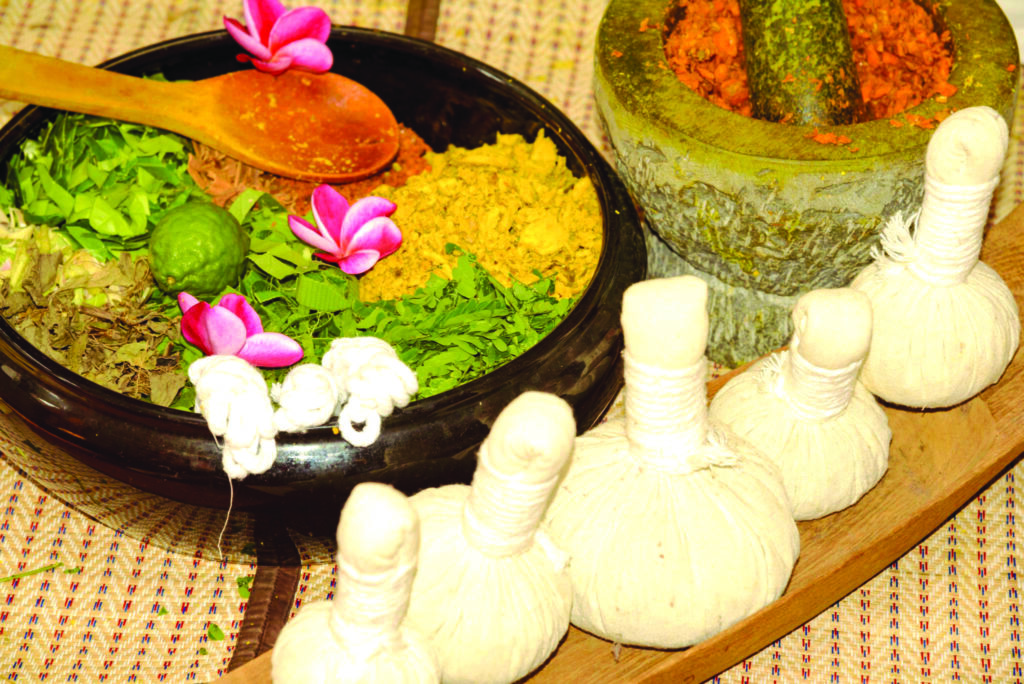
Yoga naturally supports this preventive approach. Regular practice improves movement, breathing, sleep, mental calmness, and stress handling. It also makes people more aware of their habits, which helps them follow dietary advice, avoid excess, and maintain a routine. In this way, Yoga strengthens prevention, while Ayurveda explains the larger logic behind it.
THE THREE PILLARS OF LIFE
Ayurveda describes three basic supports of life, known as Trayopasthambha: Ahara, Nidra, and Brahmacharya. These are not abstract ideals. They are everyday pillars on which health stands.
Ahara
Ahara means food and nourishment. Ayurveda gives food a central place because the body is built and maintained through proper nutrition. The right food, in the right quantity, at the right time, according to digestive capacity, supports health. Bad eating habits can disrupt digestion and metabolism and, over time, lead to disease.
Yoga helps Ahara by cultivating mindfulness and restraint. A disturbed mind often leads to overeating, emotional eating, irregular meal timing, and poor choices. Through awareness, breath discipline, and moderation, Yoga protects the mental balance needed for healthy eating.
Nidra
Nidra means sleep. Ayurveda considers sound sleep essential for physical repair, mental freshness, emotional stability, and proper bodily functioning. Disturbed sleep can worsen obesity, diabetes, hypertension, anxiety, and fatigue.
Yoga complements this pillar through relaxation, gentle postures, breath regulation, and meditative practices that quiet the nervous system. In a world of screens, late-night work, and constant stimulation, Yoga becomes a practical aid for restoring the healthy sleep that Ayurveda considers indispensable.
Brahmacharya
Brahmacharya, in the broad Ayurvedic sense, means disciplined and responsible use of one’s physical, mental, and sensory energies. It is not merely a narrow moral rule. It is a principle of moderation, restraint, and wise living.
Yoga reinforces the same idea. Its ethical disciplines teach self-control, reduced impulsiveness, and inward steadiness. This makes Brahmacharya a health principle as much as a moral one: conserving vitality, preventing excess, and maintaining clarity of mind.
ACHARA RASAYANA AND PRAJNAPARADHA
Ayurveda does not speak only of herbs and therapies; it also speaks of conduct. The concept of Achara Rasayana may be understood as rejuvenation through right behaviour. It includes truthfulness, self-control, calm speech, compassion, respect, cleanliness, emotional stability, and disciplined living. In other words, good conduct itself becomes a kind of medicine.
This idea is highly relevant today. Many modern illnesses are worsened by hurried life, irritability, social tension, addiction, overwork, and constant mental stimulation. Achara Rasayana reminds us that health is protected not only by what we eat, but also by how we think, speak, behave, and relate to others.
Closely linked to this is Prajnaparadha, often explained as failure of wisdom or mistake of the intellect. In practical terms, it means knowingly doing what is harmful and avoiding what is beneficial. Overeating, sleeping late, ignoring stress, suppressing natural urges, overworking, indulging, and living without routine are all examples of this in daily life.
Here the connection with Brahmacharya becomes clear. Brahmacharya teaches self-restraint, while the avoidance of Prajnaparadha requires the same inner discipline. Yoga helps at this point by training attention, self-awareness, and the ability to pause before action. Thus, Ayurveda names the error, and Yoga helps correct the habit.
YAT PINDE TAT BRAHMANDE
An important Indian idea often expressed as ‘Yat pinde tat brahmande’ suggests that what exists in the individual also exists in the wider universe. This is a powerful bridge between Ayurveda, Yoga, and the modern One Health perspective.
Ayurveda has always linked the person with food, season, climate, environment, routine, and place. Yoga too teaches harmony between inner life and outer world through awareness, restraint, and balance. In One Health language, this means human health cannot be separated from the environment, time, behaviour, and the larger web of life.
This idea also helps common readers understand why seasonal change, social environment, mental stress, and ecological disruption matter. The individual is not isolated. Body, mind, society, and nature are connected.
SEASONAL WISDOM AND RITUSANDHI
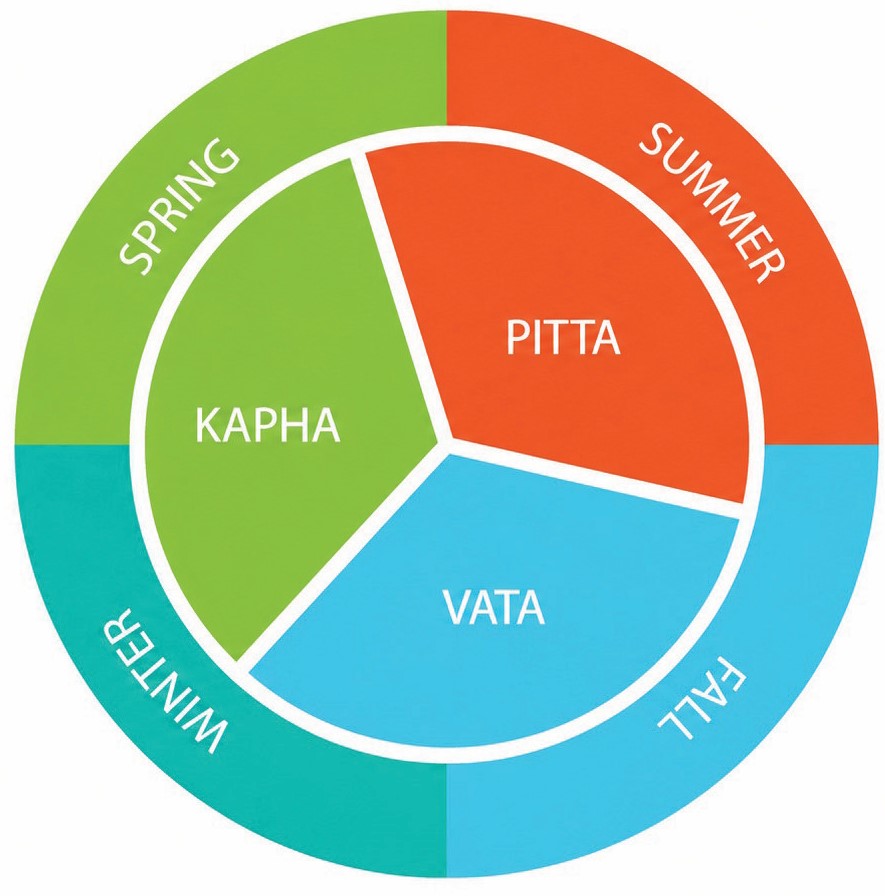
Ayurveda, of Indian origin, which recognises six seasons in a year, places great importance on the changing seasons. One especially important concept is Ritusandhi, the junction between two seasons, when the body is adjusting and may be more vulnerable to disturbance. At such times, diet and routine need careful modification.
This is an area where Ayurveda offers a very detailed advantage. It explains how to gradually shift food, habits, and regimen so the body is not shocked by seasonal transition. Yoga also supports seasonal adaptation through gentle movement, breathing, and mental steadiness, but Ayurveda provides the more elaborate framework for what to change, when, and why.
In practical terms, Ritusandhi teaches people to avoid sudden extremes. Seasonal care, proper diet, and routine during transitions can help reduce susceptibility to illness. Yoga supports this adaptation by maintaining circulation, flexibility, calmness, and resilience.
MECHANISED LIFE AND MODERN STRESS
Modern life is increasingly mechanical. People live by alarms, deadlines, devices, commuting pressure, screen exposure, and long hours of sedentary work. Meals are hurried, sleep is delayed, stress is constant, and attention is fragmented.
Ayurveda helps by restoring order to life. It gives rules for eating, sleeping, working, cleansing, and seasonal living. It teaches that routine is not a burden but a protection. Yoga helps by reducing stress load, improving posture and breathing, calming the mind, and bringing rest to an overstimulated nervous system.
When combined, their effect is stronger. Ayurveda reorganises life; Yoga makes that reorganisation sustainable. Ayurveda gives the principles of right living; Yoga trains the mind and body to follow them. Together, they can reduce the health damage caused by mechanisation and time-bound living.
RECENT RESEARCH EVIDENCE
Recent research has strengthened the case for using Yoga and Ayurveda as complementary lifestyle-based approaches in chronic disease prevention and management. A recent systematic review and meta-analysis reported that a three-month Yoga protocol reduced HbA1c, fasting blood glucose, and postprandial blood glucose in people with type 2 diabetes, while remaining safe and practical as an adjunct to standard care. Earlier meta-analytic work had already shown beneficial effects of yoga on waist circumference and systolic blood pressure in metabolic syndrome, although study heterogeneity and quality limitations remain important.

Evidence on Yoga Nidra is also encouraging. A systematic review and meta-analysis on hypertension found that Yoga Nidra may help reduce blood pressure and support cardiovascular regulation, pointing to a potentially useful role in stress-related disorders. Together, these findings suggest that yoga-based practices may be especially valuable for disorders where stress, sleep disturbance, and metabolic dysfunction overlap.
On the Ayurveda side, a large systematic review of Ayurvedic medicines for type 2 diabetes found promising evidence across many interventions, but also emphasised the variability in study quality and the need for stronger trials. An earlier review reached a similar conclusion, noting beneficial signals but insufficient certainty for broad clinical claims without better-designed studies. This means the evidence is promising, but not yet definitive.
The larger scientific message is clear. Yoga appears helpful for improving adherence, reducing stress, supporting sleep, and improving cardiometabolic markers. Ayurveda provides a broader framework for diet, digestion, routine, constitution, and therapeutic support. The two systems, therefore, work best not as alternatives to modern medicine but as evidence-informed complements within supervised, individualised care.
Scientific evidence today supports Yoga as a useful complementary approach in long-term lifestyle disorders. Research indicates benefits for blood pressure regulation, stress reduction, sleep, and aspects of metabolic health, with a generally good safety profile when practiced properly.
Evidence for Ayurvedic medicines in type 2 diabetes also shows promising benefit for several interventions, but the overall quality of available studies is variable, so high-quality trials are still needed. The practical implication is important: both systems show value, but their strongest modern use lies in careful, supervised, evidence-informed integration rather than exaggerated claims.

Image Courtesy: Twitter
When Ayurveda and Yoga are combined, the logic is especially strong. Ayurveda addresses diet, digestion, constitution, and therapeutic support; Yoga improves adherence, stress regulation, sleep, and mental steadiness. Together, they act on both the biological and behavioural roots of chronic disease.
IF ILLNESS DEVELOPS
Ayurveda is preventive, but it is also therapeutic. If a person develops a non-communicable disease, Ayurvedic management may include dietary regulation, lifestyle modifications, oral medications, and procedures, as indicated. Evidence from systematic review literature suggests that a range of Ayurvedic medicines may improve glycemic control in type 2 diabetes, although the quality of studies varies and stronger trials are still needed.
Some individual herbs and formulations have shown beneficial signals in clinical studies. For example, Momordica charantia, Tinospora cordifolia, Trigonella foenum-graecum, Curcuma longa, and Aegle marmelos have been reported to improve blood glucose-related measures in trials included in systematic review evidence. Garlic and turmeric have also been discussed for their broader dietary and cardiovascular relevance.
At the same time, scientific caution is essential. These medicines should not be presented as miracle cures or used casually as substitutes for necessary medical care. Proper diagnosis, qualified supervision, drug quality, dose, patient suitability, and possible interactions with ongoing treatment must always be considered.
INSTITUTIONAL INITIATIVES
CCRAS (Central Council for Research in Ayurvedic Sciences), the prime research organisation under the Ministry of Ayush, has initiatives in this area that include evidence-building efforts, support for integrated AYUSH approaches to non-communicable diseases, and programmes that use Yoga as an adjuvant within broader preventive and lifestyle care frameworks. These initiatives are important because they help move the Ayurveda-Yoga partnership from theory toward organised public health practice.
A SHARED MESSAGE FOR SOCIETY
For common people, the message is simple. Health is shaped every day, by food, sleep, conduct, routine, self-restraint, and mental balance. Ayurveda explains these foundations with remarkable depth. Yoga gives a practical way to bring them into daily life.
In the age of rising chronic disease, stress, and ecological imbalance, the combined wisdom of Ayurveda and Yoga is not just culturally important; it is medically and socially relevant. Ayurveda protects health through understanding and guidance. Yoga protects health through practice and inner regulation. Together, they represent an Indian model of prevention, healing, and interconnected living that speaks directly to the spirit of One Health.
*The writer is the Director General of the Central Council for Research in Ayurvedic Sciences (CCRAS), New Delhi.