





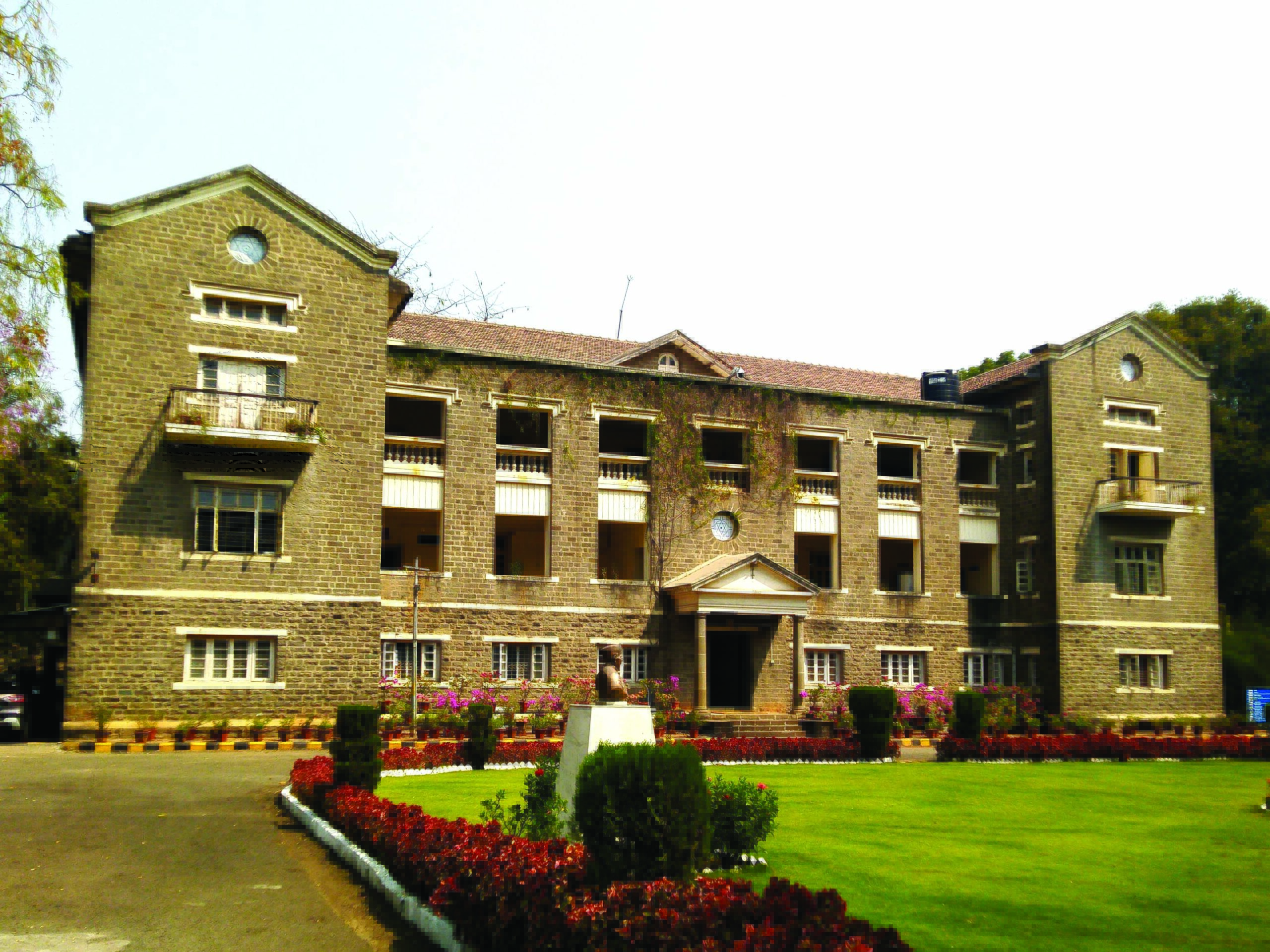
IN FOCUS: | MACS-AGHARKAR RESEARCH INSTITUTE, PUNE
In a country where science is often discussed in terms of missions, mega laboratories, and cutting edge technologies, it is easy to forget that enduring scientific institutions are not built overnight. They grow through patience, purpose, and a steady commitment to society. Few Indian institutes embody this spirit as clearly as the Agharkar Research Institute (ARI), Pune, functioning under the Maharashtra Association for the Cultivation of Science (MACS).
Nestled in the heart of Pune’s academic precinct, ARI stands today as one of India’s oldest continuously functioning multidisciplinary research institutes in the life sciences. Its journey, spanning nearly eight decades, mirrors the evolution of Indian science itself, from a modest, ideal-driven beginning to a mature institution addressing national priorities in agriculture, biodiversity, environment, energy, and human health. ARI’s strength lies not in scale alone, but in continuity.
AN INSTITUTION BORN BEFORE INDEPENDENCE
The Indian Association for the Cultivation of Science (IACS) was founded in Calcutta in 1876 by Dr Mahendra Lal Sircar to promote scientific enquiry among Indians and to provide research infrastructure that was largely denied under colonial rule. It was at IACS that C V Raman carried out the work that later earned him the Nobel Prize.
Over the decades, IACS emerged as a pioneering indigenous model, demonstrating that Indians could build and sustain their own centres of scientific excellence and inspiring similar initiatives across the country.
The origins of the MACS go back to the mid-1940s, when India was still under colonial rule but intellectually preparing for self-governance. Pune had already emerged as a centre of education and social reform, yet organised scientific research remained limited.
In this setting, inspired by earlier indigenous models such as IACS, Professor Shankar Purushottam Agharkar, an eminent botanist, envisioned a centre where science would be pursued not merely for knowledge, but for national development.

MACS was formally established in 1946 as a public trust with a mandate to promote scientific research, disseminate scientific knowledge, and apply science to problems relevant to India. The research institute that emerged under its umbrella later came to be known as the Agharkar Research Institute, renamed in 1992 to honour its founder.
What distinguished this effort was not financial abundance, but intellectual commitment. In its formative years, scientists worked without remuneration, contributed personal collections of books and journals, and built laboratories with minimal resources. This ethos of frugality, collaboration, and public purpose continues to define ARI’s institutional culture.
A CAMPUS SHAPED BY SCIENCE AND SOCIETY
The present ARI campus was secured through sustained engagement with the state and central governments, at a time when research infrastructure was not a policy priority. Over the decades, the campus expanded organically, adding laboratories, experimental fields, greenhouses, animal facilities, libraries, and shared scientific infrastructure.
Unlike isolated research parks, ARI developed alongside universities, colleges, and civic institutions. This proximity fostered interaction, mentoring, and a shared academic life, allowing ideas and collaborations to emerge naturally.
FROM CURIOSITY DRIVEN SCIENCE TO NATIONAL RELEVANCE
While ARI has always valued fundamental research, its work gradually evolved to address practical challenges facing the country. This balance between curiosity and application remains one of its defining strengths.Today, ARI’s research spans six broad thematic areas: biodiversity and palaeobiology, genetics and plant breeding, bioprospecting, developmental biology, bioenergy, and nanobioscience. Together, these themes align closely with national priorities such as food security, environmental sustainability, renewable energy, affordable healthcare, and conservation of biological resources.
BIODIVERSITY AND PALAEOBIOLOGY: FROM TAXONOMY TO ECOSYSTEMS, PAST AND PRESENT
Biodiversity research at ARI has deep roots in classical taxonomy and has evolved steadily to incorporate ecological, molecular, and palaeobiological perspectives. From its earliest years, the institute has contributed to systematic studies of plants, algae, fungi, and microorganisms, helping document and interpret India’s biological wealth.
Plant taxonomy remains a foundational activity. ARI scientists have been involved in floristic surveys, taxonomic revisions, and species descriptions, supported by the institute’s extensive herbarium. This work provides baseline knowledge essential for conservation planning, ecological research, and sustainable use of plant resources.
Diatoms form another distinctive focus. ARI has carried out detailed taxonomic, ecological, and palaeoecological studies of freshwater and marine diatoms, using them as sensitive indicators of water quality, environmental change, and past climate conditions. Living cultures as well as fossil and subfossil assemblages are studied, allowing linkage between present ecosystems and historical environmental records.
Microbial and fungal diversity research extends this systematic approach into less visible domains of life. Studies on bacteria, archaea, and fungi address taxonomy, ecology, and functional traits, with relevance to nutrient cycling, climate processes, agriculture, and bioresource utilisation. Methanotrophs, anaerobes, and extremophiles studied at ARI illustrate how biodiversity research informs both environmental understanding and applied science.
Palaeobiology provides long-term context. Using fossils, pollen, spores, diatoms, and sedimentary archives, ARI researchers reconstruct ancient vegetation, hydrology, and monsoon patterns, aiding India’s capacity to interpret environmental change with historical depth.
REPOSITORIES: PRESERVING INDIA’S SCIENTIFIC MEMORY
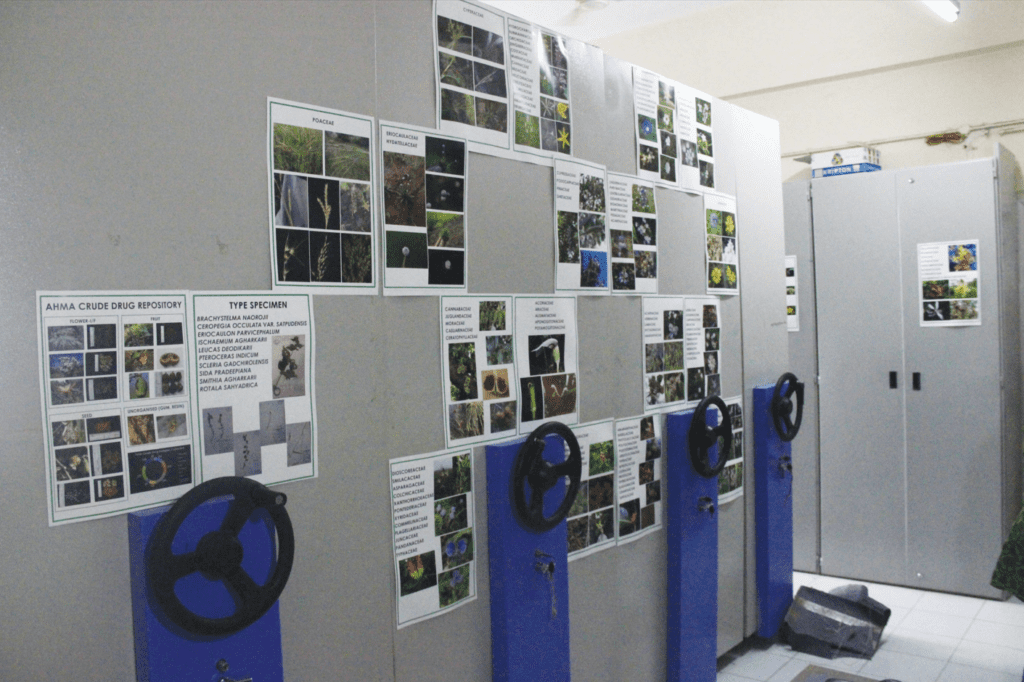
One of ARI’s most distinctive national contributions lies in its repositories. These are not passive collections but living scientific infrastructure that supports reproducibility, reference, and long-term knowledge building.
ARI hosts nationally important microbial and fungal culture collections that supply authenticated material to researchers, regulators, and industries. These collections underpin studies in taxonomy, ecology, biotechnology, waste treatment, and industrial microbiology. By maintaining rigorous authentication and preservation standards, ARI ensures that Indian science rests on reliable biological reference material curated within the country.
The institute also maintains a well-known herbarium with tens of thousands of plant specimens, supporting botanical research, conservation studies, and species identification. A specialised diatom repository supports ecological monitoring and palaeoenvironmental studies.
Together, these repositories ensure that Indian biodiversity and geological heritage are preserved, studied, and made accessible as national scientific assets.
SCIENCE IN THE SERVICE OF AGRICULTURE
Few research institutes outside the national agricultural system have contributed as consistently to crop improvement as ARI. A defining feature of its agricultural research is the parallel and sustained focus on wheat, soybean, and grapes, representing both food security crops and high value horticulture.
In wheat, ARI’s breeding programmes focus on yield stability, disease resistance, and adaptability across agro climatic regions. Classical breeding is complemented by molecular marker based screening and rigorous multi location trials. Emphasis is placed on traits that matter to farmers, including lodging resistance and stable performance under variable rainfall.
All Images Courtesy: Agharkar Research Institute, Pune
Soybean research follows a similarly comprehensive pathway. Breeding efforts aim to improve yield, oil quality, and resistance to biotic stresses. ARI also plays a crucial role in breeder seed production and dissemination, ensuring that improved varieties reach farmers reliably. Field demonstrations and farmer interactions are integral to the programme, helping translate research into adoption.
Grape breeding forms the third equally important pillar. Grapes are a high value crop with strong relevance for table consumption, processing, and exports. ARI’s programme addresses yield, fruit quality, shelf life, and resistance to fungal diseases. Experimental vineyards and controlled trials support evaluation across seasons. The institute has also worked on juice grape varieties and on characterising farmer developed grape lines, helping integrate farmer innovation into formal systems.
Together, wheat, soybean, and grape research illustrate ARI’s philosophy of agricultural science as a continuum, from breeding and evaluation to seed production, farmer adoption, and economic impact.
UNLOCKING NATURE’S CHEMICAL LIBRARY
ARI’s bioprospecting research draws upon India’s biological diversity to identify useful biomolecules for agriculture, health, and industry. Screening of plant proteins, microbial enzymes, and secondary metabolites has yielded leads relevant to diabetes management, antimicrobial formulations, nutraceuticals, and biological pest control.
This work is guided by principles of ethical use and sustainability. Rather than indiscriminate extraction, ARI emphasises systematic evaluation, validation, and responsible utilisation, ensuring that biodiversity exploration aligns with conservation goals.
UNDERSTANDING LIFE AT ITS EARLIEST STAGES
In developmental biology, ARI has built strength through the complementary use of three model systems: fruit flies, hydra, and zebrafish.
Fruit fly research enables precise genetic analysis of developmental pathways and behaviour, providing insights into conserved biological mechanisms. Hydra, with its remarkable regenerative capacity, serves as a model for studying tissue renewal, stem cell dynamics, and ageing. Zebrafish, as a vertebrate model, bridges basic developmental biology and biomedical relevance, supporting studies on organ development and nervous system formation.
By maintaining equal emphasis on these three models, ARI avoids dependence on a single system and provides a balanced training environment for young researchers. The zebrafish facility has also emerged as a shared national resource, hosting training programmes and scientific meetings that strengthen the broader research community.
BIOENERGY AND SUSTAINABLE FUTURES
Bioenergy research at ARI reflects long standing engagement with microbial processes that convert waste and low value substrates into useful energy carriers.
Work on biomethanation addresses conversion of agricultural residues such as rice straw into biogas, linking waste management with renewable energy generation. ARI researchers study microbial consortia, process stability, and yield optimisation to improve performance under Indian conditions.
Alongside methane, ARI has developed a focused programme on microbial biohydrogen production. Research explores specialised bacterial systems and bioreactor operation, including long duration continuous processes. Importantly, this work is pursued in collaboration with industry, allowing laboratory findings to be tested against scalability and feasibility requirements.
A third dimension of ARI’s bioenergy work addresses industrial microbiology, particularly microbial induced corrosion in oilfield and pipeline systems. Innovative strategies, including targeted biological control using bacteriophages, aim to reduce hydrogen sulphide generation and infrastructure damage. Together, these efforts integrate microbiology, engineering, and industry engagement in support of cleaner and safer energy systems.
NANOBIOSCIENCE WITH A HUMAN FACE
Nanobioscience at ARI represents a convergence of materials science, chemistry, and biology, guided by strong societal orientation.
Among the institute’s most recognised innovations is a nanosilver based wound healing formulation that has progressed from laboratory research to commercial production and clinical use. Marketed under the names S gel, Silveron, and Meganano, it demonstrates how publicly funded research can deliver affordable healthcare solutions.
Other nanobioscience efforts include nanoparticle-enabled approaches for diabetes management, advanced drug delivery systems designed to improve therapeutic efficiency, and rapid diagnostic platforms for aquaculture diseases. Functional and antimicrobial nanoparticles have also been explored for environmental remediation.
Strong emphasis on patents, technology transfer, and industry collaboration ensures that advances in nanoscience move beyond publications toward real-world deployment.
OUTREACH, TRAINING, AND HUMAN RESOURCE DEVELOPMENT
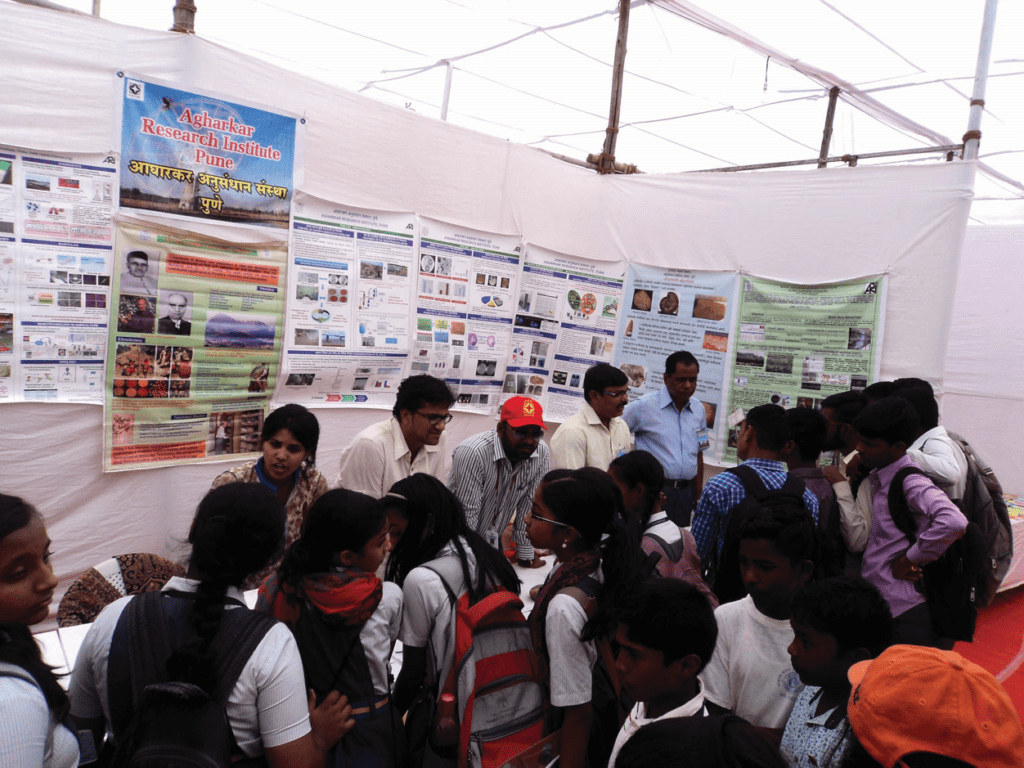
ARI’s annual activities reveal a strong commitment to outreach and capacity building. The institute regularly organises open days, school visits, exhibitions, and public lectures, including National Science Day events and thematic programmes linked to biodiversity and earth sciences. Special initiatives such as fossil exhibitions and multilingual science communication material help engage wider audiences.
Equally important is ARI’s role in training human resources. Doctoral students, postdoctoral fellows, and early career researchers receive exposure to interdisciplinary science, shared facilities, and translational thinking. Many alumni have gone on to careers in academia, industry, research administration, and entrepreneurship.
Formal mechanisms support translation and innovation. Technology transfer initiatives, intellectual property support, and linkages with national agencies help convert knowledge into usable outcomes, reinforcing ARI’s role as a bridge between discovery and application.
A LIVING LEGACY
ARI functions as an autonomous institute under the Department of Science and Technology, Government of India, while remaining anchored in the founding vision of MACS. As it approaches its ninth decade, it stands as a living example of how Indian science can be built patiently, grounded in national needs, and sustained through integrity and continuity.
The story of the MACS-Agharkar Research Institute is not merely about laboratories and discoveries. It is about building scientific capability that endures, serves society, and earns trust. That, ultimately, is where Indian science truly takes root.
*Dr Kishore M Paknikar is ANRF Prime Minister Professor, COEP Technological University, Pune; former Director Agharkar Research Institute (DST, Govt of India), Pune; and former Distinguished Visiting Professor, Indian Institute of Technology Bombay, Mumbai.