




Road infrastructure forms the backbone of a nation’s economic growth and social connectivity. In a country as vast and diverse as India, roads play a critical role in enabling mobility, facilitating trade, improving accessibility, and supporting national development. Over the decades, India has built one of the largest road networks in the world, connecting metropolitan cities, industrial corridors, rural villages, and strategic border regions. The development and maintenance of such a massive network require continuous innovation in engineering practices, materials, safety systems, and environmental sustainability.
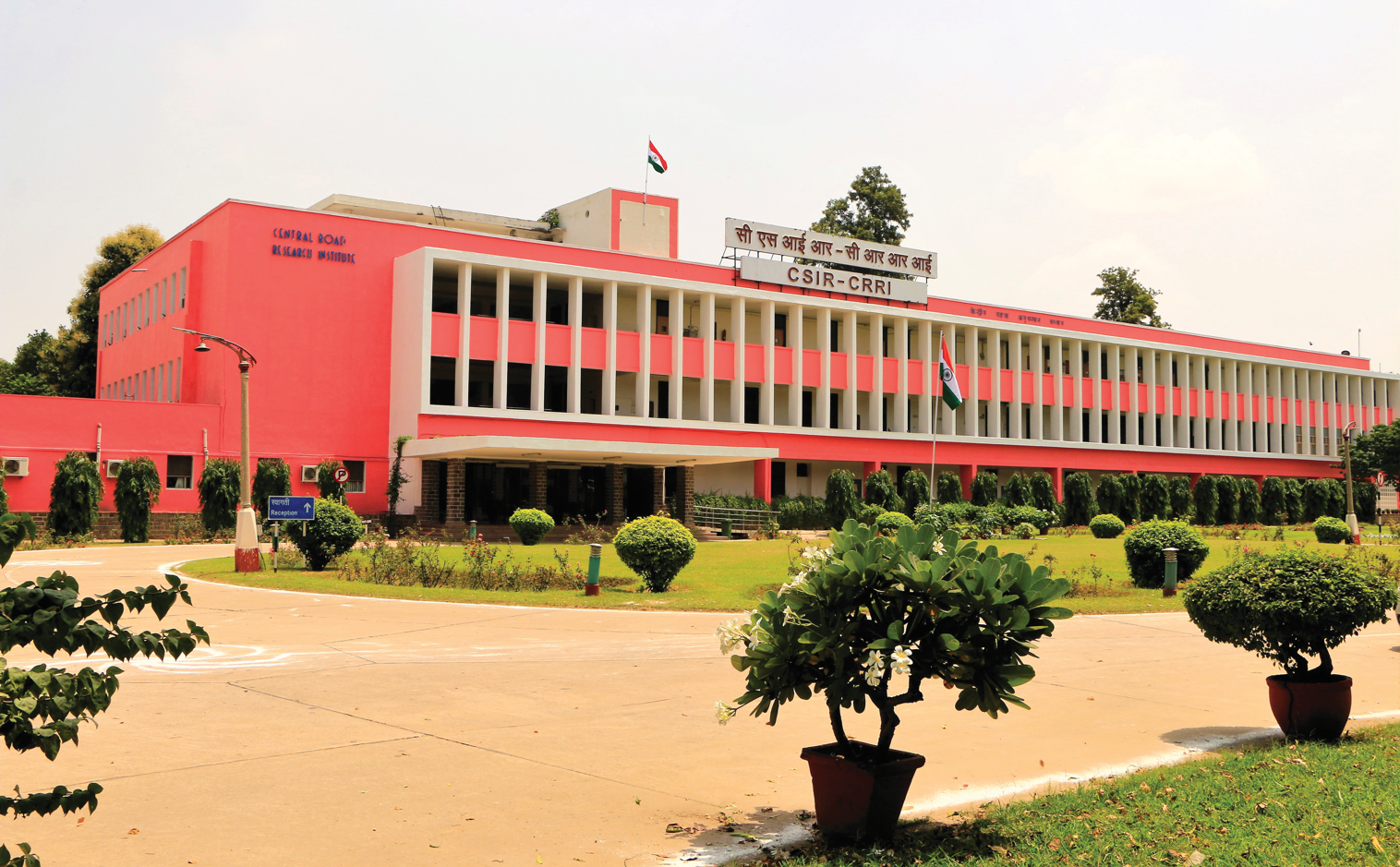
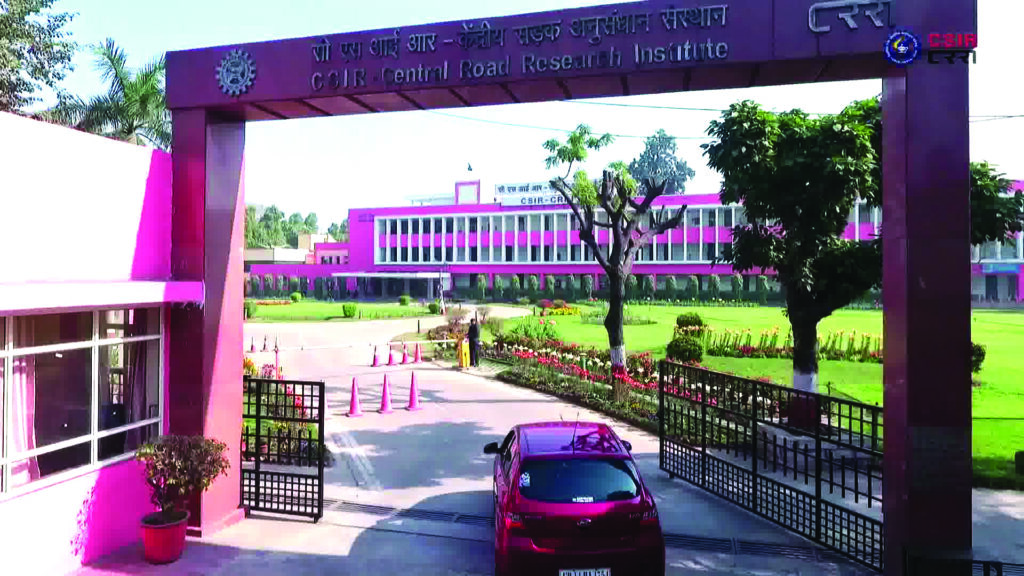
At the centre of this scientific and technological advancement stands the CSIR–Central Road Research Institute (CSIR-CRRI), New Delhi—India’s premier national laboratory dedicated to road science and transportation engineering. Established in 1952 under the Council of Scientific and Industrial Research (CSIR), the institute has played a vital role in shaping the country’s road infrastructure ecosystem through research, technology development, technical consultancy, and knowledge dissemination.
For more than seven decades, CSIR-CRRI has contributed to the development of pavement technologies, traffic engineering solutions, bridge evaluation systems, geotechnical investigations, and sustainable road construction practices. Its research has influenced major national programmes implemented by agencies such as the Ministry of Road Transport and Highways (MoRTH), National Highways Authority of India (NHAI), Border Roads Organisation (BRO), National Rural Infrastructure Development Agency (NRIDA), and numerous state Public Works Departments.
From pioneering pavement engineering research to developing technologies that convert waste materials into road construction resources, the institute continues to align its work with the evolving infrastructure needs of the nation.
SCIENCE FOR INFRASTRUCTURE: THE MANDATE OF CSIR-CRRI
The core mandate of CSIR-CRRI is to develop scientific knowledge, technologies, and engineering solutions that support the planning, design, construction, and maintenance of road infrastructure. The institute functions as a key technical advisor to major national organisations such as the Ministry of Road Transport and Highways (MoRTH), National Highways Authority of India (NHAI), Border Roads Organisation (BRO), National Rural Infrastructure Development Agency (NRIDA), and various state Public Works Departments.
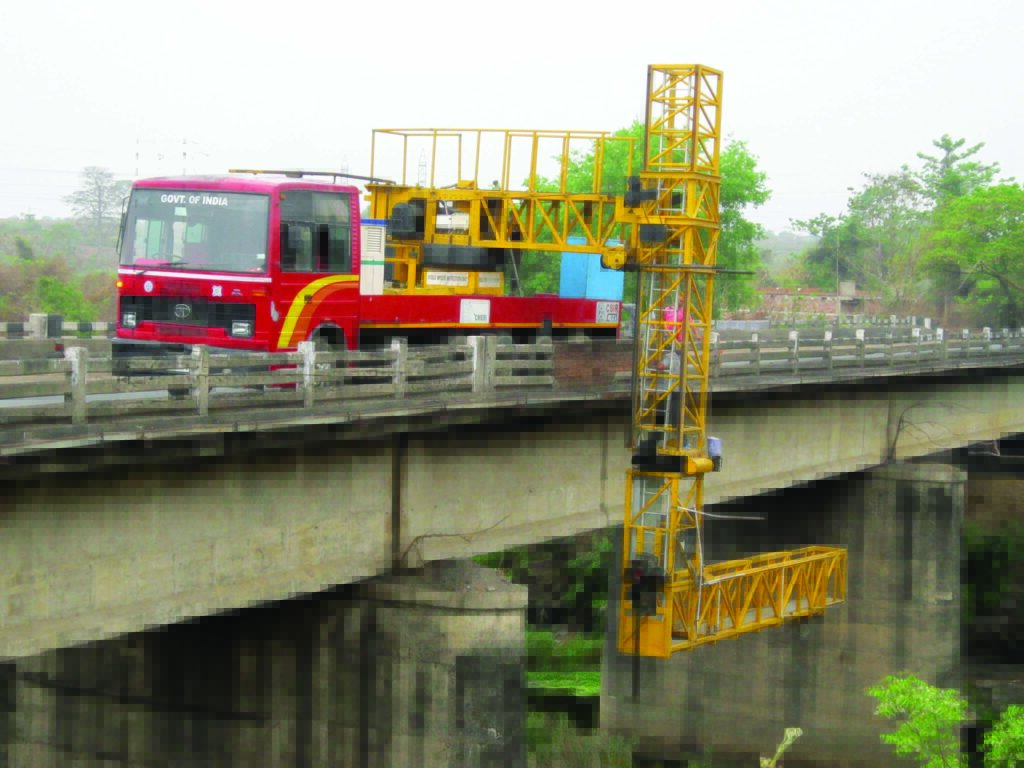
Research at CSIR-CRRI spans multiple domains including pavement engineering, traffic engineering and safety, geotechnical engineering, bridge engineering, environmental engineering, and transportation planning. The institute houses advanced laboratories for material characterisation, pavement testing, structural analysis, and traffic simulation. These facilities enable scientists and engineers to investigate the behaviour of pavement materials, develop innovative construction technologies, and evaluate the performance of road infrastructure under diverse climatic and loading conditions. Geotechnical investigation is a key component of CSIR-CRRI’s work, involving detailed subsurface exploration, soil characterisation, and foundation analysis for safe and durable infrastructure. The institute also plays a vital role in landslide assessment and mitigation, particularly in hilly and Himalayan regions, through slope stability analysis and the design of solutions such as soil nailing and reinforced earth systems. CSIR-CRRI also contributes to capacity building through training programmes under the National Technical Textiles Mission (NTTM), focusing on the application of geosynthetics and advanced materials in road infrastructure. Additionally, CSIR-CRRI undertakes advanced evaluation studies under Road Asset Management (RAM) frameworks, focusing on performance monitoring, condition assessment, and optimal maintenance planning of road infrastructure.
Equally important is the institute’s role in developing standards, guidelines, and technical manuals that guide infrastructure development across the country. Many of the practices adopted in Indian road construction today are rooted in scientific studies conducted at CSIR-CRRI over the decades.
MAJOR TECHNOLOGIES AND ACHIEVEMENTS
Road Safety and Traffic Engineering: Saving Lives through Science
While expanding road infrastructure is essential for economic development, ensuring the safety of road users remains equally important. India records a large number of road accidents each year, highlighting the urgent need for scientific approaches to traffic safety management. CSIR-CRRI has been actively engaged in traffic engineering and road safety research, focusing on improving road design, traffic management, and safety assessment methodologies. The institute conducts road safety audits, accident analysis studies, and black-spot identification to help highway authorities implement corrective measures.
CSIR-CRRI is also contributing to advanced road safety initiatives such as the iRASTE (Intelligent Solutions for Road Safety through Technology and Engineering) project, which adopts a Safe Systems Approach by integrating engineering, enforcement, and AI-based solutions to reduce road accidents.
Research in traffic engineering includes highway capacity analysis, traffic flow modelling, intelligent transportation systems, and the development of data-driven mobility planning tools. Advanced technologies such as AI-based vehicle counting and classification systems using deep learning have been developed to monitor traffic patterns and support real-time traffic management.
Another innovative development is a wearable eye-level light and glare measurement device, designed to measure lighting conditions as perceived by road users. Additionally, CSIR-CRRI researchers have developed advanced noise barrier materials capable of reducing highway noise levels significantly, improving environmental conditions for communities living near busy road corridors.
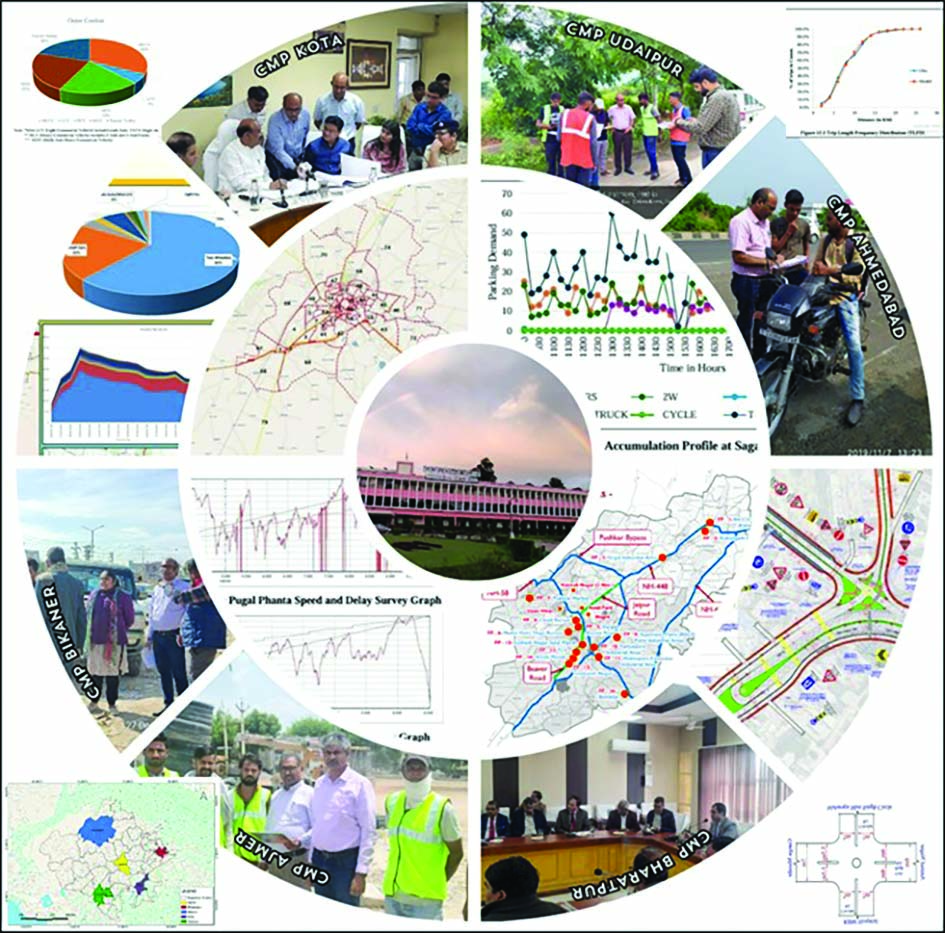
A key dimension of CSIR-CRRI’s work also includes strategic planning and technology-driven interventions for safer and smarter mobility systems. Under the Comprehensive Mobility Plan (CMP) initiatives, the institute has developed integrated transport strategies for multiple cities in Rajasthan, including Bharatpur, Udaipur, Bikaner, Kota, and Ajmer, focusing on sustainable and efficient urban mobility.
Through these initiatives, CSIR-CRRI contributes to the broader goal of creating safer and more efficient transportation systems.
From Waste to Wealth: Transforming Waste Materials into Road Infrastructure
One of the most significant contributions of CSIR-CRRI in recent years lies in the domain of sustainable road construction through the utilisation of waste materials. Rapid urbanisation and industrialisation have generated large quantities of waste materials such as steel slag, construction and demolition waste, plastic waste, and other industrial by-products. Managing these materials poses a major environmental challenge. CSIR-CRRI has been at the forefront of developing technologies that convert these waste streams into valuable construction materials for roads, aligning with India’s ‘Waste to Wealth’ mission and the principles of circular economy.
Bio-Binder from Agricultural Residue
Another significant research initiative focuses on developing bio-binders from agricultural waste, particularly rice straw. In many parts of northern India, farmers burn crop residue after harvesting, leading to severe air pollution. To address this issue, CSIR-CRRI in collaboration with CSIR-IIP has been working on converting biomass residues into bio-oil that can be used to develop bio-based binders for bituminous roads. The development of such bio-binders has the potential to partially replace petroleum-based bitumen in road construction. By integrating waste management with infrastructure development, these technologies demonstrate how scientific research can address multiple societal challenges simultaneously.
Steel Slag Roads
Among the notable innovations is the development of steel slag road technology. Steel slag, a by-product of the steel manufacturing process, is typically generated in large volumes and requires effective disposal. Researchers at CSIR-CRRI demonstrated that processed steel slag can serve as a high-strength aggregate for road construction. Using this concept, India’s first steel slag road stretch was constructed in Surat in collaboration with the steel industry and government agencies. Following the success of the pilot project, the technology is being explored for wider adoption across the country.
Plastic Waste in Roads
Another significant initiative supported by CSIR-CRRI involves the use of plastic waste in asphalt mixtures. Discarded plastic—particularly single-use plastic bags and packaging materials—poses serious environmental hazards. By incorporating shredded plastic into bituminous mixes, road construction can consume significant quantities of plastic waste while enhancing pavement performance. Plastic-modified roads have demonstrated improved resistance to rutting, cracking, and water damage. Such technologies not only address waste management challenges but also contribute to improved pavement durability.
Industrial By-products and Recycled Materials
Beyond plastics and steel slag, the institute has also explored the use of fly ash, construction and demolition waste, reclaimed asphalt pavement, and other industrial by-products in road construction. These approaches reduce dependence on virgin natural resources while lowering the environmental footprint of infrastructure development. Through these initiatives, CSIR-CRRI is helping transform road infrastructure into a platform for sustainable material utilisation and resource efficiency.
DEVELOPING INDIGENOUS EQUIPMENT FOR ROAD CONSTRUCTION
Infrastructure development in challenging terrains and remote locations often requires specialised equipment tailored to local conditions. Recognising this need, CSIR-CRRI has undertaken the development of indigenous road construction and maintenance equipment designed for efficient, cost-effective, and sustainable operations.
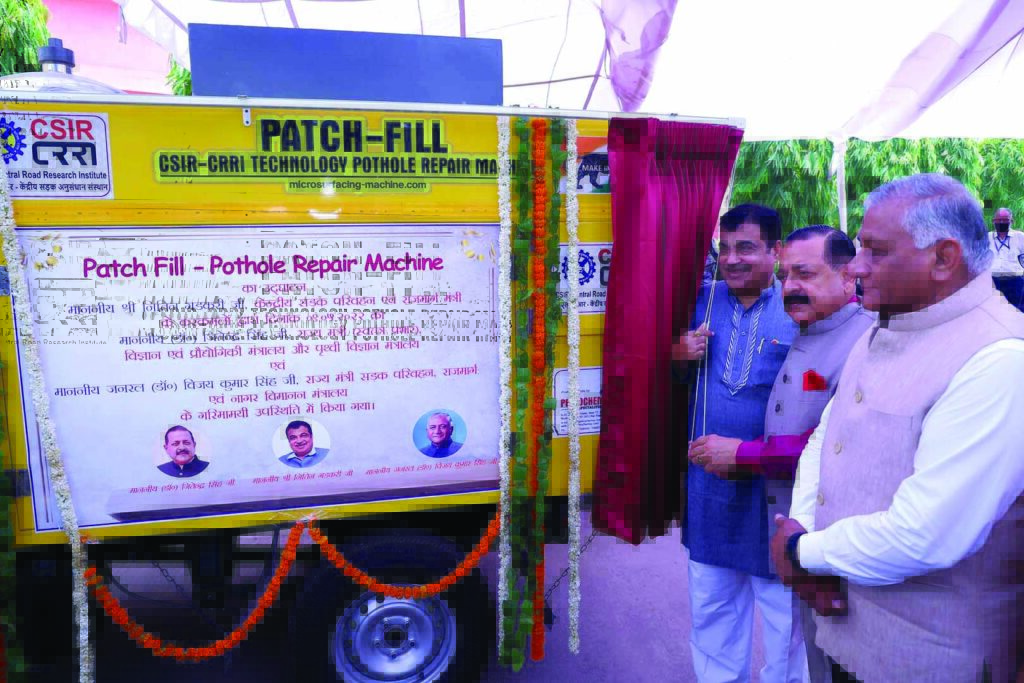
One such innovation is the Mobile Cold Mixer cum Paver (MCMP), developed to support road construction using bitumen emulsion-based cold mix technology. This technology has proven particularly useful in mountainous areas where transporting hot mix asphalt is difficult. The fabricated machine was adopted by BRO (Border Roads Organisation) for field implementation. Another important innovation developed at CSIR-CRRI is the PatchFill pothole repair system. Potholes are among the most common forms of pavement distress and can lead to safety hazards, traffic disruptions, and increased vehicle operating costs. Such equipment innovations demonstrate the institute’s commitment to developing practical solutions for real-world infrastructure challenges.
PARTNERSHIPS, NATIONAL IMPACT AND THE ROAD AHEAD
A defining characteristic of CSIR-CRRI’s work is its strong collaboration with government agencies, industry partners, and academic institutions. Over the years, the institute has worked closely with organisations to translate research into practical infrastructure solutions.
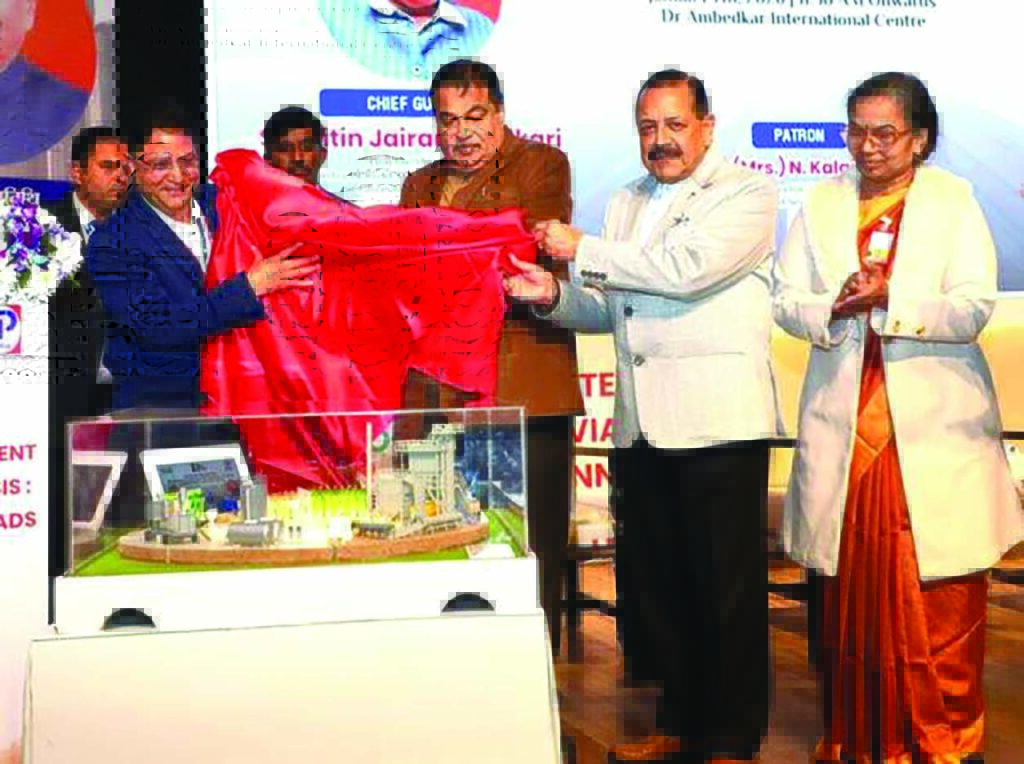
Many of the technologies developed at CSIR-CRRI, ranging from sustainable pavement materials and waste-utilisation approaches to rapid road maintenance systems and advanced traffic monitoring tools, have been implemented through partnerships with industry and infrastructure agencies. Through technical consultancy, field demonstrations, and technology transfer initiatives, the institute ensures that scientific innovations are successfully translated from laboratory research to large-scale field applications.
Capacity building forms another important dimension of the institute’s activities. CSIR-CRRI regularly organises training programmes, workshops, and technical conferences for engineers, planners, researchers, and policymakers from across India and several developing countries. These initiatives help disseminate best practices in road engineering, promote scientific approaches to infrastructure development, and strengthen technical capabilities within the transportation sector.
For more than seven decades, CSIR-Central Road Research Institute has contributed significantly to the scientific foundations of India’s road infrastructure. As India continues to expand and modernise its road network, the role of scientific research and technological innovation will become increasingly important.
CSIR-CRRI is therefore actively exploring emerging research areas such as digital infrastructure monitoring, intelligent traffic systems, climate-resilient pavements, low-carbon construction technologies, and data-driven road asset management systems. These innovations are expected to play a crucial role in building next-generation transportation networks that are resilient, sustainable, and technologically advanced. More importantly, the institute exemplifies the broader mission of publicly funded research transforming scientific knowledge into technologies that serve society. By integrating engineering innovation, environmental responsibility, and collaborative partnerships, CSIR-CRRI continues to contribute to building roads that connect communities, support economic growth, and shape a sustainable future for the nation.