

IN FOCUS: ICAR-CMFRI
The ocean is a source of life, culture, and livelihood for millions of coastal families. Every stretch of India’s vast coastline has untold stories of resilience, success, and hope woven into the lives and traditions of communities who have relied on the ocean generations.
“The ocean remembers everything it is given”.
This adage beautifully captures the significance of protecting our oceans. It reminds us that, while the sea sustains the human life and livelihoods, it also bears the imprints of our actions, and demands environmental responsibility in return. Needless to say, this saying assumes greater significance in an era of climate crisis, warming seas, and the consequent degradation of marine habitats and ecosystems. At this critical juncture, how can we protect this blue bounty, ensuring that the seas continue to sustain the rhythm of life along our coasts for generations to come?
This is where the scientific pursuit of the ICAR-Central Marine Fisheries Research Institute (ICAR-CMFRI) attains a deeper social meaning: to sustain millions of fisher families and the ocean they call their home. On the occasion of its 80 years of scientific excellence, this globally-renowned institution has quietly emerged as the scientific backbone of India’s blue economy. Fisheries is an indivisible part of India’s economy and the society as well. And hence, the role of ICAR-CMFRI as the guardian of India’s marine sustainability becomes indispensable.
THE BEGINNINGS
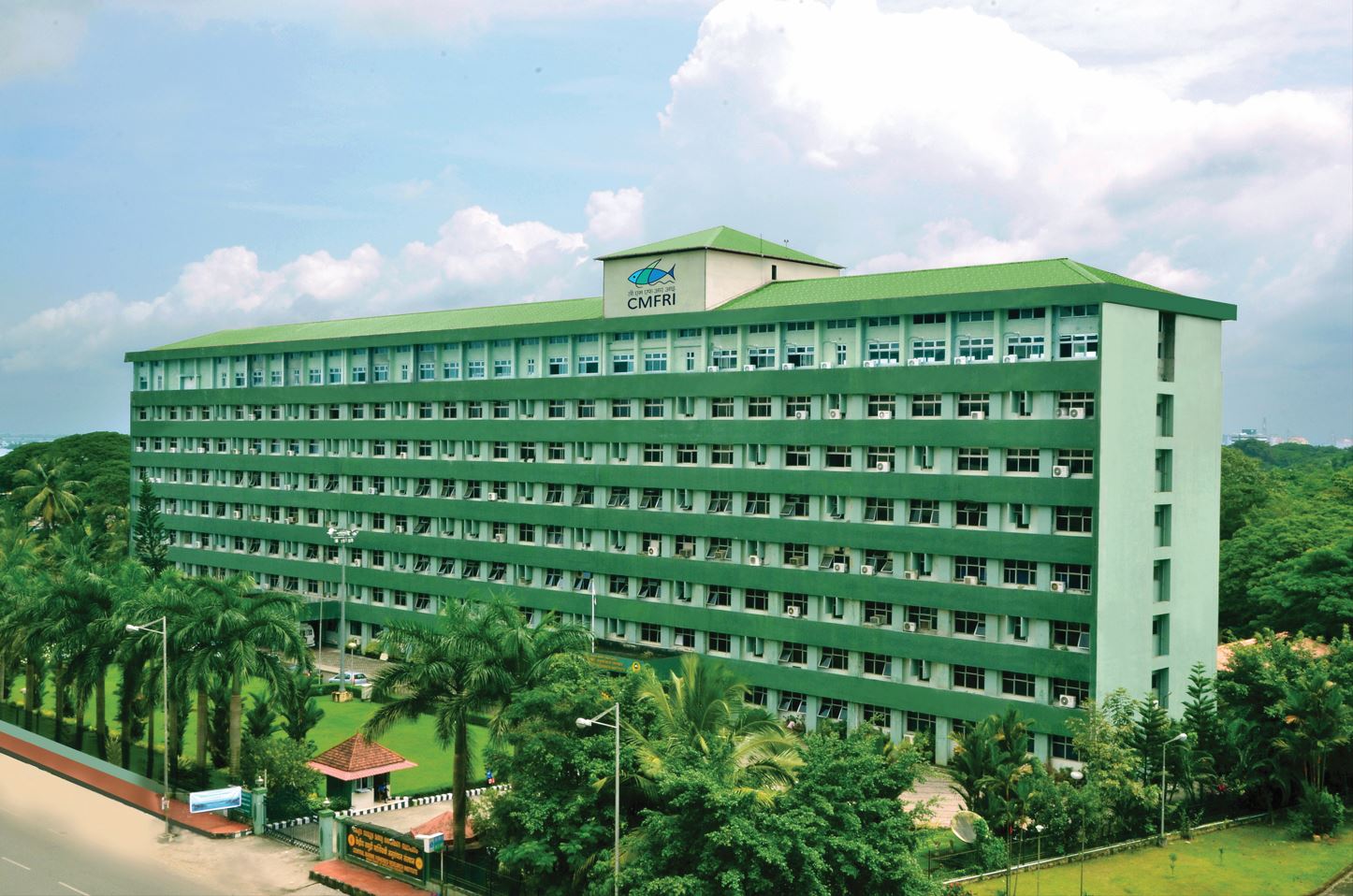
The ICAR-CMFRI, headquartered in Kochi, was established as a Marine Fisheries Research Station on 3 February 1947, in the campus of the University of Madras. It was subsequently shifted to Mandapam Camp, in 1949 and later to Kochi in 1971. The Institute became part of the Indian Council of Agricultural Research (ICAR) family in 1967, marking an important milestone in its evolution as a premier national research establishment dedicated to undertake marine fisheries research in the country. Over the past eight decades, the institute has grown significantly in size and stature emerging as a leading tropical marine fisheries research institute in the world. It has displayed an unparalleled research acumen and unbridled commitment which helped in boosting the marine fish production and management of the marine fisheries sector for the livelihood of nearly 40 lakhs marine fisherfolk across the country.
All Images Courtesy: ICAR-CMFRI
At present, under the leadership of Dr Grinson George, the ICAR-CMFRI pursues a broad and multidisciplinary research agenda covering the diverse dimensions of marine fisheries and allied sectors. Aimed at achieving its mandates, the institute conducts research on characteristics, dynamics and sustainability of exploited marine fish stocks; undertakes exploratory surveys, assesses the under-exploited and unexploited resources; and advances research on climate change adaptation and mitigation; fishery environmental characteristics and ocean-dynamics. The institute also focuses on the socio-economic dimensions of marine fisheries, including assessment of the socio-economic status of fishing communities and valuation of marine fish landings; while evaluating compliance with fisheries governance and management measures.
COMMANDING A VAST RESOURCE
From understanding the dynamics of fish stocks and improving sustainable catches to strengthening fisheries management; conservation of marine resources and supporting coastal livelihoods, the scientific imprint of ICAR-CMFRI is quite evident across every dimension of India’s engagement with the sea. Every single fish landed ashore each day becomes part of ICAR-CMFRI’s massive nation-wide scientific mission. Through its state-of-the-art National Marine Fisheries Data Centre (NMFDC), established in 1982, ICAR-CMFRI maintains one of the country’s most comprehensive marine fisheries databases, tracking over 1,200 marine fish species. This wealth of knowledge is an important scientific resource for understanding the dynamics of marine fisheries in India, and directing sustainable fisheries management.
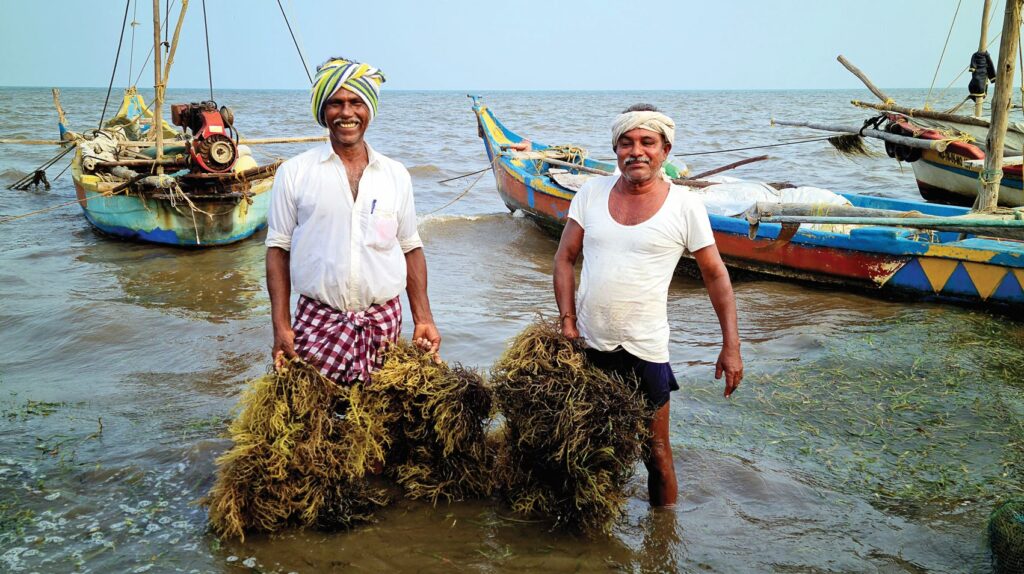
ICAR-CMFRI employs a Stratified Multistage Random Sampling Design, a globally recognised, statistically validated and FAO-recommended sampling framework, perfected indigenously over seven decades, providing robust, high-quality time-series data on marine fish landings and fishing effort across 1300 landing centers spanning over 11,000 km long coastline of the country. Complementing this extensive fisheries monitoring, ICAR-CMFRI conducts a nation-wide marine fisheries census every five years, collecting valuable data on the human side of the sector by documenting the fisherfolk, their livelihoods, fishing households and the infrastructure that supports the marine fisheries of the country.
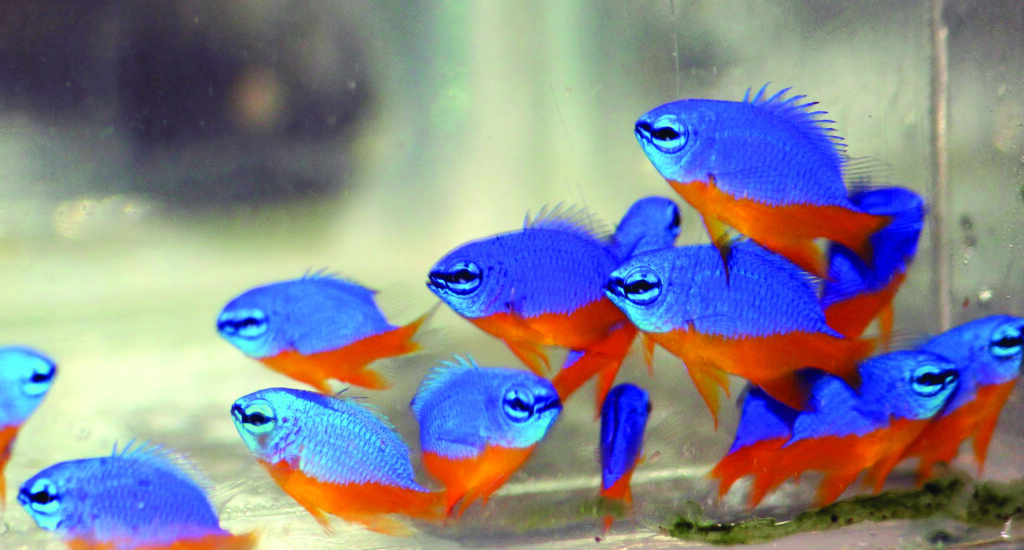
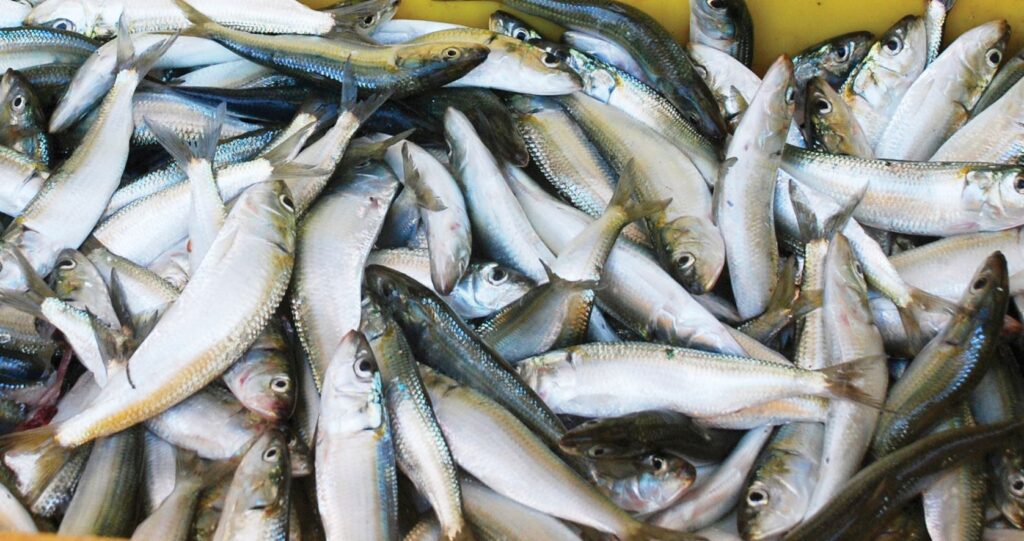
In a recent assessment, ICAR-CMFRI assessed 135 distinct marine fish stocks, revealing that an impressive 91.1 % of the assessed stocks remain healthy and sustainable in Indian waters. Apart from monitoring fish stocks and marine fish landings, its valuation and advancing taxonomic studies, the research activities of ICAR-CMFRI are diversified to a variety of niche areas such as sea farming and coastal mariculture; development of hatchery technologies for commercially viable marine fish species; cage farming; biotechnological applications of marine resources; biodiversity assessment and conservation; development of sustainable ecosystem based management interventions; policy and socio-economic research; as well as several other areas that contribute to the sustainable development of India’s marine fisheries and blue economy.
THE FUTURE IN MARICULTURE
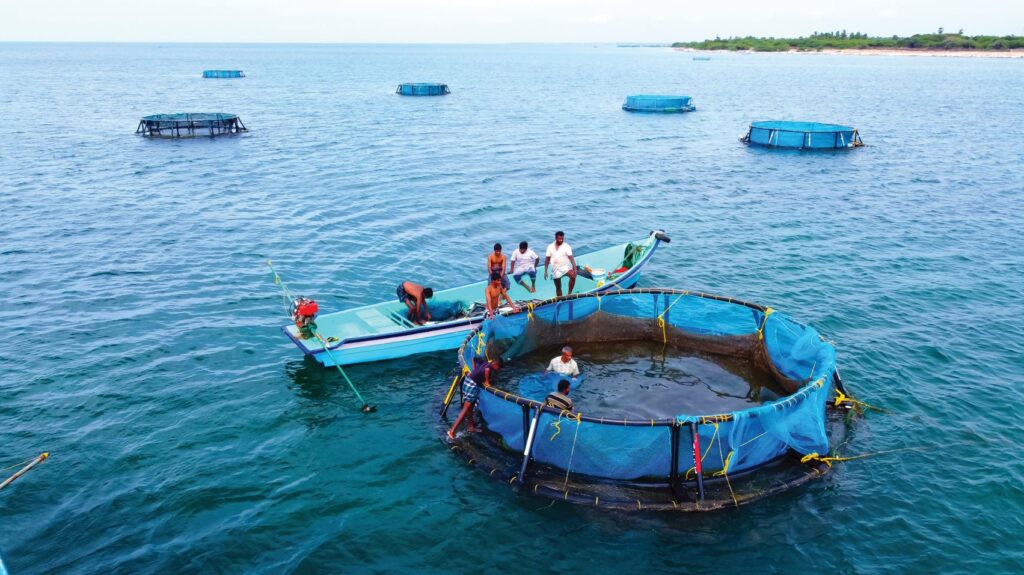
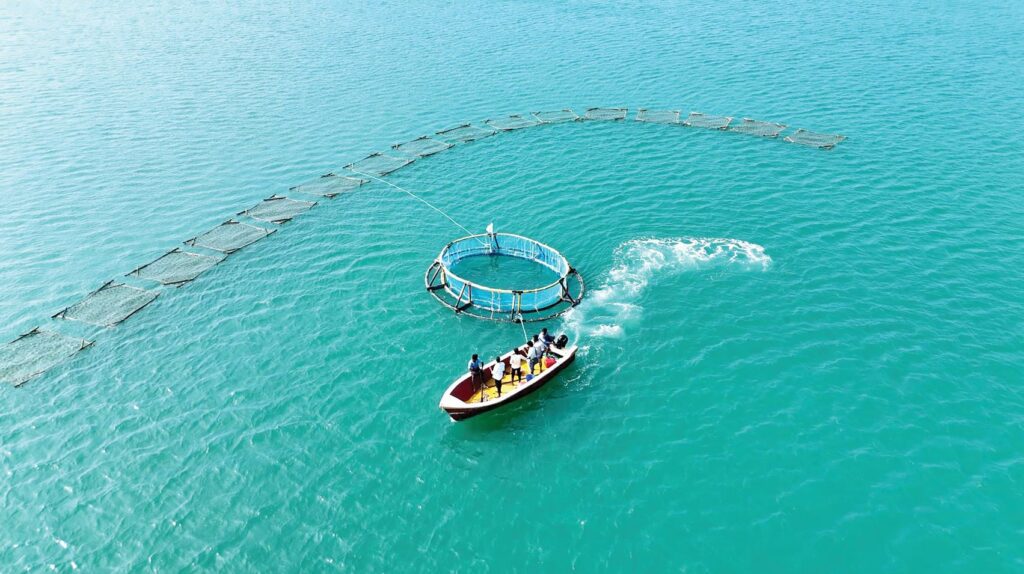
As the capture fisheries production of the country faces stagnation, the future of sustainable seafood lies in mariculture— farming in the sea. Realising the limited potential of the oceanic resources to meet the growing demand of fish-eating population of the country, ICAR-CMFRI has allocated significant part of its research resources to develop seed production and farming technologies for commercially important species. From open sea cage farming and seaweed cultivation to Integrated Multi-Trophic Aquaculture (IMTA), ICAR-CMFRI has pioneered diversified mariculture practices designed to enhance food production, generate livelihoods and strengthen the resilience of coastal communities. To support this endeavour, the institute has mastered captive breeding and hatchery technologies for 13 food fish species and 37 vibrant ornamental species, laying the foundation for the expansion of mariculture across the country. Today, the impact of ICAR-CMFRI’s mariculture technologies is visible across India’s coastal waters, where vast circular cages float on the sea, turning scientific innovation into new avenues for seafood production and coastal livelihoods. The impact is also visible in seaweed cultivation, bivalve farming and the IMTA, where research-based technologies have moved from laboratories and demonstration units into commercial practice. ICAR-CMFRI’s mariculture research has resulted in breeding, hatchery, and farming technologies that are now being adopted across the country, from cage farming of fin fish to seaweed cultivation and the farming of mussels, oysters, and clams. By introducing scientific techniques for farming oysters and mussels, the institute has fostered an industry yielding over 10,000 tons annually. Equally important is the social transformation accompanying this technological advancement. These technologies have been extended to nearly 6,000 women Self-Help Groups (SHGs) along the coasts, creating new avenues for income and financial independence while contributing to the economic empowerment of coastal households.
ICAR-CMFRI’s technologies have emerged a game-changer in women empowerment across the coastal region of the country. Community-based enterprises in cage fish farming, seaweed cultivation, marine ornamental fish farming and value addition have helped create sustainable livelihood for coastal families, leading to boosting women’s economic empowerment, self-confidence, self-esteem, and involvement in household decision-making.
By strengthening sustainable management of marine resources and introducing cutting-edge aquaculture technologies, ICAR-CMFRI’s research generates a staggering Rs 3,311.2 crores in annual economic returns. Of this, management of wild capture fisheries alone accounts for Rs 3,028 crores, while mariculture initiatives contribute Rs 219.9 crores, with marine cage culture alone generating an estimated Rs 207.3 crores annually. These contributions translate to a phenomenal Return on Research Investment (ROI) of 40.0 and an Internal Rate of Return (IRR) of 24.2%. Every single rupee invested in marine fisheries research, generates an estimated forty-fold return to the national economy, showing that investment in ocean science and conservation is both an environmental imperative and a powerful economic proposition.
Bioprospecting of marine and oceanic resources is another trust area of ICAR-CMFRI’s research agenda, aimed at unlocking the vast potential of the sea for human health and well-being. The institute has developed and commercialised 13 marine nutraceuticals, harnessing health-boosting molecules from seaweeds and other marine organisms to combat lifestyle diseases.
GENETIC TOOLS TO STRENGTHEN FISHERIES
ICAR-CMFRI scientists are also utilising the power of advanced genomics and biotechnology to unravel some of the ocean’s most complex biological mysteries. They have unearthed the genetic secrets of Indian oil sardine, Asian green mussel, and Indian squid. Genetic and genomic tools are utilised to strengthen fisheries resource management, develop innovative biotechnological solutions for mariculture, develop diagnostics and vaccines for disease management in aquaculture, and formulate sustainable aquafeeds and high-value marine bioproducts. ICAR-CMFRI is establishing new frontiers in marine science by integrating genomics with fisheries and aquaculture research and translating ocean biodiversity into sustainable solutions for the future.
In a major development aimed at restoring and rejuvenating marine life, ICAR-CMFRI is spearheading efforts to deploy large scale artificial reefs on the seabed along the coastal waters of the country. Designed to restore degraded habitats, increase biodiversity, and create new feeding and shelter grounds for fish, these reef systems are emerging as promising nature-based interventions for rebuilding marine environments and strengthening coastal fisheries. Beyond ecological restoration, the initiative has great potential to boost fish yields and support livelihoods of coastal communities.
Climate change is now recognised as one of the greatest long-term challenges to marine ecosystems and fisheries. ICAR-CMFRI has embarked on climate change adaptation and mitigation research to strengthen the resilience of India’s marine fisheries sector and minimise the impacts of a changing climate. This research focuses to address critical knowledge gaps about climate change impacts on marine ecosystems and fisheries; identify ecological and biological thresholds, strengthen monitoring, and evaluate appropriate adaptation and mitigation strategies; and translate scientific evidence into actionable management responses, enabling fisheries and coastal communities to anticipate, adapt to, and better withstand climate-related risks. As part of this, the institute implements the National Innovations on Climate Resilient Agriculture (NICRA) network project of ICAR, with a dedicated focus on climate change impacts and resilience in marine and coastal ecosystems. Under NICRA, the institute has conducted district-wise climate risk assessments, species-specific vulnerability assessments and research on climate adaptation strategies, including the establishment of climate smart coastal villages. These initiatives are aimed at building adaptive capacity at the ecosystem and community levels, to ensure that India’s marine fisheries are productive, resilient and sustainable, in the face of a rapidly changing climate.
ICAR-CMFRI actively contributes to policies and management measures to sustain marine fisheries wealth of the nation. The Minimum Legal Size (MLS) regulations recommended by ICAR-CMFRI have made a significant contribution to sustainable marine resource management by curbing juvenile fishing, allowing stocks to reproduce and replenish. This regulatory intervention, complemented by recommendations on seasonal fishing bans and development of State Fisheries Management Plans, provides a science-based framework for responsible fisheries management that ensures the resilience, productivity and long-term health of India’s marine ecosystems.
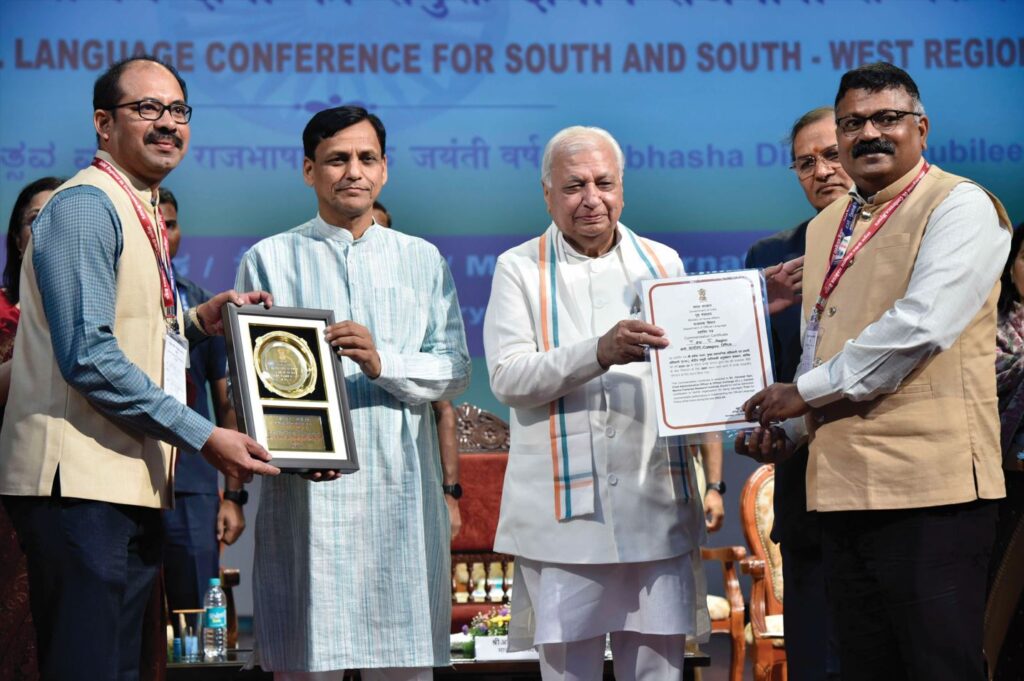
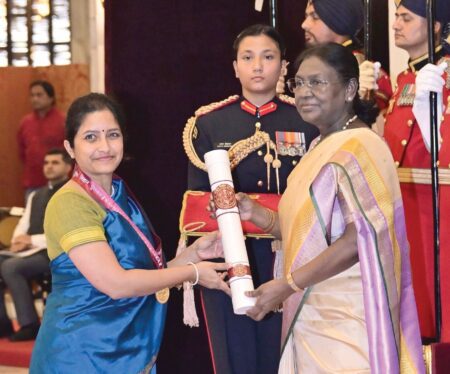
Recognising its outstanding contributions towards nation building, the ICAR honoured ICAR-CMFRI with the coveted Sardar Patel Outstanding Institution Award twice—in 2007 and 2019.
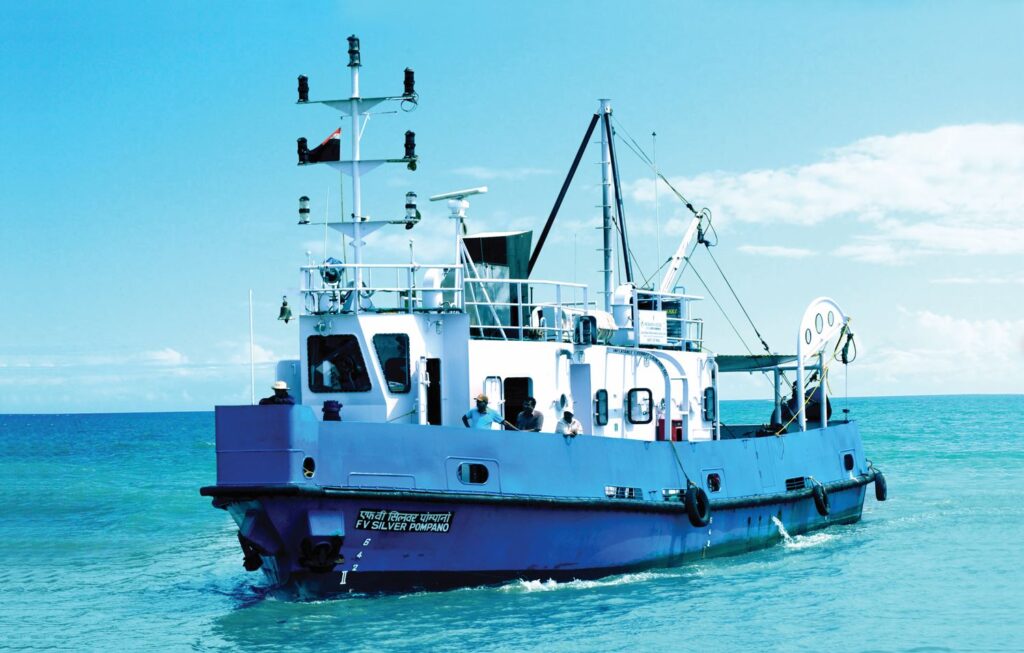
Recent few hallmarks of the institute include the establishment of National Brood Banks for Cobia and Silver Pompano, establishment of Dr E G Silas Centre of Excellence in Fish Nutrigenomics and Marine Microbiome and the Mandapam Regional Centre being designated as a Centre of Excellence for Seaweed Cultivation by the Department of Fisheries, Government of India. The institute also played an important part in the formulation of National Marine Fisheries Policy and National Mariculture Policy, thus strengthening the scientific bases for sustainable fisheries and mariculture development in the country.
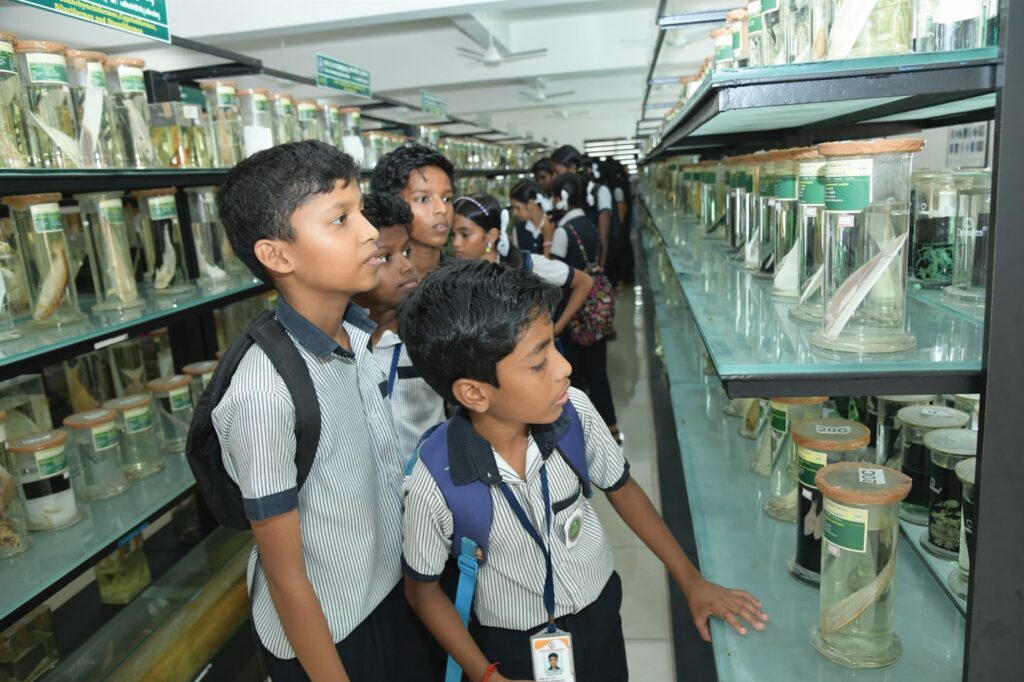
The geographical spread of ICAR-CMFRI is as vast as its scientific scope, stretching across 4 major Regional Centres at Mandapam, Visakhapatnam, Vizhinjam and Mangalore; with 7 Regional Stations located in Veraval, Mumbai, Karwar, Kozhikode, Tuticorin, Chennai and Digha; 14 field centres and 2 Krishi Vigyan Kendras (KVKs) in Narakkal, Ernakulum and in Kavaratti, Lakshadweep, which help the institute to have a strong presence all along the long Indian coastline and island territories. Besides research, ICAR-CMFRI serves as a vital knowledge bridge between science and society, reaching out to thousands of fishers, entrepreneurs, students and other stakeholders through its academic and training programs and the single-window Agricultural Technology Information Centre (ATIC). ICAR-CMFRI is one of the world’s largest organisations dedicated to tropical marine fisheries research, with 128 scientists and over 510 staff, operated through 6 major divisions, an impressive scientific network devoted to understanding, managing and sustainably harnessing India’s marine resources.
ICAR-CMFRI remains a major national and international center of marine scientific knowledge, by hosting several international symposia under the auspices of the Marine Biological Association of India (MBAI) (founded in 1958) or by contributing to the advancement of marine scholarship through publishing the peer-reviewed Indian Journal of Fisheries that carries an international impact factor. The Institute’s record of scientific excellence, innovation and societal impact, with two Sardar Patel Outstanding Institute Awards of ICAR and 29 Indian Patents to its credit, is testimony to its steadfast commitment to a sustainable future for India’s marine fisheries and blue economy.
As ICAR-CMFRI navigates its eighth decade, its vision remains clear: to promote a harmonious balance between the communities that depend on the sea and the fragile marine ecosystems that sustain all of us. The institute is committed to ensuring that India’s marine resources continue to support livelihoods, nourish communities and sustain the ocean for generations to come, through science, innovation and stewardship.
*Dr George is Director, ICAR-CMFRI, while KVA Khadar is a Media Liaison Professional.