



Modern wars no longer remain confined to the geography in which they are fought. They travel—through pipelines, shipping lanes, financial markets, and into the everyday economies of nations far removed from the battlefield. The war between Russia and Ukraine has already demonstrated how energy can be weaponised, with gas supplies, sanctions, and price shocks reverberating across continents. The more recent tensions between the United States and Iran underline the same reality from another theatre: that even the threat of disruption in critical arteries such as the Strait of Hormuz—through which a significant share of global oil flows—can unsettle markets worldwide. In such a world, conflict is no longer distant; it is transmitted through energy.
What emerges from these parallel crises is a new strategic truth. Energy is no longer merely a resource that powers growth; it is an instrument that shapes vulnerability and influence. Dependence today carries risks that are neither predictable nor easily mitigated. It is in this altered landscape that nuclear energy acquires renewed significance—not as a matter of technological preference, but as a stabilising force. Capable of delivering large-scale, low-carbon power independent of geopolitics and climate variability, it offers something increasingly rare: continuity.
For India, this is not a moment of rediscovery. It is the unfolding of a vision that predates the present turbulence—a vision that saw, even in the early years of independence, that true sovereignty in energy would demand both scientific imagination and strategic patience.
A LEGACY OF FORESIGHT: INDIA’S NUCLEAR BEGINNINGS
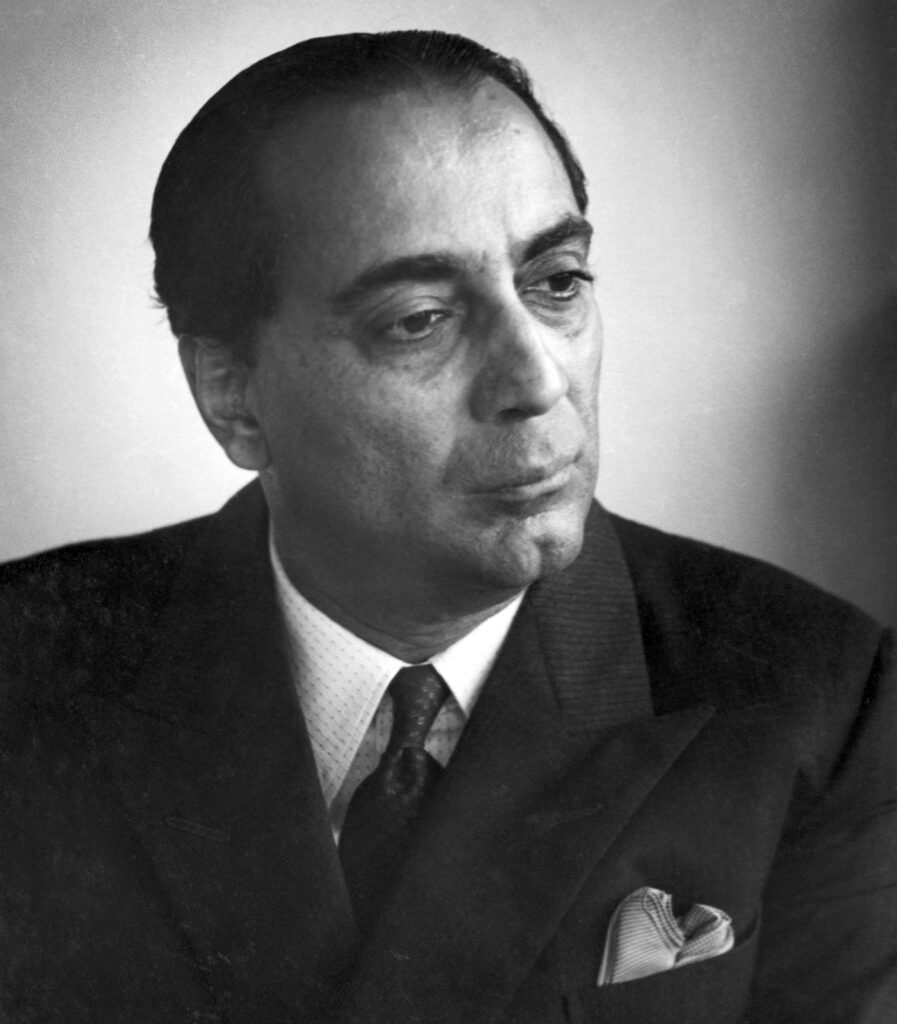
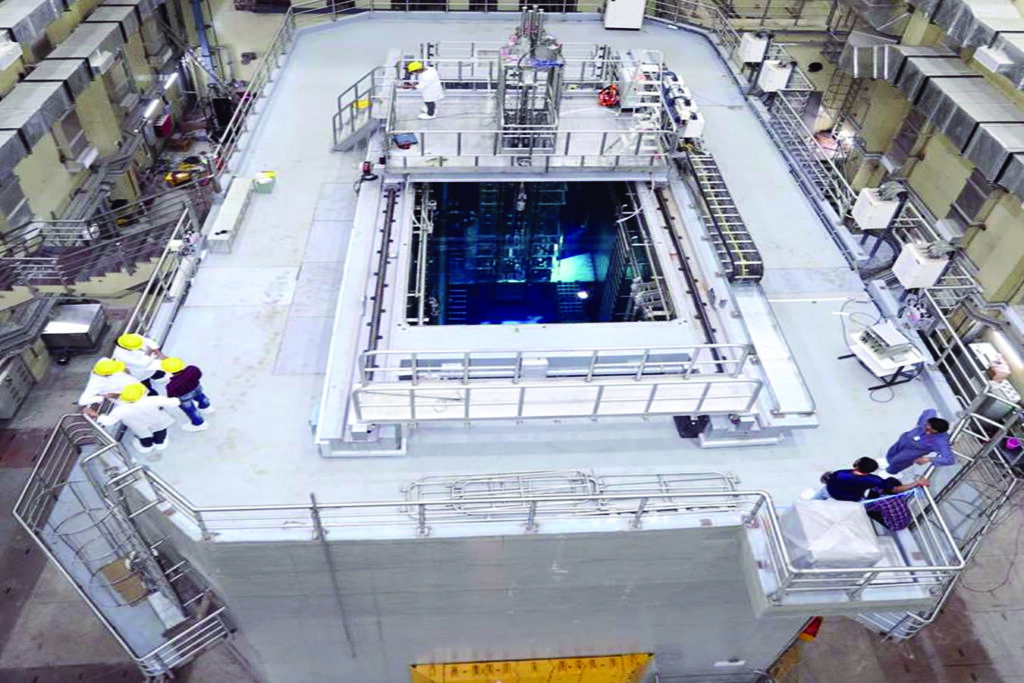
India’s nuclear journey began not in response to crisis, but in anticipation of it. In the years following independence, Homi Jehangir Bhabha laid the intellectual and institutional foundations of a programme that would be both scientifically ambitious and strategically self-reliant. The creation of the Bhabha Atomic Research Centre and the commissioning of Apsara—Asia’s first research reactor in 1956—signalled India’s early entry into the atomic age.
The decades that followed were marked by both progress and constraint. The peaceful nuclear experiment at Pokhran in 1974, while demonstrating technological capability, also led to international restrictions that limited access to nuclear fuel and advanced systems. Rather than halting progress, this phase strengthened India’s resolve to build indigenous capabilities. Pressurised Heavy Water Reactors became the backbone of civil nuclear power, reflecting a design philosophy that balanced efficiency with self-reliance.
The nuclear tests of 1998 reaffirmed India’s strategic position, but it was the India–United States Civil Nuclear Agreement of 2008 that marked a decisive shift. Ending decades of technological isolation, it enabled India’s integration into global nuclear commerce without compromising its autonomy. This trajectory—of restraint, resilience, and gradual engagement—has shaped India’s standing in the international nuclear order.
A QUIET MILESTONE IN A LONG CONTINUUM
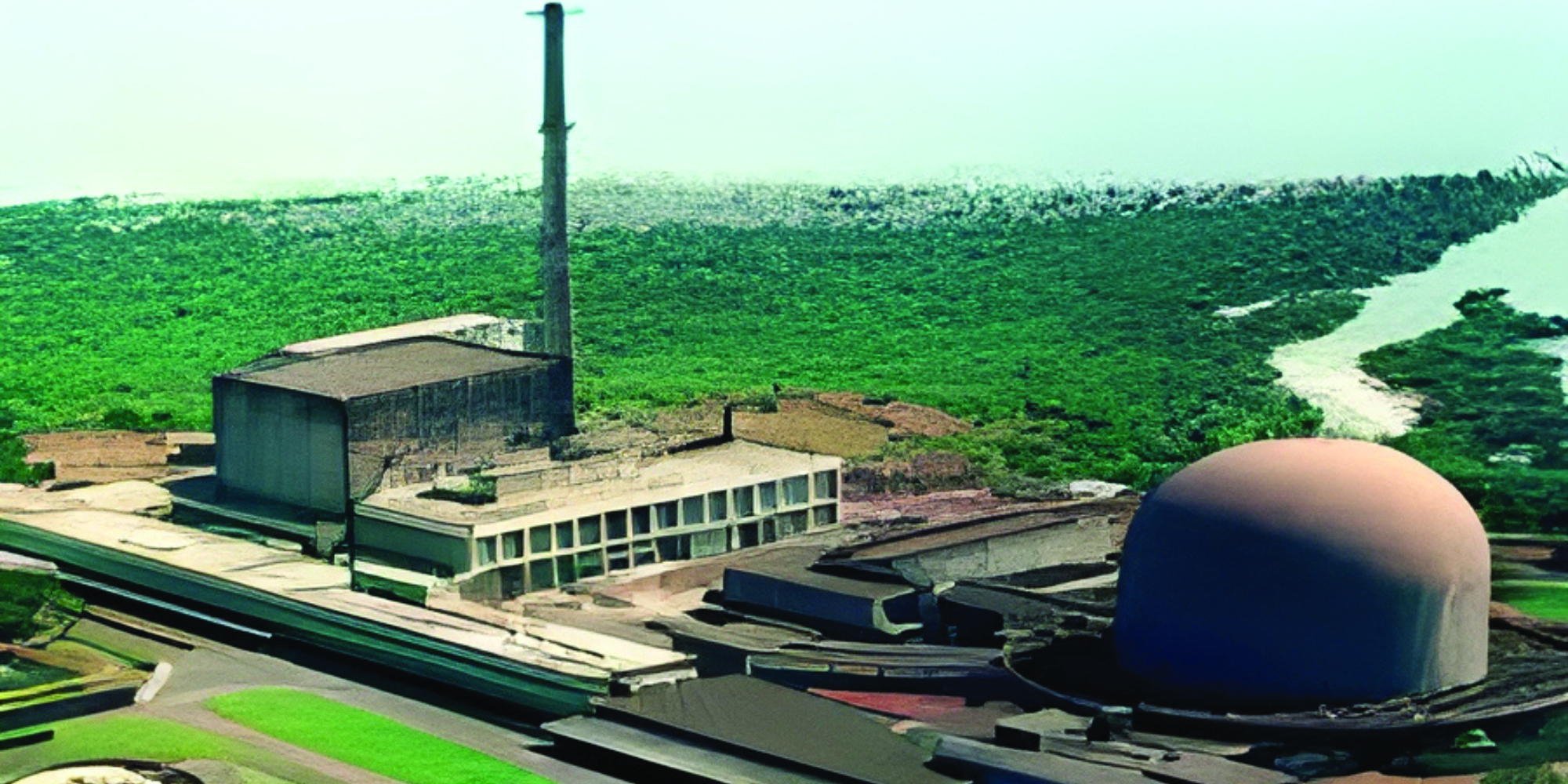
Recent developments must be understood within this broader arc. The attainment of criticality at the Prototype Fast Breeder Reactor at Kalpakkam represents not a sudden breakthrough, but the continuation of a carefully sequenced effort. Developed by Bharatiya Nabhikiya Vidyut Nigam Limited, the reactor builds upon decades of research carried out at the Indira Gandhi Centre for Atomic Research, Kalpakkam, Tamil Nadu.
All Images Courtesy Wikimedia Commons
This milestone signals that India is moving beyond the stage of simply utilising nuclear fuel. It is entering a phase where fuel can be extended and multiplied, opening pathways toward long-term sustainability. Yet even this achievement is best seen not as a culmination, but as a bridge—linking past investments in knowledge with future possibilities in scale and innovation.
RETHINKING NUCLEAR: FROM SCALE TO FLEXIBILITY
For much of its history, nuclear power has been associated with large, centralised installations—complex, capital-intensive, and slow to build. While such systems remain important, the global conversation is shifting toward flexibility.
Small Modular Reactors (SMRs) represent the most significant expression of this shift. Designed to be manufactured in controlled environments and assembled on site, they offer advantages that extend beyond engineering efficiency. Their modular nature allows capacity to be added gradually, reducing financial risk. Their compact size enables deployment in regions where large reactors are impractical. Their safety systems, often based on passive mechanisms, enhance reliability while simplifying operation.
For India, these features are particularly relevant. A nation of continental scale and diversity requires energy solutions that are both adaptable and scalable. SMRs could power industrial corridors, support emerging sectors such as green hydrogen, and provide reliable electricity to remote regions. They also align with India’s manufacturing capabilities, creating the possibility of exporting cost-effective nuclear technologies to other parts of the world.
INNOVATION ROOTED IN CONSTRAINT
India’s nuclear programme has evolved under conditions that might have constrained less determined systems. Limited access to uranium, restrictions on technology transfer, and periods of international isolation forced a turn inward—toward innovation.
One of the most distinctive outcomes of this process has been the sustained focus on thorium. With some of the world’s largest reserves, India has long recognised its potential as a future energy source. Though technologically challenging, thorium-based fuel cycles offer the promise of long-term sustainability and reduced dependence on imported resources.
This capacity to adapt extends to reactor design and systems integration. Indian engineers have consistently developed solutions tailored to local realities—balancing performance, safety, and cost. Over time, this has created not only technological capability, but also a culture of resilience and ingenuity.
INTEGRATING NUCLEAR INTO A RENEWABLE FUTURE
The energy transition is often framed as a choice between renewables and nuclear power. In practice, such a binary view is misleading. Renewable sources, while essential, are inherently variable. Solar generation depends on sunlight; wind energy fluctuates with atmospheric conditions. Nuclear energy, by contrast, provides steady, uninterrupted output.
For a country like India, where demand is rising steadily, the challenge is not to choose between these sources, but to integrate them. A balanced energy system—combining renewables, nuclear power, storage technologies, and intelligent grid management—offers the most reliable path forward.
Within such a system, nuclear energy plays a stabilising role. It ensures continuity, supports grid stability, and enables the efficient utilisation of renewable capacity. In doing so, it becomes an essential component of a sustainable energy future.
THE DIPLOMATIC DIMENSION: ENERGY AS INFLUENCE
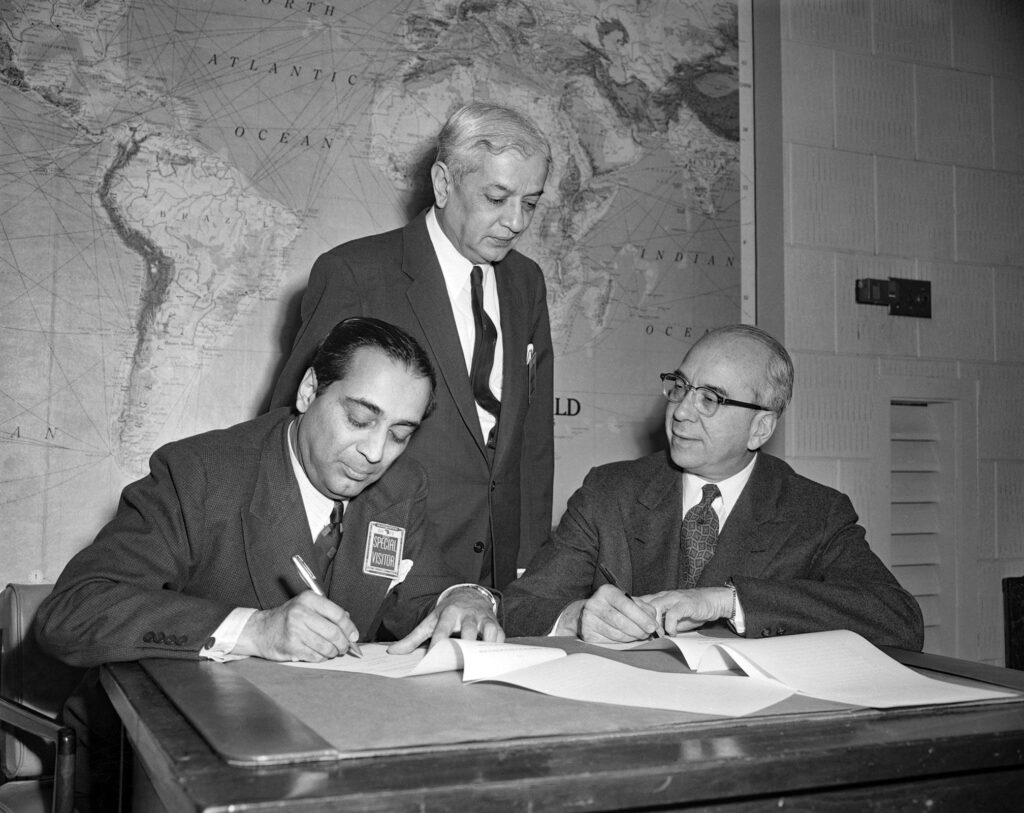
India’s nuclear programme also carries significant diplomatic implications. Its position in the global nuclear order is unusual yet increasingly influential. Despite remaining outside the Nuclear Non-Proliferation Treaty, India has gained recognition as a responsible nuclear state through its consistent adherence to non-proliferation principles and its engagement with bodies such as the International Atomic Energy Agency.
In recent years, this credibility has translated into partnerships. Collaborations with France, the United States, and Russia have facilitated reactor development and technology exchange. More recently, discussions around Small Modular Reactors and advanced systems have opened new possibilities for cooperation.
India is also well placed to contribute to the energy transitions of developing nations. Countries across Africa and Southeast Asia face the dual challenge of expanding energy access while meeting climate commitments. India’s experience—marked by cost-effective engineering and adaptive strategies—offers a viable model. By combining technology sharing with capacity building and financial innovation, India can play a constructive role in shaping a more inclusive global nuclear landscape.
BUILDING TRUST: THE SOCIAL AND INSTITUTIONAL IMPERATIVE
Technological advancement must be matched by public confidence. Nuclear energy, given its history, requires a particularly strong foundation of trust.
India has made steady progress in strengthening its regulatory and safety frameworks. Institutions such as the National Disaster Management Authority (NDMA) extend preparedness beyond reactor sites, ensuring coordination with local authorities and readiness in the unlikely event of an emergency.
Yet trust cannot be built through regulation alone. It requires transparency, consistent communication, and meaningful engagement with communities. As nuclear capacity expands, this human dimension will become increasingly important.
ECONOMICS AND THE QUESTION OF SCALE
The economics of nuclear energy remain complex. High capital costs and long project timelines have slowed expansion globally. India must address these challenges with pragmatic strategies.
Emerging approaches—such as modular construction, standardised designs, and innovative financing—offer promising solutions. Public-private partnerships, supported by clear policy frameworks, can help distribute risk and accelerate development.
If these measures are effectively implemented, nuclear energy can evolve into a competitive component of India’s energy mix, complementing both renewables and conventional sources.
FROM CAPABILITY TO LEADERSHIP
India today stands at an important juncture. It possesses a strong scientific foundation, a diversified energy strategy, and growing industrial capacity. The task ahead is to translate these strengths into global leadership.
Such leadership will depend not only on domestic expansion, but also on the ability to offer solutions that are relevant beyond national boundaries. It will require collaboration, knowledge sharing, and a commitment to responsible innovation. In this broader context, India’s nuclear programme has the potential to shape global energy discourse—offering pathways that are both sustainable and inclusive.
CONCLUSION: THE MEASURE OF A QUIET POWER
Great technological systems rarely announce themselves with drama. They are built in increments, tested in silence, and sustained through discipline. Nuclear energy, perhaps more than any other form of power, belongs to this category. Its processes are measured, its margins exacting, its successes often invisible to the societies they sustain.
And yet, in an age defined by volatility—of climate, of conflict, of supply—its value becomes unmistakable.
For India, the atom is not merely a source of electricity. It is a means of reducing exposure to distant uncertainties, of aligning energy systems with national resources, and of exercising a form of sovereignty that is at once practical and profound. From the early vision of Homi Jehangir Bhabha to the expanding frontiers of modular reactors and international partnerships, the journey reflects a consistent idea: that endurance in energy must be designed, not assumed.
The road ahead will not be without challenge. Costs must be managed, technologies refined, and public confidence continually earned. But these are the demands of any system that seeks to operate not for years, but for generations.
If pursued with the same patience that has shaped its past, India’s nuclear programme can evolve into something larger than an energy strategy. It can become a stabilising presence in a restless world—offering reliability where there is flux, partnership where there is fragmentation, and continuity where there is disruption.
In the end, the significance of nuclear power may lie not in the magnitude of the energy it produces, but in the quiet assurance it provides. that amidst uncertainty, some forces remain by design, firmly and surely, under human control.
* The writer, a Harvard educated civil servant, is a former Secretary, Ministry of Information & Broadcasting, Government of India. He also served on the Central Administrative Tribunal and as Secretary General of ASSOCHAM. He commands extensive expertise in the fields including Media and Information, Industrial and Labour Reforms, and Public Policy.