

Author: Uday Kumar Varma

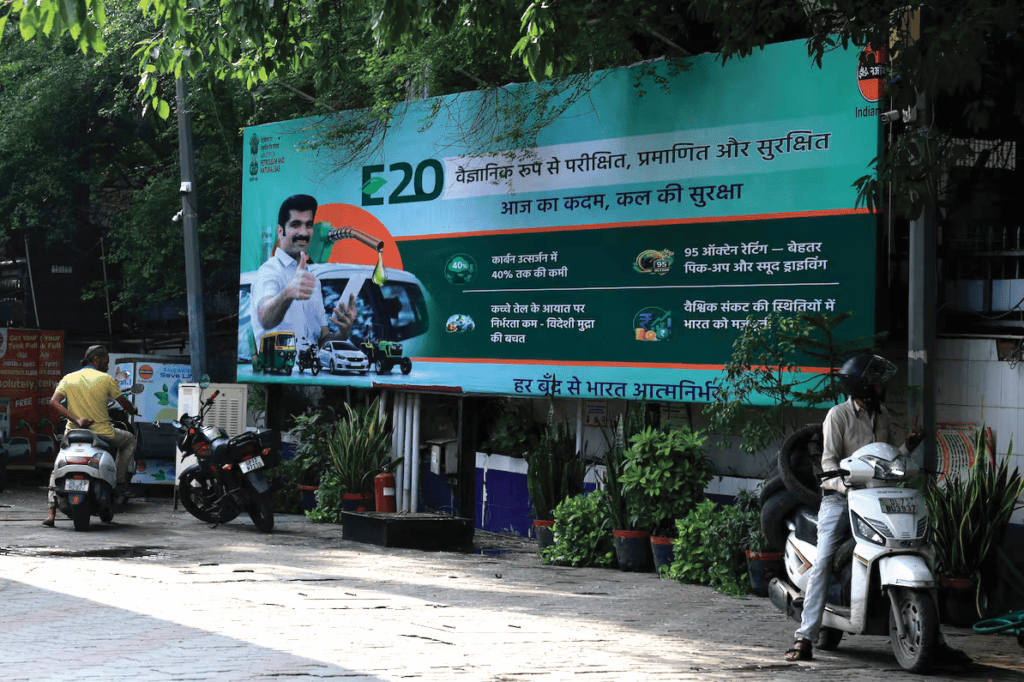
India’s transition to E20—petrol containing up to 20 per cent ethanol—has become unexpectedly contentious. To some, it represents an important step towards energy security, lower oil imports and a cleaner transport system. To others, it is an agricultural diversion masquerading as environmental policy, consuming water and food resources while offering uncertain gains in emissions and foreign-exchange savings. Both positions contain elements of truth. The science, however, is more interesting than either narrative. The real question is not whether ethanol is inherently good or bad. It is what ethanol is produced from, how it is produced, what resources it consumes, what…

As India celebrates another Independence Day, one of the country’s most significant scientific achievements has quietly begun its journey across the plains of Haryana. Flagged off by Prime Minister Narendra Modi, India’s first indigenously developed hydrogen-powered train is, at one level, another addition to the nation’s vast railway network. At another, it represents something far more profound. It marks India’s entry into a select group of nations developing one of the world’s most promising clean-energy technologies through indigenous engineering. The train itself is remarkable. Operating on the Jind–Sonipat section of Northern Railway, the 10-coach train is powered neither by diesel…
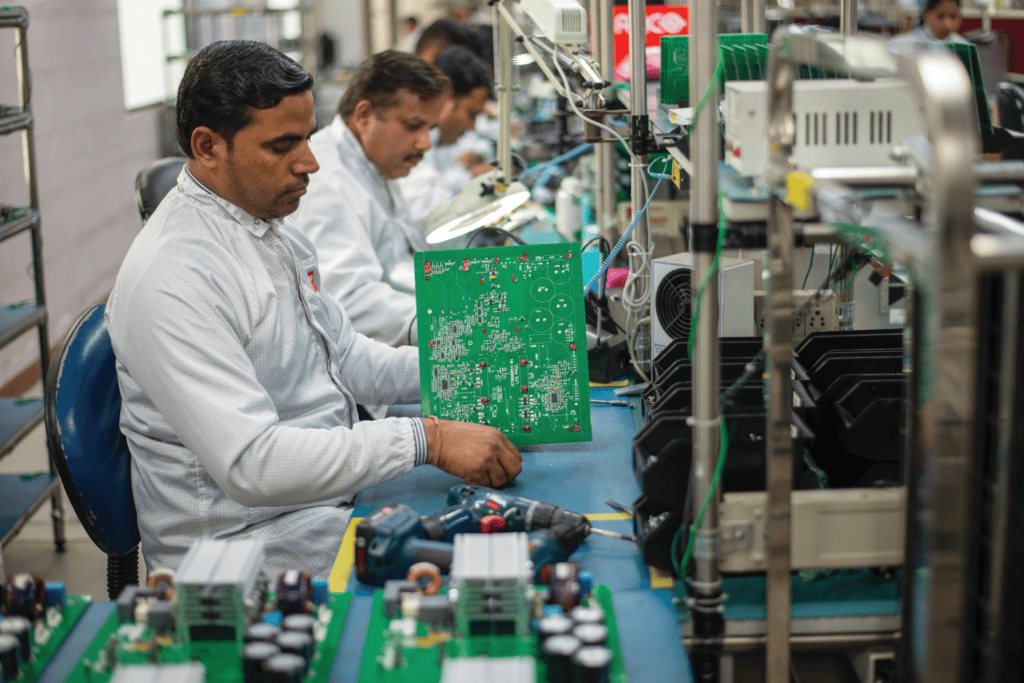
A NEW TECHNOLOGICAL AGE The twenty-first century is witnessing a transformation whose scale and significance rival the Industrial Revolution. Artificial Intelligence, quantum technologies, semiconductors, synthetic biology, advanced materials, robotics, space technologies and digital platforms are reshaping not merely economies but the very foundations of national power. Scientific capability today determines economic competitiveness, strategic autonomy, national security, environmental resilience and international influence. Nations are increasingly competing not only for markets and resources but also for leadership in knowledge, innovation and technological standards. This profound transformation demands a corresponding change in public policy. Science and technology can no longer be viewed as…
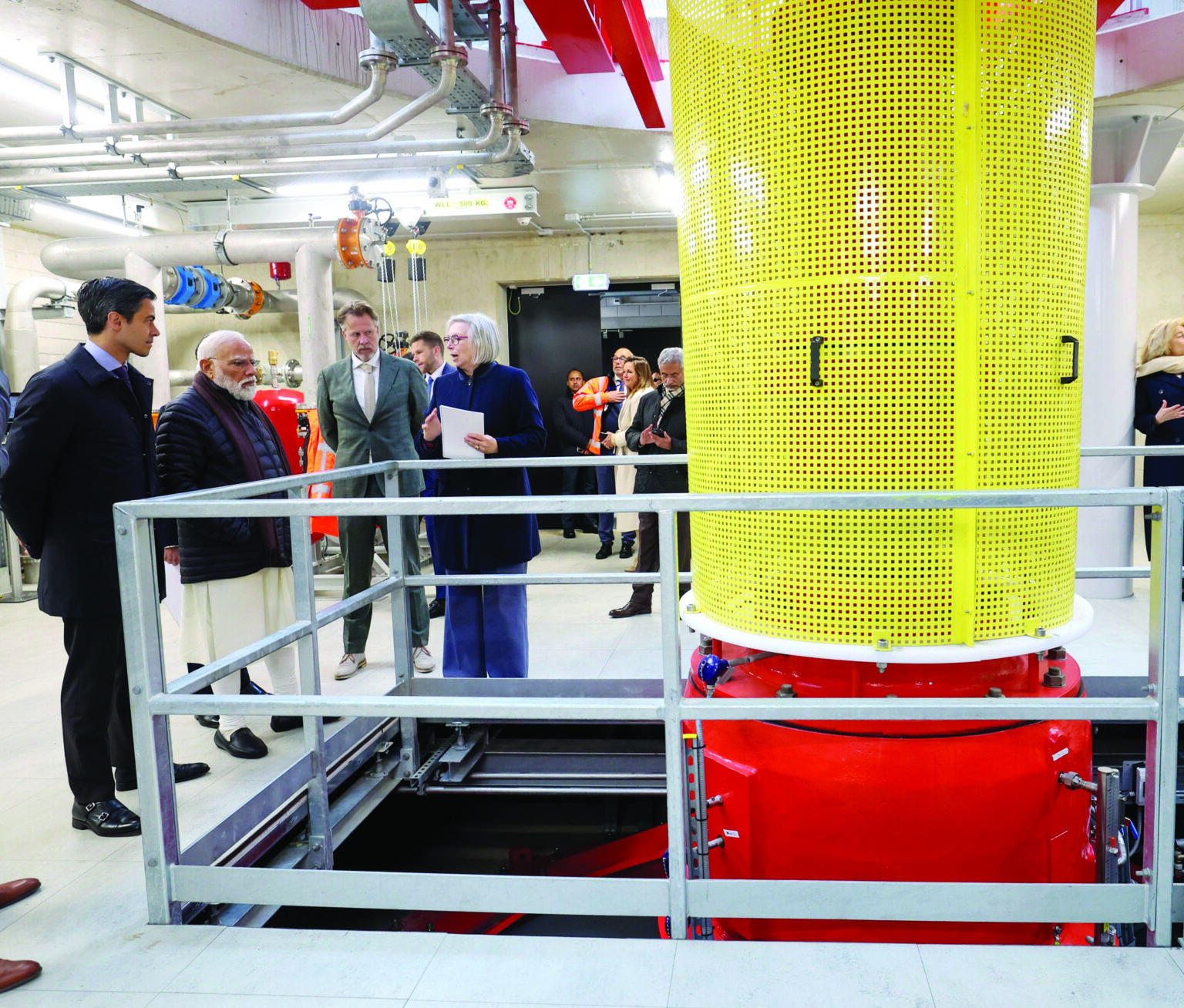
Diplomacy once travelled at the pace of caravans, ships, and sealed letters carried across oceans. Today it moves through semiconductor supply chains, quantum laboratories, artificial intelligence frameworks, clean-energy grids, and strategic technology partnerships. The grammar of power is changing. Nations are no longer judged solely by the size of their armies or territorial reach, but increasingly by their capacity to innovate, collaborate scientifically, secure technological ecosystems, and shape the infrastructures of the future. It is against this shifting global landscape that the recent five-nation tour of Prime Minister Narendra Modi acquires significance beyond conventional diplomacy. Public discourse naturally focused on…
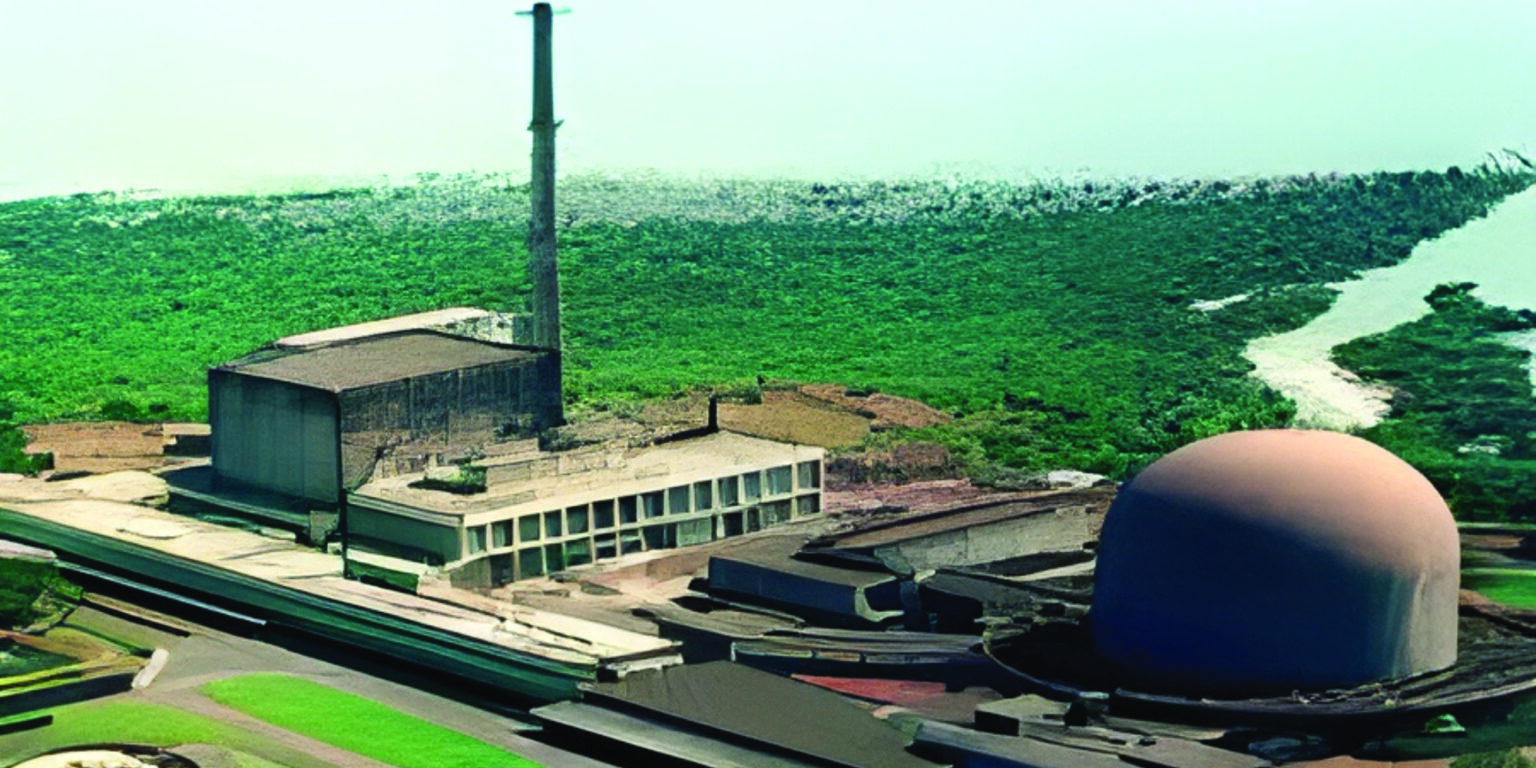
Modern wars no longer remain confined to the geography in which they are fought. They travel—through pipelines, shipping lanes, financial markets, and into the everyday economies of nations far removed from the battlefield. The war between Russia and Ukraine has already demonstrated how energy can be weaponised, with gas supplies, sanctions, and price shocks reverberating across continents. The more recent tensions between the United States and Iran underline the same reality from another theatre: that even the threat of disruption in critical arteries such as the Strait of Hormuz—through which a significant share of global oil flows—can unsettle markets worldwide.…
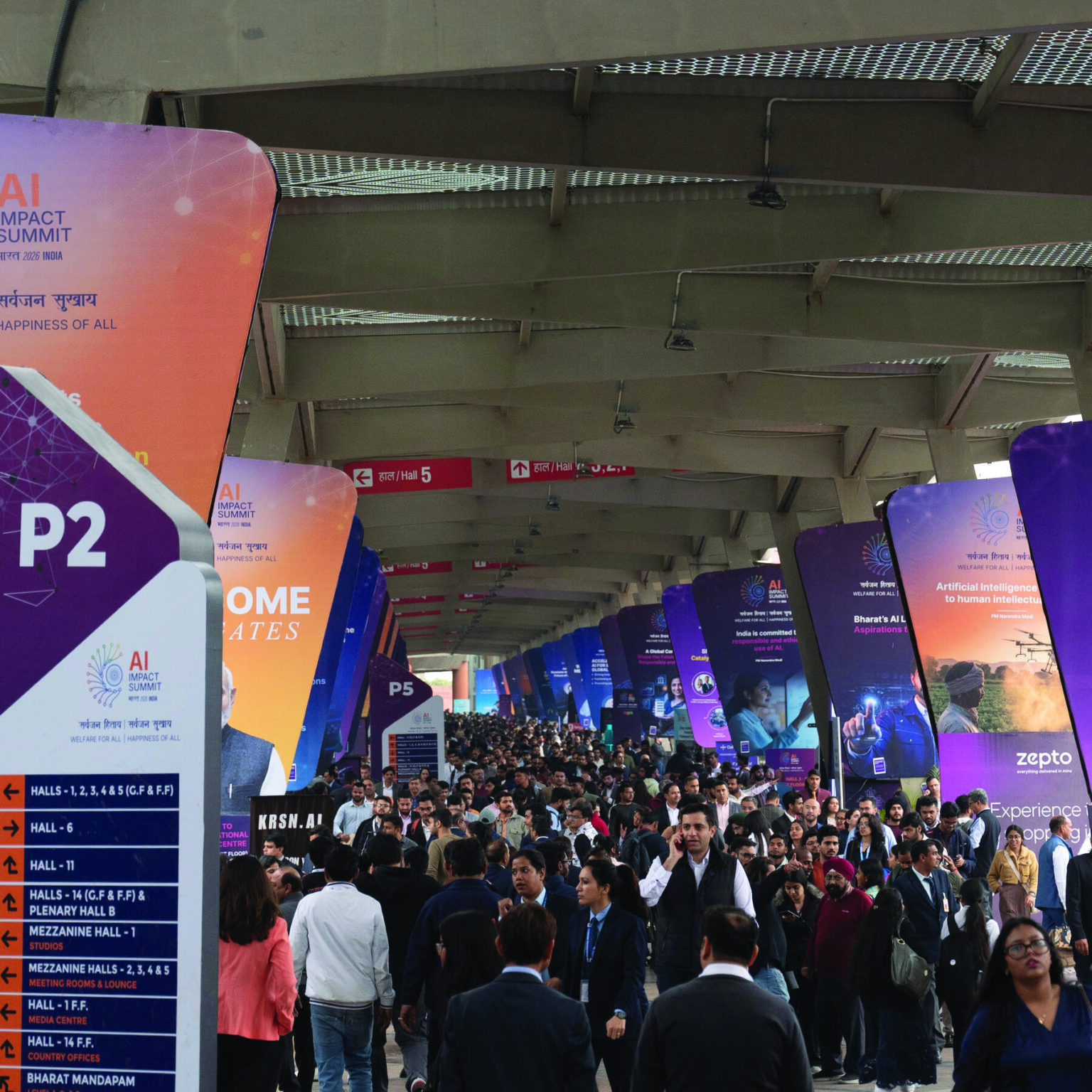
The India AI Impact Summit 2026 concluded at Bharat Mandapam with the endorsement of the New Delhi Declaration by 88 countries and international organisations—among them the United States, China, the United Kingdom, France, Germany, Japan, Brazil, Russia, the European Union, and IFAD. The moment marked more than the conclusion of a diplomatic gathering. It signalled a subtle recalibration in the global geography of artificial intelligence governance. It represented an important repositioning of India in the global conversation on artificial intelligence. This was the largest AI summit convened to date and the first of comparable scale hosted in the Global South.…
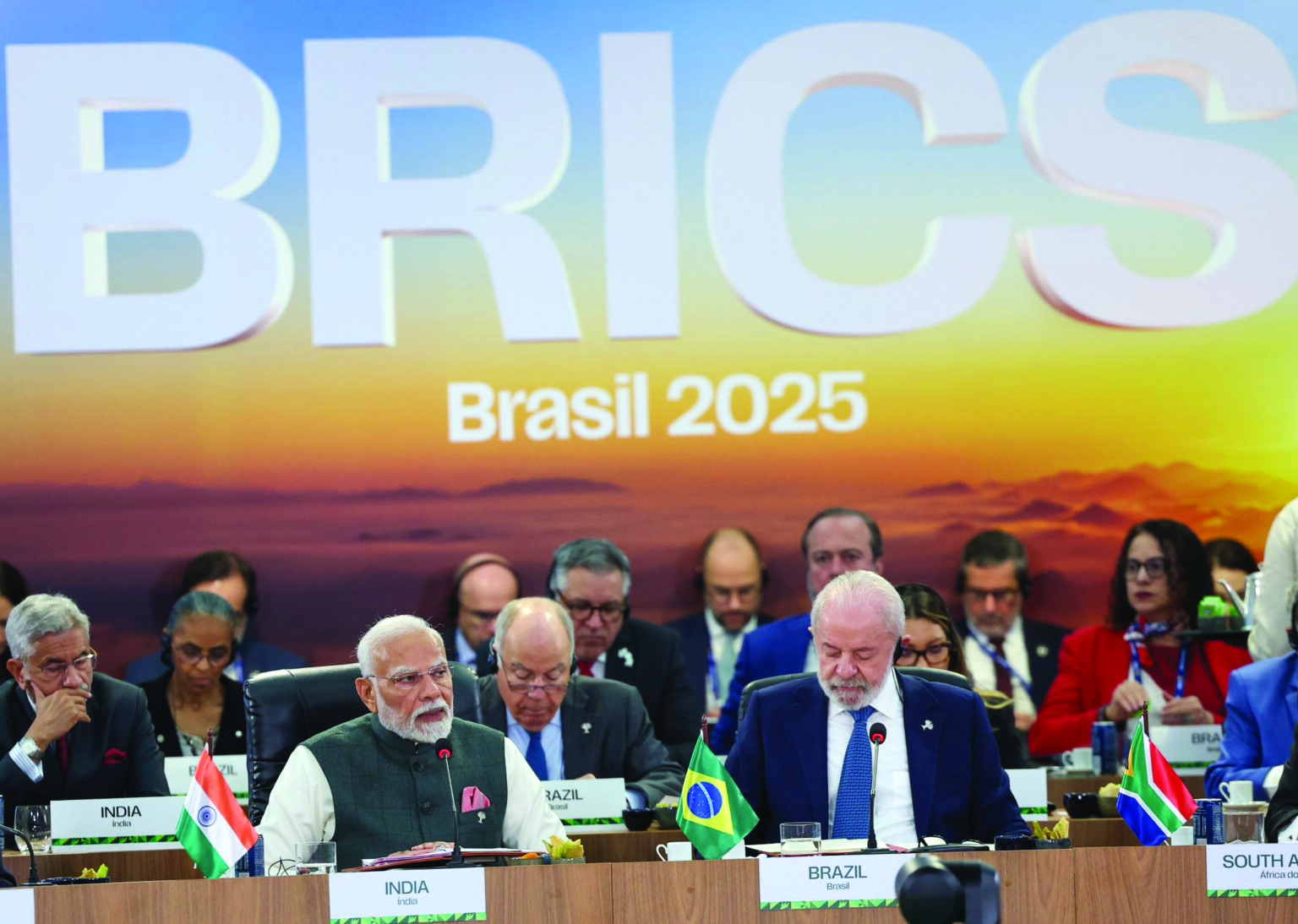
Image Courtesy: PIB SCIENCE DIPLOMACY When the world’s climate negotiators assembled in Belém, at the threshold of the Amazon rainforest in Brazil, the moment seemed laden with historical and moral significance. COP30 was heralded as the “COP of Truth”—a forum where science, urgency, and political will would finally converge. The choice of Belém was deliberate: few places embody the stakes of the climate crisis as starkly as the Amazon, a living regulator of the planet’s climate now under unprecedented stress. Yet as the conference drew to a close, a sense of unease lingered. What many had hoped would be a…
As India prepares to unveil its annual India International Science Festival between December 6 and 9 in Panchkula, Haryana, the moment is ripe to reflect on a larger phenomenon. Science and technology in India have begun to transcend their domestic role; they are quietly emerging as a defining arm of diplomacy and global influence. Under the visionary leadership of Prime Minister Narendra Modi, India has travelled far, from being a technology importer to becoming an innovator, manufacturer, and strategic partner. The theme of the festival—“Science to Prosperity: Towards a Self-Reliant India”—speaks not merely of national self-sufficiency, but of a confident…