



Image Courtesy: Wikipedia
INTERNATIONAL DAY OF HUMAN SPACE FLIGHT / 12 APRIL
The curiosity to explore the unknown in the infinite space, which contains everything, stars, galaxies, and more, has led to many remarkable breakthroughs in Space Science, Astronomy, and Astrophysics in recent years. To explore space, observations can generally be characterised into two groups: ground-based and space-based. Both of them have their own limitations and advantages; they complement each other. Ground-based observations with different types of telescopes are cost-effective and easier to maintain than space-based observations with satellites/spaceships, which are costly and difficult to maintain. Space-based observations have a significant advantage over ground-based ones, as they are free of atmospheric signal distortion. The use of satellites, rockets, and spacecraft is among the most powerful ways to study Earth and the universe. With this, one can collect precious scientific datasets that would otherwise be impossible to obtain from ground-based observations.
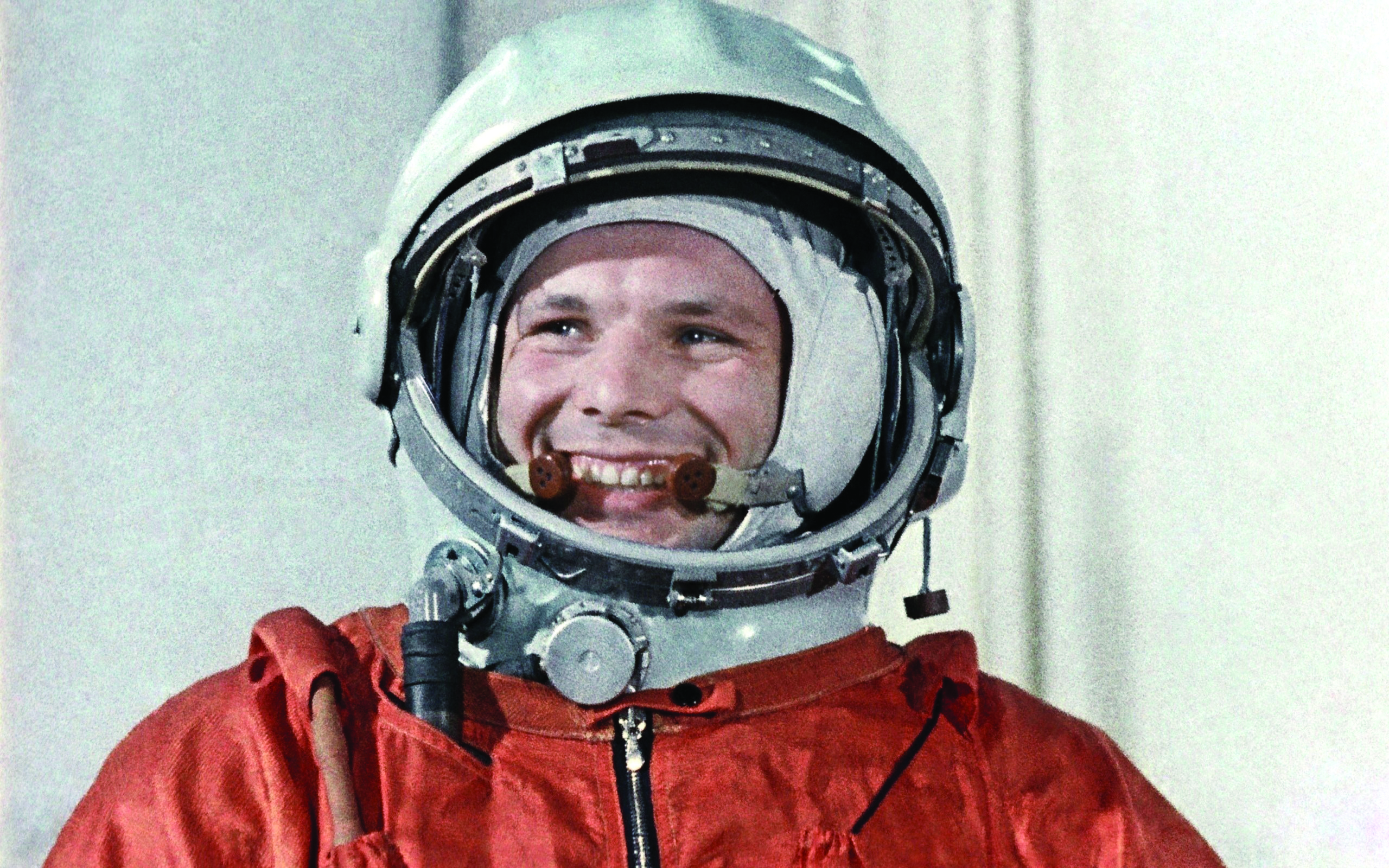
The space organisations like the National Aeronautics and Space Administration (NASA) of the USA, Indian Space Research Organisation (ISRO) of India, European Space Agency (ESA) with 22 state members on board in Europe and Roscosmos State Corporation for Space Activities (popularly known as Roscosmos) of Russia are continuously launching their space missions to explore the universe in diverse contexts. The erstwhile Soviet Union was the first to launch a space mission, Sputnik 1, on 4 October 1957. However, the Soviet Union’s first human spaceflight mission was Vostok 1 on 12 April 1961. Yuri Gagarin piloted this mission and is credited as the first person to orbit the Earth and travel into space. This day is marked as the International Day of Human Space Flight.
Later in 1969, during the Apollo II mission, Neil Armstrong became the first person to walk on the Moon. Rakesh Sharma became the first Indian to travel in space in 1984 aboard the Soviet spacecraft Soyuz T‑11. In June 2025, Shubhanshu Shukla, a Group Captain in the Indian Air Force, became the first Indian to visit the International Space Station (ISS), flying as pilot on the 18-day Axiom Mission 4 (Ax-4). Further, Kalpana Chawla was the first woman of Indian origin in space when she flew with the STS-87 mission in 1997. She tragically lost her life on the Columbia STS-107 mission in 2003 when the shuttle disintegrated during its re-entry to Earth. More recently, another Indian origin woman, Sunita Williams, made the record of spending the longest cumulative period in space of 600+ days, which was surpassed by Peggy Whitson with cumulative 675 days in space.
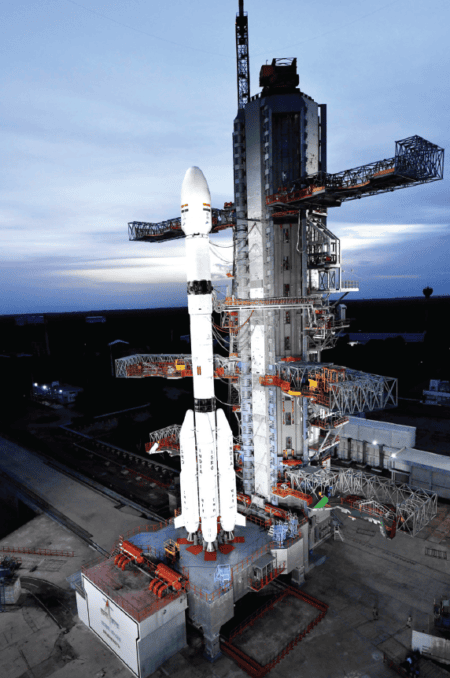
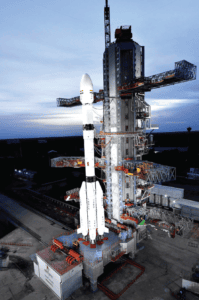
In recent years, ISRO has launched several missions to space, such as ASTROSAT, Mangalyan Mission, and Chandrayan Mission I & II, with good success. The Aditya-L1 Mission of ISRO was launched on 2 September 2023 and reached Lagrange point 1 halo orbit in January 2024. It is currently operational and studying the Sun. ISRO also plans to launch the Gaganyaan mission to low Earth orbit with a few astronauts, along with a few other missions as follow-ups to Chandrayaan and Aditya-L1, using next-generation launch vehicles.
Space missions are important not only for technological advancements but also for better understanding the universe, protecting Earth from threats, improving climate monitoring, and exploring life beyond Earth. In addition, becoming an astronaut is rigorous, requiring extensive years of training to cope with the physical demands, including microgravity-induced bone loss and psychological stress. In a nutshell, the development of space research, along with trained astronauts, will not only enhance the human presence in space but also open new avenues for our future generations.
*The writer is a Professor of Physics and Director, Research & Development Cell, HNBGU, Srinagar- Garhwal, Uttarakhand, and can be reached at hnandan@associates.iucaa.in.