

Author: Dr Hemwati Nandan

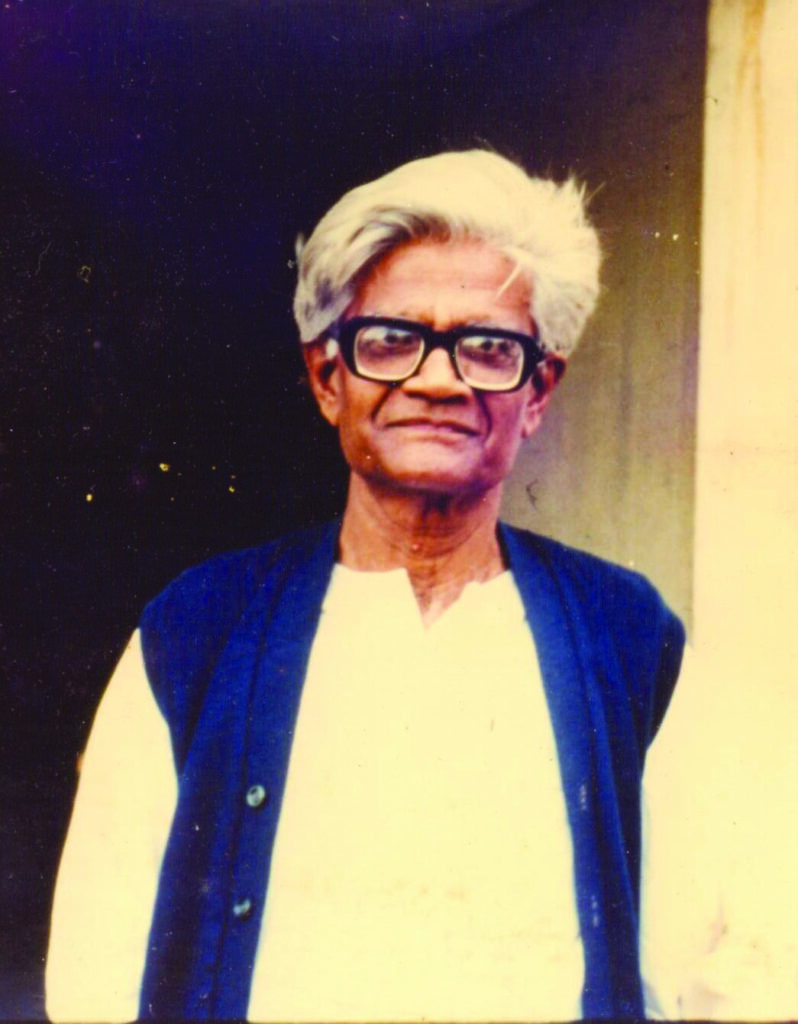
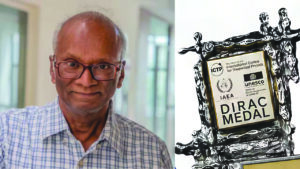
Image Courtesy: Twitter Scientific advancements are fundamentally a collective endeavour. Every generation of scientists builds upon the discoveries and insights of those who came before, gradually extending the boundaries of knowledge across different branches of science and, more broadly, human understanding. Occasionally, however, an individual’s contribution proves so profound, far-reaching, and influential that it becomes permanently associated with its creator. There are several such examples, including the Laplace equation, named after the eminent French mathematician and physicist Marquis de Laplace, which is widely used in physics, mathematics, and engineering. One such equation with a similarly ubiquitous presence is the Raychaudhuri…
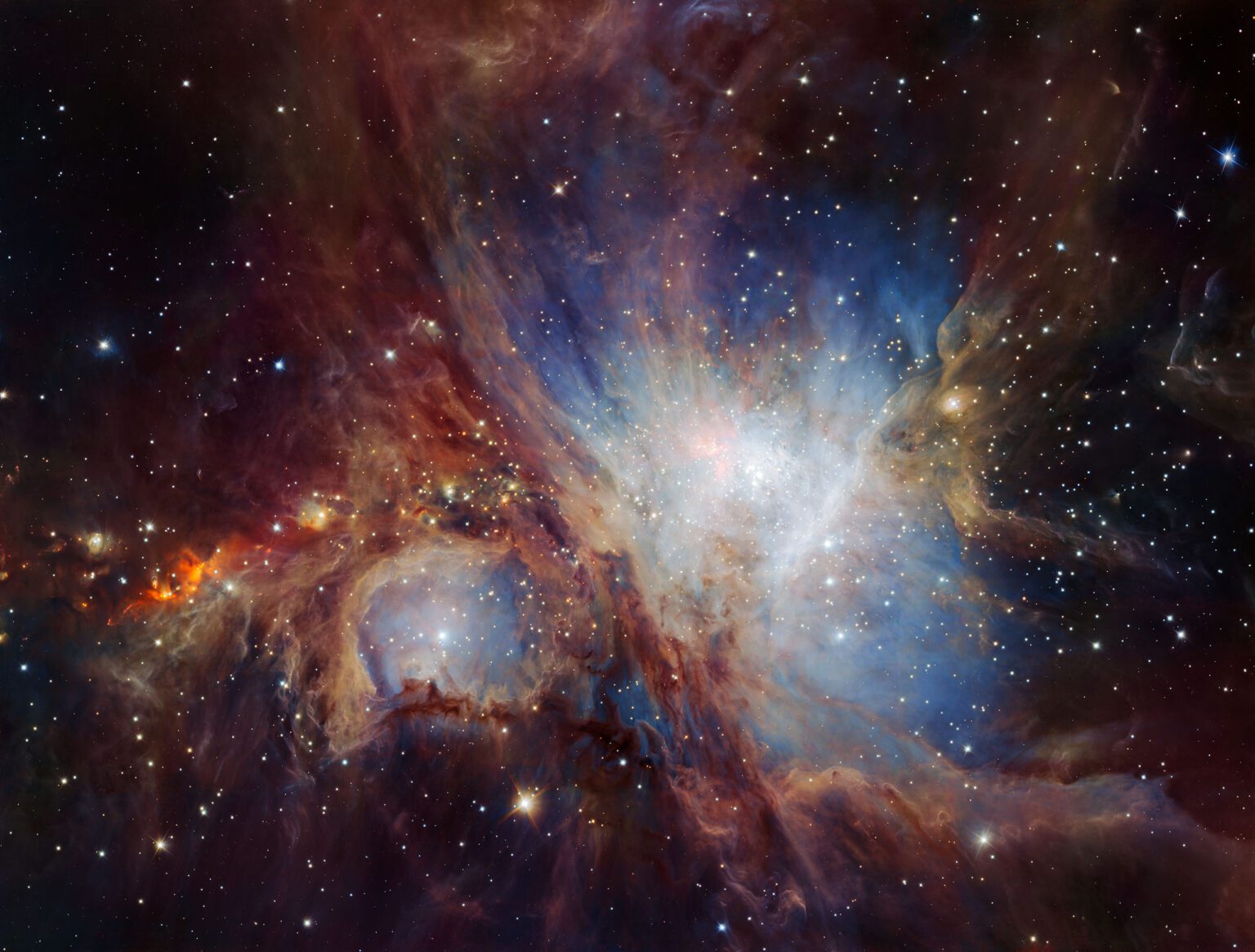
The night sky has fascinated humanity since ancient times. Long before the invention of telescopes, people observed the stars and used them for navigation, farming, and timekeeping. On a clear night, thousands of stars can be seen scattered across the celestial sphere, forming recognizable patterns known as constellations. Among these countless stars, the Sun is the closest and the most familiar example, providing the energy necessary for life on Earth. Beyond the Sun, there exist many remarkable stars such as Sirius, Alpha Centauri, Vega, and Betelgeuse, each representing distinct stages of stellar evolution. Stars are not isolated objects. Within massive…
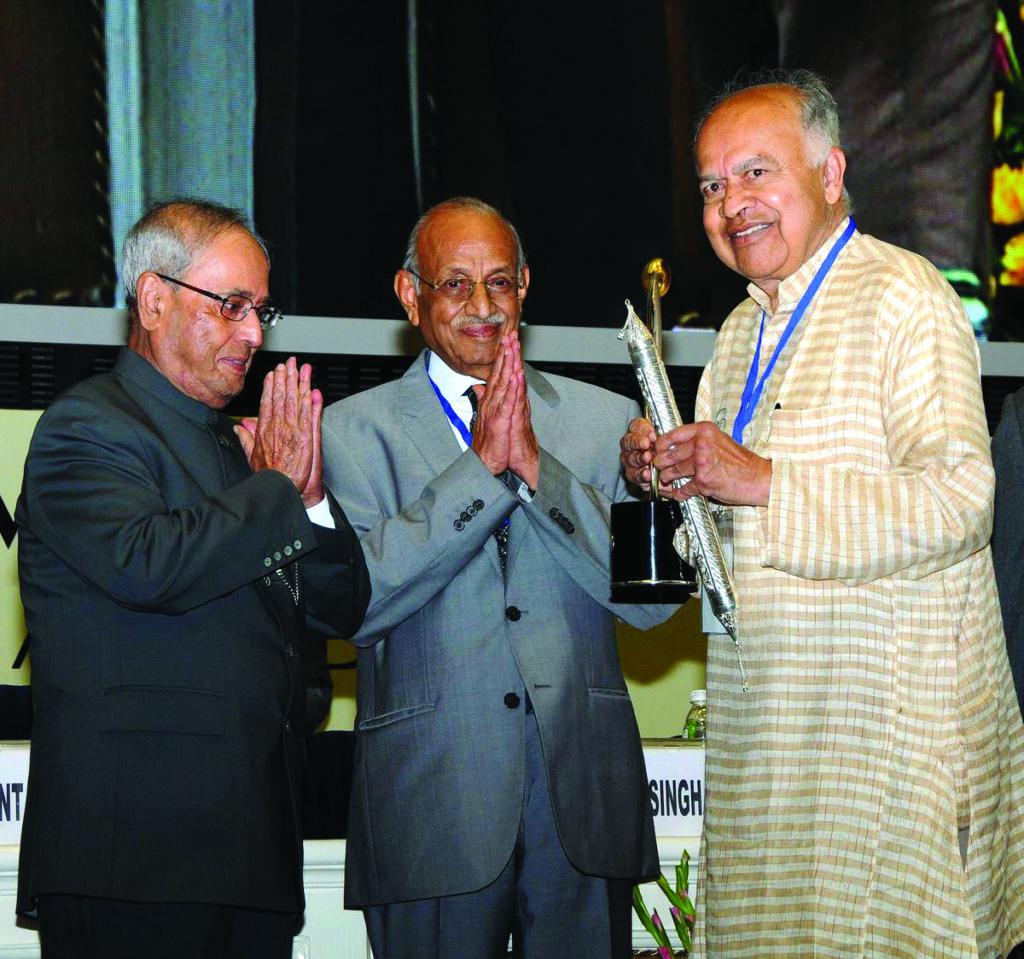
Image Courtesy: Wikimedia Commons REMEMBERING PROF JAYANT VISHNU NARLIKAR (1938-2025) The growth of modern astronomy and cosmology in India owes much to Prof Jayant Vishnu Narlikar, one of the country’s foremost astrophysicists. Internationally acclaimed for his pioneering work in theoretical cosmology, he combined scientific excellence with a lifelong commitment to science education and public outreach. Over six decades, he advanced cosmological research, built world-class institutions, mentored generations of scientists, and inspired the public through his books and lectures. At a time of revolutionary advances in cosmology, Narlikar distinguished himself by challenging prevailing theories and developing alternative models of the universe.…

Profile of the Month: Prof Prahalad Chunnilal Vaidya Prof Prahalad Chunnilal Vaidya, generally known as P C Vaidya, was a great Indian mathematician who worked in the area of Einstein’s General Relativity. Born on 23 May 1918, in Gujarat, Vaidya’s significant contributions to the subject of General Relativity range from the radiating stars, energy flows in spacetimes, null fields and gravitational collapse. Prof Vaidya exhibited an inclination toward mathematics from the young age with exceptional ability to address problems in mathematics in an analytical way. During his higher education, which he pursued at the University of Mumbai (then the University…
Advances in computing technology opened the gateway to processing complex software applications. Generative AI (Gen AI) is not a new term; it has been part of technological advancement for decades. However, with increased computing power and advancements in hardware devices such as GPUs, it has become much easier to adopt AI & GenAI in the emerging frontiers of Science & Technology. ChatGPT, Gemini, Cloude are some of the popular GenAI models that are becoming essential for tasks related to scientific analysis, research, and knowledge generation and interpretation. A brief timeline of GenAI is depicted as follows and shown in the…
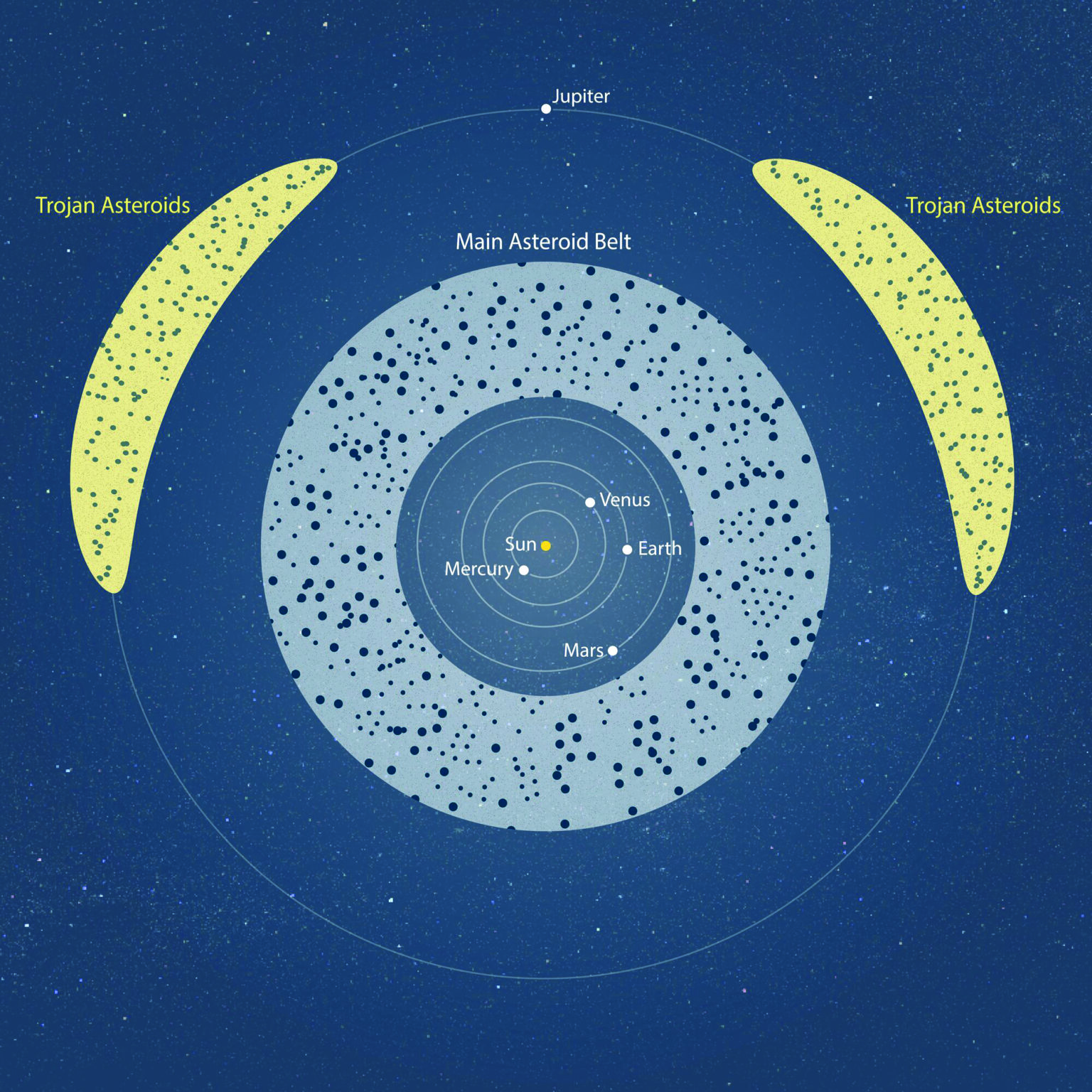
Image Courtesy: NASA INTERNATIONAL ASTEROID DAY/ 30 JUNE There are many fascinating objects in the sky, viz., comets, stars, galaxies, supernovae, etc., and asteroids are among them in our solar system. Asteroids are small in size compared to planets in our solar system. They are rocky and metallic, and orbit the Sun like our planets. Their sizes range from a few meters to kilometers, and most asteroids are irregularly shaped, unlike the planets. They are mostly populated in the torus-shaped space between the orbits of Jupiter and Mars. Asteroids are remnants of the solar system’s formation and are important for…
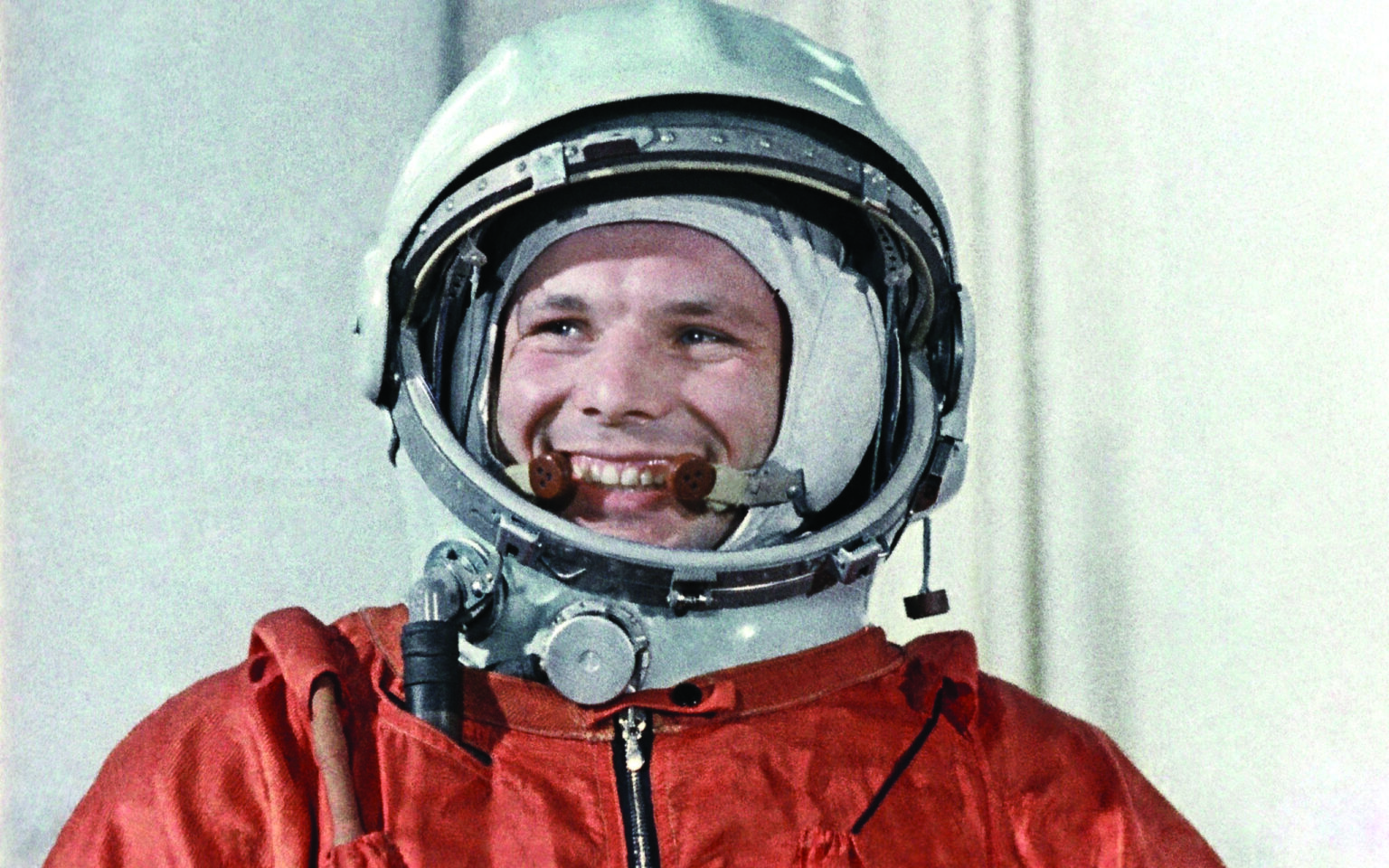
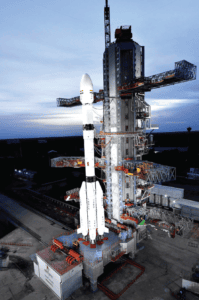
Image Courtesy: Wikipedia INTERNATIONAL DAY OF HUMAN SPACE FLIGHT / 12 APRIL The curiosity to explore the unknown in the infinite space, which contains everything, stars, galaxies, and more, has led to many remarkable breakthroughs in Space Science, Astronomy, and Astrophysics in recent years. To explore space, observations can generally be characterised into two groups: ground-based and space-based. Both of them have their own limitations and advantages; they complement each other. Ground-based observations with different types of telescopes are cost-effective and easier to maintain than space-based observations with satellites/spaceships, which are costly and difficult to maintain. Space-based observations have a…
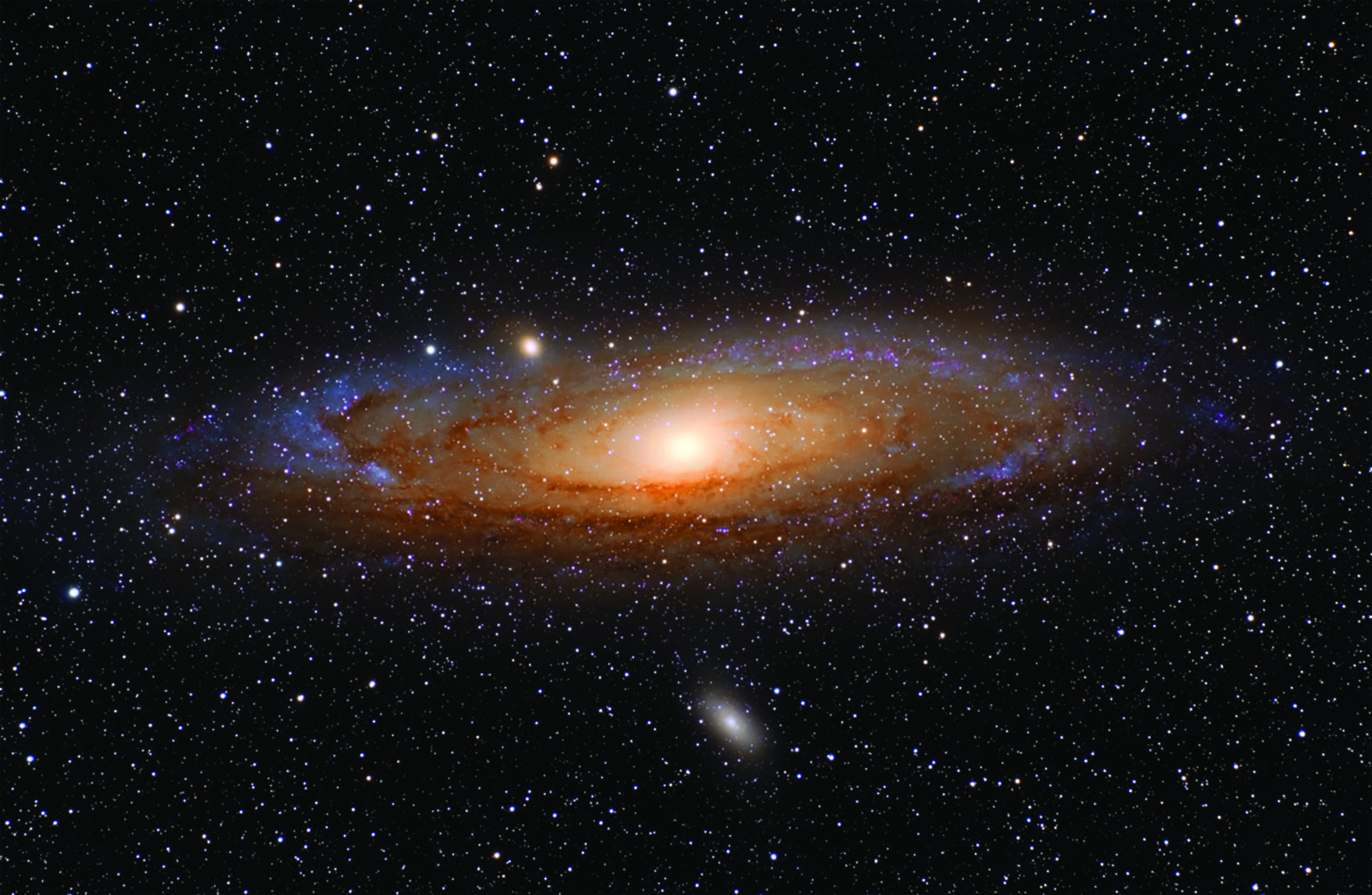
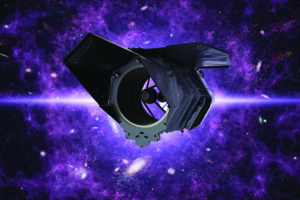
COVER STORY All space and time and everything that exists is part of the universe. All matter, energy with the seen structures (like stars and galaxies) along with their invisible counterparts are a matter of study in modern cosmology which is the study of the universe as a whole. However, there are some conceptual parallels of unseen aspects of reality in spiritual context, which exist in ancient Indian scripts like Bhagavad Gita and Sankhya philosophy, where the notion of Avyakata (meaning the unmanifest or unseen) may resemble the modern genesis of dark matter and dark energy, both of which are…
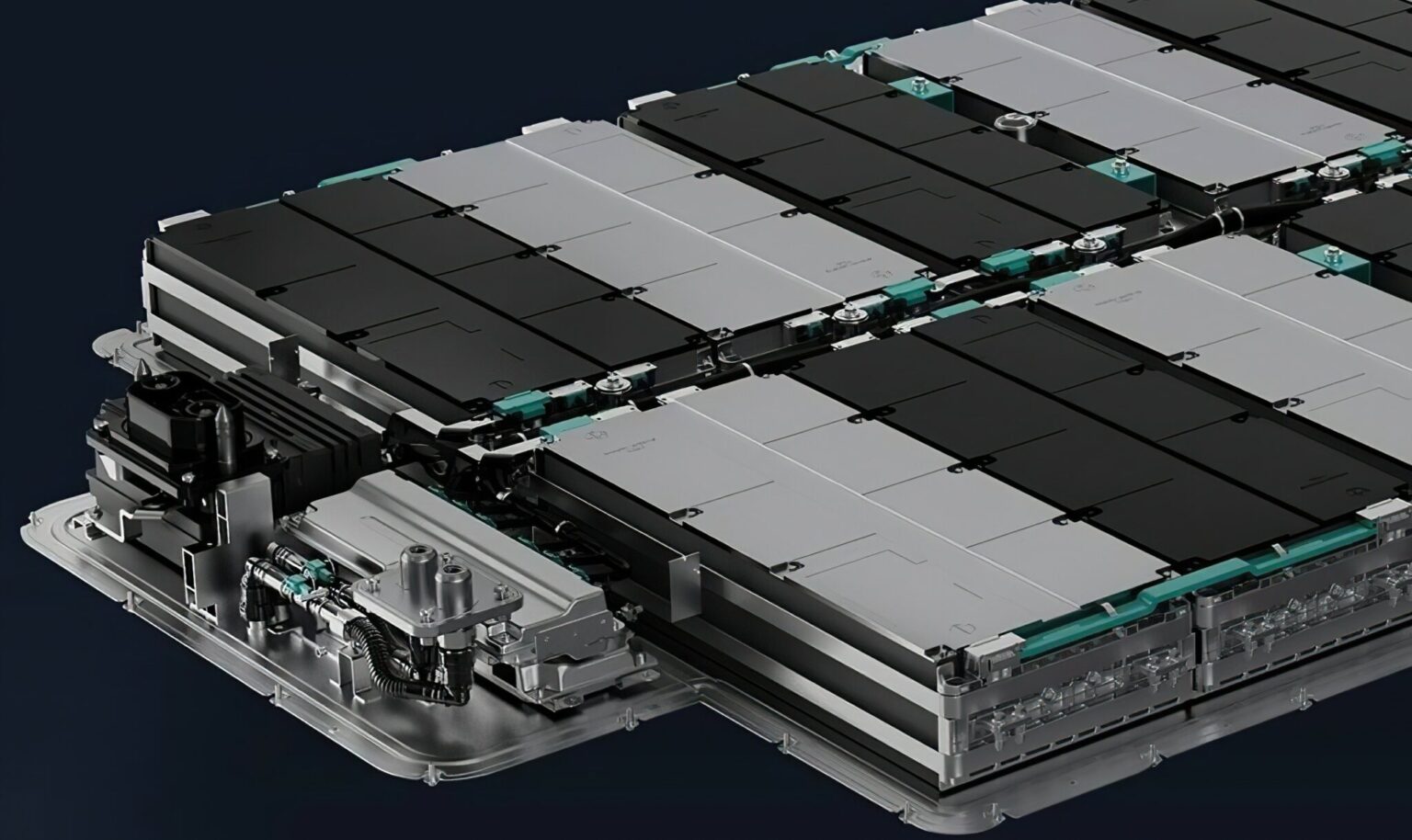
Given the abundance of electronic devices around us, it is challenging to envision modern life without batteries. These gadgets rely on different types of batteries for power. As efficient energy storage solutions, batteries are widely used in various applications. They play an inevitable role in the shift toward sustainable energy. Since the mid-18th century, battery designs have undergone significant changes continuously, driven by continuous technological progress. The electrolytes used in batteries have evolved from liquid or gel-based forms to solid-state materials. The current research to bring solid-state battery technology to market has made remarkable progress recently. The primary concern in…

NEW FRONTIERS OF SCIENCE The term Artificial Intelligence (AI) refers to a set of functions that enable computers to execute tasks similar to those of human intelligence through computer-based algorithms. It utilises various computational programmes to simulate human intelligence, enabling the solution to complex problems and the development of reasoning cycles. AI is divided into several sub-areas including machine learning (ML), deep learning (DL), neural networks (NN), natural language processing (NLP), computer vision, and cognitive computing. In the case of ML, it involves identifying patterns and analysing previous data to make a potential conclusion. Another subset of ML is Deep…