



A NEW TECHNOLOGICAL AGE
The twenty-first century is witnessing a transformation whose scale and significance rival the Industrial Revolution. Artificial Intelligence, quantum technologies, semiconductors, synthetic biology, advanced materials, robotics, space technologies and digital platforms are reshaping not merely economies but the very foundations of national power. Scientific capability today determines economic competitiveness, strategic autonomy, national security, environmental resilience and international influence. Nations are increasingly competing not only for markets and resources but also for leadership in knowledge, innovation and technological standards.
This profound transformation demands a corresponding change in public policy. Science and technology can no longer be viewed as specialised sectors confined to laboratories and universities. They have become central to every sphere of national life—from agriculture and healthcare to manufacturing, defence, governance and diplomacy. Countries that successfully integrate scientific research with national strategy will shape the global order of the coming decades; those that fail to do so risk technological dependence and strategic vulnerability.
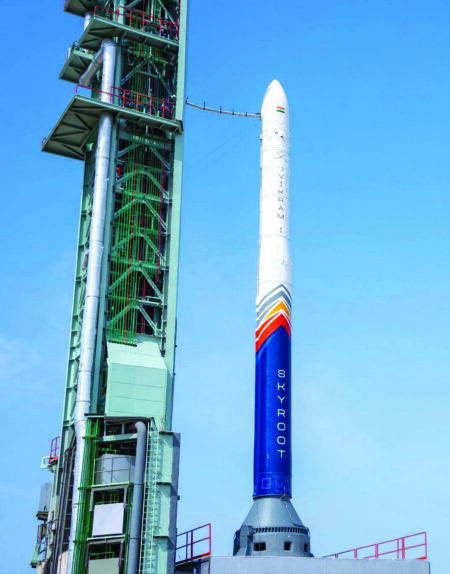
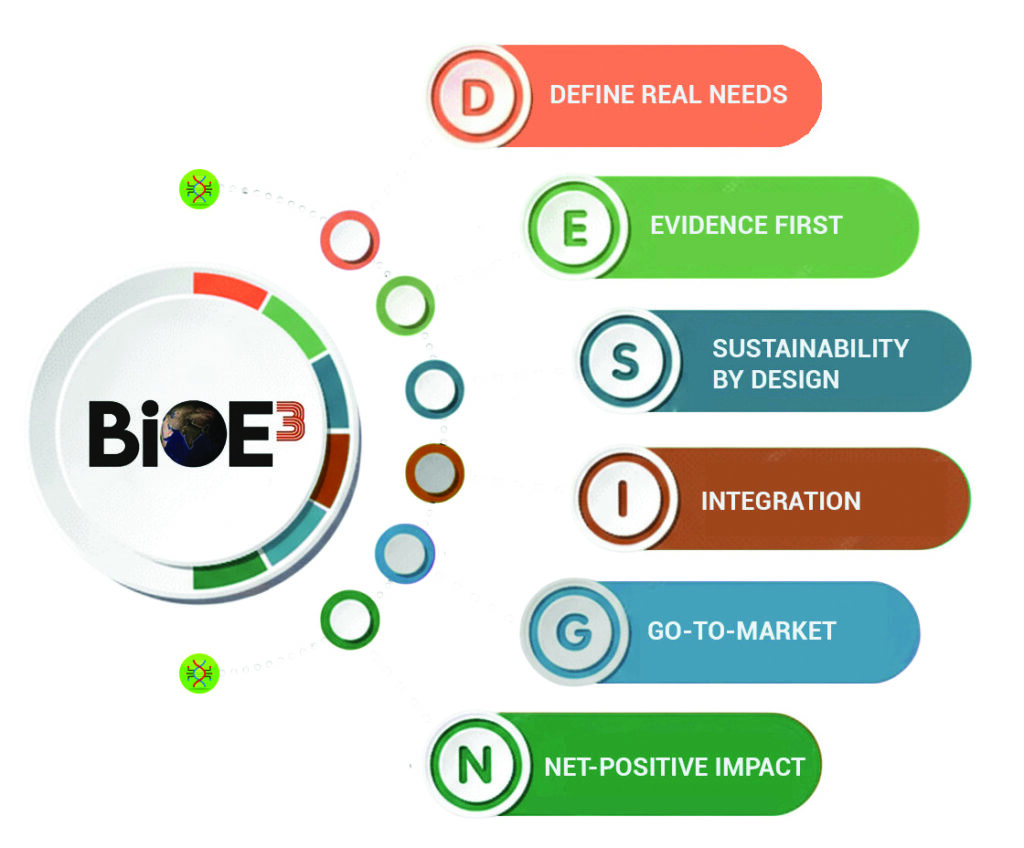
India enters this new era from a position of growing confidence. It possesses one of the world’s largest pools of scientists, engineers and innovators, a vibrant start-up ecosystem, internationally recognised achievements in space exploration, digital public infrastructure, pharmaceuticals, biotechnology and atomic energy, and a youthful population eager to innovate. Recent initiatives of the Government of India—including the National Education Policy 2020, the Anusandhan National Research Foundation, the National Quantum Mission, the IndiaAI Mission, the India Semiconductor Mission, the BioE3 Policy, reforms in the space sector and measures to improve the ease of doing research—have together created a strong institutional foundation for scientific advancement.
These initiatives deserve appreciation not merely because they establish new programmes, but because they signify a larger transition—from viewing science primarily as a publicly funded academic enterprise to recognising innovation as a dynamic ecosystem linking universities, research laboratories, industry, start-ups, investors and government. The next challenge, therefore, is not to multiply programmes but to integrate them into a coherent long-term national vision.
TOWARDS A NEW SCIENCE, TECHNOLOGY AND INNOVATION POLICY
India’s first generation of science policy, beginning soon after Independence, was rightly devoted to building scientific institutions, creating centres of excellence and nurturing indigenous research capability. Those investments have served the nation remarkably well. Today, however, India stands at a different historical moment. Scientific capability has itself become a strategic national asset.
The next Science, Technology and Innovation (STI) Policy should therefore mark a conceptual transition—from a policy for science to a science policy for the nation. Science should no longer be seen simply as one among many sectors requiring governmental support. Rather, it should become the organising principle that connects education, research, innovation, industry, national security, environmental sustainability and diplomacy into a coherent strategy for Viksit Bharat.
Such a policy should rest upon six mutually reinforcing pillars: scientific excellence, technological sovereignty, inclusive innovation, civilisational confidence, science diplomacy and science for humanity.
Scientific excellence remains the indispensable foundation. India must continue investing in frontier research, advanced laboratories, modern instrumentation and world-class universities. Yet excellence should increasingly be measured not merely by the number of publications or patents but by originality, interdisciplinary research, scientific integrity and the translation of discoveries into technologies that improve lives. The aspiration should gradually evolve from simply ‘Make in India’ towards ‘Discover in India’. Manufacturing can migrate across borders; original discovery creates enduring national advantage.
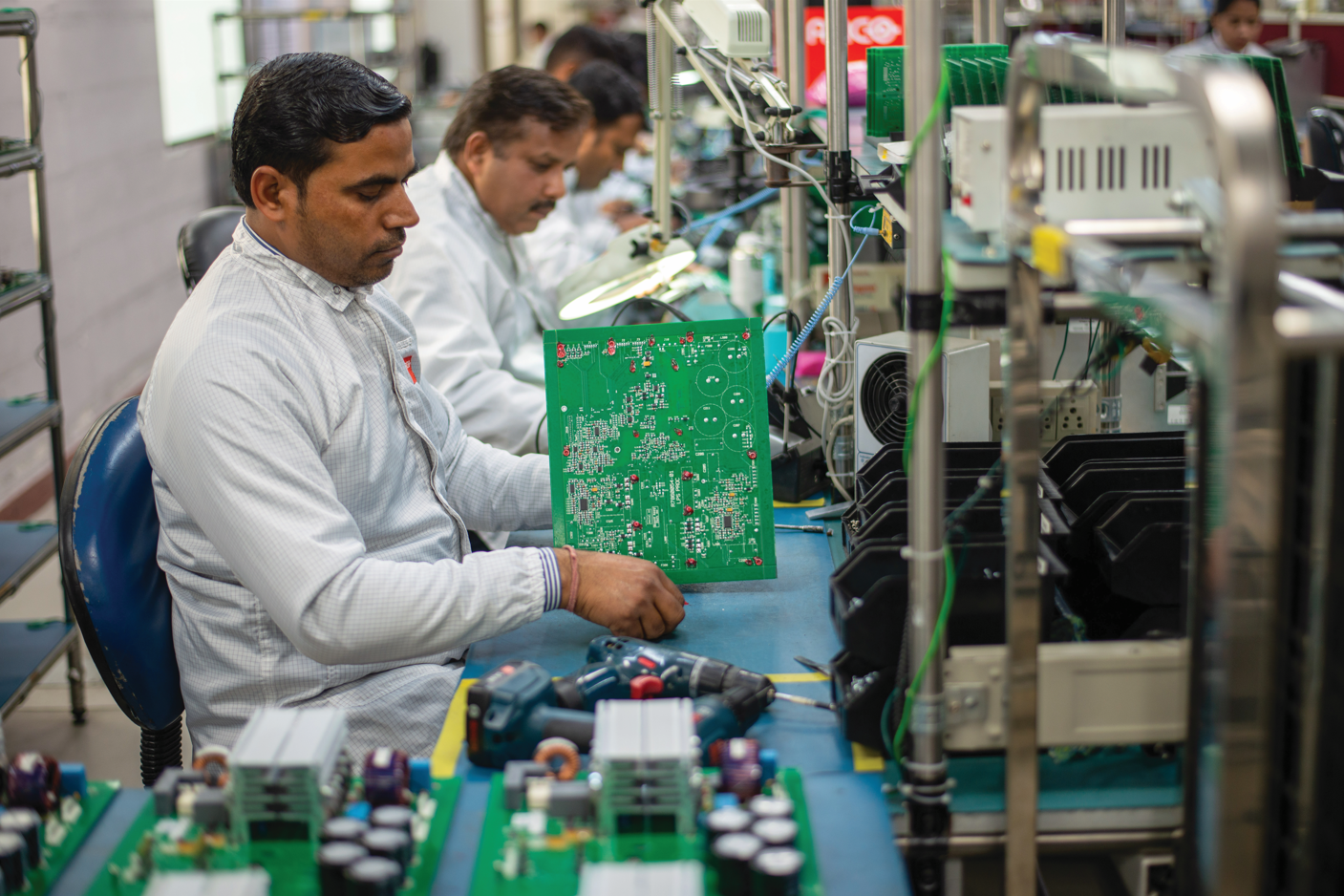
Technological sovereignty constitutes the second pillar. Recent global disruptions have highlighted the strategic importance of semiconductors, critical minerals, cyber technologies, quantum computing, biotechnology and Artificial Intelligence. India must strengthen domestic capabilities in these frontier technologies while remaining deeply engaged with international scientific collaboration. Self-reliance should not imply scientific isolation; rather, it should enable India to collaborate globally from a position of confidence and capability.
Innovation must also become increasingly mission-oriented. Scientific research should be aligned with India’s grand developmental priorities—healthcare, clean energy, water security, sustainable agriculture, climate resilience, disaster management, urbanisation and affordable technologies. India’s own experience demonstrates the transformative power of clearly defined national missions. The achievements of the space programme, indigenous vaccine development, digital public infrastructure and renewable energy illustrate how coordinated efforts by government, academia and industry can convert scientific capability into societal benefit. Similar mission-driven approaches are now required in emerging technologies, particularly Artificial Intelligence.
AI deserves special attention because it is becoming a foundational technology influencing almost every aspect of human activity. India should aspire not merely to become one of the world’s largest users of AI but one of its most trusted innovators. Indigenous large language models, multilingual AI, AI-enabled healthcare, precision agriculture, intelligent public administration and educational technologies offer opportunities to address India’s developmental priorities while simultaneously contributing globally relevant solutions. At the same time, India should actively participate in shaping international norms relating to AI ethics, transparency, safety and governance. Countries that help frame these standards will exercise lasting influence over the technologies of the future.
SCIENCE BEYOND THE LABORATORY
A Bharat-centric STI policy must also recognise that science flourishes only when it becomes a societal enterprise rather than remaining confined to laboratories. Universities should evolve from teaching institutions into comprehensive innovation ecosystems integrating education, frontier research, entrepreneurship, technology incubation and international collaboration. Greater mobility between academia, industry and research laboratories should be encouraged so that ideas move seamlessly from discovery to application.
Public investment in research will remain indispensable, but it must increasingly be complemented by stronger participation from industry, philanthropy and venture capital. Equally important are institutional autonomy, simplified regulatory procedures and a research culture that rewards originality, risk-taking and interdisciplinary collaboration. Scientific excellence ultimately depends as much on intellectual freedom as on financial support.
A Bharat-centric policy should also draw confidence from India’s own civilisational heritage while remaining firmly anchored in scientific rigour. India possesses a rich repository of traditional knowledge in medicine, agriculture, metallurgy, architecture, ecology and water management. Such knowledge should neither be romanticised nor dismissed. It deserves rigorous scientific validation so that practices supported by evidence can enrich contemporary science and contribute to global knowledge. Likewise, wider use of Indian languages in scientific communication, education and public outreach can democratise science and inspire broader participation, particularly among young people and rural communities.
The objective should be to create not merely a research ecosystem but a scientific culture—one that nurtures curiosity from the school classroom to the university laboratory, encourages women scientists and grassroots innovators, and enables every region of the country to participate meaningfully in knowledge creation.
SCIENCE, DIPLOMACY AND GLOBAL LEADERSHIP
Perhaps the most profound implication of a strengthened scientific ecosystem lies beyond India’s borders.
Science has become one of the defining instruments of international engagement. Research collaboration, technology partnerships, digital standards, climate innovation, vaccine development, semiconductor supply chains, quantum research and space exploration increasingly shape relationships among nations. In the decades ahead, scientific capability will influence diplomacy as profoundly as trade or defence.
India already enjoys considerable international goodwill through its affordable pharmaceutical industry, vaccine partnerships, digital public infrastructure and peaceful space programme. It has demonstrated that scientific and technological capabilities can be deployed as global public goods rather than instruments of exclusivity. During the pandemic, India’s vaccine outreach strengthened international confidence. Its Digital Public Infrastructure architecture—including digital identity, payments and public service platforms—is today attracting interest from countries across Asia, Africa and Latin America as a scalable and affordable model for inclusive development.
Equally significant has been India’s capacity for institution-building. The International Solar Alliance has transformed clean-energy cooperation into a global movement, bringing together countries committed to expanding solar energy, particularly across the developing world. The Coalition for Disaster Resilient Infrastructure has similarly established India as a leader in applying science, engineering and technology to one of humanity’s most pressing challenges. Space-based applications for agriculture, weather forecasting, navigation and disaster management have further demonstrated how advanced technologies can be directed towards sustainable development and international cooperation.

These initiatives point towards a larger opportunity. India should increasingly position itself as a trusted scientific partner for the Global South while simultaneously deepening collaboration with the world’s leading scientific powers. Affordable healthcare technologies, clean energy, climate adaptation, digital governance, satellite applications, biotechnology and capacity-building offer enormous opportunities for mutually beneficial partnerships. Science thus becomes not merely a source of national strength but also an expression of responsible global leadership.
This naturally leads to the concept of Science Diplomacy—the use of scientific cooperation to strengthen international partnerships and address shared global challenges. Yet an equally important, though less discussed, dimension deserves greater attention: Diplomacy for Science.
India’s diplomatic engagement should actively advance the country’s scientific and technological capabilities. Diplomatic missions can facilitate frontier research collaborations, negotiate technology partnerships, secure access to advanced laboratories and critical research infrastructure, strengthen cooperation in critical minerals and emerging technologies, attract global scientific talent, and support Indian universities, start-ups and research institutions in building international networks. In an increasingly competitive technological world, diplomacy must serve not only foreign policy but also scientific advancement. Science for diplomacy and diplomacy for science should become complementary pillars of India’s external engagement.
India must also participate more actively in shaping the international rules that will govern emerging technologies. Artificial Intelligence, quantum computing, biotechnology, cyber security, outer space and digital governance are generating profound ethical, legal and strategic questions. Nations that contribute to framing these global norms will exercise influence extending far beyond their immediate technological capabilities. India’s democratic traditions, technological strengths and long-standing commitment to equitable development uniquely position it to make constructive contributions to this evolving international architecture.
CONCLUSION: SCIENCE IN THE SERVICE OF BHARAT AND HUMANITY
Every historical era derives its strength from a defining source of power. During the industrial age it was manufacturing. During the information age it was computing and connectivity. The coming decades are likely to be defined by scientific imagination, technological innovation and the ability to translate knowledge into human progress.
India enters this new era with exceptional advantages—a youthful population, expanding research capabilities, entrepreneurial dynamism, internationally respected scientific institutions, rich civilisational traditions of inquiry and an increasingly confident global presence. The challenge before the nation is not merely to produce more research or establish more laboratories. It is to weave these strengths into a coherent national strategy.
The next Science, Technology and Innovation Policy should therefore aspire to become far more than a framework for supporting research. It should articulate a national vision in which science becomes the connecting thread between education and industry, innovation and inclusion, economic prosperity and environmental sustainability, strategic autonomy and international cooperation. In doing so, it would elevate science from a sectoral concern to a foundational element of national development and statecraft.
India’s civilisational tradition has long regarded knowledge not simply as an instrument of power but as a means of advancing human welfare. A truly Bharat-centric STI policy should reflect that enduring philosophy. It should combine scientific excellence with ethical responsibility, technological leadership with social inclusion, and national ambition with a commitment to the global common good.
Such a policy would not merely help realise the aspiration of Viksit Bharat. It would enable India to emerge as one of the principal architects of a scientific and technological future that is innovative, inclusive, sustainable and profoundly human.
* The writer, a Harvard educated civil servant, is a former Secretary, Ministry of Information & Broadcasting, Government of India. He also served on the Central Administrative Tribunal and as Secretary General of ASSOCHAM. He commands extensive expertise in the fields including Media and Information, Industrial and Labour Reforms, and Public Policy.