

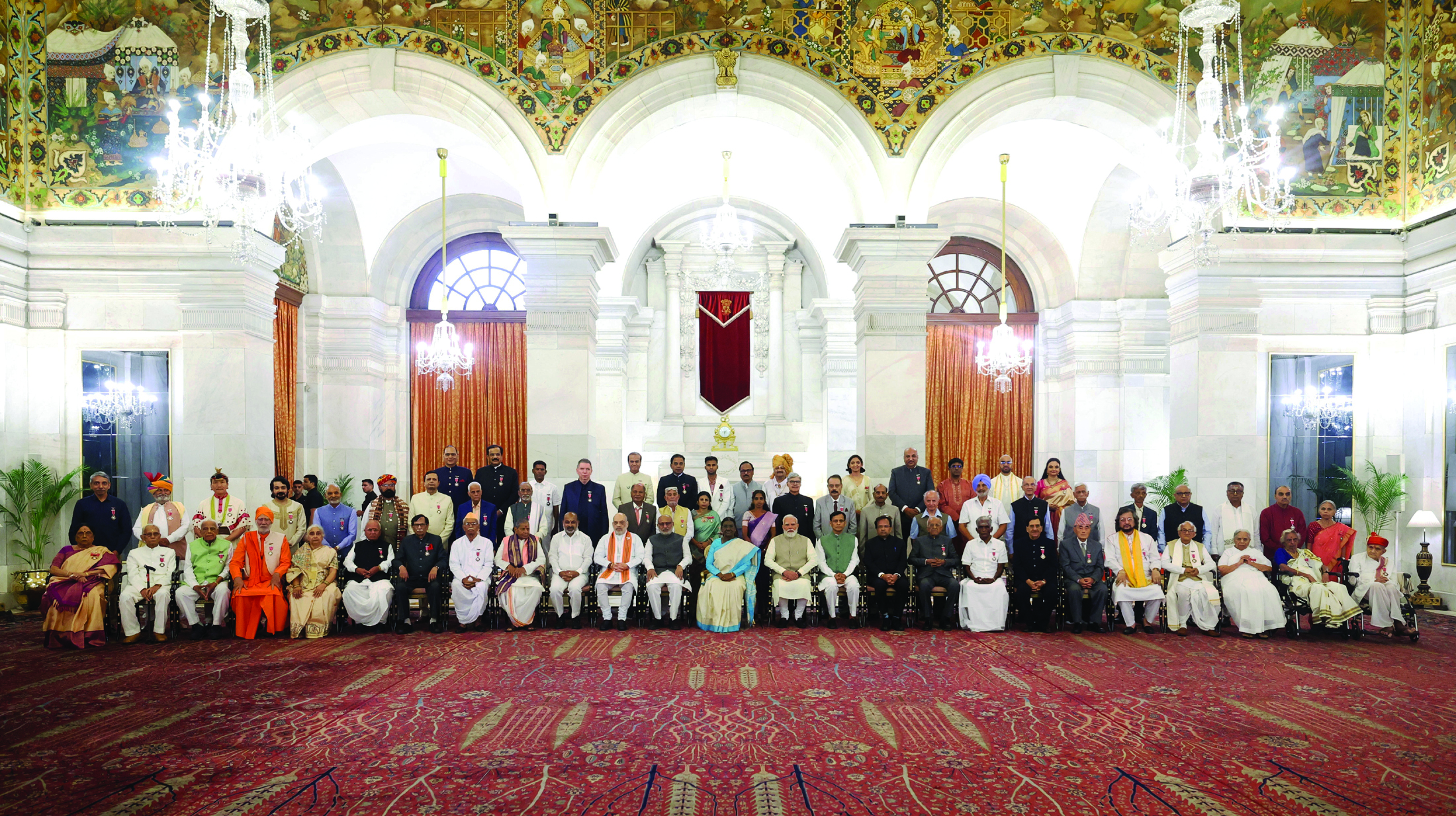
Image Courtesy: PIB
PADMA AWARDS 2026
The Padma Awards 2026 have brought national recognition to a remarkable group of scientists, doctors, agricultural experts and archaeologists whose work has quietly transformed India over decades. While public attention often focuses on celebrities and political figures, this year’s Padma honours underline the role played by researchers, medical professionals, engineers and heritage scholars in shaping the nation’s future.
From pioneering India’s rocket propulsion programme and decoding the genetic history of Indians to advancing cancer treatment, improving rural healthcare, strengthening agriculture and preserving civilisational heritage, these awardees represent the intellectual strength of India.
SCIENTISTS WHO STRENGTHENED INDIA’S TECHNOLOGICAL FUTURE
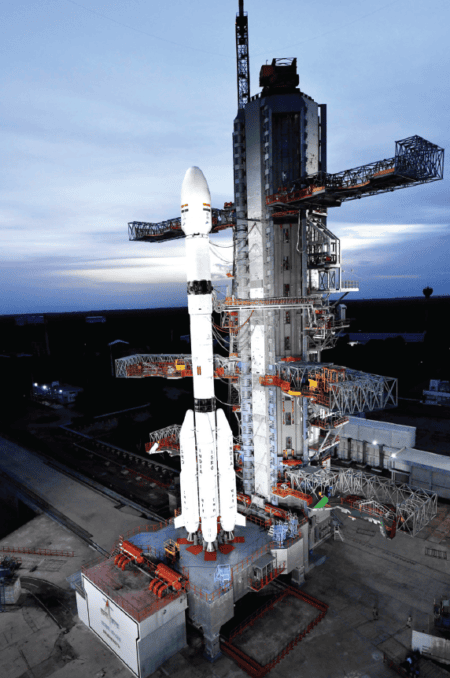
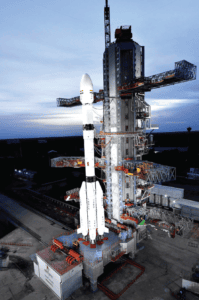
One of the most celebrated names in this year’s Padma awards list is that of A E Muthunayagam (born 11 January 1939), who has been conferred with the Padma Shri. Often described as one of the architects of India’s space programme, Muthunayagam played a crucial role in developing India’s liquid propulsion technology and was instrumental in the creation of the Vikas engine that powers major ISRO launch vehicles including PSLV and GSLV. He is widely regarded as a pioneer of India’s liquid rocket propulsion programme.
Renowned Plant Geneticist Dr Ashok Kumar Singh (born 1 July 1962), popularly known as Basmati King for his contribution to Basmati rice breeding, also received the Padma Shri this year. He is the former director of ICAR-IARI (Indian Council of Agricultural Research-Indian Agricultural Research Institute).
Chandramouli Gaddamanugu has also been conferred with the Padma Shri. Former distinguished scientist with the DRDO (Defence Research and Development Organisation), Gaddamanugu is widely recognized as the visionary architect and former Programme Director behind India’s indigenous Akash surface-to-air missile.
Renowned agricultural scientist, Gopal Ji Trivedi, who passed away on 12 May 2026 at the age of 96 in Patna, just days before the conferment of the awards, was honoured with the Padma Shri posthumously for his contributions to agricultural science. Former Vice Chancellor of Rajendra Prasad Central Agricultural University, Pusa, he will be remembered for his pioneering role in making Muzaffarpur the litchi hub of India.
Prof Juzer Vasi, currently professor emeritus at the Indian Institute of Technology Bombay (of which he is also an alumnus), has also been conferred with the Padma Shri for his four decades of contribution to microelectronics and photovoltaics. He was instrumental in setting up the National Centre for Photovoltaic Research and Education (NCPRE) at IITB, to coincide with the launch of India’s National Solar Mission.
Prof K Ramasamy (born 1 May 1948), former Vice Chancellor of the Tamil Nadu Agricultural University, Coimbatore, has also been honoured with the Padma Shri. Prof Ramasamy played a key role in modernising agricultural education in Tamil Nadu and has served on various national-level committees of the Indian Council of Agricultural Research (ICAR) and the University Grants Commission (UGC).
One of India’s leading chemists, Krishnamurty Balasubramanian, has made major contributions to molecular science and computational chemistry. His research has helped advance India’s scientific capabilities in chemical sciences. He is currently the Director of Nonferrous Materials Technology Development Centre, Hyderabad.
Globally renowned geneticist Kumarasamy Thangaraj has been honoured for his pioneering research in population genetics. Working at the Centre for Cellular and Molecular Biology (CCMB), Hyderabad, he helped uncover the genetic history of Indian populations, conducted landmark studies on Andaman tribes and contributed significantly to understanding human migration patterns and genetic diseases in India.
Agricultural scientist Prem Lal Gautam (born 12 December 1947) has received the Padma Shri for his contribution to agricultural innovation. His work has focused on improving agricultural productivity and introducing scientific methods for farmers. He is currently the chancellor of Dr Rajendra Prasad Central Agricultural University, Pusa, Bihar.
Dr Shubha Venkatesha Iyengar, known for developing Drishti, India’s first indigenously designed runway visibility measuring system, has been recognised for her contribution to aerospace and engineering research; she has also contributed to the development of Aviation Weather Monitoring System. She is a former scientist with the National Aerospace Laboratory (NAL).
Another major name is that of Veezhinathan Kamakoti, Director of IIT Madras. Under his leadership, IIT Madras emerged as one of India’s most important centres for technological innovation, research and entrepreneurship. His contribution to computer science, engineering education and indigenous technology development has earned him national recognition.
Yet another agricultural scientist to be conferred with the Padma Shri is Jogesh Deuri from Assam, a sericulturist who is known for his contributions to the development and promotion of Eri silk and other indigenous silks of Assam. Through years of work among farming communities, he helped improve agricultural practices and rural livelihoods.
The late Raghupat Singh, honoured posthumously, was a farmer and an agricultural innovator for Uttar Pradesh’s Moradabad district. He has been recognised for his contributions to conserving and resuscitating nearly 100 endangered and extinct varieties of crops and seeds.
Shrirang Devaba Lad, farmer-activist from Maharashtra, has been recognised for his pioneering contributions to sustainable agriculture and livestock conservation.
PRESERVING INDIA’S ANCIENT HERITAGE
The field of archaeology received special attention this year with two major Padma Shri awardees.
Dr Buddha Rashmi Mani (born 17 April 1955) is among India’s most respected archaeologists. A former senior Archaeological Survey of India official and later Director General of the National Museum, he directed excavations at more than twenty major archaeological sites. He is particularly known for leading the ASI excavation at Ayodhya and for his contribution to heritage conservation and archaeological scholarship.
Senior archaeologist from Ujjain, Dr Narayan Vyas has also been conferred with the Padma Shri. Associated with the legacy of renowned archaeologist Vishnu Shridhar Wakankar, Vyas has worked extensively on rock art, ancient Indian sites and archaeological preservation. His research contributed significantly to understanding India’s civilisational past.
CELEBRATING KNOWLEDGE AND SERVICE
The Padma Awards 2026 recognise far more than individual achievement. They celebrate decades of dedication to science, medicine, agriculture, technology and heritage conservation. Each awardee represents a chapter in India’s journey towards becoming a knowledge-driven nation. Together, these Padma awardees embody the spirit of research, innovation, public service and civilisational continuity. Their work may have been carried out far from the spotlight, but its impact has reached millions of lives and strengthened the foundations of modern India.