



Image Courtesy: NASA
In a bold reimagining of humanity’s future beyond Earth, NASA has unveiled an ambitious roadmap that goes far beyond symbolic space missions. With plans to build a $20 billion lunar base and develop the first nuclear-powered interplanetary spacecraft, the agency is pushing the boundaries of what was once considered impossible.
NASA’s latest roadmap for space exploration marks a dramatic shift from symbolic missions to long-term human presence beyond Earth. With plans that include a $20 billion lunar base and the world’s first nuclear-powered interplanetary spacecraft, the United States space agency is attempting what many experts describe as “near-impossible” but potentially transformative for humanity’s future in space.
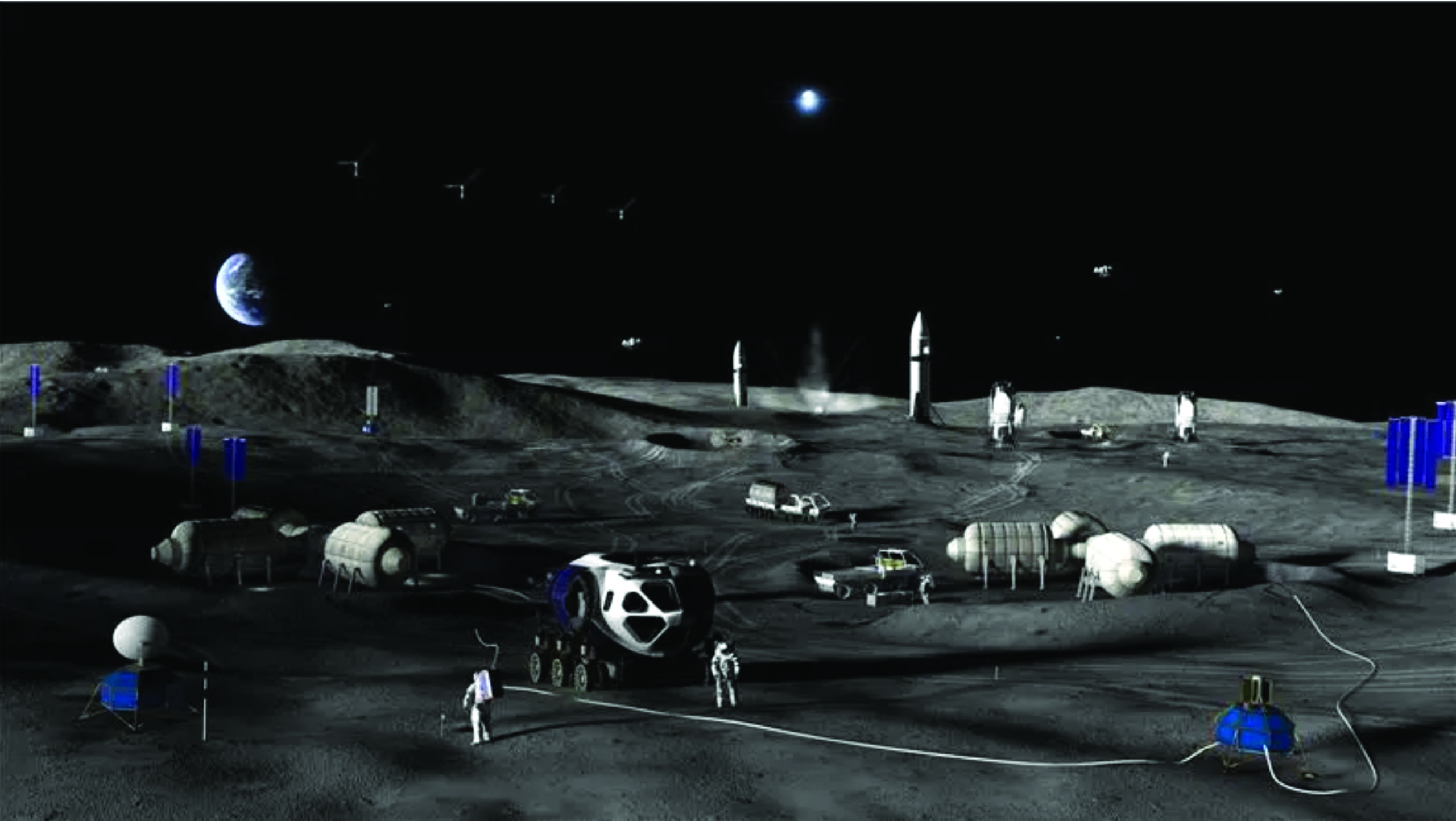
At the heart of this vision lies the Artemis programme, which aims not just to return humans to the Moon, but to establish a sustained presence there. The proposed lunar base, expected to be developed in phases, is designed to support long-duration missions, scientific research, and eventually act as a launchpad for deeper space exploration.
Unlike earlier missions such as Apollo, which focused on short-term exploration, NASA’s new approach is about permanence. The Moon is being reimagined as a strategic outpost, a place where astronauts can live, work, and prepare for journeys to Mars and beyond.
A major change in strategy is NASA’s decision to scrap the planned Lunar Gateway, an orbiting space station around the Moon and instead invest directly in surface infrastructure. This includes habitats, robotic systems, and advanced logistics networks.
Powering such a base, however, presents a major challenge. The Moon experiences extreme temperature swings and long nights lasting nearly two weeks. To overcome this, NASA is developing nuclear fission reactors that can provide continuous, reliable energy regardless of sunlight. These reactors are expected to operate for years without refuelling, making them crucial for sustaining human life on the lunar surface.
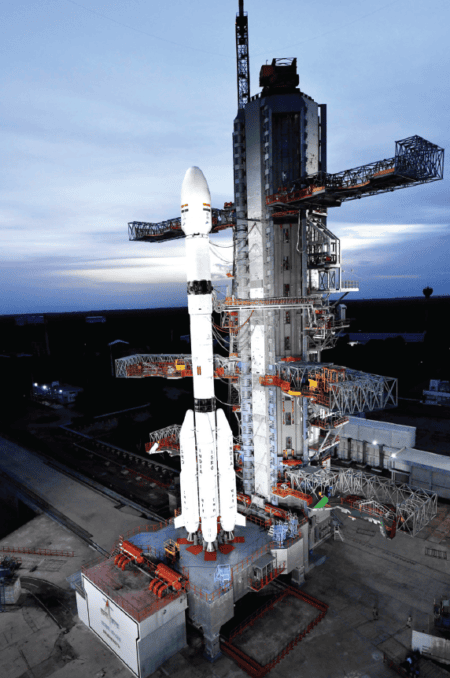
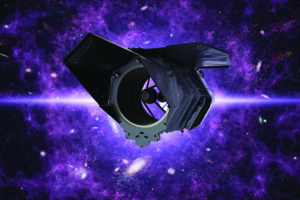
Parallel to the Moon base initiative is another bold step: the development of a nuclear-powered spacecraft. Planned for launch as early as 2028, this spacecraft will use nuclear propulsion technology to travel faster and more efficiently than conventional chemical rockets.
This advancement could significantly reduce travel time to Mars, making human missions to the Red Planet more feasible. It also signals a broader shift toward nuclear technology as a cornerstone of deep space exploration, from powering lunar bases to enabling interplanetary travel.
The urgency behind these ambitious plans is not purely scientific. There is also a geopolitical dimension. With countries like China aiming for lunar missions by 2030, NASA’s accelerated roadmap reflects a growing space race. Establishing a permanent presence on the Moon is seen not only as a technological achievement but also as a strategic necessity.
At the same time, NASA is increasingly relying on partnerships with private companies such as SpaceX and Blue Origin. These collaborations are expected to play a key role in building infrastructure, transporting astronauts, and reducing costs over time.
Despite the optimism, challenges remain significant. Budget constraints, technological hurdles, and delays in spacecraft development could impact timelines. Experts also note that commercial viability of lunar activities is still uncertain and heavily dependent on government funding.
Yet, the broader vision is clear. NASA is no longer just aiming to explore space, it is attempting to extend human civilisation beyond Earth. The Moon base will serve as both a laboratory and a stepping stone, while nuclear propulsion could unlock faster and more sustainable interplanetary travel.
If successful, these initiatives could mark the beginning of a new era, one where humanity is no longer confined to a single planet, but becomes a truly spacefaring civilisation.
*Curated from NASA website and various published news sources.