



The night sky has fascinated humanity since ancient times. Long before the invention of telescopes, people observed the stars and used them for navigation, farming, and timekeeping. On a clear night, thousands of stars can be seen scattered across the celestial sphere, forming recognizable patterns known as constellations. Among these countless stars, the Sun is the closest and the most familiar example, providing the energy necessary for life on Earth. Beyond the Sun, there exist many remarkable stars such as Sirius, Alpha Centauri, Vega, and Betelgeuse, each representing distinct stages of stellar evolution.
Stars are not isolated objects. Within massive systems such as galaxies, they are packed together. In addition to billions of stars, a galaxy is made up of compact objects, gas, dust, and dark matter that are all held together by gravity. Our Milky Way Galaxy alone contains hundreds of billions of stars and hosts a supermassive black hole at its center. These stars are essential components of galaxies and have a crucial role in how the universe is shaped. Moreover, stars are cosmic factories. They create the majority of chemical elements present in nature through nuclear fusion. Carbon, oxygen, silicon, iron, and other elements that are necessary for planets and life were created inside stars and released into space when those stars died. Every atom in our body was once a component of a star, in a very real sense.
Thus, understanding the formation, development, and eventual death of stars is crucial to comprehending the evolution of galaxies and the cosmos at large. Stars are born, live, and eventually die, despite their seeming endless nature on human timelines. One characteristic that mostly determines their ultimate fate is mass. While some stars explode violently and leave behind neutron stars or black holes, others gently die as white dwarfs. These compact relics continue to test our knowledge of physics and are among the most extreme objects in nature.
THE BIRTH OF STARS: STELLAR NURSERIES
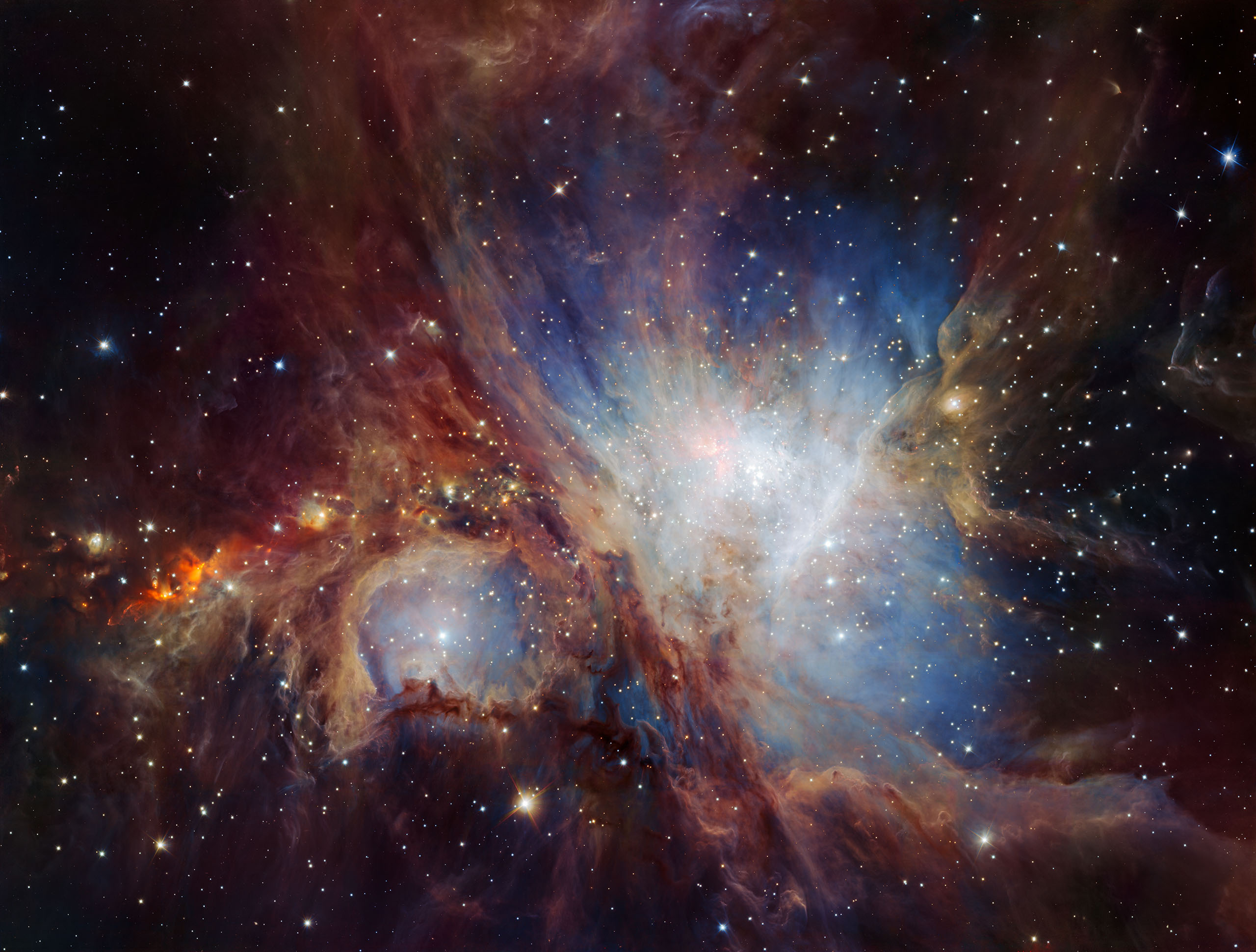
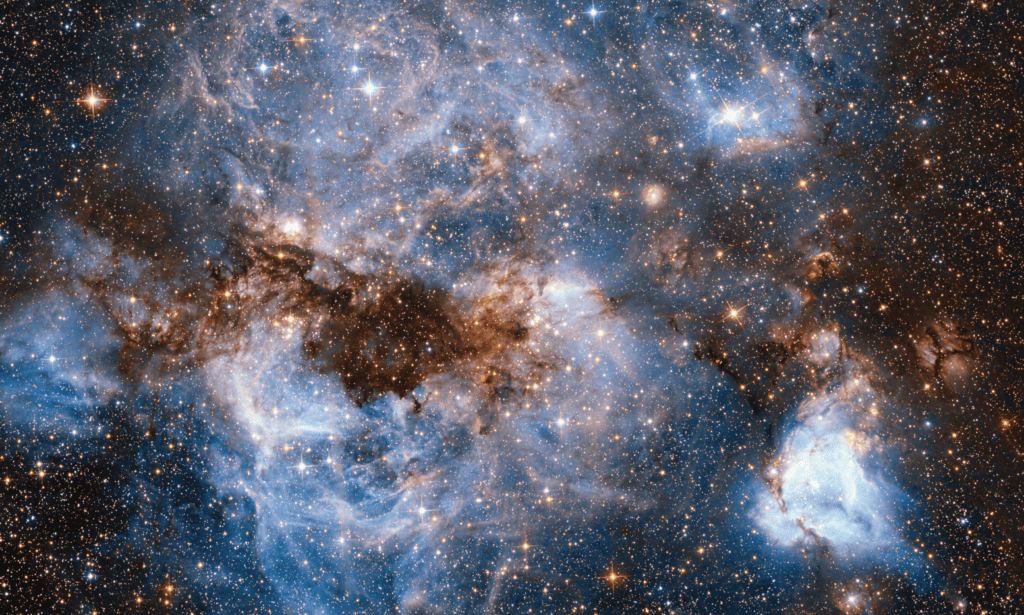
The story of every star begins within vast clouds of gas and dust known as nebulae, often referred to as stellar nurseries. The most common and basic element in the universe, hydrogen, makes up the majority of these massive clouds. Some molecular clouds extend across hundreds of light years and contain enough material to form thousands of stars. Star formation begins when a region within a molecular cloud becomes unstable and starts collapsing under its own gravity. A nearby supernova explosion’s shock wave, cloud collisions, or gravitational instabilities within a galaxy are some of the possible causes of this collapse. As the cloud contracts, gravitational potential energy is converted into heat, causing the central region to become increasingly dense and hot. During this stage, a young stellar object known as a protostar forms. The protostar continues to gather material from the surrounding cloud through accretion. Around many protostars, rotating disks of gas and dust are developed. These protoplanetary disks may eventually give rise to planets, moons, asteroids, and comets.
As more material accumulates, the temperature and pressure within the core rise dramatically. When the core temperature reaches roughly 10 million Kelvin, continuous hydrogen fusion starts in the core, resulting the birth of a main-sequence star. This process releases enormous amounts of energy and marks the birth of a star. When the outward pressure produced by nuclear fusion balances the inward pull of gravity, the newly formed star enters a stable phase. This equilibrium is known as hydrostatic equilibrium.
Clusters of stars are created when numerous stars are born in the same nebula. Astronomers may learn a great deal about the early phases of stellar evolution from regions like the Eagle Nebula and the Orion Nebula, which offer clear proof of continuous star creation. But not every star takes the same course after it is produced. The amount of mass they gain at birth has a significant impact on how they evolve in the future.
STELLAR MASS AND DESTINY
Despite having identical birth procedures, stars’ subsequent evolution is largely determined by one basic characteristic, which is mass. The amount of matter accumulated during a star’s formation determines its temperature, luminosity, lifetime, and ultimate fate. In essence, stellar mass acts as the master parameter governing every stage of stellar evolution. A star enters the main-sequence phase, the longest and the most stable stage of its life, after hydrogen fusion starts. During this stage, energy generated in the core balances the force of gravity. However, stars of different masses consume their nuclear fuel at very different rates.
Low-mass stars burn hydrogen slowly and have relatively cool cores. It is estimated that the lowest-mass red dwarf stars will endure for trillions of years, which is much longer than the universe’s current age. Massive stars, on the other hand, have considerably hotter cores where fusion events happen much more quickly. Although they contain more fuel, they consume it so rapidly that their lifetimes are significantly shorter. A star ten times more massive than the Sun may live for only a few tens of millions of years. The Hertzsprung-Russell diagram is frequently used by astronomers to examine the connection between stellar temperature and luminosity. This diagram reveals that stellar mass largely determines a star’s position and evolutionary track. More massive stars are generally hotter, brighter, and shorter-lived, while lower-mass stars are cooler, dimmer, and longer-lived.
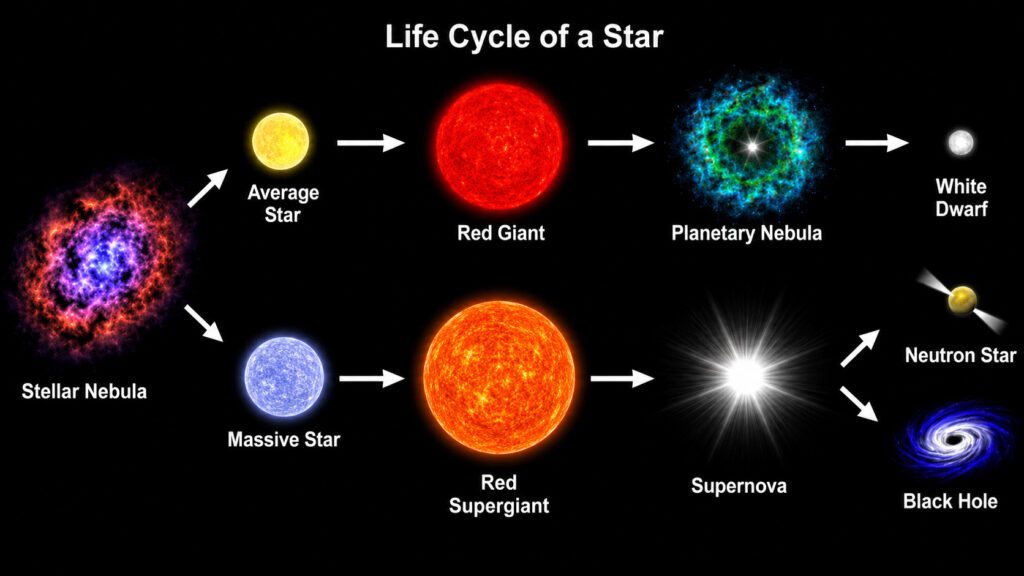
Image Courtesy: NASA
Eventually, hydrogen in the stellar core becomes depleted. As fusion slows, gravity causes the core to contract while the outer layers expand. The evolutionary trajectories of high-mass and low-mass stars diverge significantly at this stage. Similar-mass stars become red giants before turning into white dwarfs. Stars with masses similar to the Sun evolve into red giants and eventually become white dwarfs. Massive stars continue fusing heavier elements and ultimately undergo catastrophic collapse. Thus, from birth to death, the destiny of every star is governed by its mass.
FATE OF LOW-MASS STARS: WHITE DWARFS
Stars that are similar to or smaller than the Sun undergo a comparatively slow and gradual development. After spending billions of years on the main sequence, the hydrogen fuel in their cores becomes exhausted. Without sufficient energy production to counter gravity, the core contracts and heats up, while the outer layers expand dramatically. The star becomes a red giant. During the red giant phase, hydrogen fusion continues in a shell surrounding the core. As temperatures increase further, helium fusion begins, producing carbon and oxygen. The star can produce energy at this stage for a brief amount of time until its nuclear fuel runs out.
As the star grows, its outer layers become unstable and are gradually ejected into space. These expelled layers form a colorful and bright structure known as a planetary nebula. Despite the name, planetary nebulae have no connection with planets. The term originated because early astronomers believed these objects resembled planetary disks when viewed through small telescopes. The remaining central core contracts into a white dwarf, an exceptionally dense stellar remnant of about the size of Earth but with a mass comparable to the Sun. Ordinary white dwarfs no longer continue nuclear fusion and gradually cool by releasing their stored thermal energy.
Electron degeneracy pressure, a quantum mechanical phenomenon resulting from the Pauli Exclusion Principle, prevents white dwarfs from collapsing due to gravity. Nevertheless, its assistance is limited. Subrahmanyan Chandrasekhar, an Indian American astrophysicist, proved that if a white dwarf’s mass surpasses about 1.4 times that of the Sun, it cannot be stable. The Chandrasekhar Mass Limit (MCh≈1.4M⊙) is the highest mass that electron degeneracy pressure can sustain. One of the most significant findings in star astrophysics, this limit was determined by Subrahmanyan Chandrasekhar in 1930. Below this threshold, white dwarfs gradually fade and cool over billions of years. In principle, white dwarfs will eventually cool into black dwarfs, but the universe is not yet old enough for any black dwarfs to exist. The Sun itself is expected to follow this evolutionary path several billion years from now.
FATE OF MASSIVE STARS: SUPERNOVAE, NEUTRON STARS, AND BLACK HOLES
Massive stars experience a far more dramatic fate than their low-mass counterparts. After hydrogen runs out, they can fuse progressively heavier elements because of their massive masses and high core temperatures. The star consumes carbon, neon, oxygen, silicon, and other elements after helium fusion, creating an onion-like structure of concentric shells around the core. An iron core eventually forms in the star’s centre. Iron’s fusion does not release energy, making it an important turning point. Rather, it consumes energy. As a result, the star can no longer sustain itself against gravity through nuclear processes.
As the iron core expands and gets closer to the Chandrasekhar limit, the electron degeneracy pressure is no longer enough to sustain it. In a fraction of a second, gravity takes over and the core collapses catastrophically. Temperatures and densities rise to extremely high values, and electrons combine with protons to form neutrons. The rapid collapse generates an enormous shock wave that propagates outward through the star. One of the universe’s most powerful events, a supernova explosion, is brought on by this shock wave and neutrino-driven processes. An entire galaxy may be briefly overshadowed by a single exploding star.
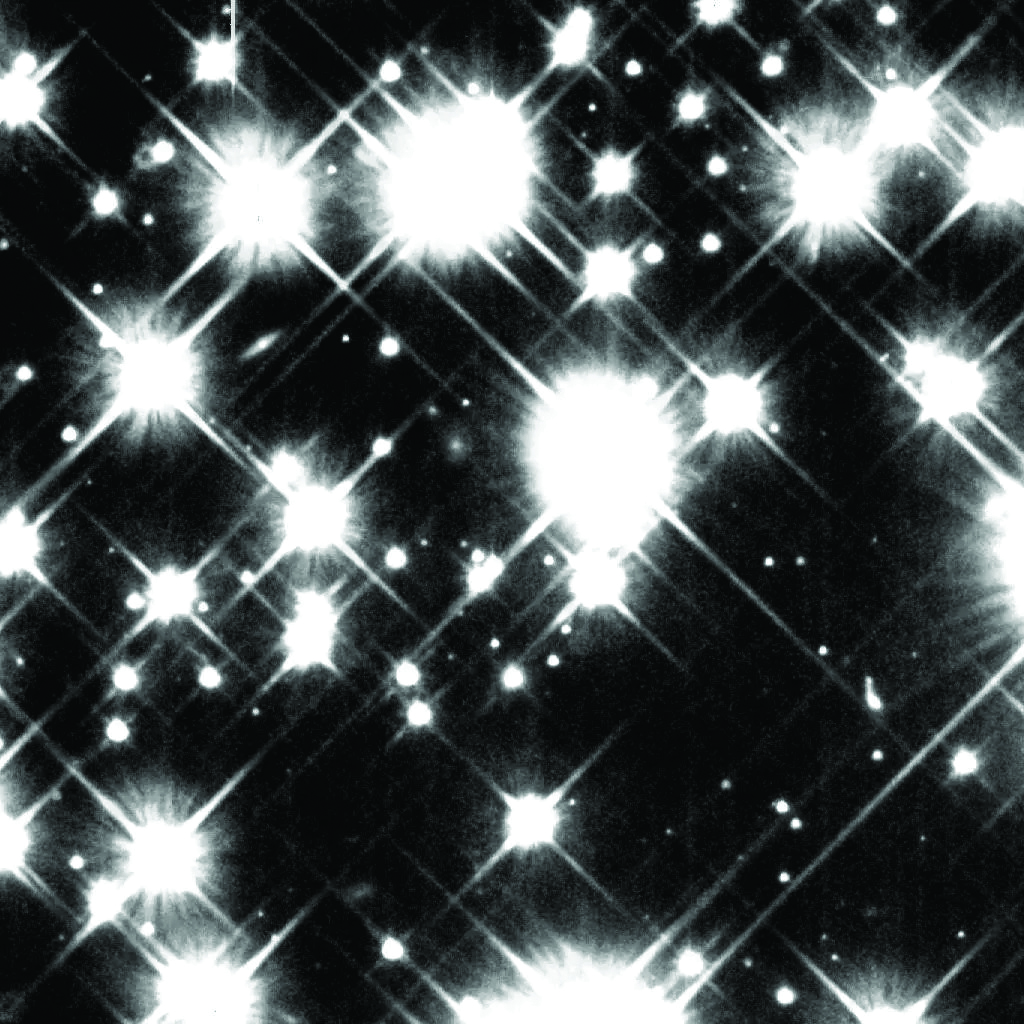
Image Courtesy: NASA
Supernovae are essential to the evolution of the cosmos. They disperse heavy materials into interstellar space, including uranium, silicon, calcium, iron, gold, and oxygen. Later on, these materials are incorporated into new planets, stars, and living things. Many of the ingredients necessary for life would not exist in the absence of supernovae. The mass of the collapsing core determines the final residual. A neutron star is created when neutron degeneracy pressure prevents further collapse if the remaining core is relatively small. These remarkable objects have squeezed into a sphere around the Sun’s mass, that is about 20 to 25 kilometers across. Certain neutron stars are known as pulsars because they release radiation beams.
Gravity overcomes all known forces if the core mass is greater than the greatest mass that neutron degeneracy pressure can sustain. The collapse keeps going until a black hole is created. Nothing, not even light, can escape a black hole once it exceeds the event horizon due to its extreme gravity. Black holes represent the most extreme endpoint of stellar evolution and continue to be among the most fascinating objects in modern astrophysics.
COMPACT OBJECTS AND THEIR COSMIC IMPORTANCE
White dwarfs, neutron stars, and black holes are collectively known as compact objects. Despite their relatively small sizes, they exert profound influence on their surroundings and provide laboratories for studying physics under extreme conditions. In binary systems, where mass is transported from a companion star, there are several compact objects. This material produces powerful X-ray radiation as it falls toward the compact object, forming an accretion disk and getting very hot. These systems are among the brightest X-ray sources in the sky and are referred to as X-ray binaries.
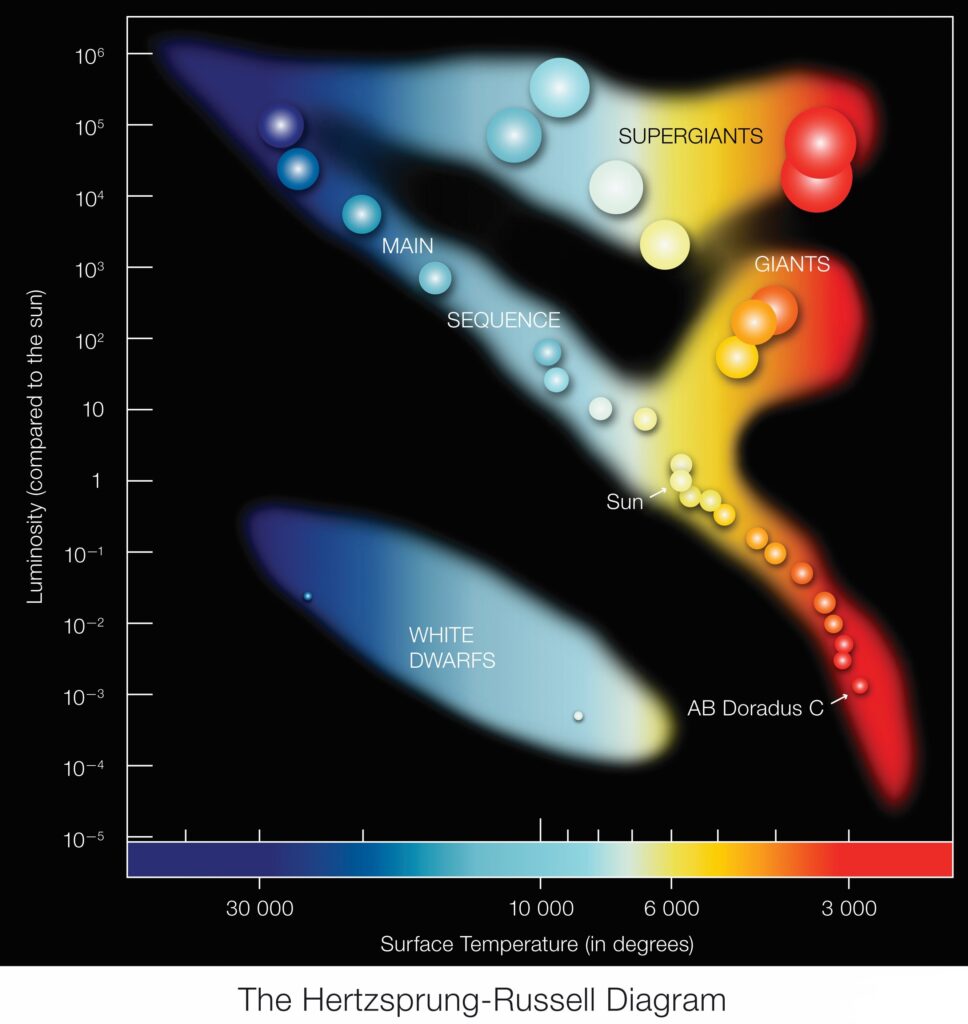
Image Courtesy: ResearchGate
The discovery of gravitational waves has also ushered in a new era of astronomy thanks to neutron stars and black holes. According to Einstein’s General Relativity theory, ripples in spacetime are produced when two compact objects orbit one another and ultimately combine. The detection of these waves has directly demonstrated the existence of neutron star mergers and black holes. Compact objects have an impact on galaxy evolution as well. The interstellar medium is enriched with heavy elements by supernova remnants, and star formation and galaxy development are controlled by supermassive black holes at galactic centers. We are still learning more about gravity, matter, and spacetime thanks to observations of black hole shadows and high-energy jets. Thus, the study of compact objects connects stellar evolution, nuclear physics, relativity, and cosmology into a unified picture of the universe.
CONCLUSION
One of nature’s most amazing processes is a star’s life cycle. Stars go through an intricate and intriguing development that is mostly controlled by mass, from their birth within stellar nurseries to their eventual transformation into compact relics. All stars come from collapsing gas and dust clouds, but they all have quite different final fates. Low-mass stars go through the red giant and planetary nebula stages before evolving into white dwarfs in a very calm manner. In contrast, massive stars die in dramatic supernova explosions that leave behind black holes or neutron stars. The Chandrasekhar Mass Limit emphasizes the close relationship between quantum mechanics and gravity and acts as a key boundary in defining these results.
Stars do not really die when they pass away. Heavy elements that are eventually incorporated into new stars, planets, and living things are added to the universe by material expelled by dying stars. Thus, a constant cycle of cosmic birth, death, and rebirth is propelled by star evolution. Astronomers can learn more about the formation of elements, the structure of galaxies, the nature of gravity, and the history of the universe itself by examining stars and their relics. Thus, the ultimate destiny of stars is not just the end of stellar life but also an important phase in the universe’s continuous evolution.
*Dr Main Pal is an Assistant Professor at the Department of Physics, Sri Venkateshwara College, Delhi University, and can be reached at mainpal@svc.ac.in. Dr Hemwati Nandan is a Professor of Physics and Director, Research & Development Cell, HNBGU, Srinagar-Garhwal, Uttarakhand, and can be reached at hnandan@associates.iucaa.in. Both the authors also serve as Research Associates under the Associateship Programme of IUCAA, Pune, and they conduct research in diverse areas of astrophysics.