


Author: Dr Biju Dharmapalan


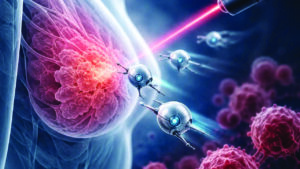
Bioceramics, a distinct subgroup of biomaterials, have significantly transformed the medical industry through their utilisation in surgical implants, prosthetics, and regenerative medicine. These sophisticated materials, made from ceramic compounds, are specifically engineered to interact seamlessly with biological tissues. Bioceramics are derived from ceramics, materials traditionally known for their hardness and resistance to wear. However, unlike their counterparts in pottery or construction, bioceramics are tailored for medical use. These materials include alumina, zirconia, and calcium phosphates like hydroxyapatite, which closely mimic the mineral composition of bone. Bioceramics have become a cornerstone of modern grafting techniques, offering unparalleled biocompatibility, bioactivity, and mechanical…

Innovation in science and technology has helped India transform from a food-begging nation to a food-surplus nation. These innovations centred on the mechanisation of agriculture practices and large-scale usage of chemicals. Though the widely proclaimed Green Revolution has helped increase food production, it has taken away the quality of our produce. It has done tremendous damage to our environment and also to native biodiversity. Our farmers had been cultivating crops for sustenance using traditional practices even before the Green Revolution. Archaeological evidence shows that our ancient civilisations, like the Indus Valley Civilization (around 3300–1300 BCE), practised agriculture, as evidenced by…

The Malabar Botanical Garden & Institute for Plant Sciences (MBGIPS) stands out as the sole botanical garden in the nation capable of effectively conserving aquatic/ wetland plants and lower plant group species, that are fast depleting due to habitat destruction. An institution of the Government of Kerala, MBGIPS is administered by the Kerala State Council for Science Technology and Environment (KSCSTE) and is located at Pokkunnu in the Olavanna Gram Panchayat of Kozhikode district, Kerala, with the coordinates of approximately 11°30′ latitude and 75°50′ longitude. Distinguished by its extensive wetlands, it focuses on the preservation and study of aquatic plant…
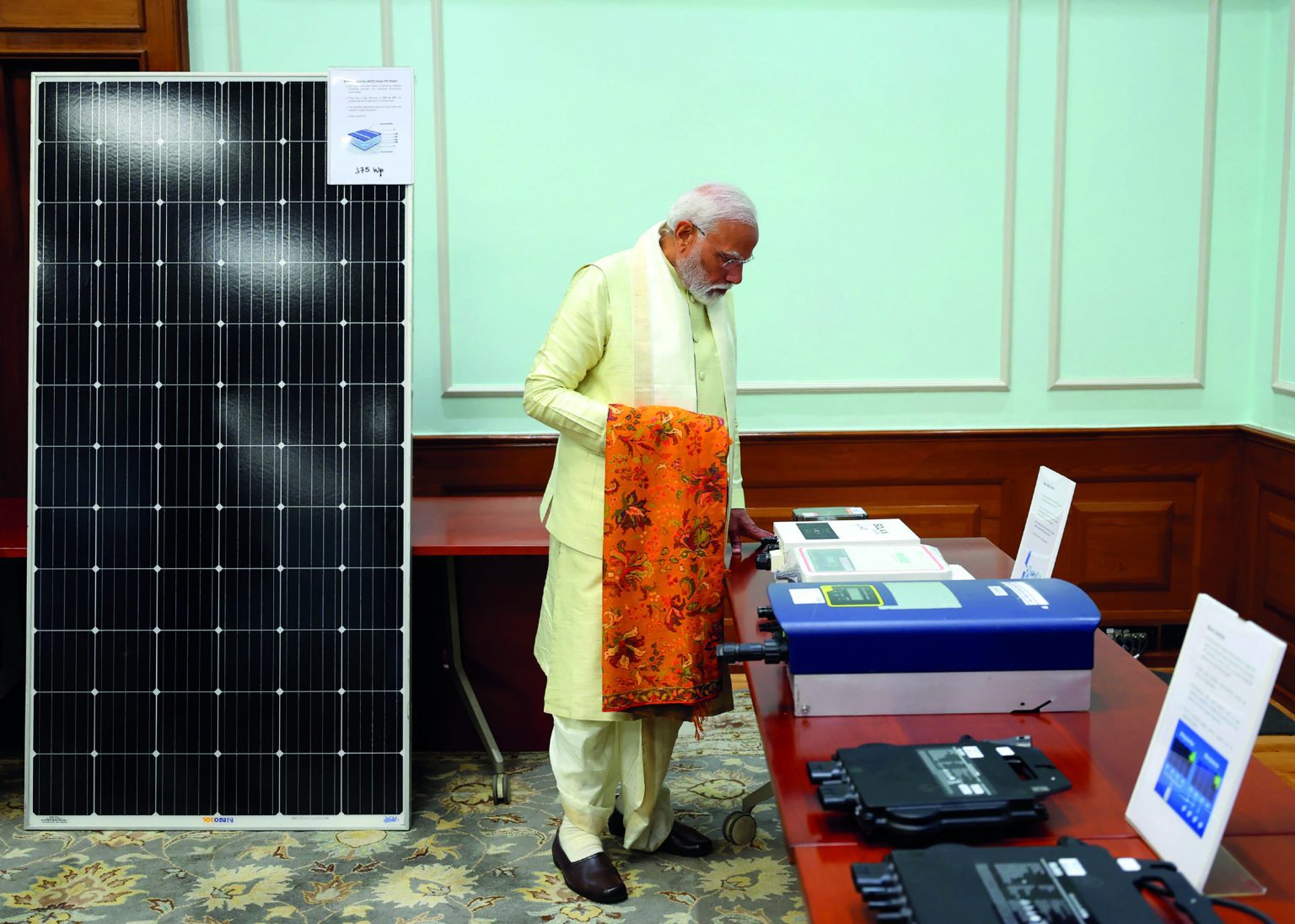
“Solar energy is going to be a major medium of energy needs not only today but in the 21st century. Because solar energy is sure, pure and secure.” – Prime Minister Narendra Modi (2020) Solar energy has once again gained news headlines and public attention with Prime Minister Narendra Modi’s announcement of the ‘Pradhan Mantri Suryodaya Yojana’ soon after the historic consecration at the Ram temple in Ayodhya on 22January 2024. This scheme will bring a landmark change in the country’s energy sector. The mission is to install rooftop solar panels on one crore houses in the country. The PM said the…
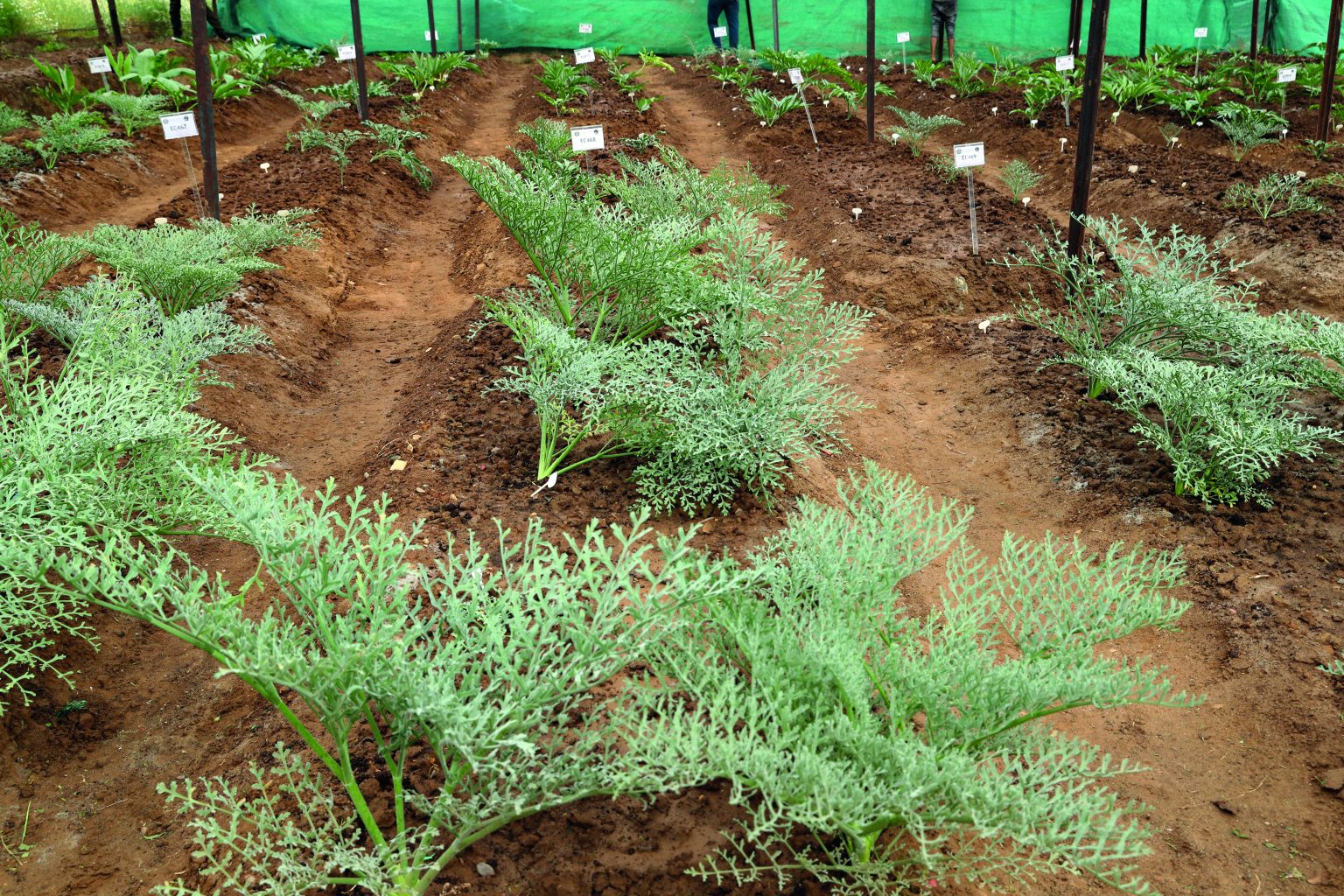
Scientific prowess makes the impossible possible. In recent times, India has made tremendous progress in every field of science and technology, which makes even developed nations look at us with an envious mindset. As an agrarian economy, India has been an agricultural powerhouse for ages. Our traditional farmers have developed many indigenous elite cultivars for crop improvement. Amalgamating the strength of modern science and our rich heritage, our scientists could transform our country from a food deficient state to a food surplus state. Initiatives from the government like the Purple Revolution, also known as Lavender Revolution, launched by the Ministry…

Energy is the primary need for human life. For living, we need cellular energy that we gather through various metabolic processes. The first form of this chemical energy, though, comes from photosynthesis taking place in green plants and algae. Even to carry out our day-to-day activities, we depend on various forms of energy. These energies primarily come from fossil fuels. Fossil fuels are formed by millions of years of geological processes. Since our consumption of these fuels is higher, it will be difficult to replenish fossil fuels during the life span of a human being. Apart from their dwindling resources,…

The Sun has a very important place in the life of every organism on this planet Earth. The Sun is the star at the centre of our solar system. It is a massive, luminous ball of hot, glowing gas primarily composed of hydrogen (92.1%) and helium (7.9%). Trace amounts of other elements (0.1%), such as oxygen, carbon, nitrogen, silicon, magnesium, neon, iron, and sulfur are also present The Sun holds 99.8 percent of our solar system’s mass, and its gravitational force is responsible for retaining all celestial bodies within it, including small Mercury, the gas giants, and the distant Oort…

Spices are intertwined with Indian culture and civilization. Since time immemorial, India has been considered the ‘Spice Bowl of the World’. Many foreigners came to the sub-continent in search of the highly valued Indian spices. Spice trading was an important economic activity that brought people from Arabia, the Netherlands, Portugal and eventually the United Kingdom, to India, who colonised the whole region given the potential of its natural resources. For thousands of years, Indians have employed spices and herbs like black pepper, cinnamon, turmeric, and cardamom for culinary and health-related reasons. Cardamom and turmeric, native to India, were cultivated as…