


Author: Prof (Dr) Dinesh Kumar Aswal

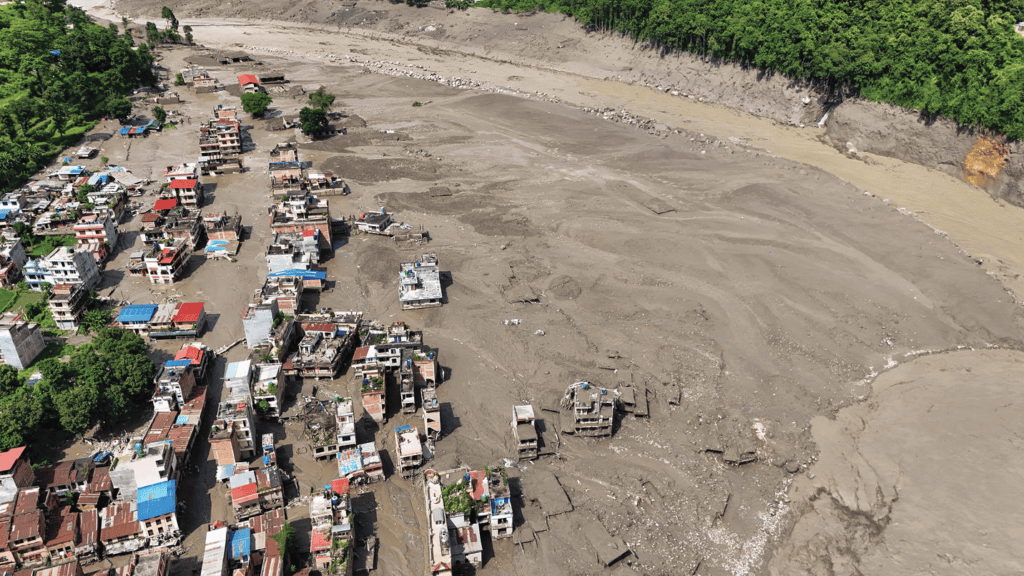
Image Courtesy: Screengrab from a video circulating on social media Every disaster begins long before it becomes visible. Today, satellites orbiting hundreds of kilometres above Earth, sensors hidden beneath rivers and mountains, and powerful computer models are helping India anticipate hazards before they strike. Science is no longer merely explaining disasters—it is helping prevent them, protecting lives and enabling the nation to build a safer and more resilient future. WHEN EVERY MINUTE COUNTS What comes to your mind when you hear the word disaster? Perhaps it is images of rescue workers searching through collapsed buildings, flooded streets after relentless rain…

A MESSAGE THAT MARKED A MOMENT On 6 April 2026, a quiet scientific milestone found a powerful national voice. Reflecting on the achievement of Prototype Fast Breeder Reactor (PFBR) at Kalpakkam, Prime Minister Narendra Modi wrote: “Today, India takes a defining step in its civil nuclear journey, advancing the second stage of its nuclear programme. The indigenously designed and built Prototype Fast Breeder Reactor at Kalpakkam has attained criticality. This advanced reactor, capable of producing more fuel than it consumes, reflects the depth of our scientific capability…A proud moment for India.” These words do not merely celebrate an event; they…

Human development has always necessitated substantial energy resources. The growth of populations, industrialisation, and technological advancements are heavily dependent on reliable energy sources. Throughout history, nations have prioritised securing energy supplies that can sustain progress and promote stability. However, in recent decades, the urgency for sustainable development has intensified, primarily driven by the looming threat of climate change. This evolving challenge adds a critical dimension to the quest for energy security. India, as one of the world’s fastest-growing nations, is grappling with the dual challenge of meeting its burgeoning energy demands while ensuring sustainability. With a population exceeding 1.4 billion…