



Author: Prof Kishore Paknikar

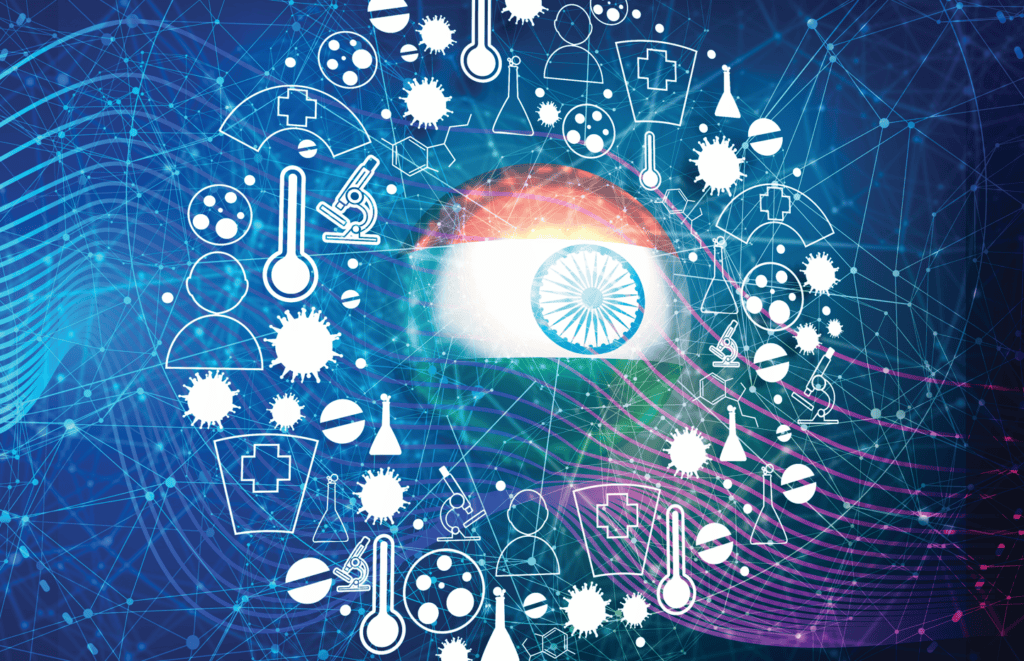
Few nations can claim to have built Nalanda, one of the world’s earliest great universities, and, centuries later, to have sent spacecraft to the Moon. India can. These achievements, separated by nearly two millennia, symbolize a civilization that has continuously sought to understand nature and apply knowledge for society’s benefit. As the country advances toward the vision of Viksit Bharat 2047, an important question naturally arises: What kind of science policy should guide its future? The growing discussion about a Bharat-centric Science, Technology, and Innovation Policy is therefore timely and welcome. Every major scientific nation aligns its research priorities with…
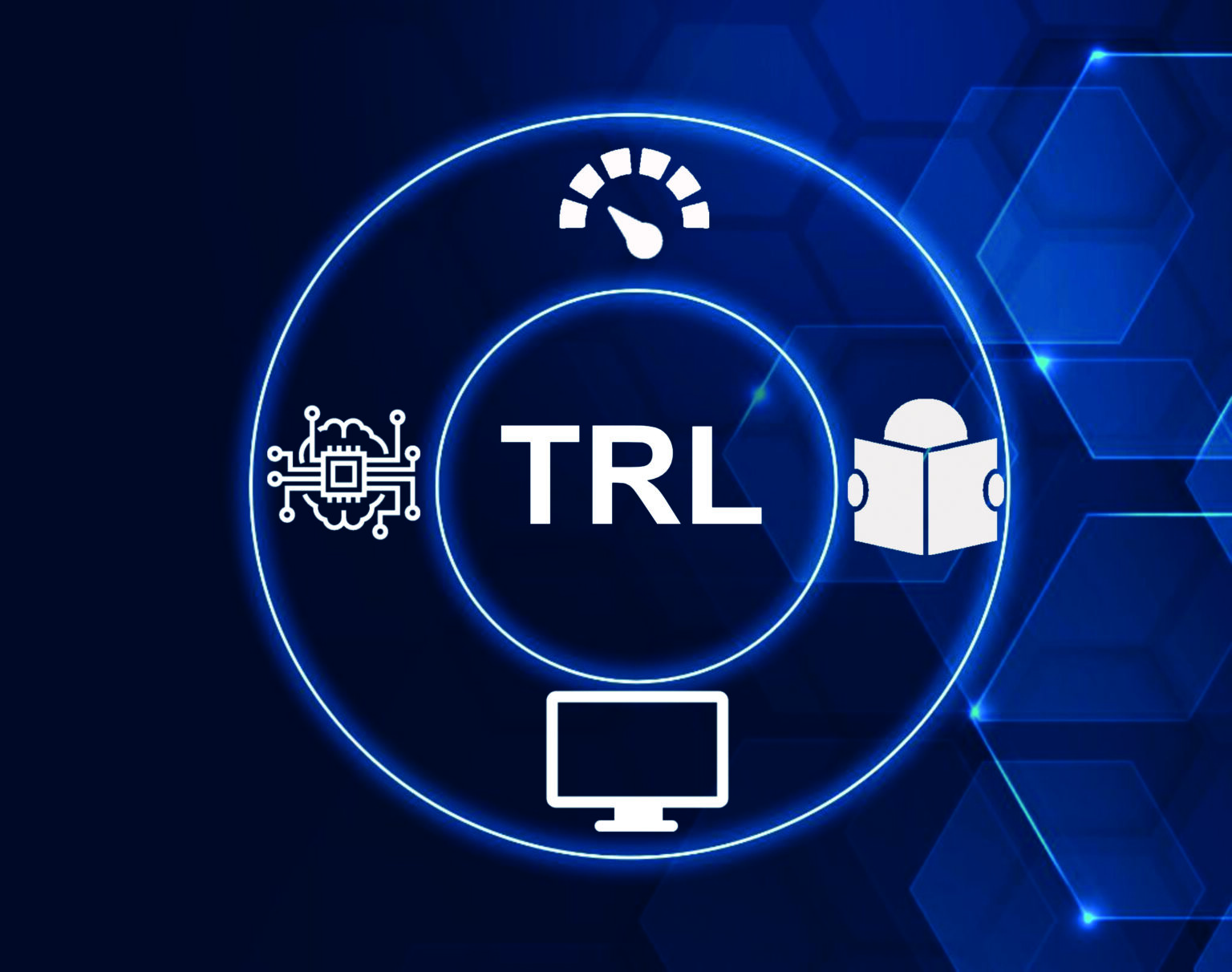
NEW FRONTIERS OF SCIENCE Every innovation begins as a quiet possibility. A researcher notices an unexpected laboratory result, an engineer identifies a long-standing societal problem, or a student imagines a better way to complete a routine task. At this earliest stage, nothing is written, tested, or demonstrated. There is only thought. This informal beginning, sometimes called TRL 0 (Technology Readiness Level), is where most ideas remain, and that is natural. Imagination must always exceed what is built, for it is the source of originality. Yet when a particular idea refuses to fade, it must begin the long journey from possibility…