

Author: Science India Bureau

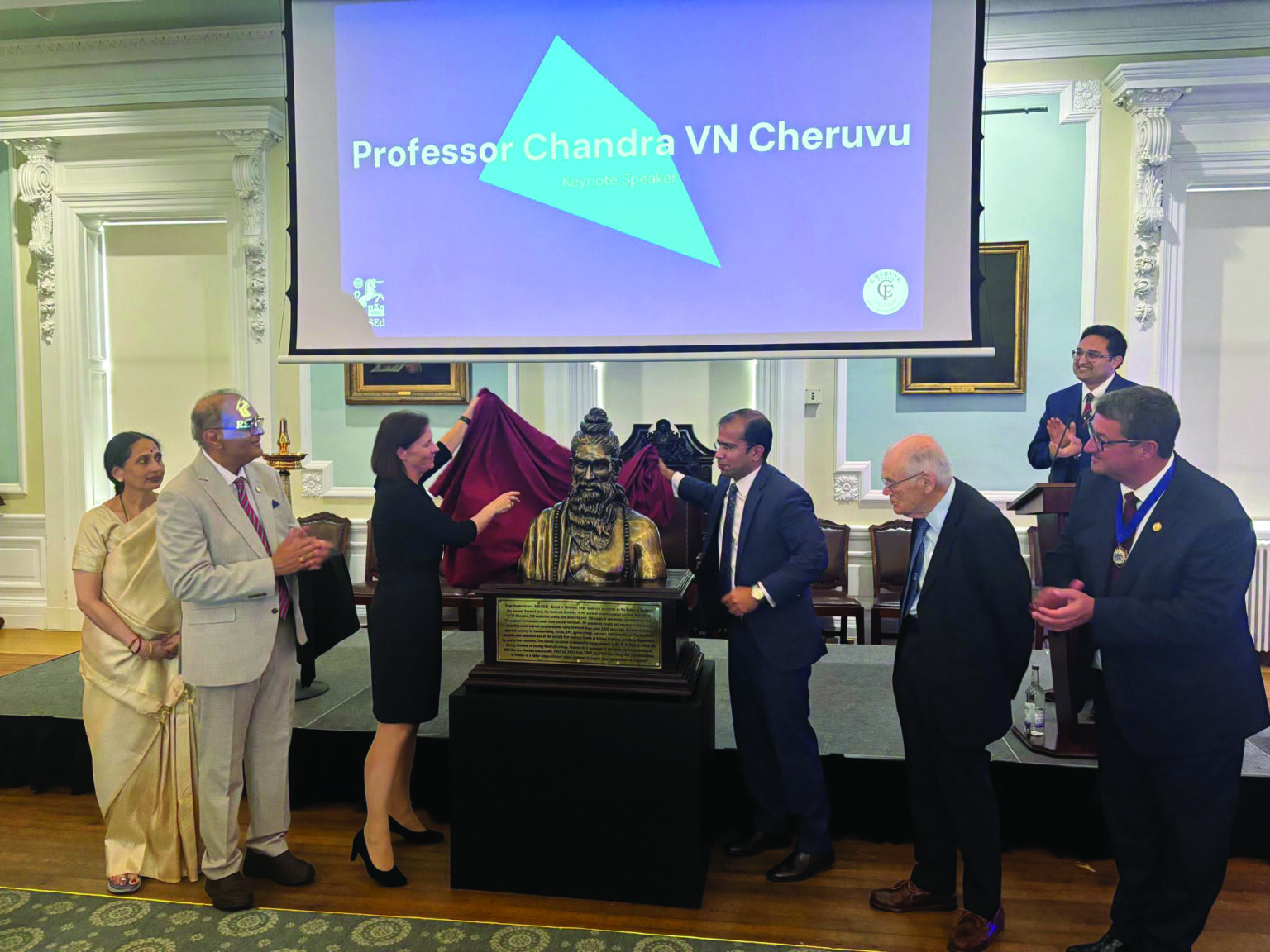
Image Courtesy: Consulate General of India, Edinburgh A statue of Maharishi Sushruta, widely regarded as one of the earliest surgeons in history and the ‘Father of Surgery’, was unveiled at the Royal College of Surgeons of Edinburgh in Scotland on 19 June. The installation was announced by the Consulate General of India in Scotland, which described the event as a celebration of India’s ancient medical heritage and the long-standing links between India and Scotland in the field of medicine and surgery. The ceremony brought together medical professionals, academics and dignitaries from India and the United Kingdom. According to the Indian…
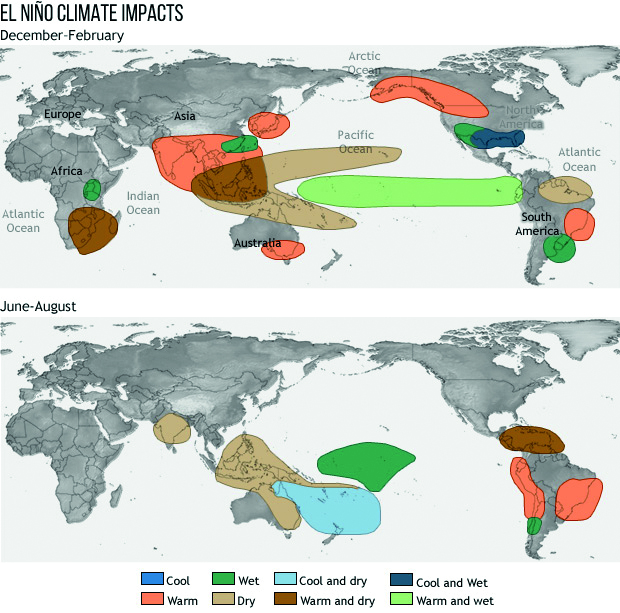
The India Meteorological Department (IMD) has forecast below-normal rainfall across most parts of India, as El Nino conditions continue to strengthen over the equatorial Pacific Ocean. El Nino, the periodic warming of sea surface temperatures over the central and eastern Pacific Ocean, weakens the monsoon circulation by reducing the temperature contrast between land and ocean, often suppressing cloud formation and rainfall over the Indian subcontinent. WHAT IS EL NINO? The term ‘El Nino’ means ‘The Little Boy’ in Spanish. It was first noticed by fishermen near South America. It is part of a larger climate system called the El Nino-Southern…

Image Courtesy: NASA/ Wikipedia/ Public Domain For decades, Antarctica has remained one of the Earth’s greatest geological mysteries, with more than 99 percent of its bedrock concealed beneath an ice sheet several kilometres thick. Now, scientists have uncovered one of the continent’s most remarkable hidden features—a colossal fan-shaped geological structure buried deep beneath the East Antarctic Ice Sheet that could reshape our understanding of Antarctica’s ancient past and improve predictions about its future in a warming world. The newly discovered formation, named the East Antarctic Fan-shaped Basin Province (EAFBP), is not a single basin but a vast network of interconnected…
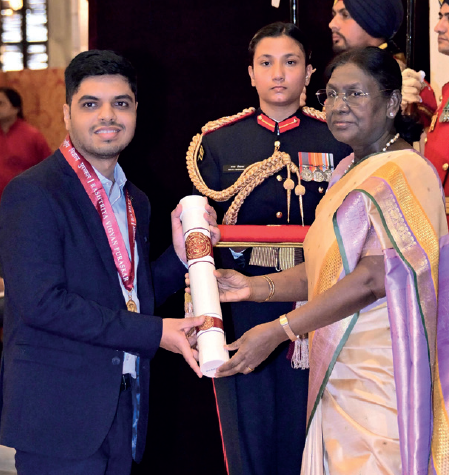
Image Courtesy: PIB YOUNG SCIENTIST / ANKUR GARG Young ISRO scientist Ankur Garg has been conferred with the prestigious Vigyan Yuva– Shanti Swarup Bhatnagar Award under the Rashtriya Vigyan Puraskar 2025 by President Droupadi Murmu. The award recognises exceptional contributions by young scientists in various fields of science and technology and places Ankur Garg among the country’s most promising scientific minds. Working at the Space Applications Centre (SAC) of the Indian Space Research Organisation (ISRO), Garg has emerged as a key contributor in the field of space science and technology. His work is particularly linked with the use of artificial…
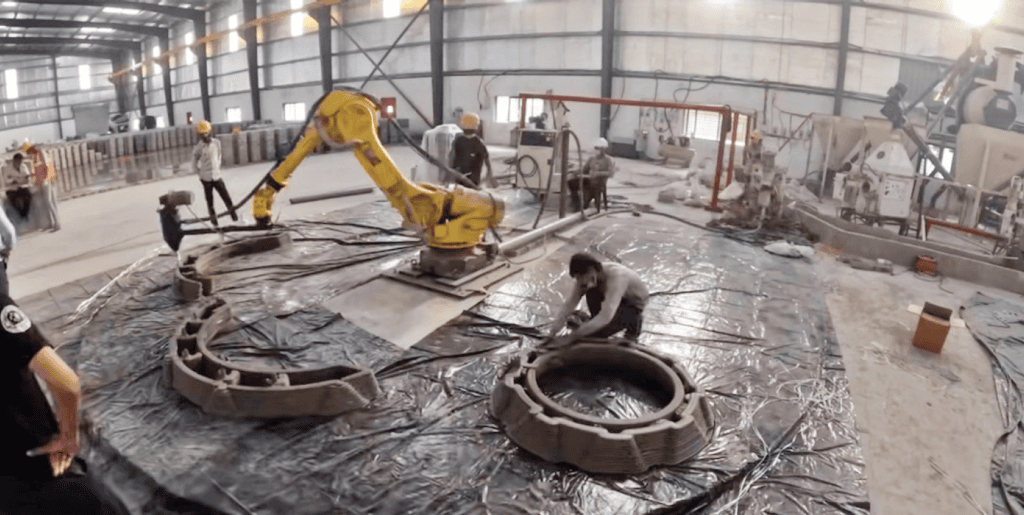
Image Courtesy: AAKA Space TECH TALK / 3D-PRINTED SHIELD In a breakthrough that signals India’s growing ambition in deep-space exploration, Ahmedabad-based AAKA Space Studio has developed Asia’s first 3D-printed radiation shield designed for houses on Mars. This innovation is not just a technological milestone but a crucial step toward making human life on the Red Planet a practical reality. The development comes at a time when global space agencies are actively planning long-duration missions to Mars. While rockets and propulsion systems often dominate headlines, the real challenge lies in something more fundamental, how humans will live, survive, and build on…
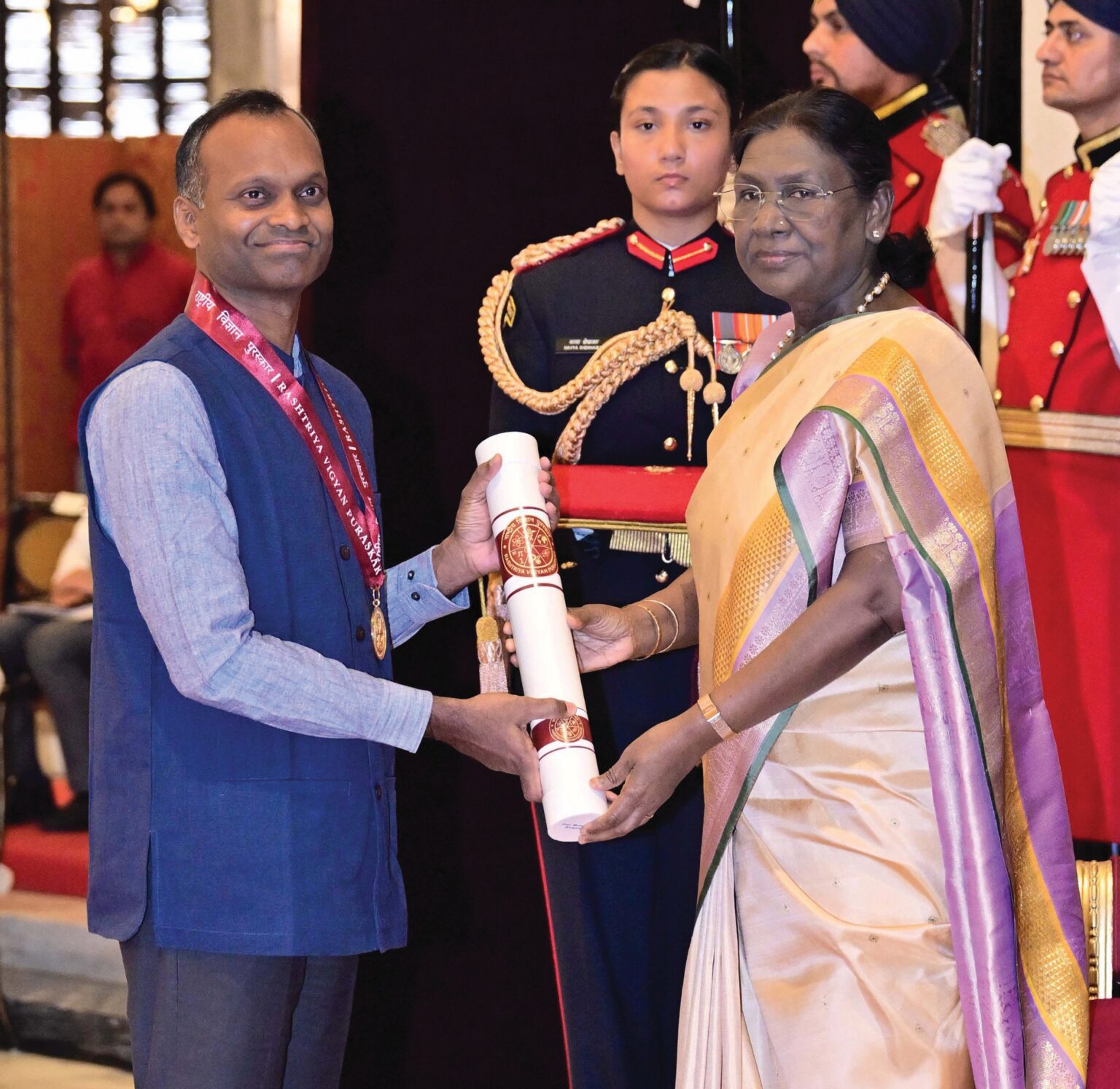
Image Courtesy: PIB YOUNG SCIENTIST / PROF MOHANASANKAR SIVAPRAKASAM In 2025, Prof Mohanasankar Sivaprakasam was awarded the Vigyan Yuva Award under the Rashtriya Vigyan Puraskar, recognising a body of work that goes far beyond academic research. His journey represents a powerful shift in Indian science, where innovation is no longer confined to laboratories, but is designed to solve real-world problems at scale. At a time when access to quality healthcare remains uneven, Prof Sivaprakasam’s work stands out for its ability to bridge technology and affordability. Currently a professor at IIT Madras, Prof Sivaprakasam has built his career at the intersection…

Image Courtesy: PIB PADMA AWARDS 2026 The Padma Awards 2026 have brought national recognition to a remarkable group of scientists, doctors, agricultural experts and archaeologists whose work has quietly transformed India over decades. While public attention often focuses on celebrities and political figures, this year’s Padma honours underline the role played by researchers, medical professionals, engineers and heritage scholars in shaping the nation’s future. From pioneering India’s rocket propulsion programme and decoding the genetic history of Indians to advancing cancer treatment, improving rural healthcare, strengthening agriculture and preserving civilisational heritage, these awardees represent the intellectual strength of India. SCIENTISTS WHO…
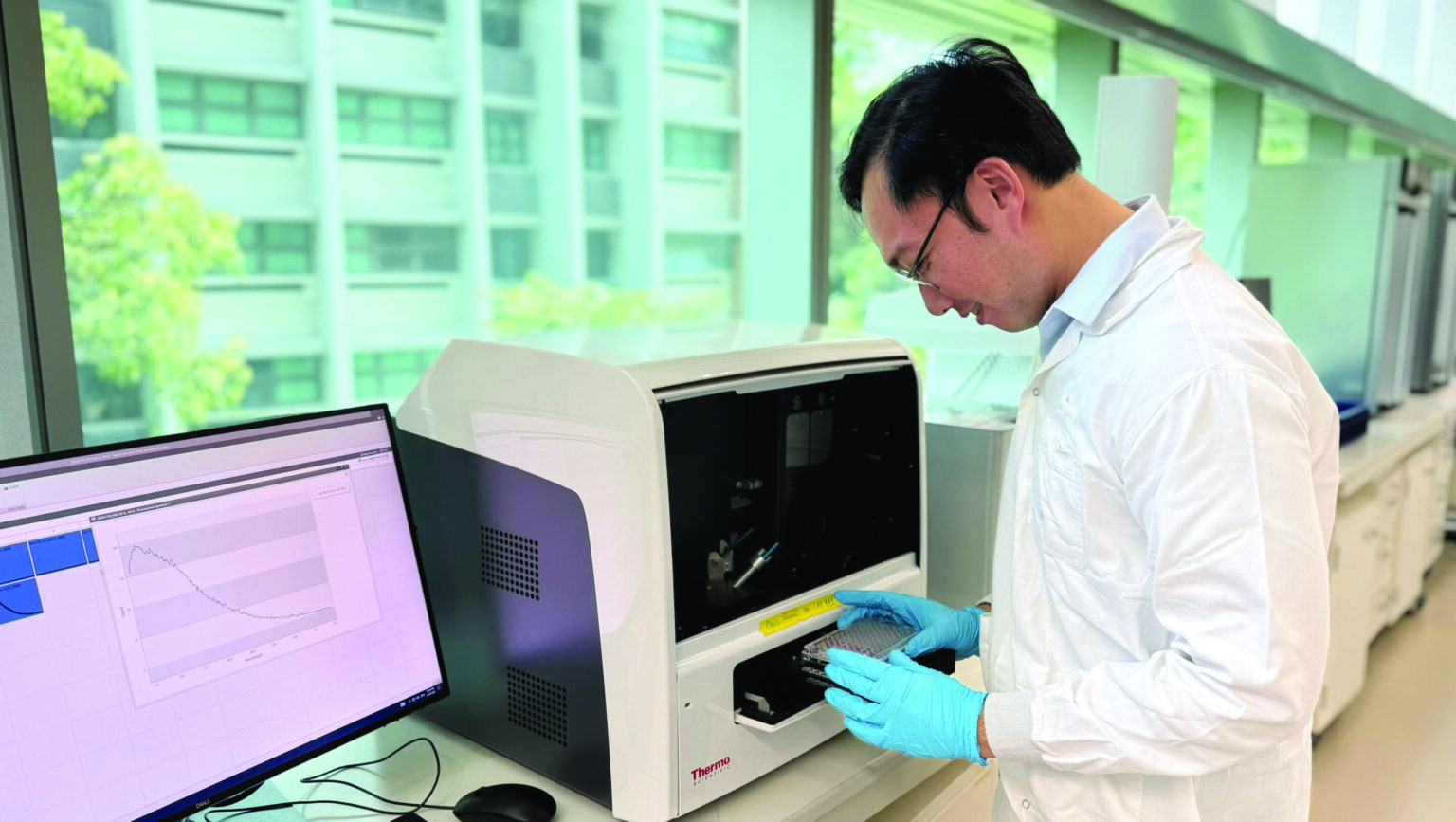
Image Courtesy: NIE/NTU Scientists from the National Institute of Education, Nanyang Technological University (NIE NTU, Singapore) and the Singapore-MIT Alliance for Research and Technology (SMART) , in collaboration with clinicians from the National University Hospital and the Yong Loo Lin School of Medicine, have developed a novel fluorescent nanosensor capable of rapidly detecting indole-3-propionic acid (IPA), an emerging biomarker associated with gut health and several chronic diseases. The sensor detects indole-3-propionic acid, known as IPA, a molecule produced by gut bacteria when they break down tryptophan, an amino acid found in food. IPA has been linked to gut health and…
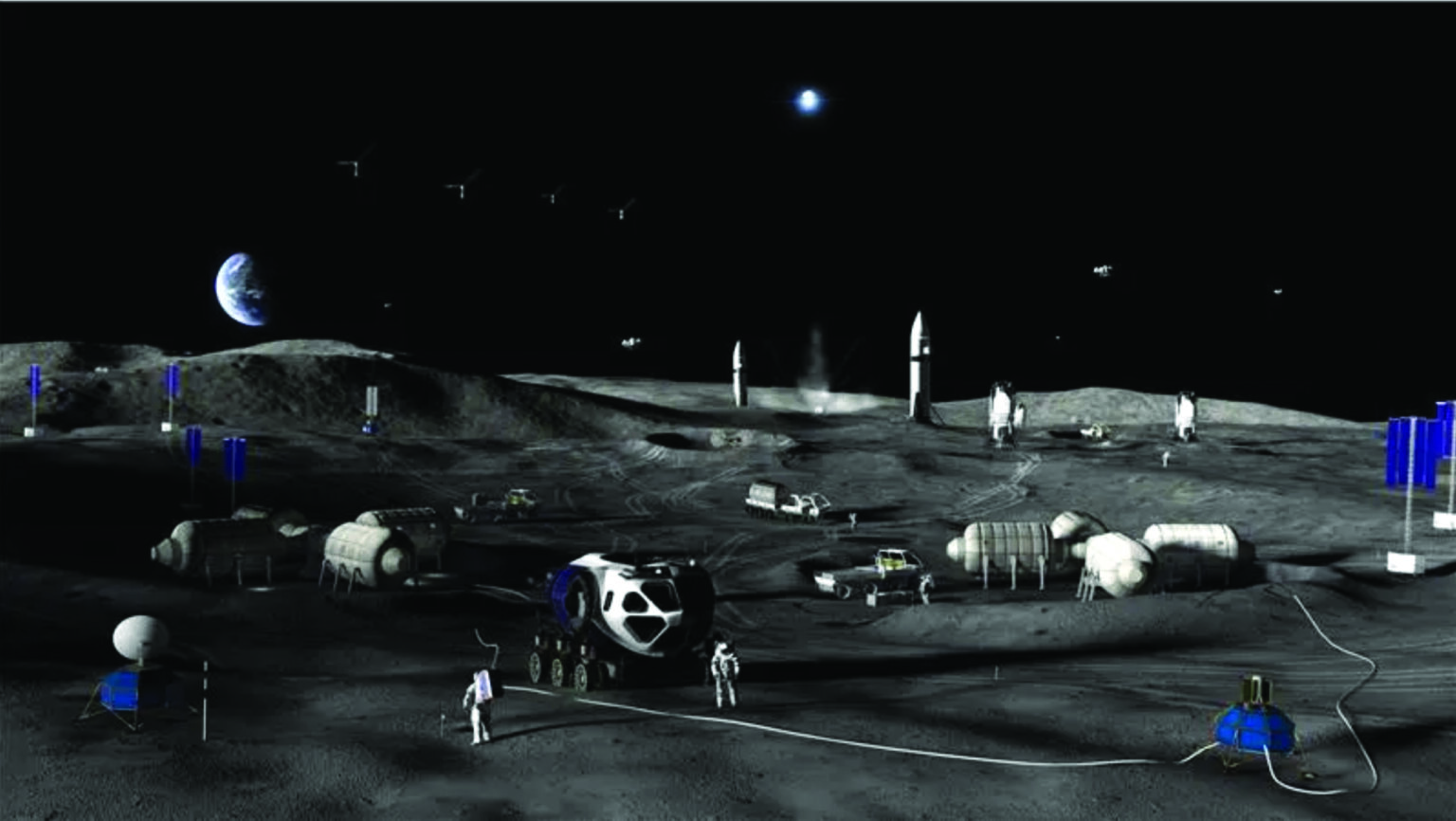
Image Courtesy: NASA In a bold reimagining of humanity’s future beyond Earth, NASA has unveiled an ambitious roadmap that goes far beyond symbolic space missions. With plans to build a $20 billion lunar base and develop the first nuclear-powered interplanetary spacecraft, the agency is pushing the boundaries of what was once considered impossible. NASA’s latest roadmap for space exploration marks a dramatic shift from symbolic missions to long-term human presence beyond Earth. With plans that include a $20 billion lunar base and the world’s first nuclear-powered interplanetary spacecraft, the United States space agency is attempting what many experts describe as…
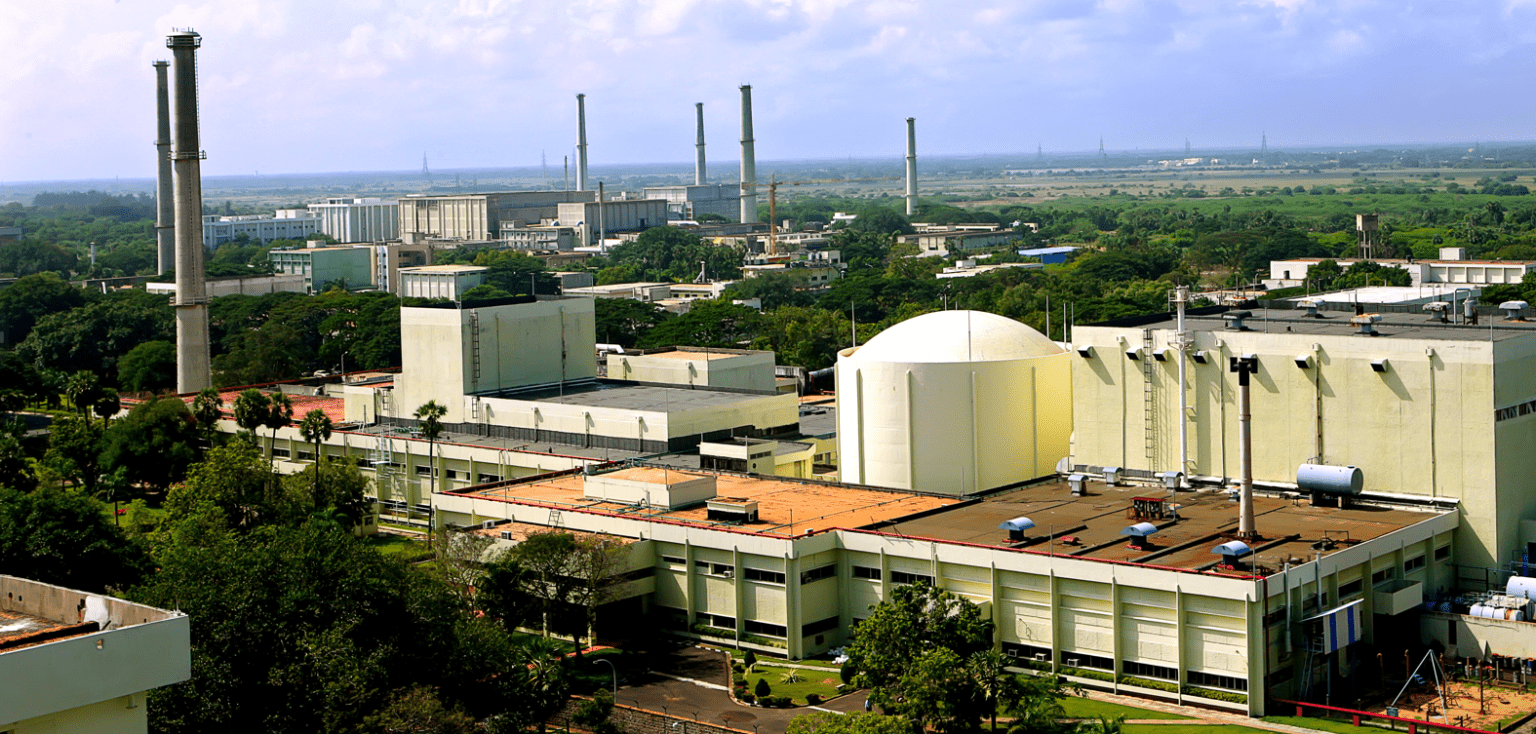
Image Courtesy: IGCAR Researchers at the Indian Institute of Science (IISc) have developed a new approach that could dramatically reduce power leakage in next-generation electronic devices. The breakthrough may accelerate the adoption of gallium nitride (GaN) power transistors, which are widely viewed as a key technology for electric vehicles, renewable energy systems, and high-performance computing infrastructure. This PFBR is a 500 MWe (MegaWatt electrical) reactor built by Bharatiya Nabhikiya Vidyut Nigam Limited (BHAVINI) at the Kalpakkam Nuclear Complex. Designed by the Indira Gandhi Centre for Atomic Research (IGCAR) under the guidance of Department of Atomic Energy (DAE), this 500 MWe…