

Author: Science India Bureau

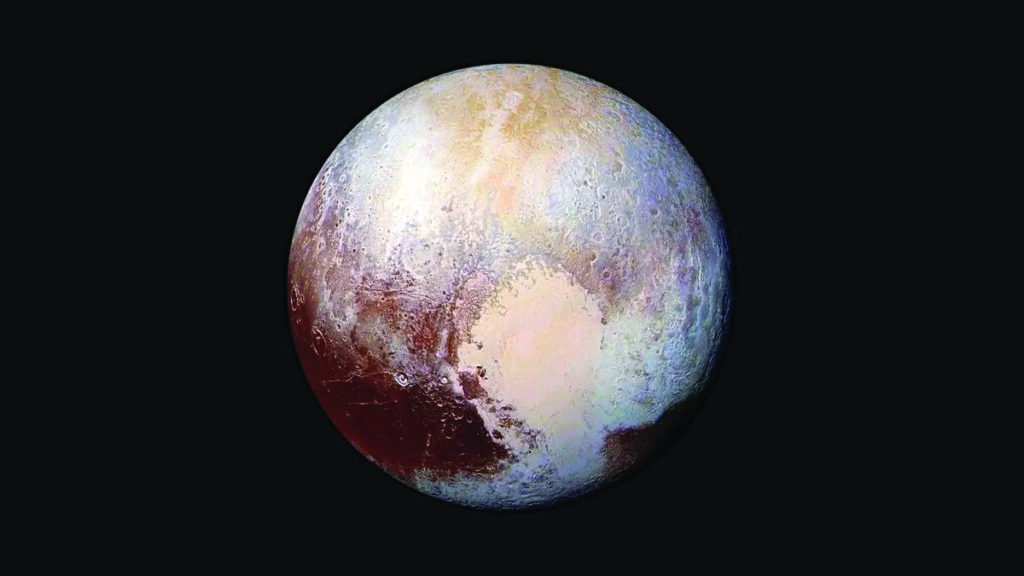
Image Courtesy: Wikipedia/ NASA In a remark that has reignited a long-simmering debate in the scientific community, Jared Isaacman, the Administrator of NASA, has voiced support for restoring Pluto’s status as a full-fledged planet, saying it is “time to reconsider” the controversial 2006 decision that demoted it to a dwarf planet. The statement has triggered fresh discussions among astronomers, educators, and space enthusiasts worldwide, reopening a question many thought had been settled nearly two decades ago. Pluto, once celebrated as the ninth planet of our solar system, was reclassified in 2006 by the International Astronomical Union. The IAU introduced a…
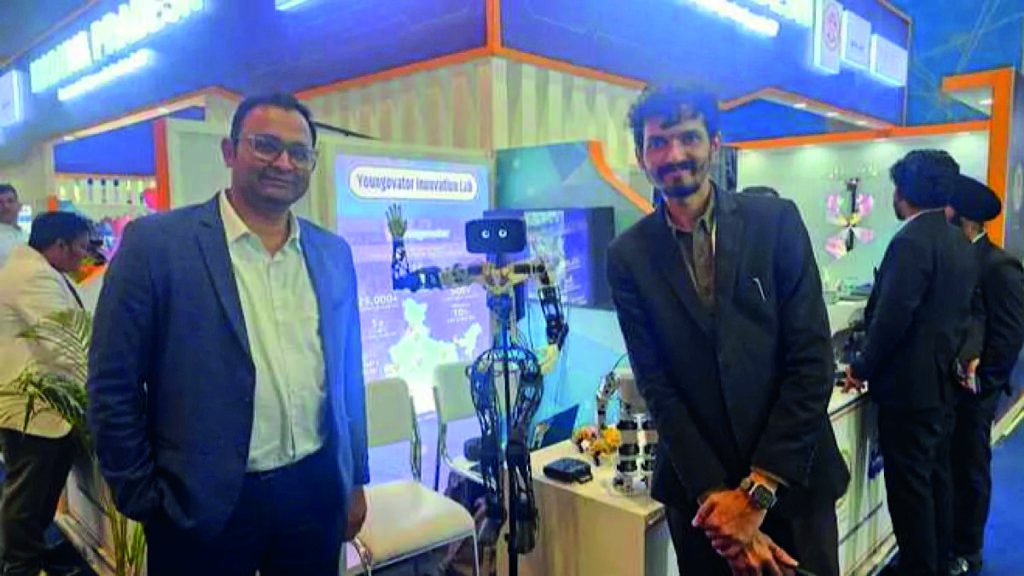
Image Courtesy: PIB Indigenously manufactured and developed robots emerged as a major attraction at the AI Impact Summit in New Delhi in February. Science India takes a look at some of the show stealers. Sarvam AI launches two LLMs Homegrown startup Sarvam AI introduced two indigenous large language models (LLMs) trained specifically for Indian languages—a 30-billion-parameter model and a larger 105-billion-parameter model. Gnani.ai unveils voice cloning AI system Bengaluru-based startup Gnani.ai launched Vachana TTS, a text-to-speech system capable of cloning voices and generating speech in 12 Indian languages. The system can recreate a person’s voice using less than 10 seconds…
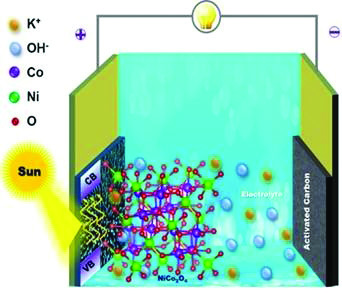
TECH TALK / PHOTO-CAPACITOR In a significant scientific development, researchers from the Centre for Nano and Soft Matter Sciences (CeNS) in Bengaluru, operating under the Department of Science and Technology (DST), Government of India, have engineered a photo-rechargeable energy storage device that eliminates the need for separate solar panels and batteries. This integrated system simultaneously captures sunlight and stores electrical energy, marking a leap forward in self-sustaining energy technology. Traditional solar power configurations require multiple components: photovoltaic panels to harness sunlight, storage units such as batteries or supercapacitors to retain energy, and power management electronics to balance the system. These…
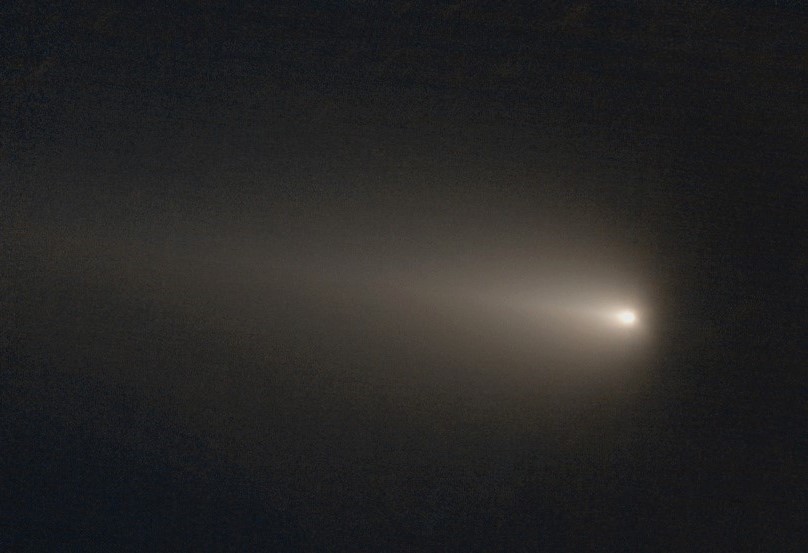
International News A newly discovered comet is moving toward the Sun for a super close encounter. Designated C/2026 A1, this comet was found on 13 January and it will make its closest approach to the Sun (perihelion) on 4 April. Astronomers estimate that it will get within 8 lakh kilometres of the Sun on a ‘hairpin’ trajectory and may disintegrate due to the immense heat and tidal forces. MAPS According to the published news reports, the comet was first spotted by amateur astronomers Alain Maury, Georges Attard, Daniel Parrott and Florian Signoret at the AMACS1 observatory in San Pedro de…
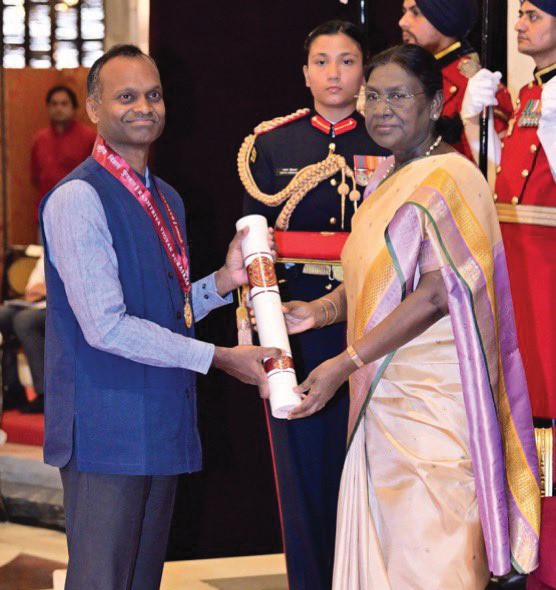
Image Courtesy: PIB YOUNG SCIENTIST / PROF MOHANASANKAR SIVAPRAKASAM Professor Mohanasankar Sivaprakasam, a leading Indian engineer and innovator, has recently been honoured with the Rashtriya Vigyan Puraskar 2025 in the Vigyan Yuva-Shanti Swarup Bhatnagar category for Technology & Innovation, one of the nation’s most prestigious recognitions for scientific excellence. Prof Sivaprakasam is a distinguished Professor of Electrical Engineering at the Indian Institute of Technology Madras (IIT Madras), where he leads extensive research and development at the intersection of engineering, medicine, and healthcare. At IIT Madras, he also heads the Healthcare Technology Innovation Centre (HTIC), a joint initiative with the Department…
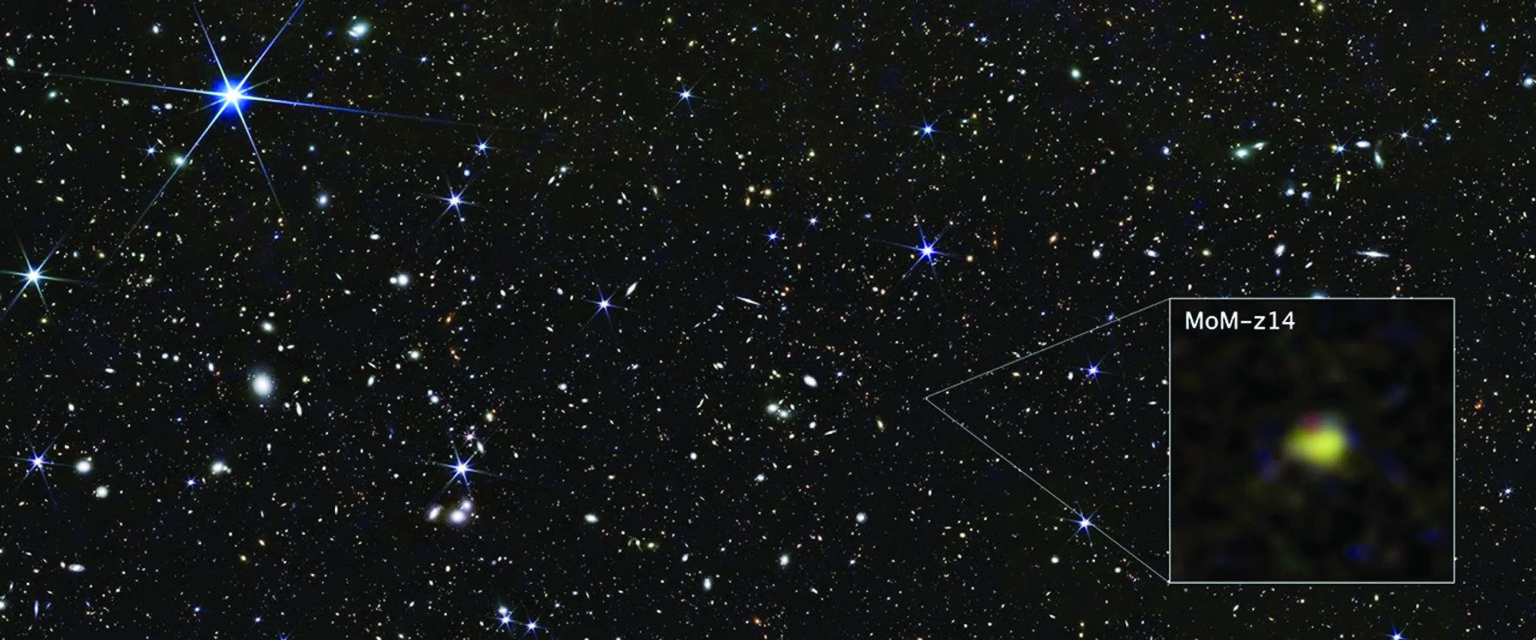
Image Courtesy: Twitter The James Webb Space Telescope (JWST) has stunned astronomers once again as it has found the most distant galaxy ever observed, named MoM-z14. According to NASA, the newly discovered galaxy existed just 280 million years after the Big Bang. Scientists say that MoM-z14 is brighter, denser, and more chemically rich than expected. The discovery offers new clues to the early universe’s evolution. By now Webb has established that it will eventually surpass virtually every benchmark it sets in these early years, but the newly confirmed galaxy, MoM-z14, holds intriguing clues to the universe’s historical timeline and just…
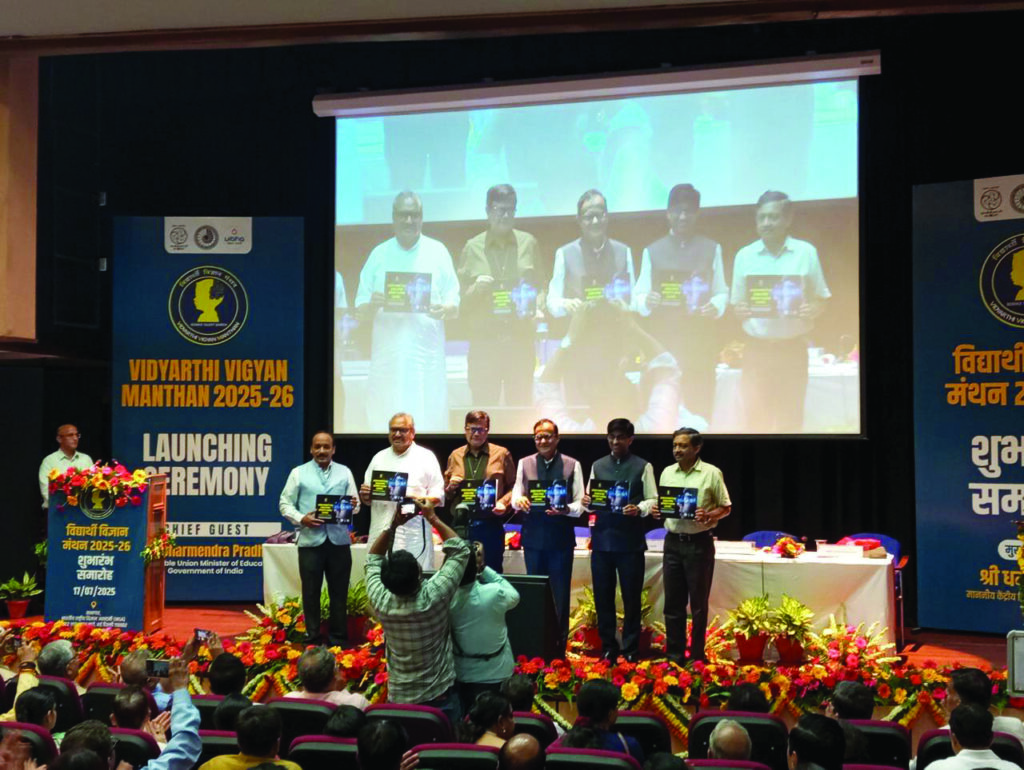
The brochure of Vidyarthi Vigyan Manthan (VVM), a flagship programme of the Vijnana Bharati (Vibha) was launched at the Indian National Science Academy, New Delhi on 17 July. VVM is an initiative of Vibha, in collaboration with the National Council of Educational Research and Training and National Council of Science Museums. VVM is a national programme for popularising science among school students of standard VI to XI, conceptualised with the intent of identifying “ignited minds”, to use the words of former President of India and celebrated scientist Dr APJ Abdul Kalam, with a scientific aptitude from amongst the student community.…
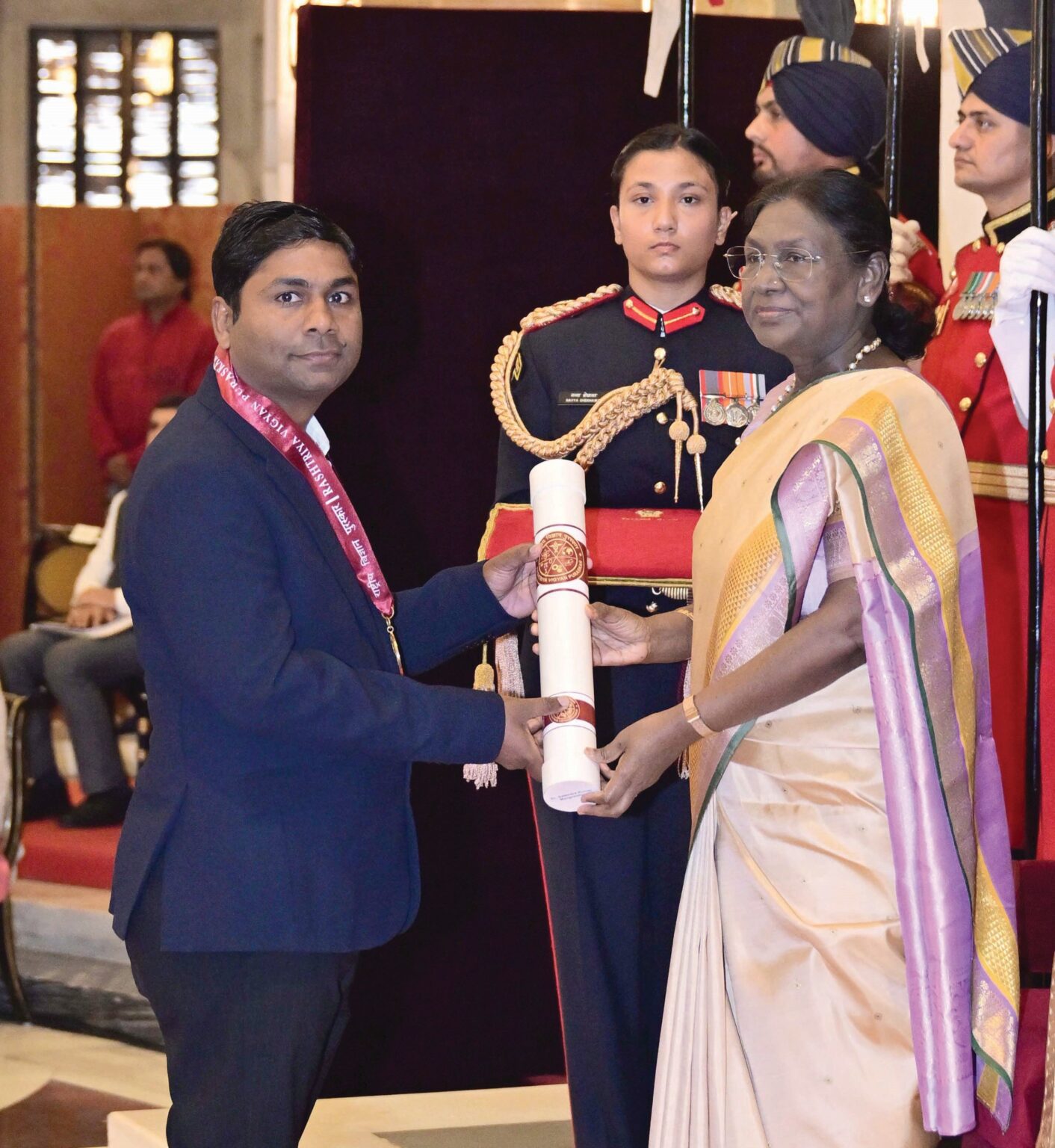
Image Courtesy: PIB YOUNG SCIENTIST / DR SATENDRA KUMAR MANGRAUTHIA The conferment of the Vigyan Yuva Award upon Dr Satendra Kumar Mangrauthia marks a significant moment in India’s rapidly evolving agricultural research landscape. Dr Mangrauthia’s recognition is rooted in his pioneering contributions to rice biotechnology, genome editing, and climate-resilient agriculture, areas that are central to India’s food security in the 21st century. Dr Mangrauthia’s research centres on molecular biology and biotechnology of rice, with a strong focus on genome editing, RNA interference (RNAi), and functional genomics. His work addresses some of the most pressing challenges faced by Indian agriculture today—declining…
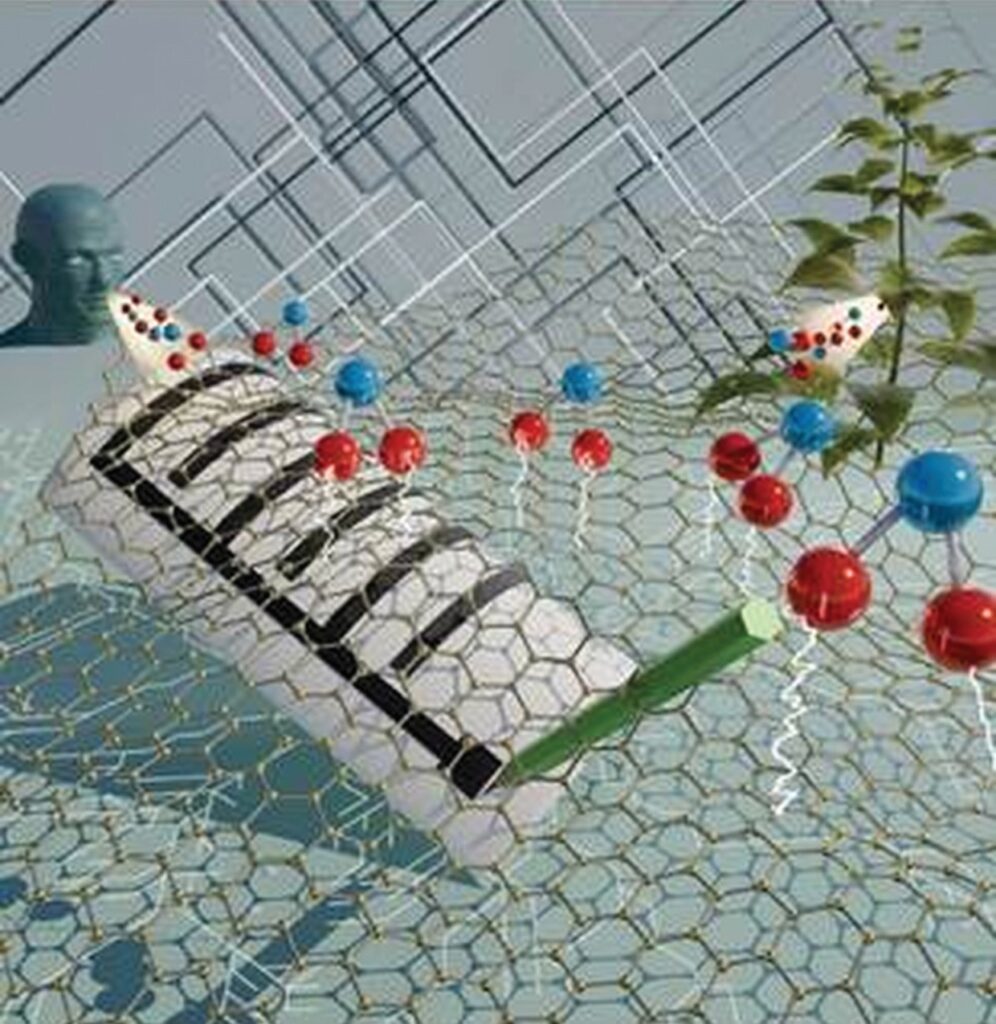
TECH TALK / MULTIFUNCTIONAL SENSOR Sensors have quietly become integral to modern life, embedded in smartphones, wearables, medical devices, and agricultural systems. Yet, most commercially available sensors are built on rigid substrates, depend on precious metals such as gold or platinum, and require sophisticated cleanroom fabrication. These factors make them expensive, difficult to scale, and impractical for large-area or disposable applications, especially in sectors like agriculture and community healthcare. Addressing this challenge, a research team led by Dr Hemen Kumar Kalita, along with doctoral researchers Rajnandan Lahkar and Biswajit Dehingia, at the Department of Physics, Gauhati University, has developed an…
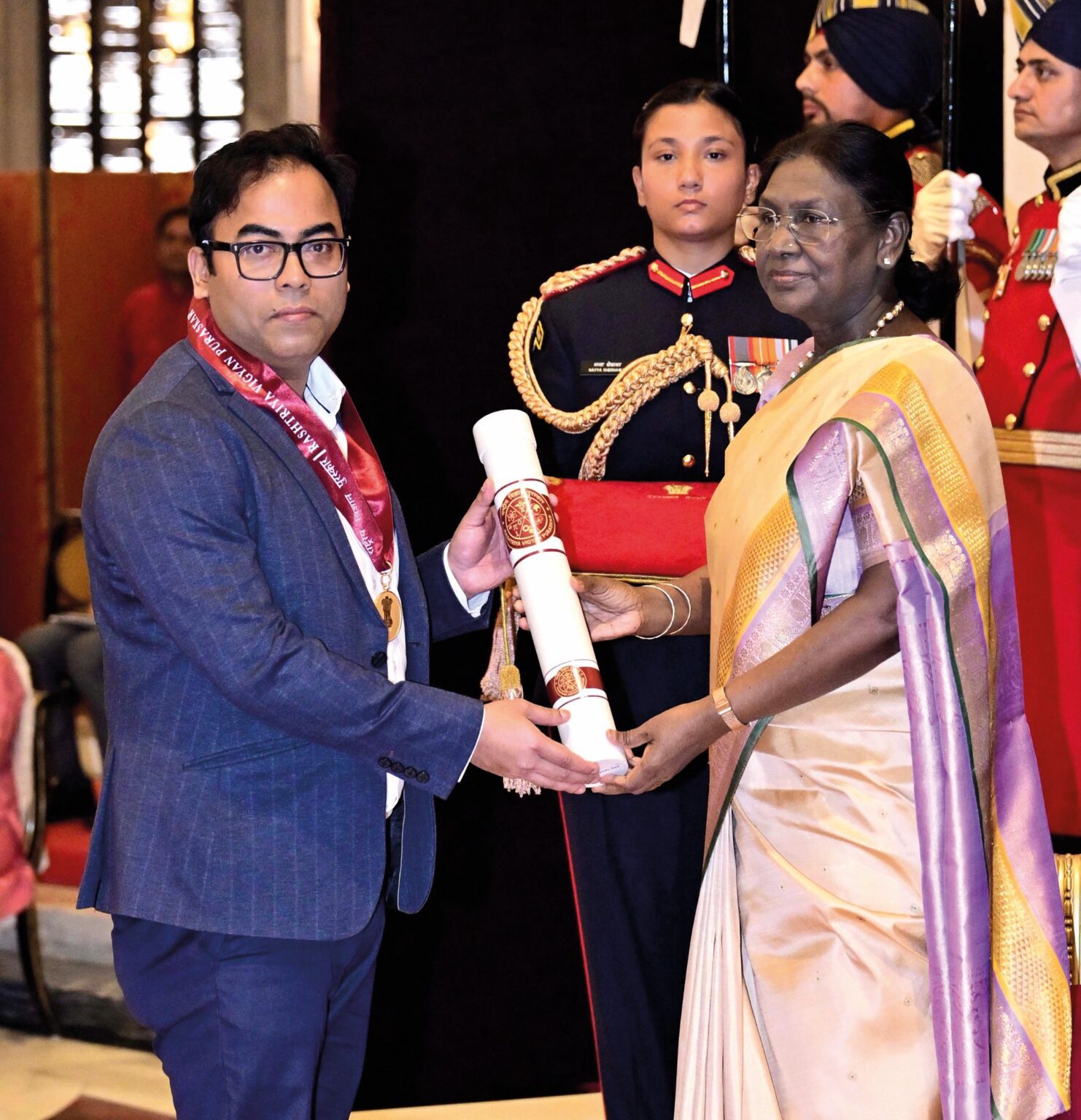
Image Courtesy: PIB Dr Dibyendu Das, Associate Professor in the Department of Chemical Sciences at the Indian Institute of Science Education and Research (IISER) Kolkata, has been selected for the Vigyan Yuva Shanti Swarup Bhatnagar Award 2025. He is the sole recipient of the award in Chemistry, under the Rashtriya Vigyan Puraskar (RVP) scheme. This honour, among the nation’s highest recognitions for scientific achievement, acknowledges his pioneering research and global impact in the rapidly growing field of systems chemistry. Trained as an organic and supramolecular chemist with a deep interest in molecular self-organisation, Dr Das has established an internationally visible…